 flip
flipMinchat solet — offering cake with fine flour and oil (inspired by the minchah)
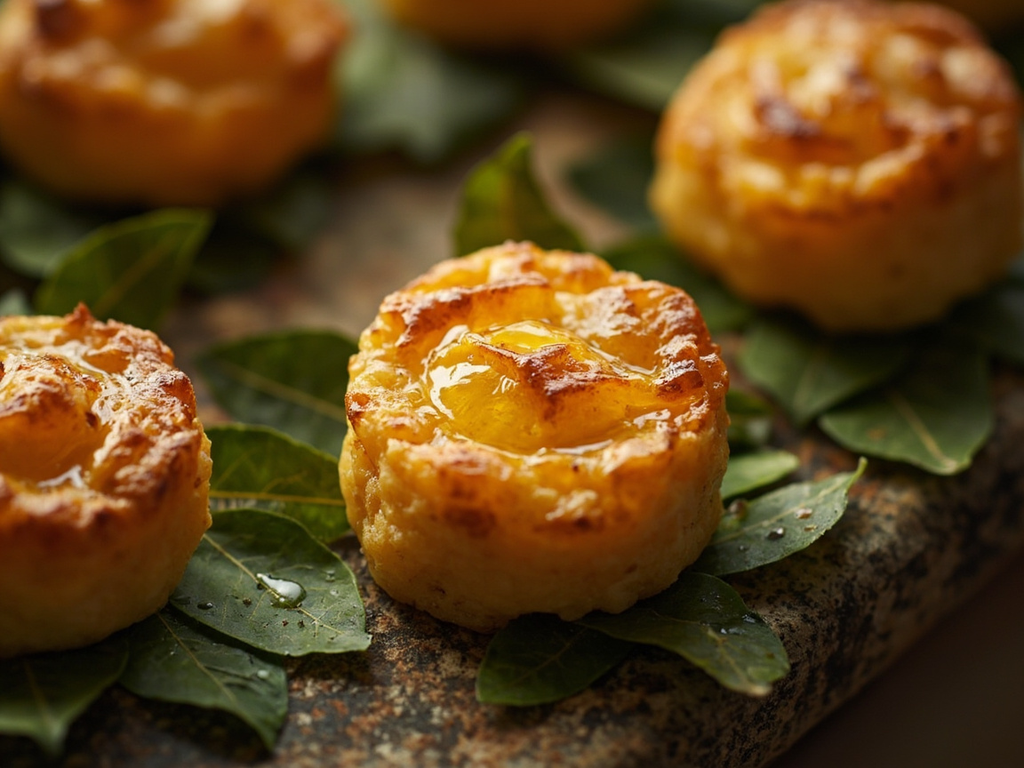
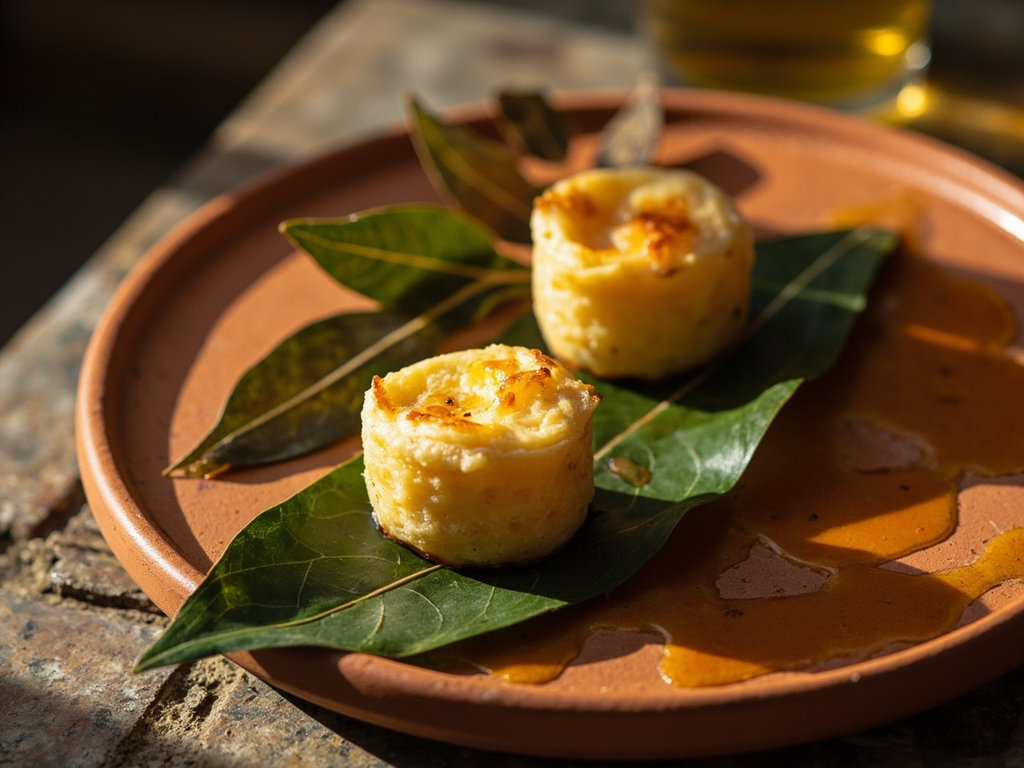
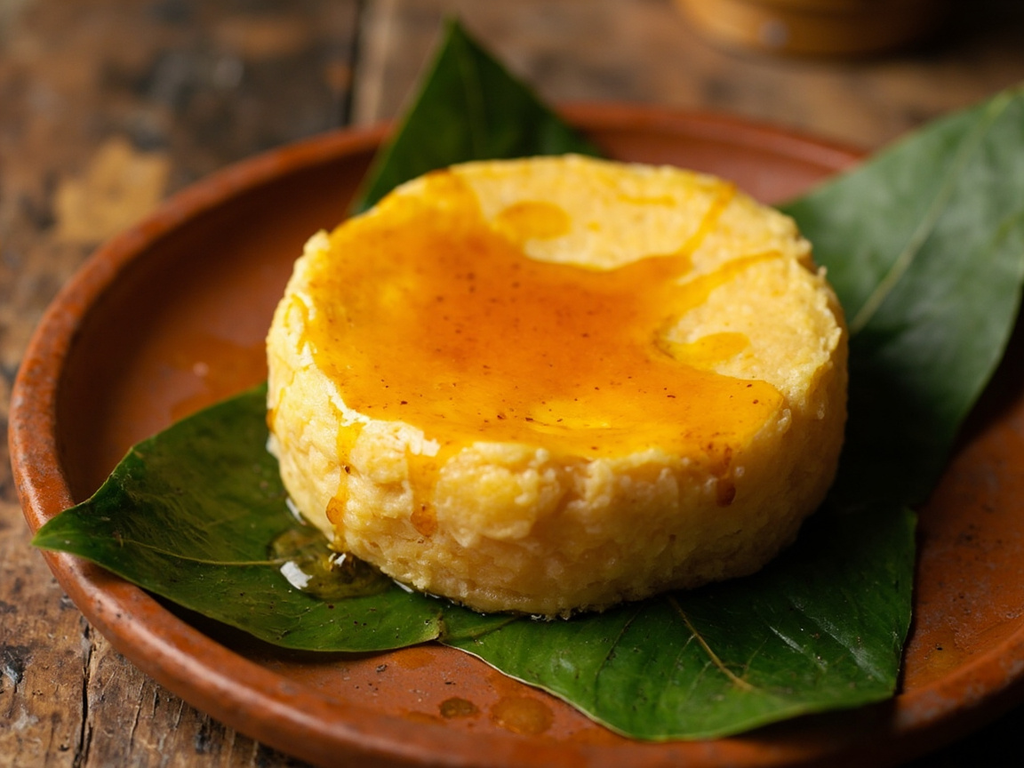
Minchat solet — offering cake with fine flour and oil (inspired by the minchah)
Why this dish? Prophet of the Lord, Jonah lives in a world punctuated by offerings at the Temple. In chapter 2, from the belly of the fish, he promises to offer a sacrifice of thanksgiving. The minchah, an offering of fine flour and oil, is the non-bloody tribute par excellence: the bread returned to God for having been spared.
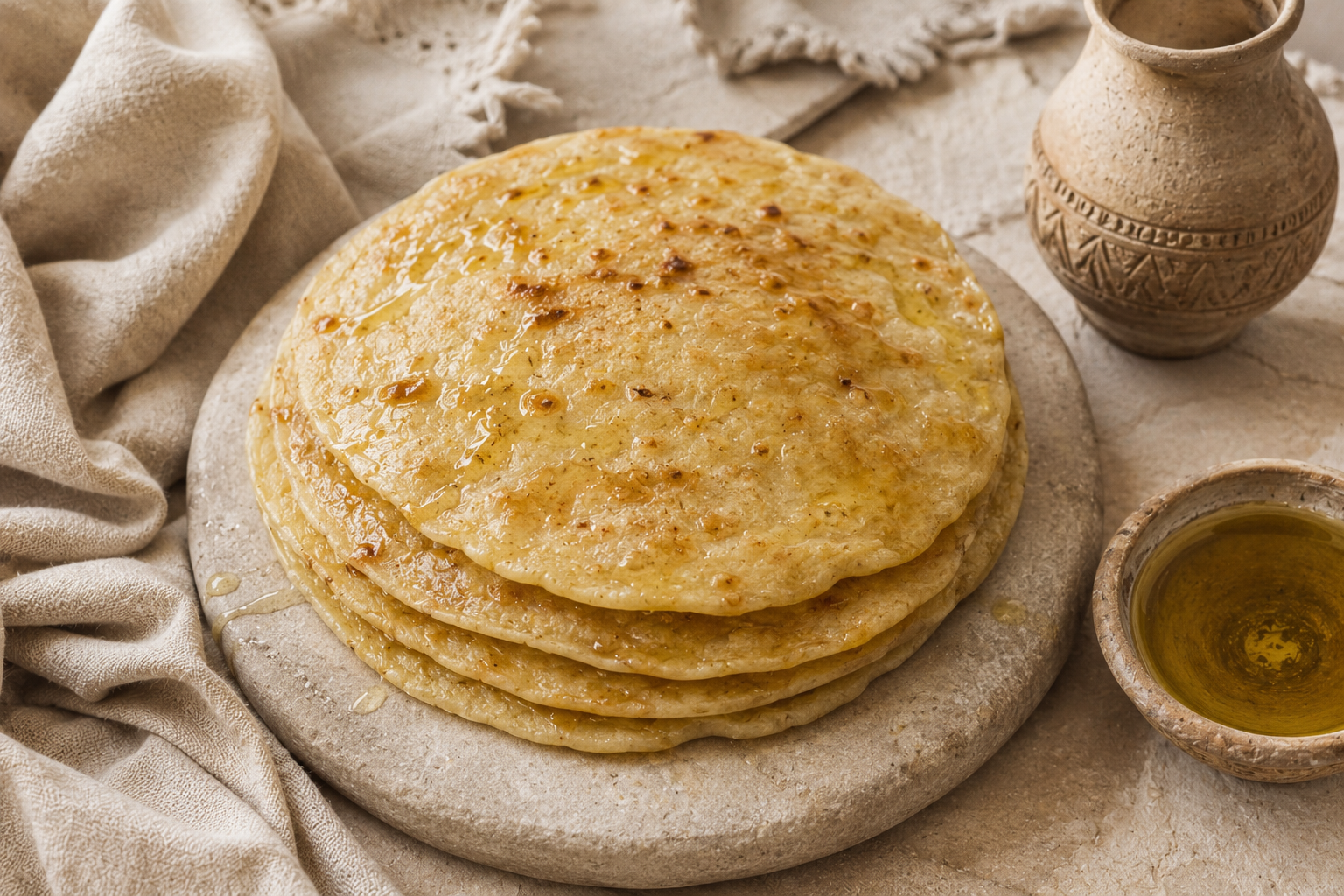
A thin cake of fine flour kneaded with olive oil, perfumed with a hint of frankincense (olibanum) and a veil of dvash, baked on a hot stone. Sober, luminous, slightly sweet-savory. Presented here as a culinary evocation, not a reproduction of a sacred rite.
From the depths of Sheol I cried, and His voice heard me; so I swore: what I have vowed, I will fulfill. Here then is the thank offering, not of blood, but the finest flour kneaded with pure oil, as prescribed. Take the finest grind, pour in the fresh oil, place a grain of frankincense and a tear of date honey, then bake it on the hot stone. This is not a feast, it is a thank-you spoken in a low voice — for he who has been restored to life has nothing too fine for the One who saved him.
- •Solet (fine wheat flour) — two handfuls (base of the offering)
- •Olive oil — generously (kneading and anointing)
- •Dvash (date syrup) — a tear (signature sweetness)
- •Frankincense / olibanum (aromatic evocation) — a tiny pinch (symbolic ritual perfume)
- •Salt — a pinch (the "salt of the covenant")
Minchat solet — offering cake with fine flour and oil (inspired by the minchah)
A thin cake of fine flour kneaded with olive oil, perfumed with a hint of frankincense (olibanum) and a veil of dvash, baked on a hot stone. Sober, luminous, slightly sweet-savory. Presented here as a culinary evocation, not a reproduction of a sacred rite.
Why this dish? Prophet of the Lord, Jonah lives in a world punctuated by offerings at the Temple. In chapter 2, from the belly of the fish, he promises to offer a sacrifice of thanksgiving. The minchah, an offering of fine flour and oil, is the non-bloody tribute par excellence: the bread returned to God for having been spared.
From the depths of Sheol I cried, and His voice heard me; so I swore: what I have vowed, I will fulfill. Here then is the thank offering, not of blood, but the finest flour kneaded with pure oil, as prescribed. Take the finest grind, pour in the fresh oil, place a grain of frankincense and a tear of date honey, then bake it on the hot stone. This is not a feast, it is a thank-you spoken in a low voice — for he who has been restored to life has nothing too fine for the One who saved him.
Ingredients (period version)
- Solet (fine wheat flour) — two handfuls (base of the offering)
- Olive oil — generously (kneading and anointing)
- Dvash (date syrup) — a tear (signature sweetness)
- Frankincense / olibanum (aromatic evocation) — a tiny pinch (symbolic ritual perfume)
- Salt — a pinch (the "salt of the covenant")
Ingredients
- Very fine wheat flour (T45 or fine semolina) — 200 g (base)
- Olive oil — 5 tbsp (binder and flavour)
- Date syrup (silan) — 1 tbsp (sweetness)
- Orange blossom water or pinch of mastic (replaces frankincense, edible) — 1 dash / 1 pinch (aromatic note)
- Salt — 1 pinch (symbolic seasoning)
- Warm water — 60–80 ml (kneading)
Method
- Mix the flour and salt, make a well.
- Pour in the olive oil, date syrup, and aromatic note (crushed mastic or orange blossom water), then gradually add the warm water.
- Knead into a smooth, supple dough; let rest for 15 minutes under a cloth.
- Roll out into thin cakes and brush with oil.
- Cook on a very hot stone or griddle for 2–3 minutes per side, until lightly golden. Serve warm, drizzled with oil.
How it was made : The minchah, described in Leviticus, was an offering of fine flour (solet) kneaded with olive oil and accompanied by frankincense, presented at the sanctuary; salt was mandatory ("salt of the covenant") and honey was forbidden on the altar. It was baked in an oven, on a griddle, or in a pan. Out of respect, the rite is not reproduced here: this is a cake inspired by that tradition, freely sweetened with date syrup for the table.
The contemporary twist : Served as mini warm cakes with a bowl of labneh and new olive oil, the "offering" becomes a convivial sharing at the start of a meal — spirituality turned into hospitality.
Sources : Leviticus 2 (law of the grain offering, minchah) · Book of Jonah 2:9–10 (vow of thanksgiving sacrifice) · Nathan MacDonald, What Did the Ancient Israelites Eat?, Eerdmans, 2008
Jonas · Charactorium