 flip
flipHoney Water with Hyssop
Honey Water with Hyssop
Why this dish? The Rule grants sick sisters what the common table refuses. Beatrice, whose Vita recounts the fervors and collapses of a body exhausted by asceticism, was likely treated in the infirmary with such drinks sweetened with honey from the monastery's hives—the same hives that supplied wax for the altar candles.
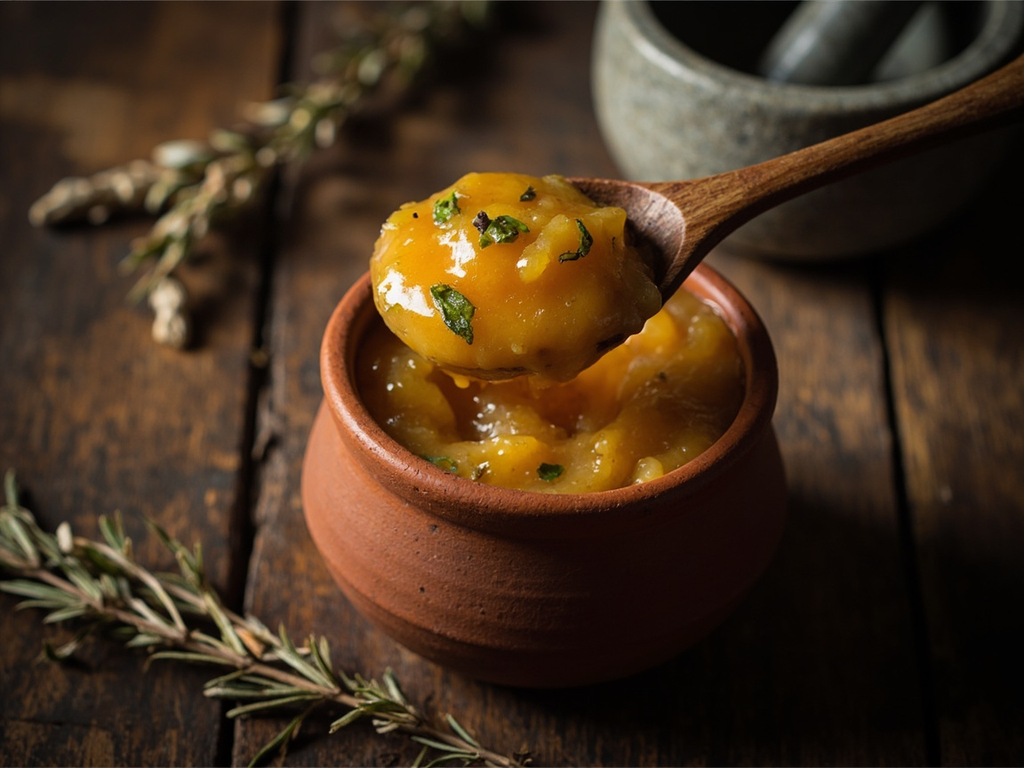
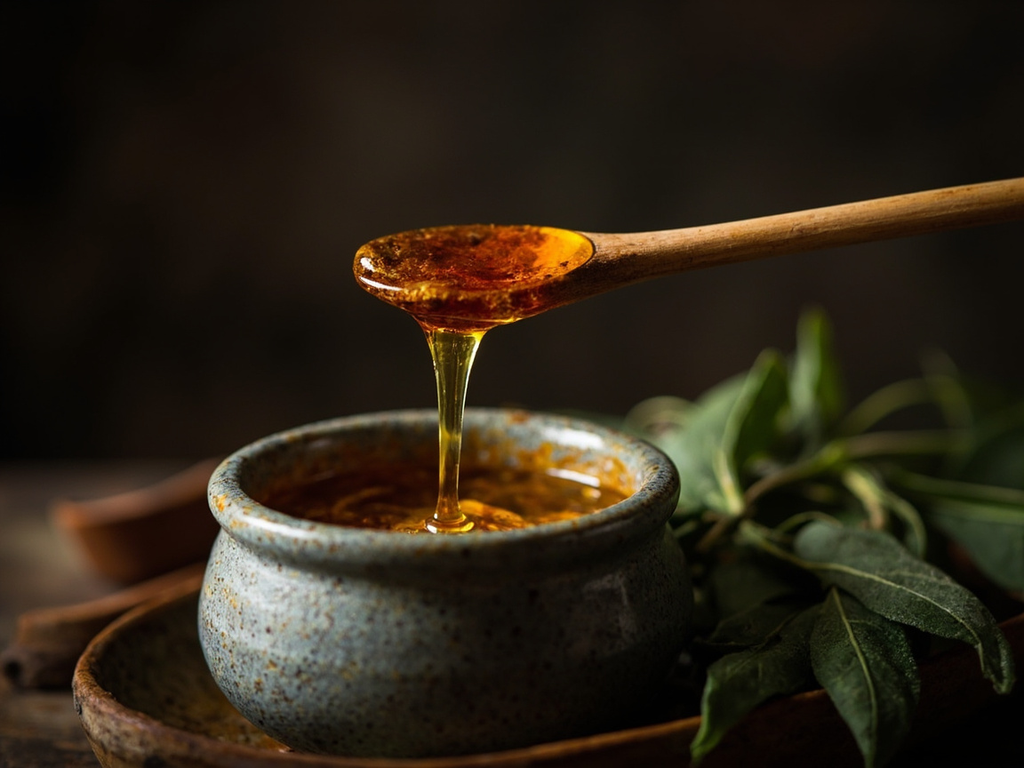
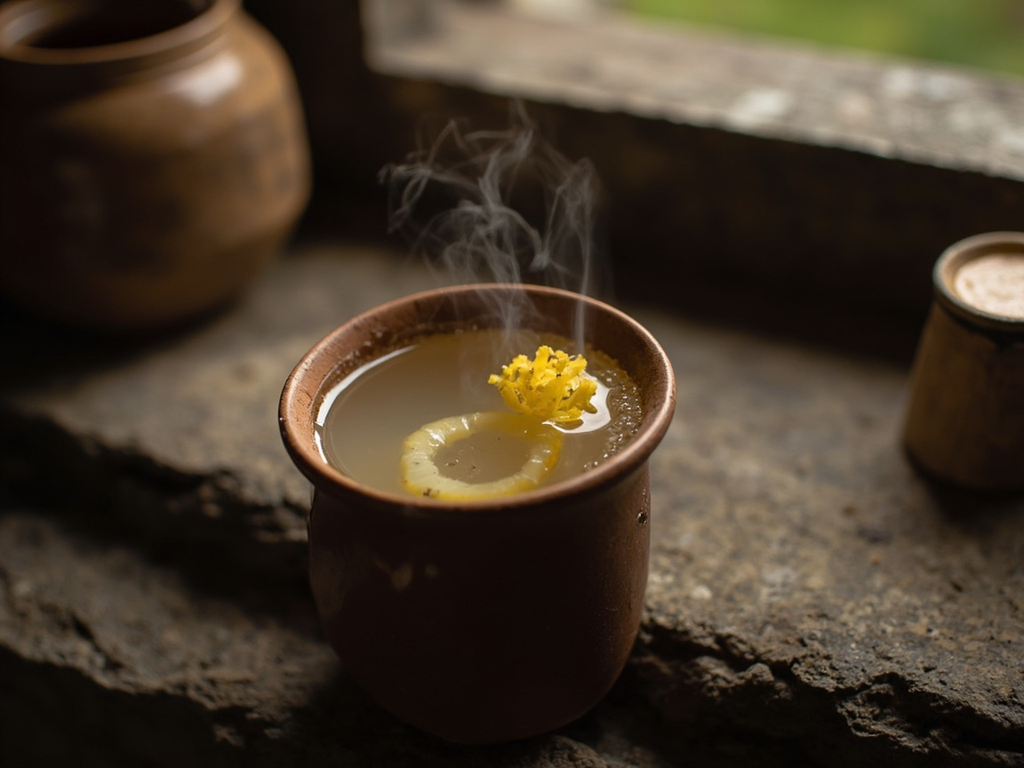
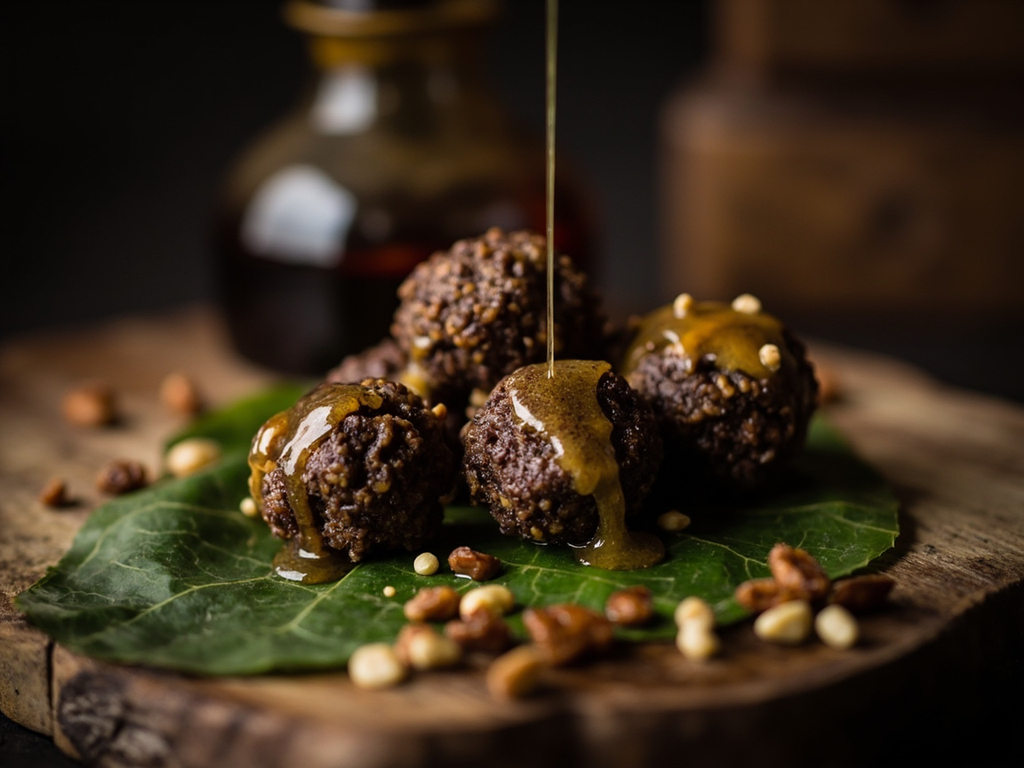
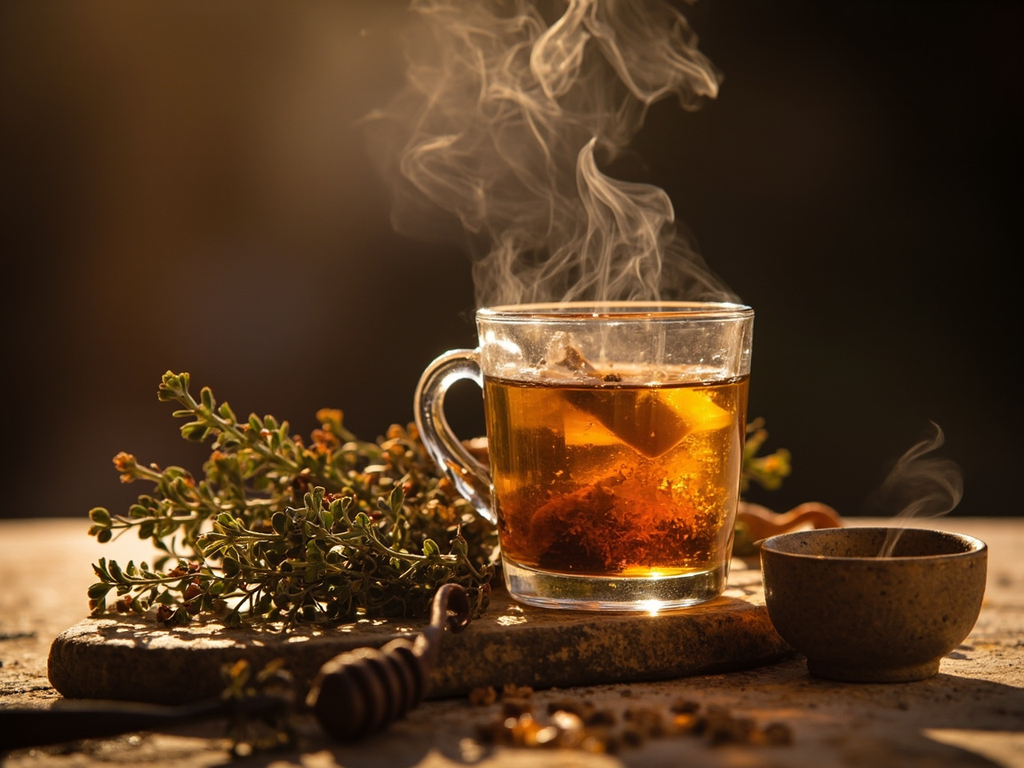
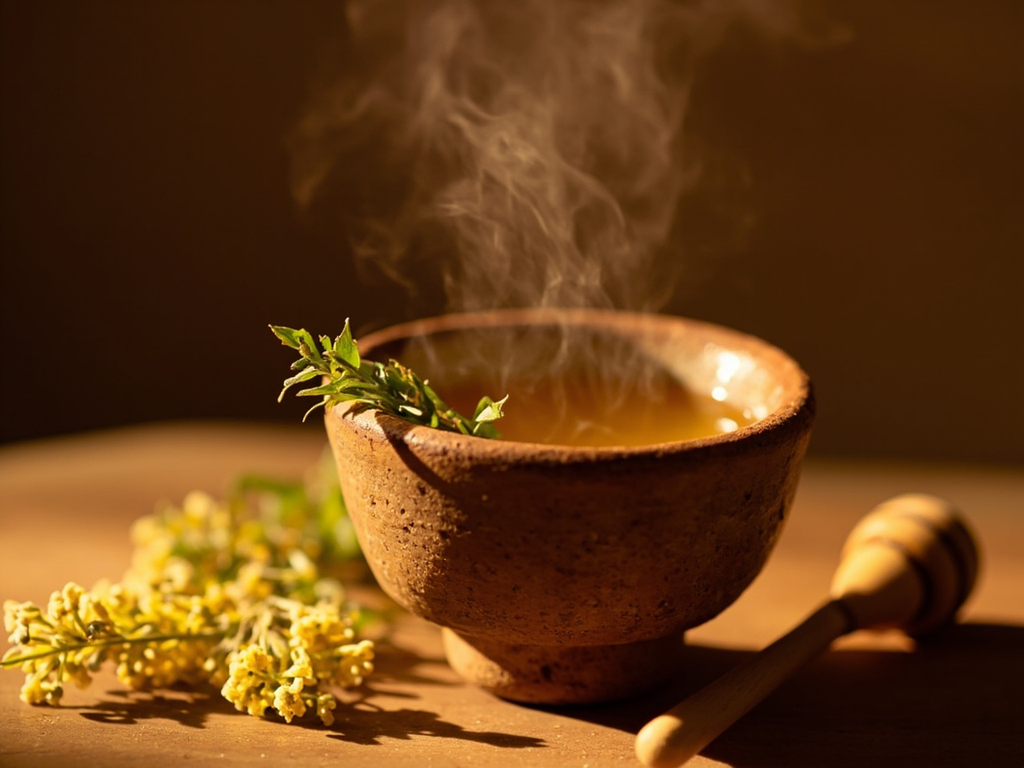
A warm decoction of water, honey, and hyssop from the cloister, laced with a splash of wine. The bittersweet comfort brought to bedridden sisters to soothe cough and fatigue.
When the body weakens under fasting and vigil—and mine has often failed—the infirmary sister brought me this drink. She would boil water with hyssop from our garden, melt the honey from our bees, those same bees whose wax lights the altar, and pour a finger of wine to warm the blood. It is sweet at first, then the herb bites and clears the chest. Drink it warm, my child, and do not think it a sin: charity requires that we sustain the flesh to better serve the soul.
- •Cloister hyssop — a small handful (medicinal herb, bitterness)
- •Honey from the hives — two spoonfuls (sweetness and soothing)
- •Water — a bowl (base)
- •Wine — a finger (comfort, preservation)
Honey Water with Hyssop
A warm decoction of water, honey, and hyssop from the cloister, laced with a splash of wine. The bittersweet comfort brought to bedridden sisters to soothe cough and fatigue.
Why this dish? The Rule grants sick sisters what the common table refuses. Beatrice, whose Vita recounts the fervors and collapses of a body exhausted by asceticism, was likely treated in the infirmary with such drinks sweetened with honey from the monastery's hives—the same hives that supplied wax for the altar candles.
When the body weakens under fasting and vigil—and mine has often failed—the infirmary sister brought me this drink. She would boil water with hyssop from our garden, melt the honey from our bees, those same bees whose wax lights the altar, and pour a finger of wine to warm the blood. It is sweet at first, then the herb bites and clears the chest. Drink it warm, my child, and do not think it a sin: charity requires that we sustain the flesh to better serve the soul.
Ingredients (period version)
- Cloister hyssop — a small handful (medicinal herb, bitterness)
- Honey from the hives — two spoonfuls (sweetness and soothing)
- Water — a bowl (base)
- Wine — a finger (comfort, preservation)
Ingredients
- Dried hyssop (or thyme as substitute) — 1 tsp (aromatic herb)
- Multifloral honey — 2 tsp (sweetness)
- Water — 250 ml (base)
- Sweet white wine (optional, for adults) — 1 tbsp (roundness)
Method
- Bring water to a simmer, add hyssop, cover, and steep 8 min.
- Strain, let cool until finger-warm.
- Dissolve honey in the still-warm infusion (never boiling, to preserve it).
- Add the splash of wine if desired, and drink in small sips.
- For children and teetotalers: omit the wine.
How it was made : Hyssop, a plant of monastic 'physic gardens', is mentioned in the Psalms ('Asperges me hyssopo') and was considered expectorant. Honey, the only sweetener before refined cane sugar, served both as food and as a medicinal base. Abbey infirmaries preserved these knowledges inherited from Hildegard of Bingen and Latin herbals.
The contemporary twist : Chilled summer version: let cool, add a slice of pear and ice cubes—a 'monastic lemonade' without citrus.
Sources : Hildegard of Bingen, Physica (12th c.) · Vita Beatricis (13th c.)
Beatrice of Nazareth · Charactorium