 flip
flipAcqua d'orzo — Barley Water for the Sick
Acqua d'orzo — Barley Water for the Sick
Why this dish? Clare was often ill and bedridden during the last twenty-eight years of her life, due to excessive fasting; Francis himself had to order her to eat to preserve her health. Barley water — the "tisane" of medieval physicians — was the sweet comfort given to weakened bodies.
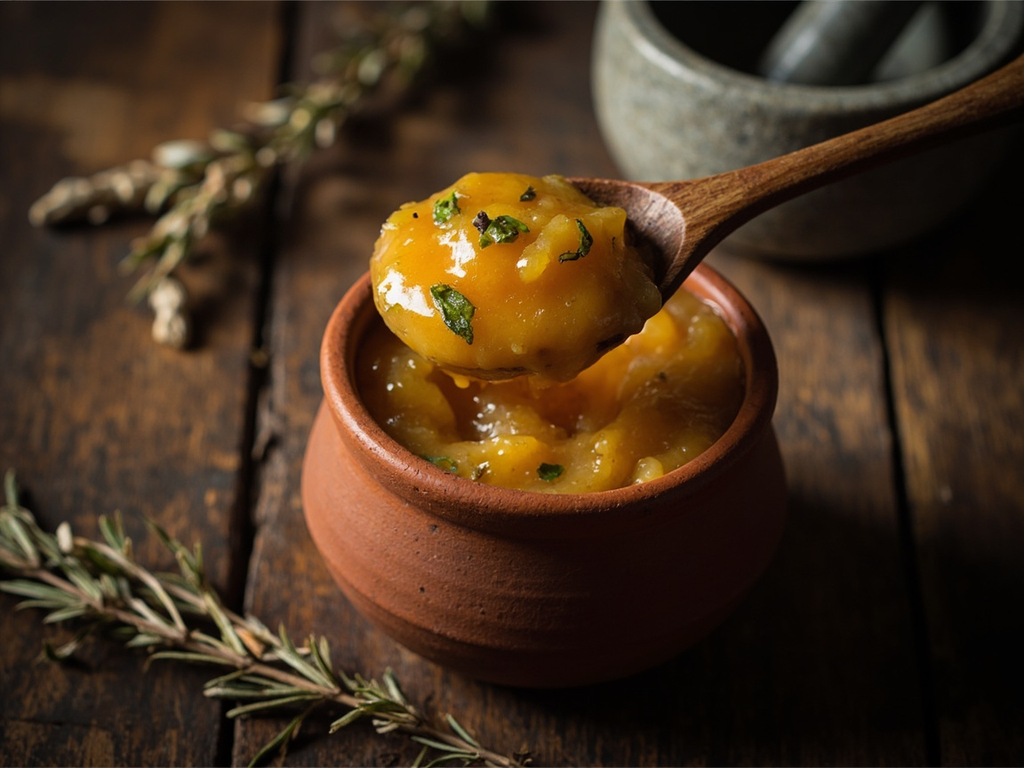
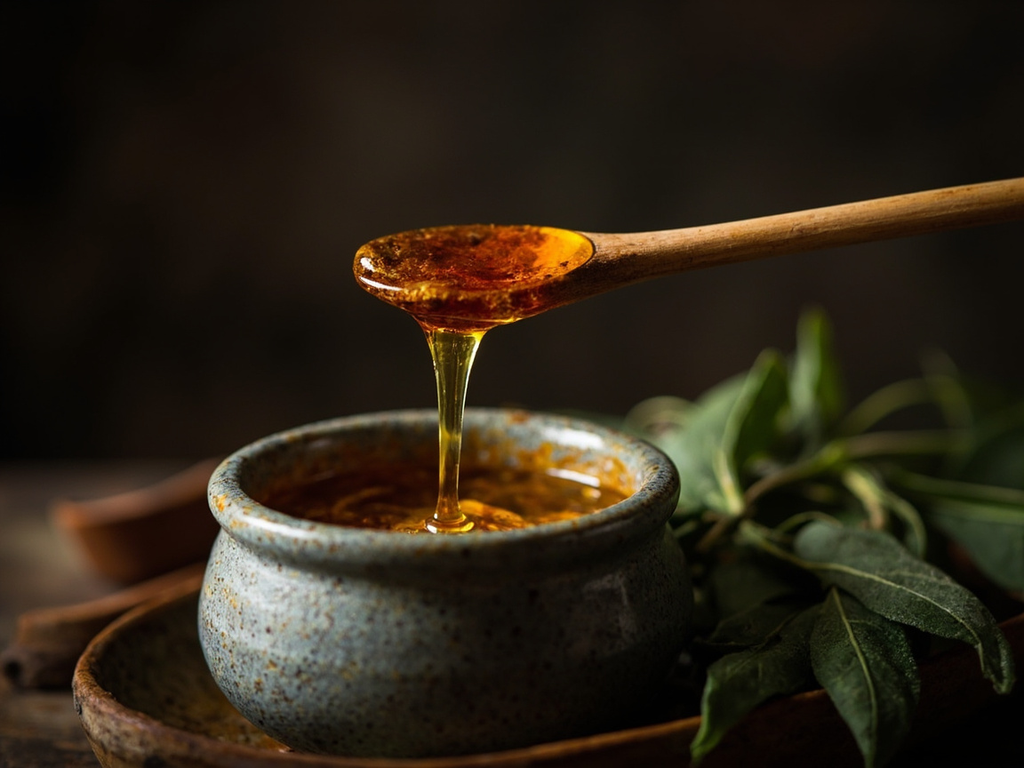
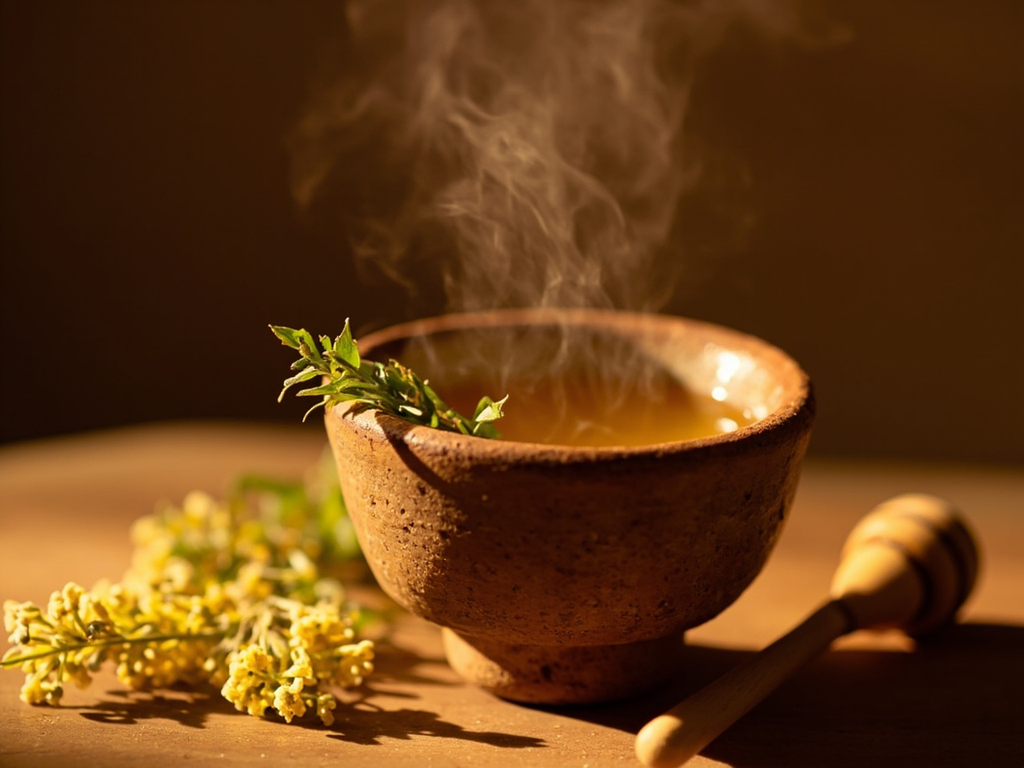
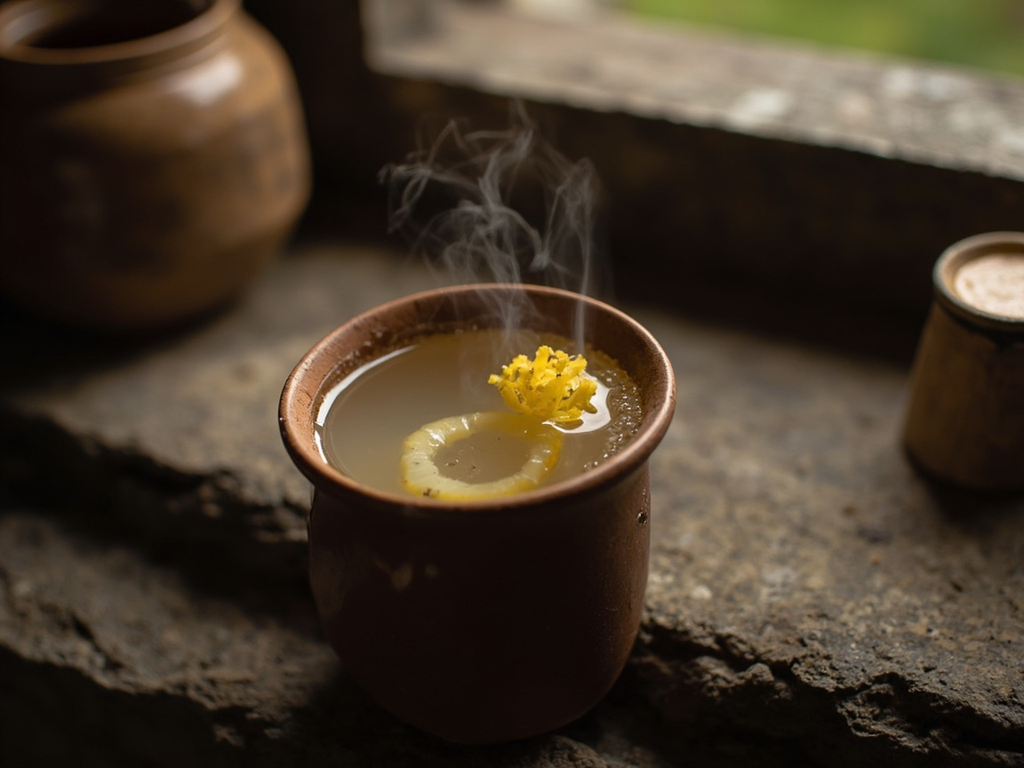
A warm barley decoction, clear and slightly pearly, barely sweetened with a little honey and scented with lemon peel. Restorative and soothing, it is the drink brought to one who can no longer swallow solid food.
Do not worry for me, my daughter, but since Brother Francis has commanded it, I will drink. Boil the barley long in water, until it yields all its sweetness, then strain the broth through a clean cloth. A tear of honey, a zest for scent, and bring it to me warm. I have asked too much of this poor body; they say it must be spared a little to serve God a while longer.
- •Pearled barley — a handful (base of the medicinal decoction)
- •Spring water — a full pot (carrier)
- •Honey — a spoonful (sweetness and comfort)
- •Lemon or citron peel — a shaving (scent (citrus known in medieval Italy))
Acqua d'orzo — Barley Water for the Sick
A warm barley decoction, clear and slightly pearly, barely sweetened with a little honey and scented with lemon peel. Restorative and soothing, it is the drink brought to one who can no longer swallow solid food.
Why this dish? Clare was often ill and bedridden during the last twenty-eight years of her life, due to excessive fasting; Francis himself had to order her to eat to preserve her health. Barley water — the "tisane" of medieval physicians — was the sweet comfort given to weakened bodies.
Do not worry for me, my daughter, but since Brother Francis has commanded it, I will drink. Boil the barley long in water, until it yields all its sweetness, then strain the broth through a clean cloth. A tear of honey, a zest for scent, and bring it to me warm. I have asked too much of this poor body; they say it must be spared a little to serve God a while longer.
Ingredients (period version)
- Pearled barley — a handful (base of the medicinal decoction)
- Spring water — a full pot (carrier)
- Honey — a spoonful (sweetness and comfort)
- Lemon or citron peel — a shaving (scent (citrus known in medieval Italy))
Ingredients
- Pearled barley — 80 g (tisane base)
- Water — 1.5 liters (decoction)
- Honey — 1 to 2 tsp (sweeten)
- Unwaxed lemon zest — 1 strip (scent)
Method
- Rinse the barley in cold water.
- Bring the water to a boil, add the barley and lemon zest, reduce heat, and simmer covered for 40 minutes.
- Strain through a cloth or fine sieve, keeping only the pearly liquid (save the cooked barley for soup).
- Let cool slightly, then stir in the honey off the heat to preserve its aroma.
- Drink warm, in small sips; keeps for a day in the fridge.
How it was made : Barley water (from Greek *ptisanê*) runs through all ancient and medieval medicine, from Hippocrates to the Salerno School: it was given to the feverish and convalescent to "cool" and gently nourish. Honey, the only sweetener available before refined cane sugar, made it both a remedy and a drink. Convent infirmaries commonly prepared it.
The contemporary twist : Served chilled with plenty of zest and a mint leaf, this *acqua d'orzo* becomes a refreshing medieval "orgeat," a distant ancestor of our orgeat syrups.
Sources : Regimen sanitatis Salernitanum (School of Salerno, 12th-13th c.) · Légende de sainte Claire (Legenda Sanctae Clarae Virginis), 1255
Clare of Assisi · Charactorium