 flip
flipHypocras of Saintonge Wine
Hypocras of Saintonge Wine
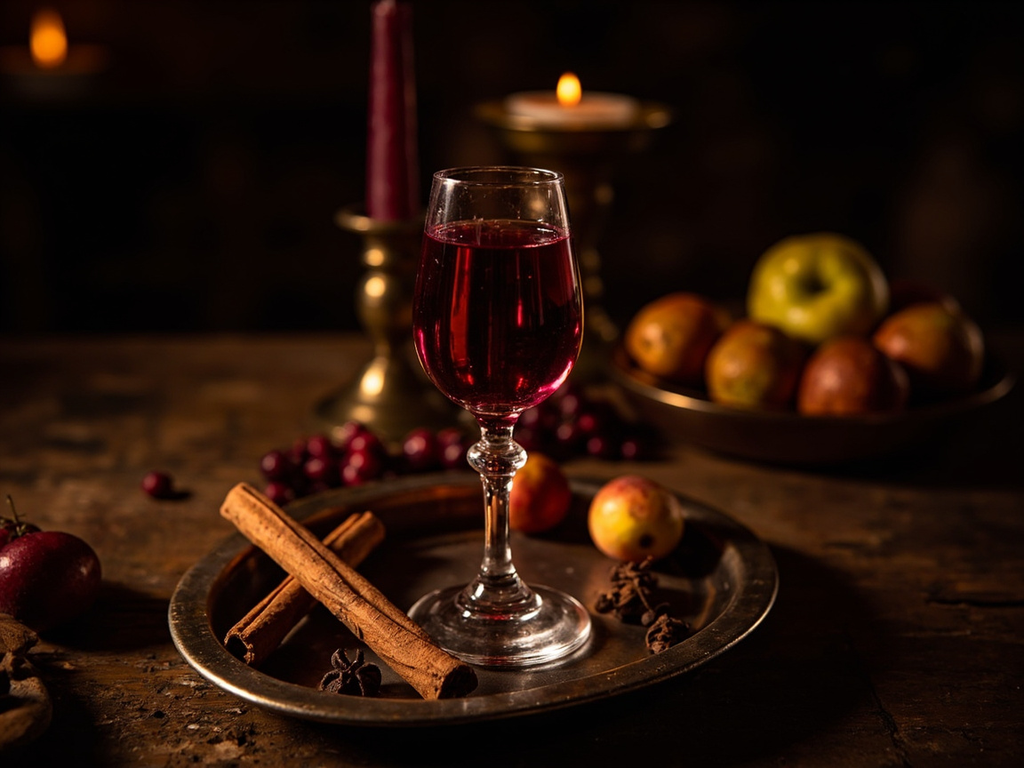
Why this dish? In the vineyards of his native Saintonge and at the tables where he feasted, wine held a place of honor. Hypocras, a sweetened and spiced wine served at the end of the meal, was the ceremonial drink of gentlemen — one that closes a banquet or seals a truce.
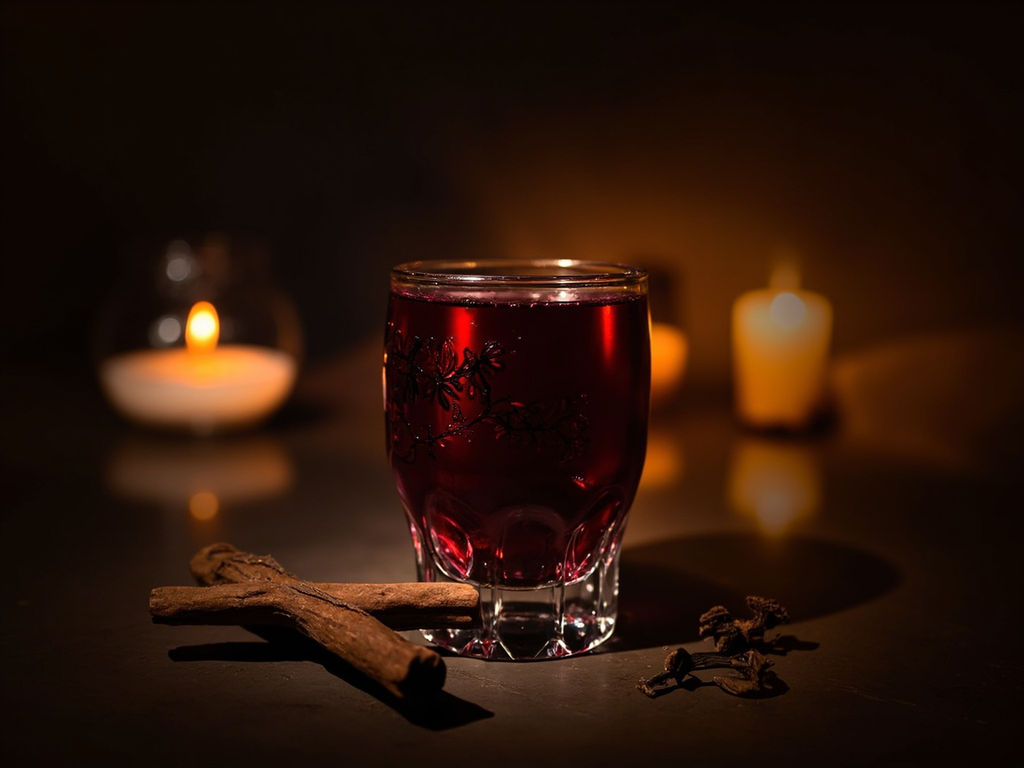
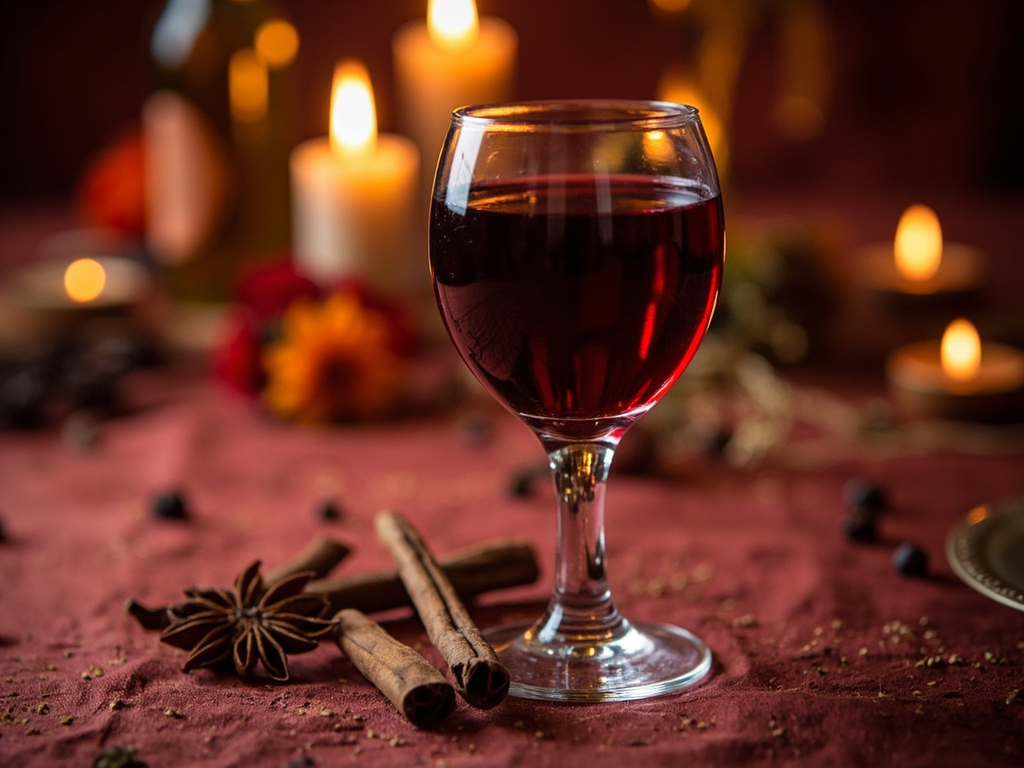
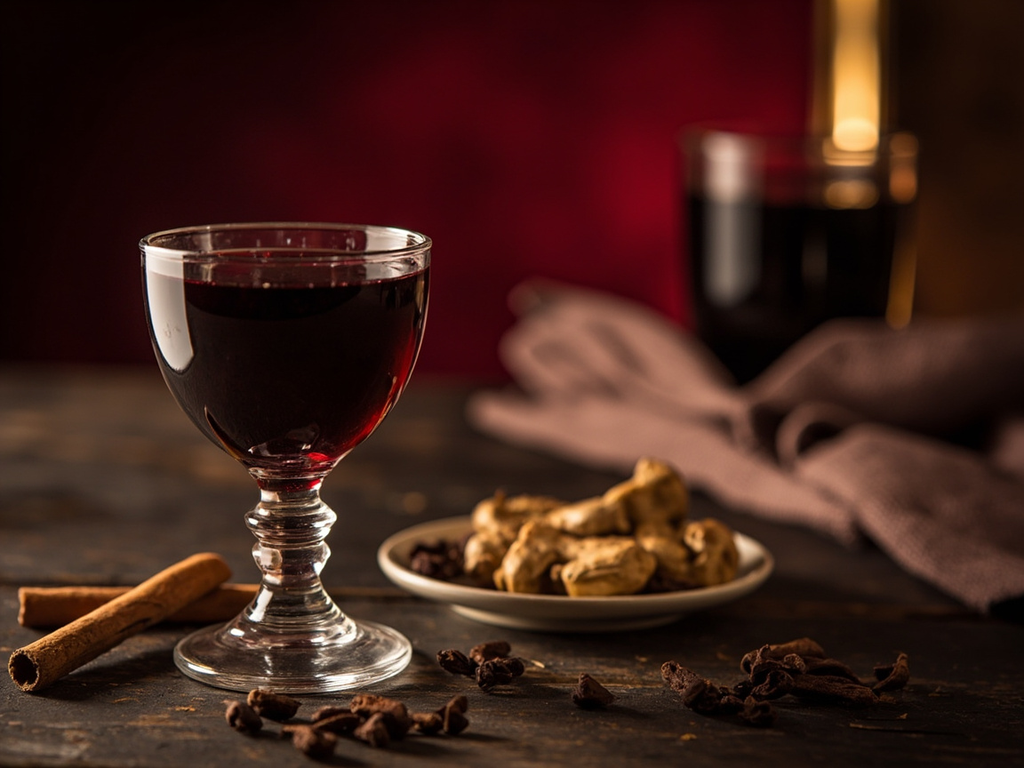
A warm wine perfumed with spices and sweetened with sugar, then filtered, served at the meal's conclusion. Aromatic and warming, it is the noble digestif of the Renaissance.
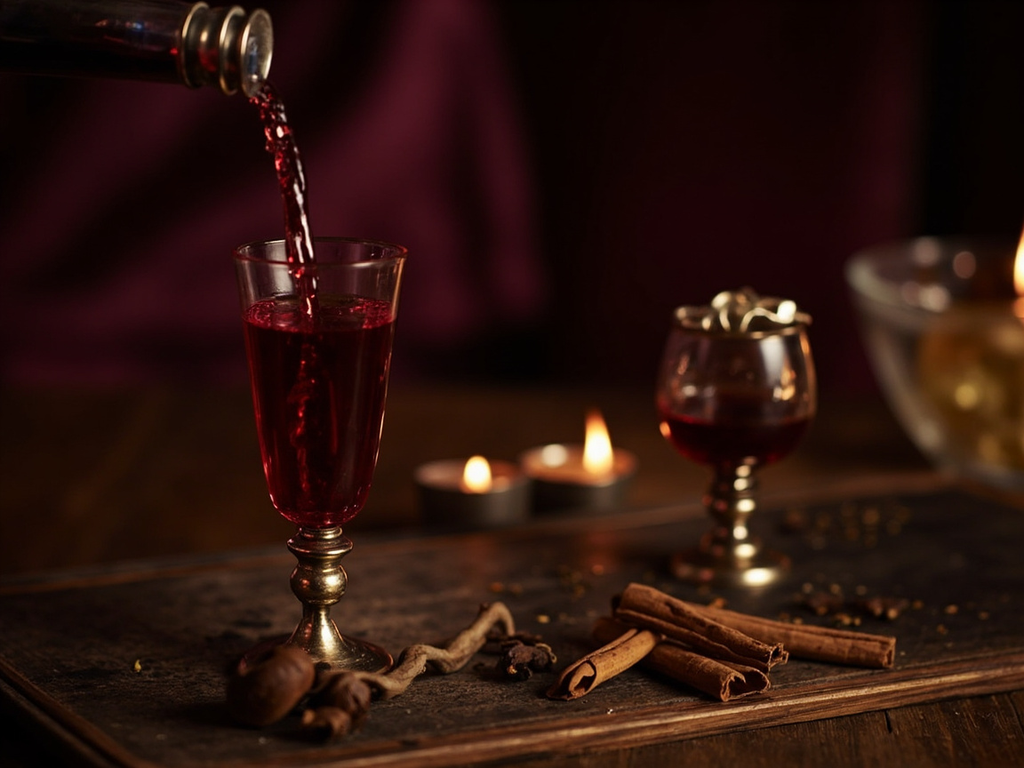
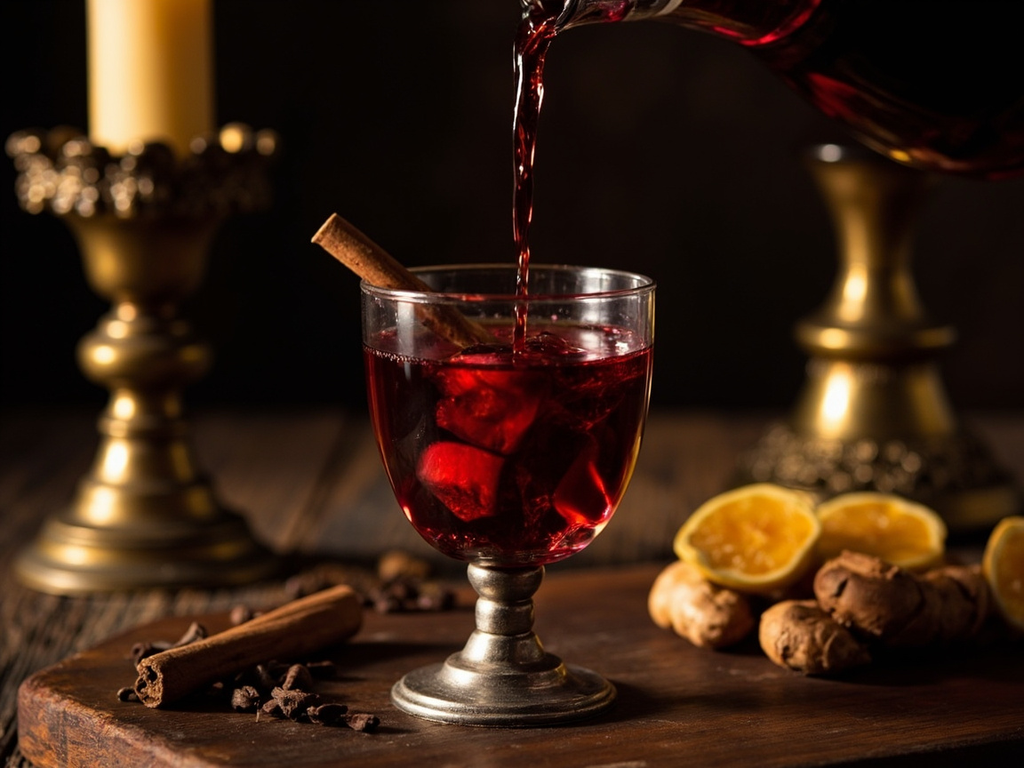
When the roast is cleared and it is time to close the table in honest company, one pours the hypocras. Take good wine from our hillsides, throw in cinnamon, ginger, and a little sugar, and let the spices steep before straining everything through the hypocras bag. It is a drink for people of quality, which warms the stomach and loosens tongues — I have seen it soothe tempers more rebellious than my own, and God knows if mine is harsh.
- •Wine of Saintonge — a pint (base)
- •Cinnamon — one stick (master spice)
- •Ginger — a piece (spice)
- •Sugar (or honey) — to taste (sweetness)
- •Clove, grains of paradise — a pinch (spice)
Hypocras of Saintonge Wine
A warm wine perfumed with spices and sweetened with sugar, then filtered, served at the meal's conclusion. Aromatic and warming, it is the noble digestif of the Renaissance.
Why this dish? In the vineyards of his native Saintonge and at the tables where he feasted, wine held a place of honor. Hypocras, a sweetened and spiced wine served at the end of the meal, was the ceremonial drink of gentlemen — one that closes a banquet or seals a truce.
When the roast is cleared and it is time to close the table in honest company, one pours the hypocras. Take good wine from our hillsides, throw in cinnamon, ginger, and a little sugar, and let the spices steep before straining everything through the hypocras bag. It is a drink for people of quality, which warms the stomach and loosens tongues — I have seen it soothe tempers more rebellious than my own, and God knows if mine is harsh.
Ingredients (period version)
- Wine of Saintonge — a pint (base)
- Cinnamon — one stick (master spice)
- Ginger — a piece (spice)
- Sugar (or honey) — to taste (sweetness)
- Clove, grains of paradise — a pinch (spice)
Ingredients
- Fruity red wine — 75 cl (base)
- Cinnamon stick — 1 (master spice)
- Fresh ginger — 4 slices (spice)
- Sugar or honey — 60 to 80 g (sweetness)
- Cloves — 3 (spice)
- Grated nutmeg — 1 pinch (spice)
Method
- Pour the wine into a saucepan with the sugar or honey and heat gently without boiling.
- Add the cinnamon, ginger, cloves, and nutmeg.
- Infuse over very low heat for 15-20 minutes, stirring to dissolve the sugar.
- Strain carefully through a fine cloth (the famous 'hypocras bag') to remove all spices.
- Serve warm in cups, at the end of the meal.
How it was made : Hypocras is one of the best-documented drinks of medieval and Renaissance cuisine (Le Ménagier de Paris, Platine). It was filtered through a conical cloth bag called 'Hippocrates' sleeve', hence its name. Sugar, still expensive, made it a prestige beverage.
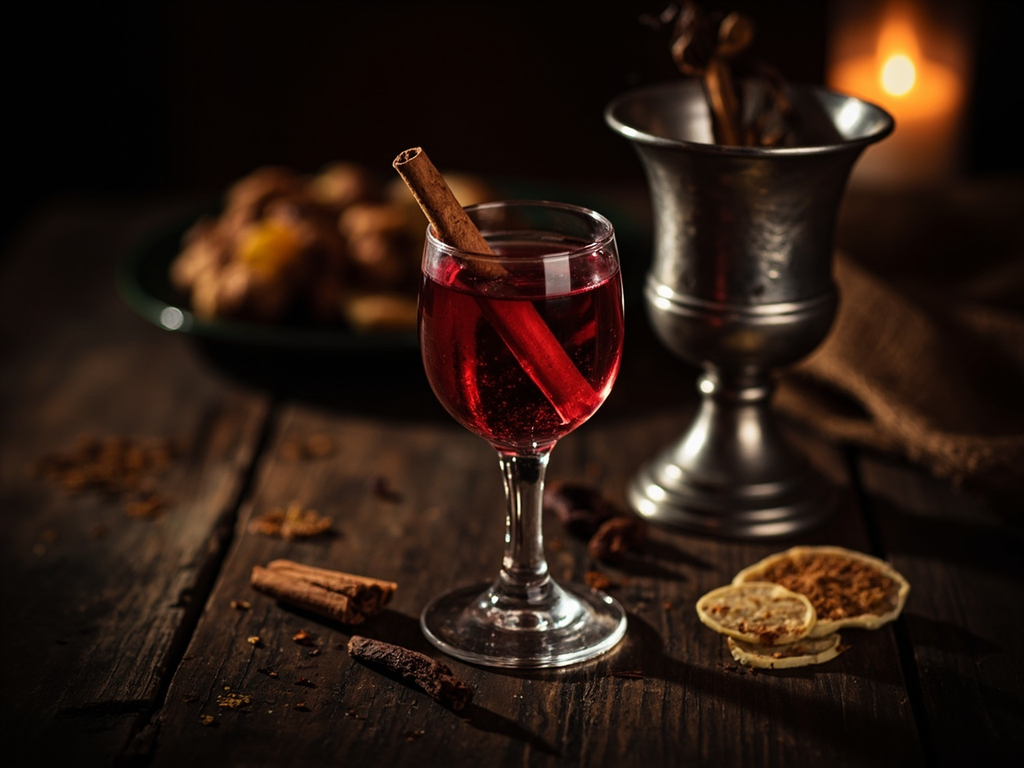
The contemporary twist : Served chilled in summer in small glasses with an orange zest, hypocras becomes a spiced aperitif that always surprises guests.
Sources : Le Ménagier de Paris (c. 1393) · Platine, De honesta voluptate (15th century)
Agrippa d'Aubigné · Charactorium