 flip
flipTzoalli of Tlaloc (Amaranth Paste with Maguey Honey)
Tzoalli of Tlaloc (Amaranth Paste with Maguey Honey)
Why this dish? Offerings to Tlaloc, god of rain and the waters where the Ahuizotl roams, are named in the very anchor of the character. The toasted amaranth paste, shaped into mountains and figures, was placed on altars for this lake god — exactly the monster's domain.
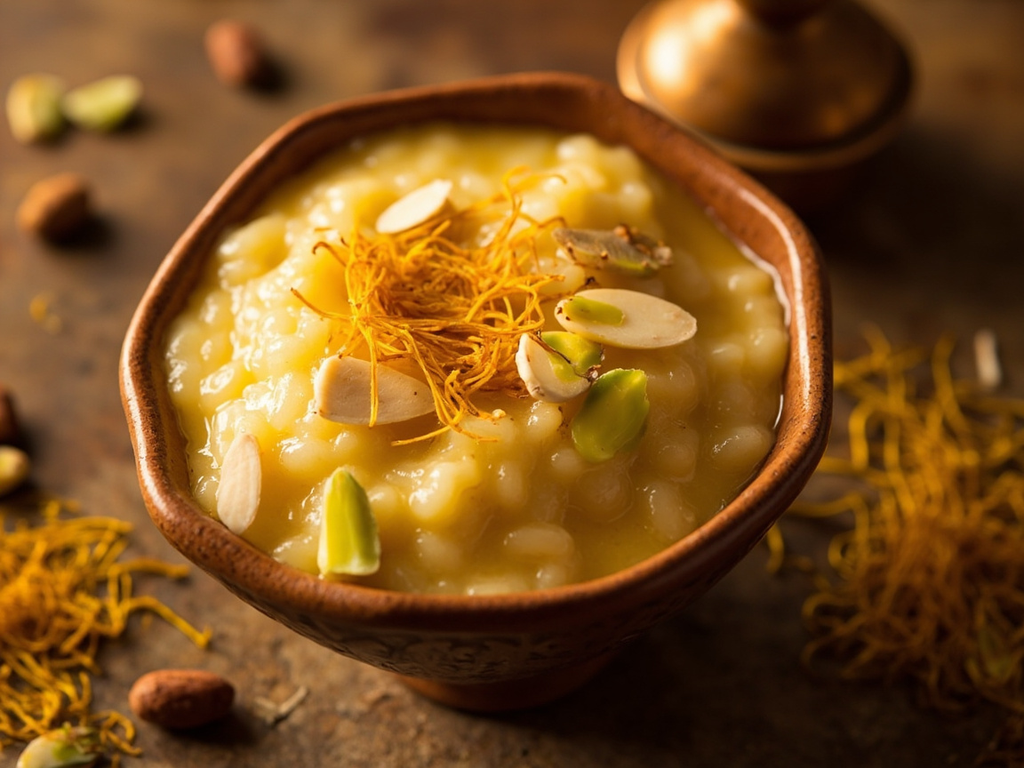
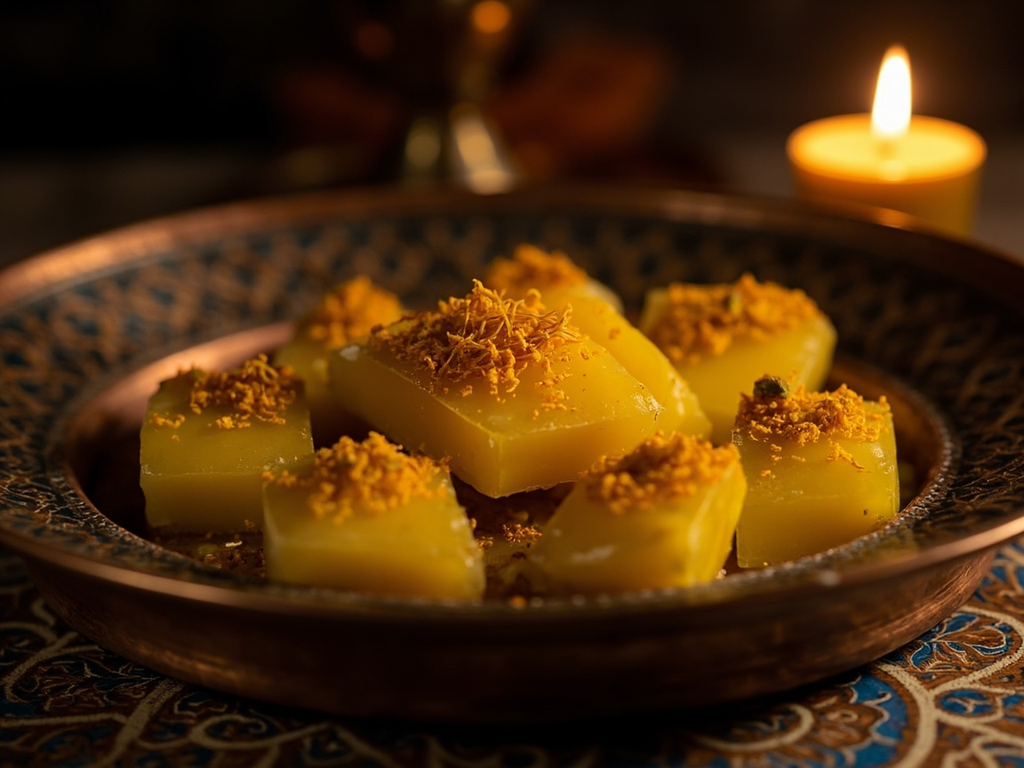
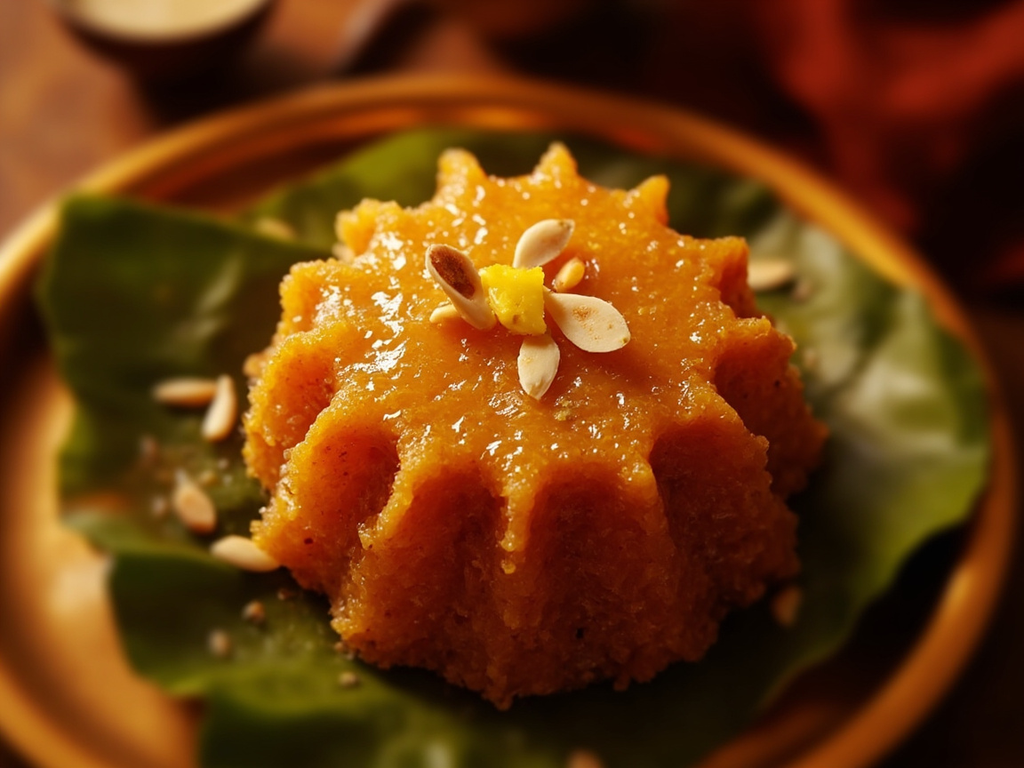
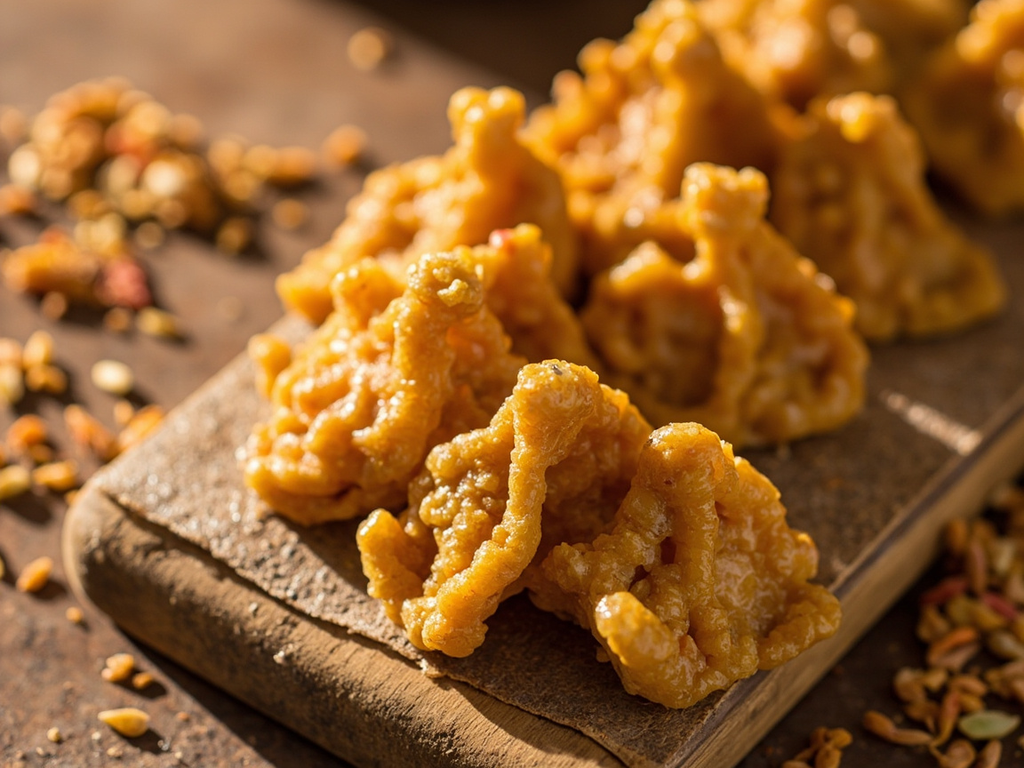
Huauhtli (amaranth seeds) toasted until they pop, bound with thick maguey honey and pressed into figures and small mountains for offerings. Crunchy, sweet, melting: the direct ancestor of the Mexican 'alegría'. Presented here inspired by the practices, without reproducing a sacred ritual.
When the time comes to honor Tlaloc, who commands the rain and my lakes, we toast the huauhtli until it bursts like a shower of sparks. We bind it with the thick honey of the maguey, and shape it into mountains, figures, which we place on the altar. The sugar sticks to the fingers like the morning mist clings to the surface of my water.
- •Huauhtli (amaranth seeds) — several handfuls (puffed base)
- •Maguey honey (reduced aguamiel) or melipona bee honey — enough to bind (sweet binder)
Tzoalli of Tlaloc (Amaranth Paste with Maguey Honey)
Huauhtli (amaranth seeds) toasted until they pop, bound with thick maguey honey and pressed into figures and small mountains for offerings. Crunchy, sweet, melting: the direct ancestor of the Mexican 'alegría'. Presented here inspired by the practices, without reproducing a sacred ritual.
Why this dish? Offerings to Tlaloc, god of rain and the waters where the Ahuizotl roams, are named in the very anchor of the character. The toasted amaranth paste, shaped into mountains and figures, was placed on altars for this lake god — exactly the monster's domain.
When the time comes to honor Tlaloc, who commands the rain and my lakes, we toast the huauhtli until it bursts like a shower of sparks. We bind it with the thick honey of the maguey, and shape it into mountains, figures, which we place on the altar. The sugar sticks to the fingers like the morning mist clings to the surface of my water.
Ingredients (period version)
- Huauhtli (amaranth seeds) — several handfuls (puffed base)
- Maguey honey (reduced aguamiel) or melipona bee honey — enough to bind (sweet binder)
Ingredients
- Amaranth seeds — 100 g (base to pop)
- Thick agave syrup (or honey) — 80 g (sweet binder)
- Water — 1 tbsp (adjust syrup)
Method
- Pop the amaranth in small batches in a hot, dry skillet: the seeds puff in seconds, stir constantly to avoid burning.
- Gently heat the agave syrup with water until it flows slightly.
- Quickly mix the popped amaranth with the hot syrup off the heat.
- Press the mixture firmly into a mold or between two sheets (shape into small mountains or simple forms).
- Let cool and harden before unmolding and cutting.
How it was made : Sahagún describes tzoalli: toasted amaranth bound with honey (and sometimes maguey syrup) to mold images of deities, shared and consumed during certain festivals. The missionaries, troubled by this practice, temporarily suppressed amaranth cultivation. Out of respect, this recipe is inspired by it without reenacting any rite: we keep the technique and flavor, not the sacred gesture.
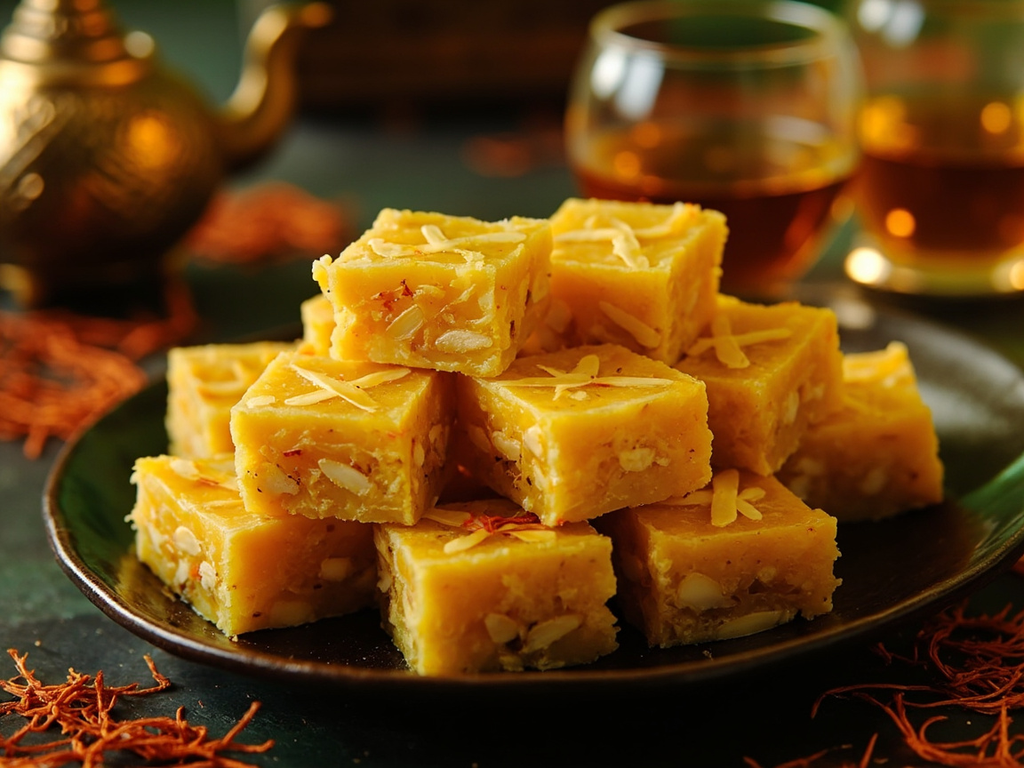
The contemporary twist : Pour the paste into bars and sprinkle with pumpkin seeds and chia: a 'lake alegría' to slip into a bag, direct heir of these offerings.
Sources : Bernardino de Sahagún, Historia general de las cosas de Nueva España (Codex de Florence), Book III
Ahuizotl · Charactorium