 flip
flipSikanjabīn — honey and vinegar syrup with mint
Sikanjabīn — honey and vinegar syrup with mint
Why this dish? Averroes was not only a philosopher: his great medical treatise, the Kitāb al-Kulliyāt (the "Colliget" of the Latins), follows the tradition of Galen. Oxymel (sikanjabīn), a mixture of honey and vinegar, was a classic remedy for cooling the humors, quenching the thirst of fever patients, and aiding digestion — exactly the kind of preparation a physician of his rank would prescribe.
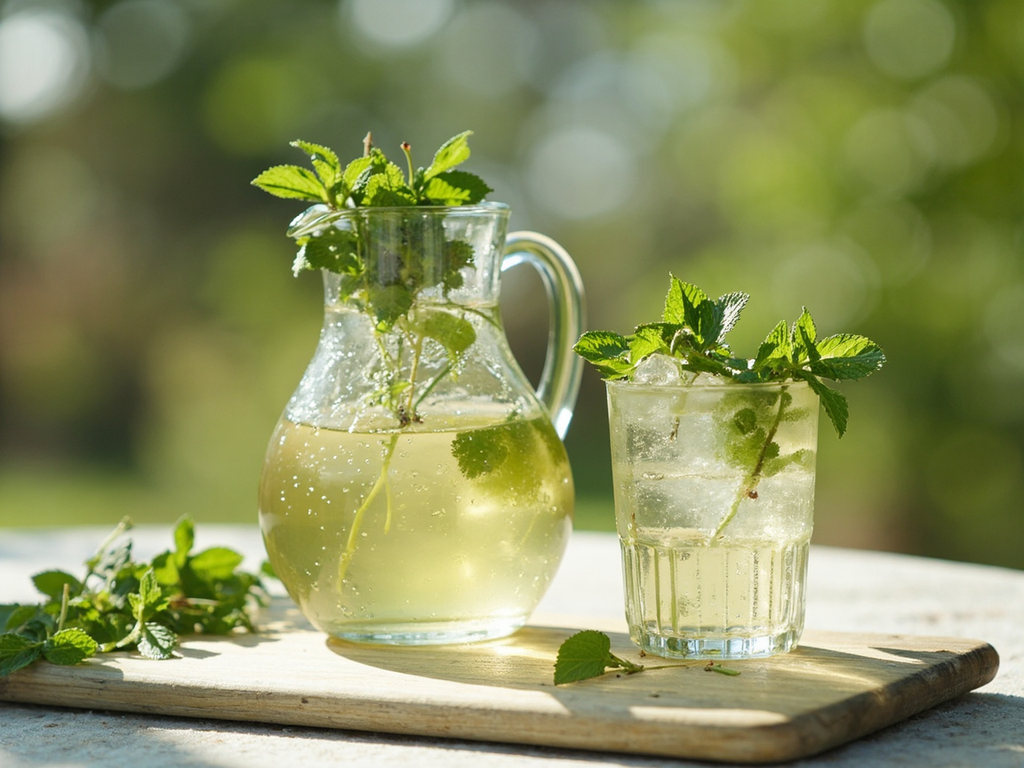
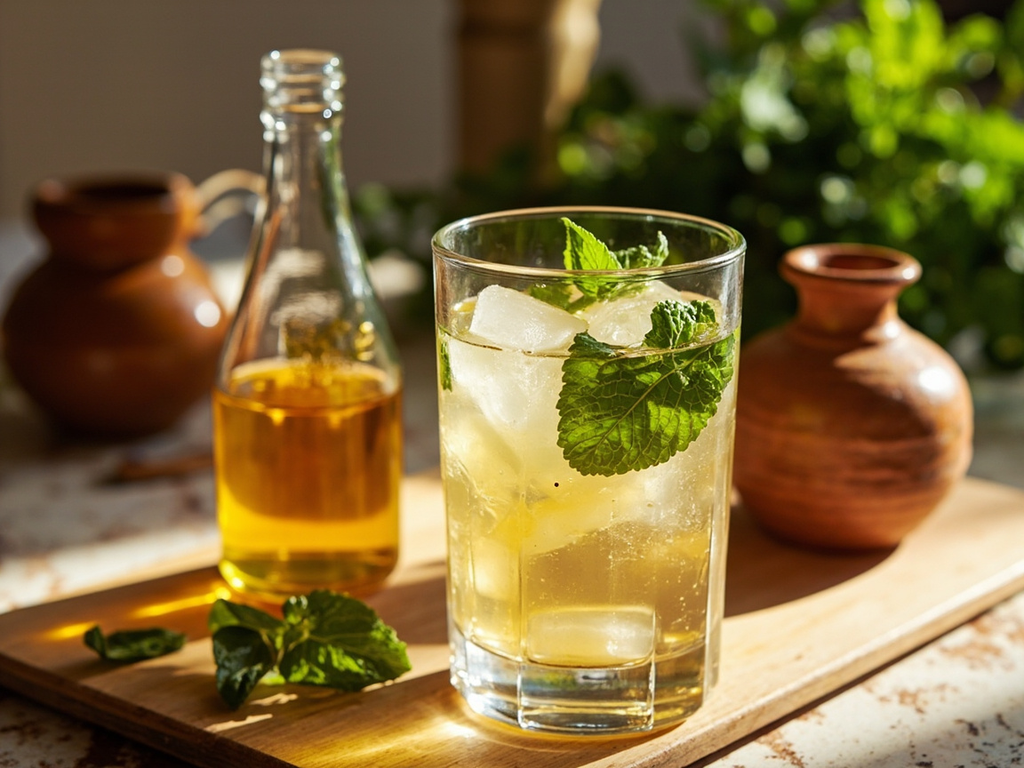
A sweet-and-sour syrup of honey and vinegar, infused with mint, diluted with cold water. Refreshing, sharp, both medicine and pleasure drink.
As a physician, I advise you to take sikanjabīn when the heat oppresses you or the stomach grows heavy, for vinegar tempers what is too hot in honey, and together they restore the balance of humors as Galen taught. One melts the honey, adds good vinegar, lets it reduce to a syrup, then throws in a few mint leaves. Keep it in a glass flask; when drinking, dilute a spoonful in cool well water. Thus remedy becomes pleasure, and moderation, health.
- •Honey — two parts (sweetness, syrup base)
- •Vinegar (wine) — one part (acidity, cooling virtue)
- •Fresh mint — a few sprigs (aroma)
- •Cold water — to dilute at serving (drink)
Sikanjabīn — honey and vinegar syrup with mint
A sweet-and-sour syrup of honey and vinegar, infused with mint, diluted with cold water. Refreshing, sharp, both medicine and pleasure drink.
Why this dish? Averroes was not only a philosopher: his great medical treatise, the Kitāb al-Kulliyāt (the "Colliget" of the Latins), follows the tradition of Galen. Oxymel (sikanjabīn), a mixture of honey and vinegar, was a classic remedy for cooling the humors, quenching the thirst of fever patients, and aiding digestion — exactly the kind of preparation a physician of his rank would prescribe.
As a physician, I advise you to take sikanjabīn when the heat oppresses you or the stomach grows heavy, for vinegar tempers what is too hot in honey, and together they restore the balance of humors as Galen taught. One melts the honey, adds good vinegar, lets it reduce to a syrup, then throws in a few mint leaves. Keep it in a glass flask; when drinking, dilute a spoonful in cool well water. Thus remedy becomes pleasure, and moderation, health.
Ingredients (period version)
- Honey — two parts (sweetness, syrup base)
- Vinegar (wine) — one part (acidity, cooling virtue)
- Fresh mint — a few sprigs (aroma)
- Cold water — to dilute at serving (drink)
Ingredients
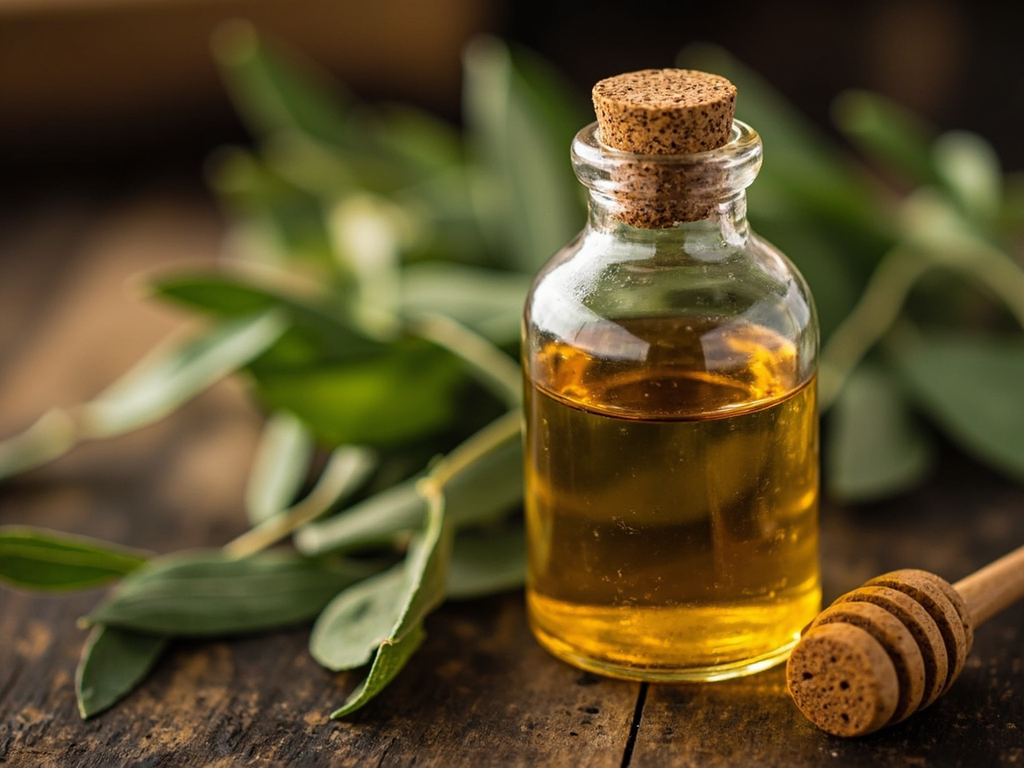
- Honey — 250 g (sweetness, syrup base)
- Wine vinegar (or cider vinegar) — 125 ml (acidity)
- Fresh mint — 1 large handful (aroma)
- Water — 100 ml for syrup + ice-cold water at serving (cooking and dilution)
Method
- Gently heat the honey with 100 ml water until fully dissolved.
- Add the vinegar and let it simmer for 10–15 minutes to obtain a slightly thick syrup.
- Remove from heat, add the mint to the hot syrup, and let it infuse until cool.
- Strain and store in a bottle in the fridge.
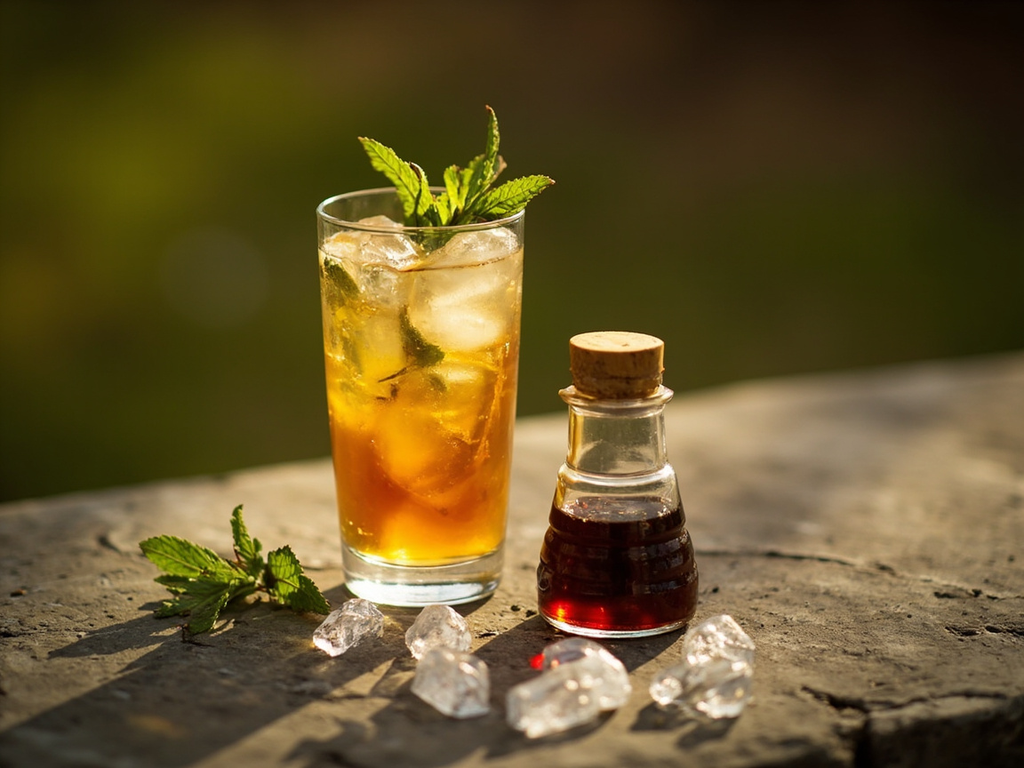
- To serve, dilute 1–2 tablespoons of syrup in a large glass of cold water with ice.
How it was made : The Greek oxymel became sikanjabīn in Arabic and Persian, and appears throughout medieval Islamic medicine. Versions were made with rose, quince, or saffron. Stored as a syrup, it kept for weeks — both a table drink and a physician's prescription.
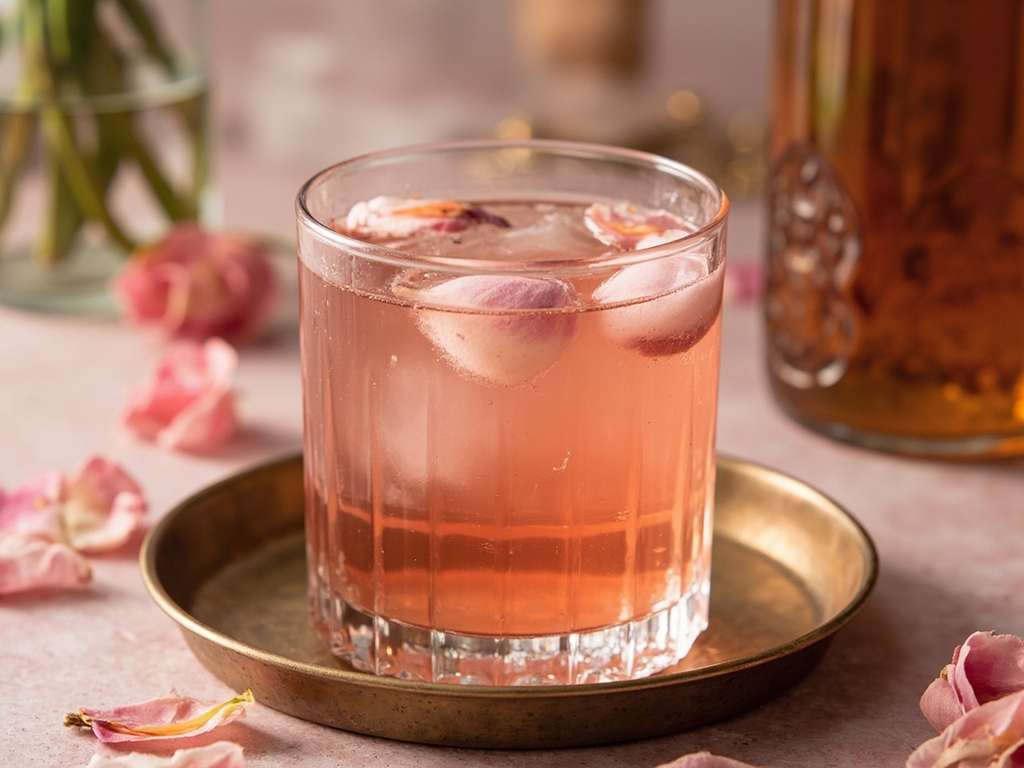
The contemporary twist : Serve as a non-alcoholic spritz over crushed ice, with a cucumber ribbon and a mint leaf: a 12th-century Andalusian "shrub."
Sources : Averroes, Kitāb al-Kulliyāt fī al-ṭibb (Colliget) · Tradition of Galenic oxymel in medieval Arabic medicine
Averroes · Charactorium