 flip
Sekanjabin, mint oxymel
Sekanjabin, mint oxymel
Why this dish? Oxymel—sekanjabin, a mixture of vinegar and honey—appears among the preparations described in Avicenna's own Canon of Medicine, prescribed to cool, aid digestion, and soothe fevers. It is his own medicine, bottled.
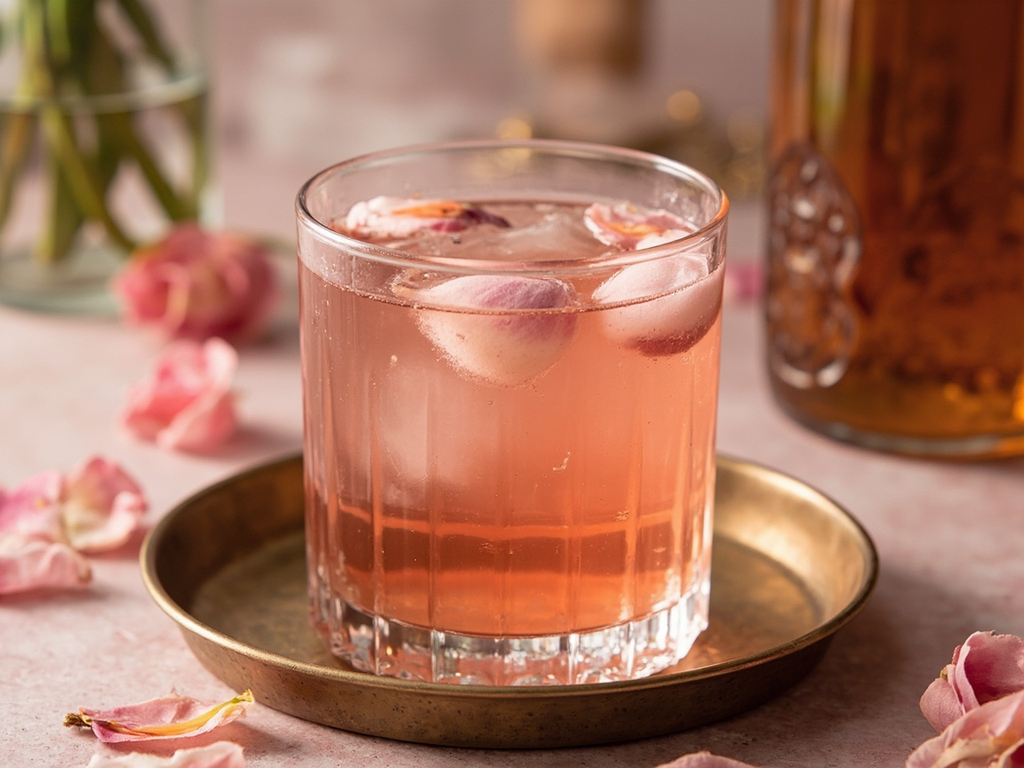
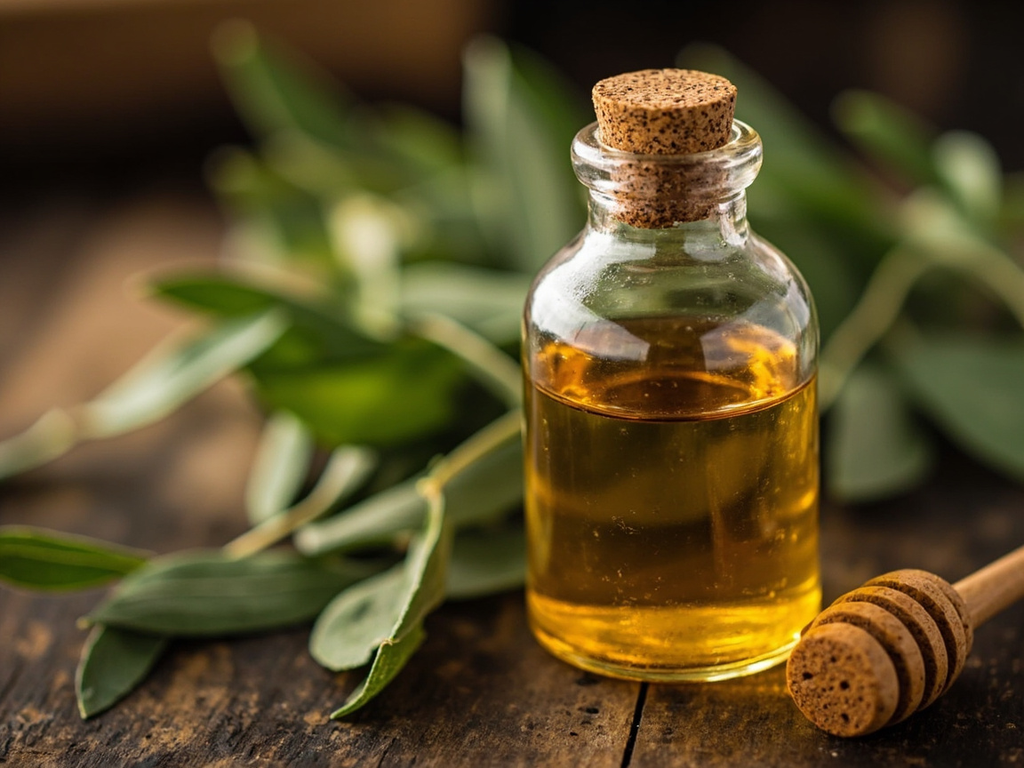
A syrup of honey and vinegar reduced with mint, diluted with cool water to make a refreshing and digestive drink, both tangy and sweet. The most emblematic remedy of the physician of Bukhara.
Listen well, for this pertains as much to my art as to my table. Take pure honey and good vinegar, cook them together until they thicken into a syrup, and throw in mint at the end. A spoonful of this sekanjabin in cool water tempers bilious humor, opens the appetite, and quenches the thirst of the feverish. I recorded it in my Canon and used it myself: it is the sage's beverage, both treat and medicine.
- •Honey — two parts (sweetness, base)
- •Wine vinegar — one part (medicinal acidity)
- •Fresh mint — one bunch (freshness, digestive virtue)
- •Water — as needed (dilution for drinking)
Sekanjabin, mint oxymel
A syrup of honey and vinegar reduced with mint, diluted with cool water to make a refreshing and digestive drink, both tangy and sweet. The most emblematic remedy of the physician of Bukhara.
Why this dish? Oxymel—sekanjabin, a mixture of vinegar and honey—appears among the preparations described in Avicenna's own Canon of Medicine, prescribed to cool, aid digestion, and soothe fevers. It is his own medicine, bottled.
Listen well, for this pertains as much to my art as to my table. Take pure honey and good vinegar, cook them together until they thicken into a syrup, and throw in mint at the end. A spoonful of this sekanjabin in cool water tempers bilious humor, opens the appetite, and quenches the thirst of the feverish. I recorded it in my Canon and used it myself: it is the sage's beverage, both treat and medicine.
Ingredients (period version)
- Honey — two parts (sweetness, base)
- Wine vinegar — one part (medicinal acidity)
- Fresh mint — one bunch (freshness, digestive virtue)
- Water — as needed (dilution for drinking)
Ingredients
- Honey — 300 g (sweet base)
- White wine vinegar — 150 ml (acidity)
- Water — 150 ml (for syrup)
- Fresh mint — 1 large bunch (flavor)
- Cool water or ice — for serving (dilution)
Method
- In a saucepan, combine honey, water, and vinegar; bring to a simmer.
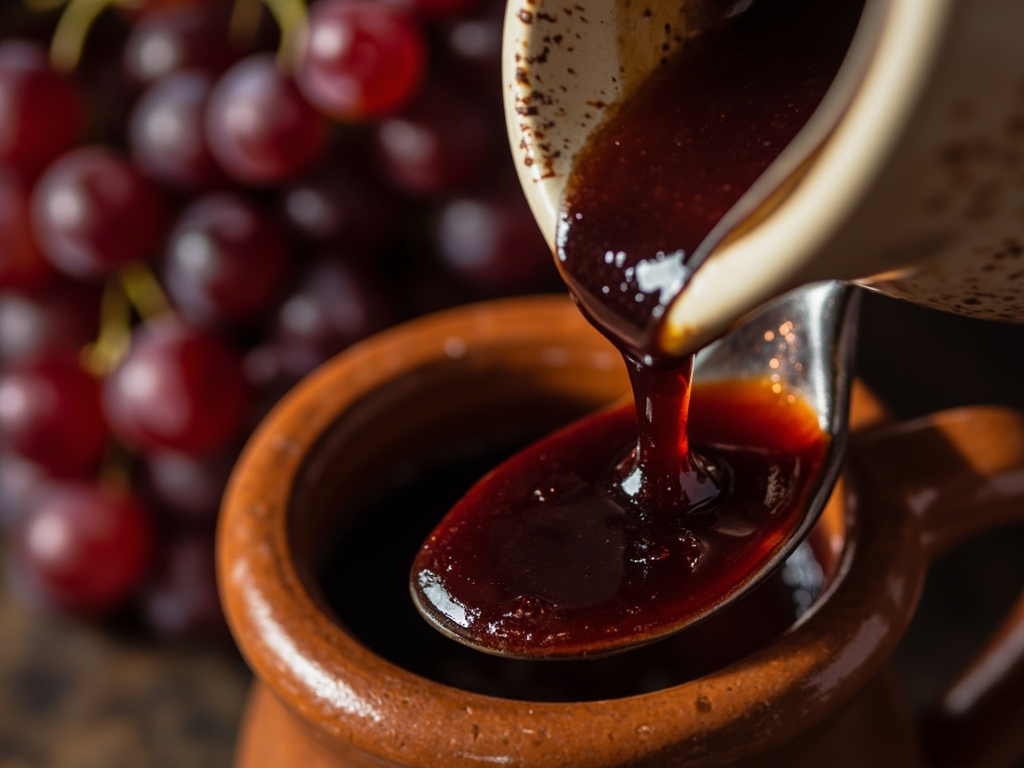
- Let reduce over low heat for 15–20 min until slightly thick (skim if needed).
- Off the heat, plunge the fresh mint into the hot syrup and steep for 20 min.
- Strain and bottle the syrup; store in the refrigerator (keeps for several weeks).
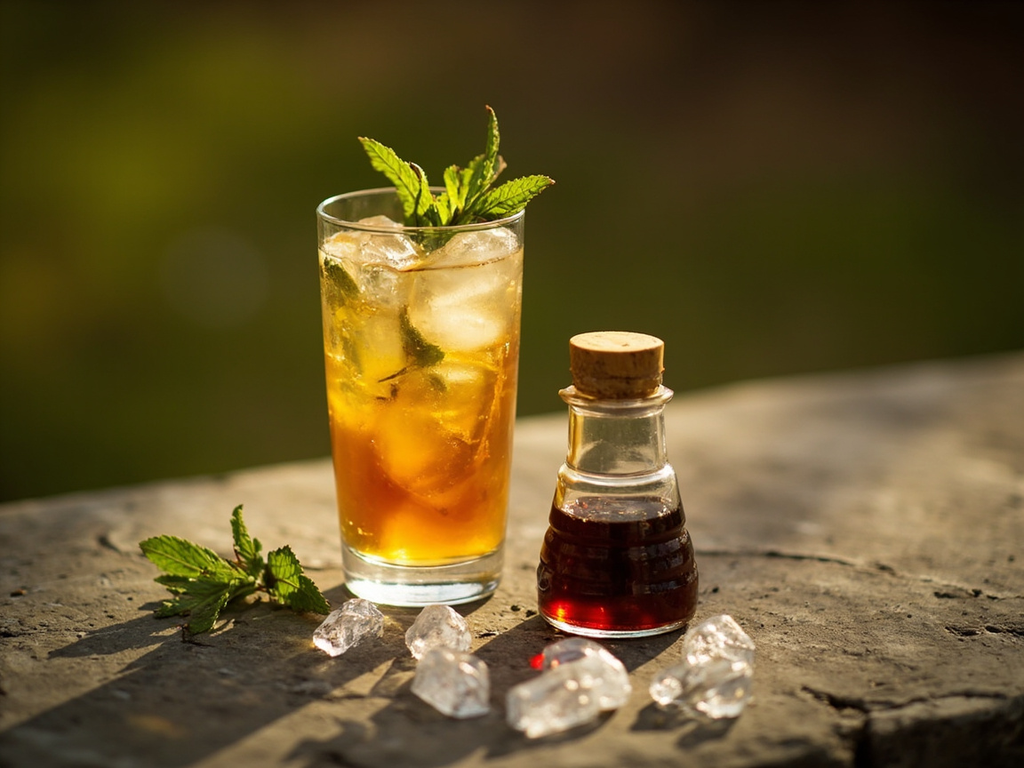
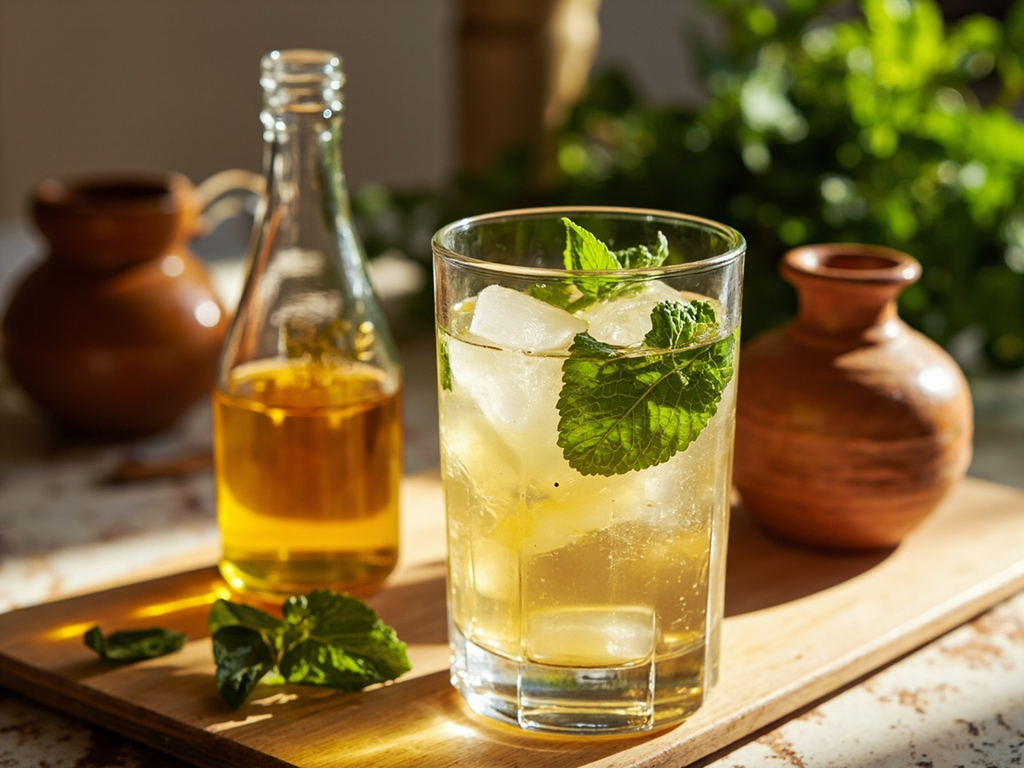
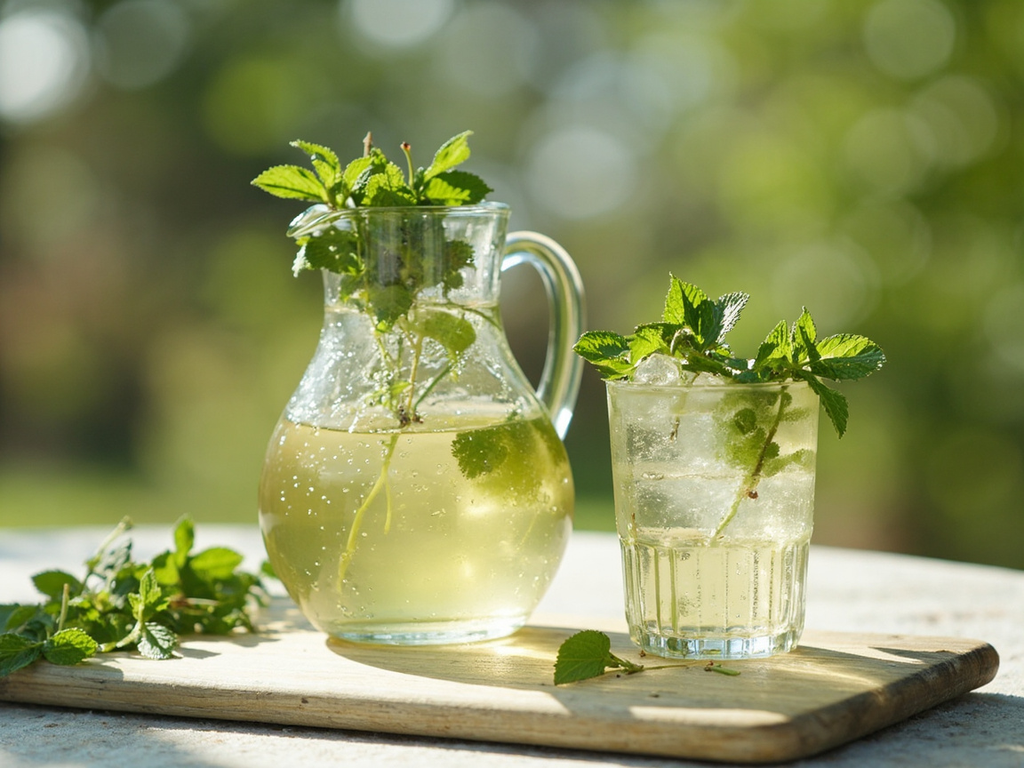
- To serve, dilute 1–2 spoonfuls in a large glass of cool water, garnish with a mint leaf.
How it was made : Oxymel (from Greek oxymeli, "acid-honey") was a central preparation in Greco-Arab medicine. Avicenna details several variants in the Canon; sekanjabin remains a popular summer drink in Iran to this day, often served with cucumber slices.
The contemporary twist : Serve sekanjabin over crushed ice with fine cucumber ribbons, as in Iran in summer: a non-alcoholic medieval mojito.
Sources : Avicenna, Al-Qānūn fī al-Ṭibb (The Canon of Medicine, ca. 1025) · Charles Perry, Medieval Arab Cookery (2001)
Avicenna · Charactorium