 flip
flipQuince paste with honey
Quince paste with honey
Why this dish? Eleanor ended her days at Fontevraud Abbey, where orchards were cultivated and quince paste — reputed good for the stomach — was prepared and kept all winter. This firm, amber sweetmeat, both confection and remedy, accompanied her final years in the quiet of the cloister.
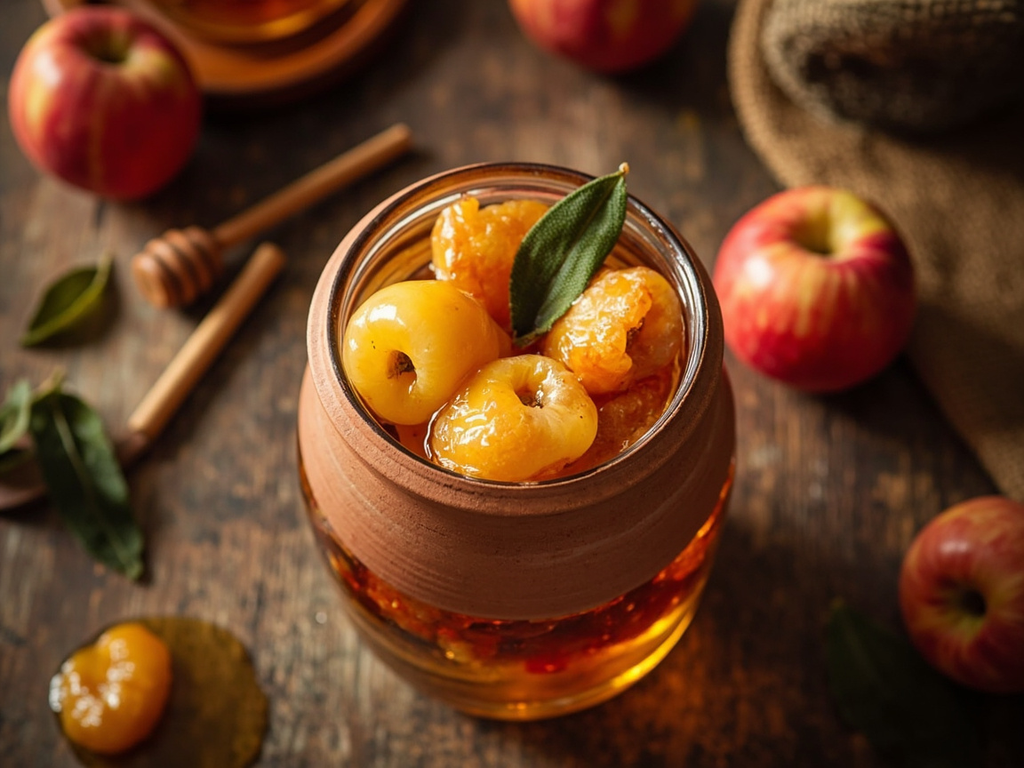
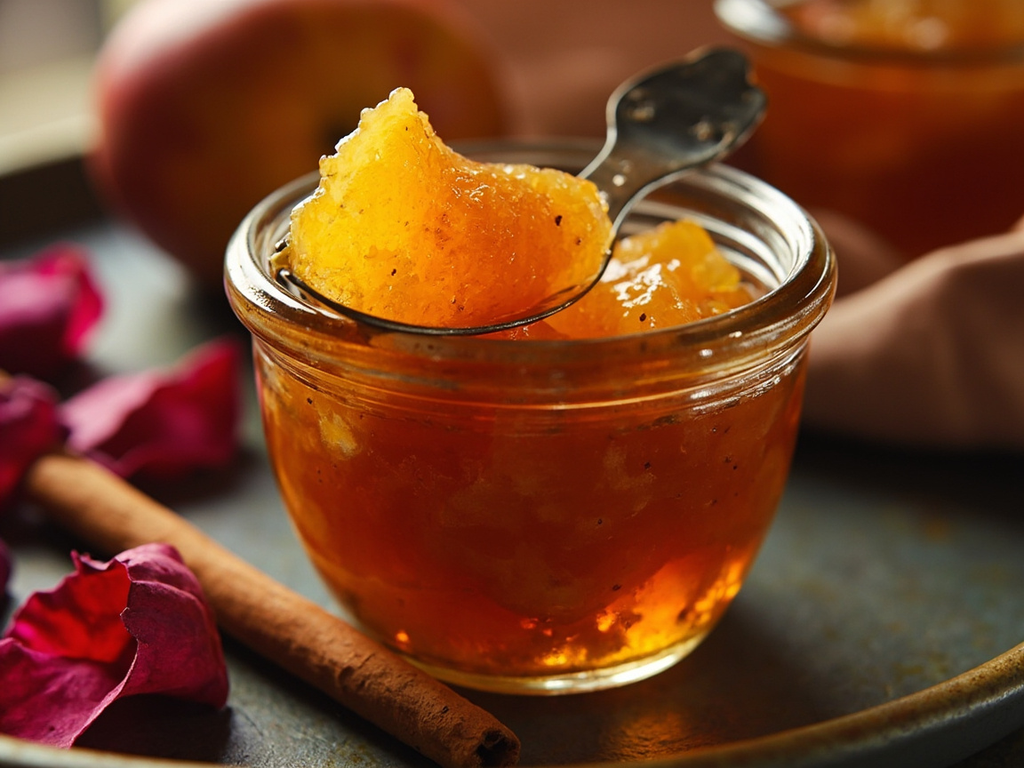
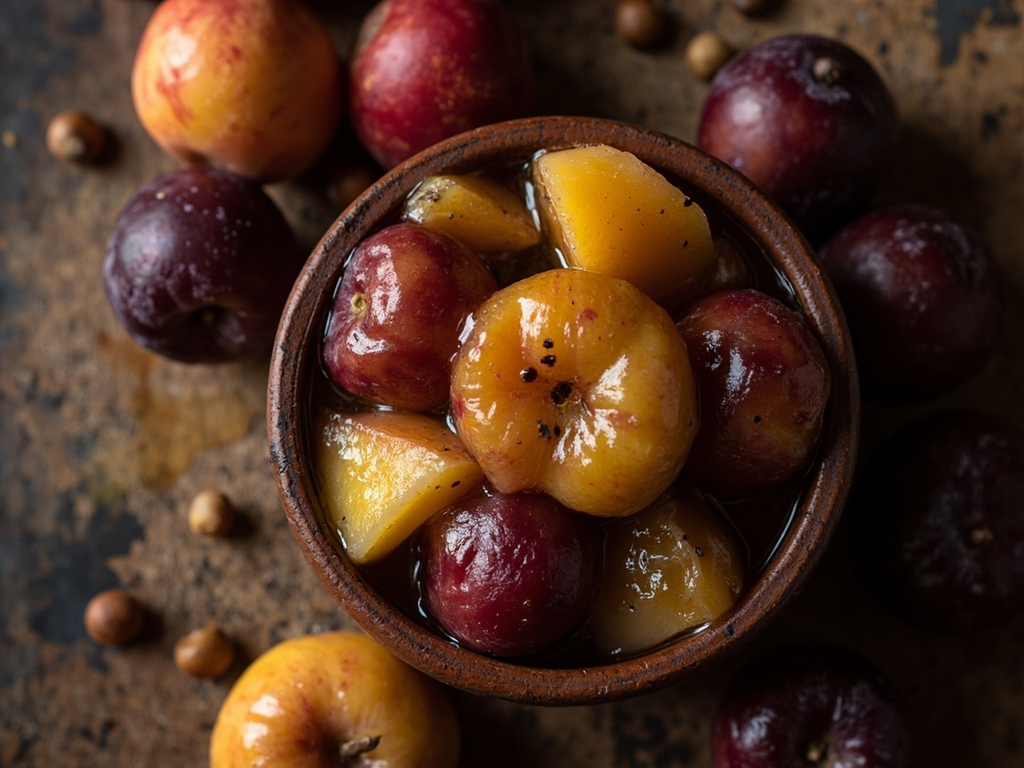
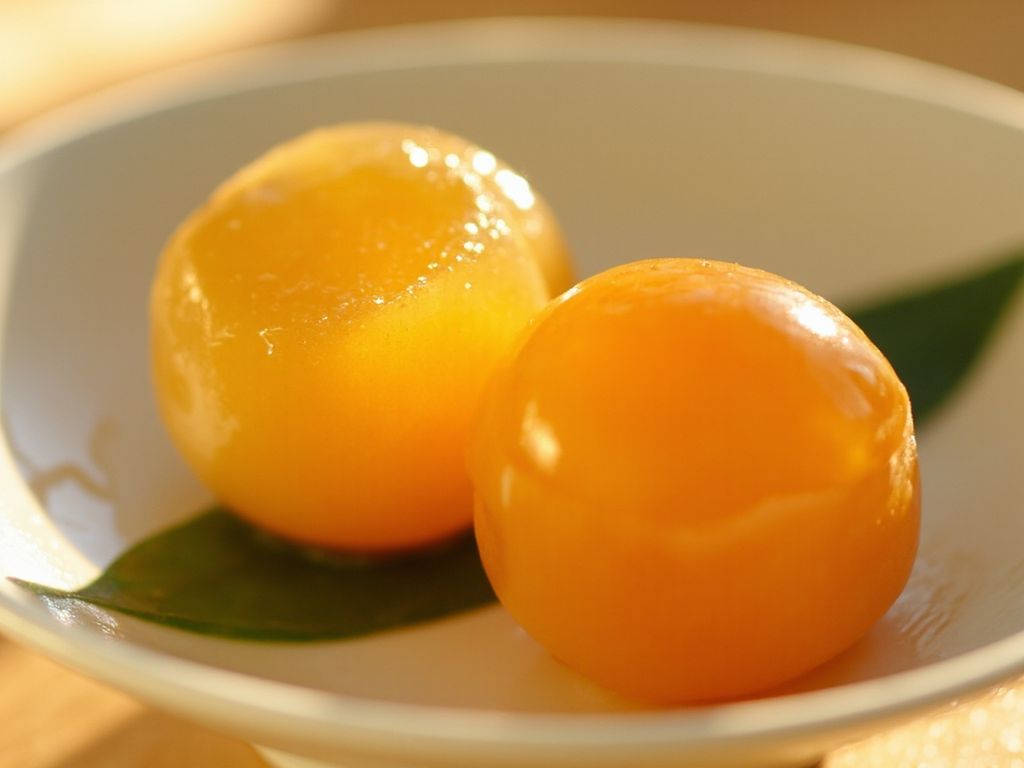
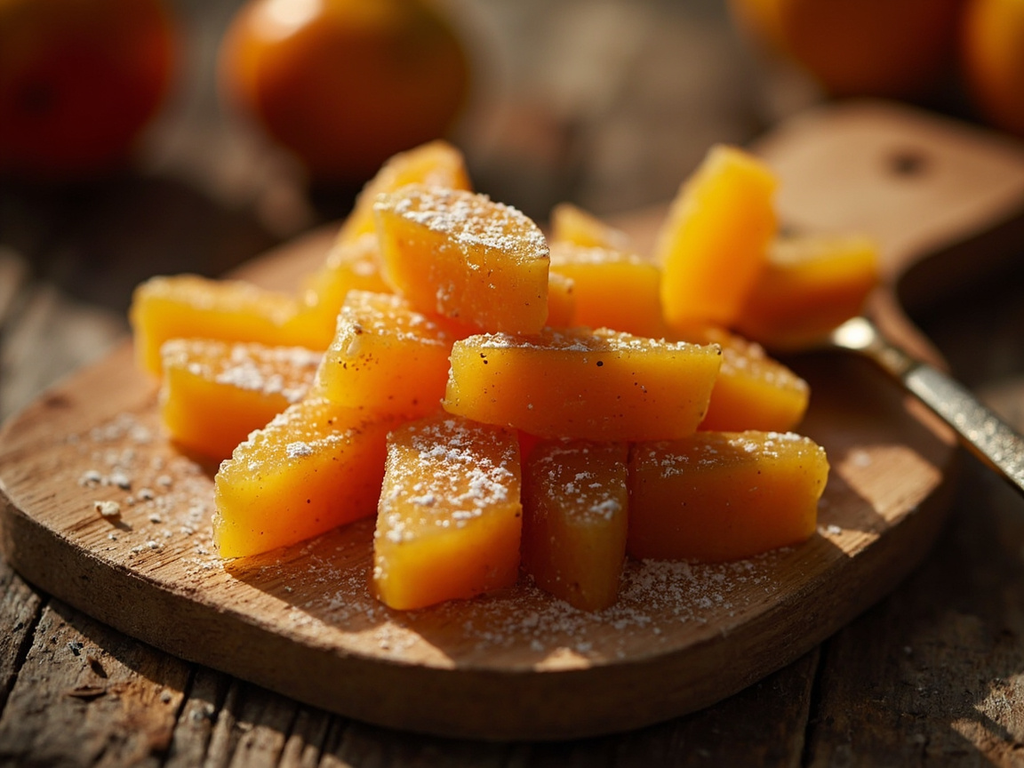
A thick quince paste, long-cooked with honey until set, spiced, then dried and cut into lozenges. Tart and sweet, it keeps for months and is eaten at the end of a meal to 'close the stomach'.
The quince, hard and harsh to eat raw, becomes under fire and honey a keeping sweet that lasts all winter. At Fontevraud, we cook whole basins full, stirred long, then let it set and dry before cutting it into lozenges. It is eaten at the end of the meal, for it soothes the stomach, they say, and binds the humors. An old queen finds simple comfort in it: the taste of an orchard, preserved out of season.
- •Ripe quinces — several (base fruit)
- •Honey — in generous parts (preservative sugar)
- •Cinnamon and ginger — a little (spices)
- •Quince cooking water — enough (cooking liquid)
Quince paste with honey
A thick quince paste, long-cooked with honey until set, spiced, then dried and cut into lozenges. Tart and sweet, it keeps for months and is eaten at the end of a meal to 'close the stomach'.
Why this dish? Eleanor ended her days at Fontevraud Abbey, where orchards were cultivated and quince paste — reputed good for the stomach — was prepared and kept all winter. This firm, amber sweetmeat, both confection and remedy, accompanied her final years in the quiet of the cloister.
The quince, hard and harsh to eat raw, becomes under fire and honey a keeping sweet that lasts all winter. At Fontevraud, we cook whole basins full, stirred long, then let it set and dry before cutting it into lozenges. It is eaten at the end of the meal, for it soothes the stomach, they say, and binds the humors. An old queen finds simple comfort in it: the taste of an orchard, preserved out of season.
Ingredients (period version)
- Ripe quinces — several (base fruit)
- Honey — in generous parts (preservative sugar)
- Cinnamon and ginger — a little (spices)
- Quince cooking water — enough (cooking liquid)
Ingredients
- Quinces — 1 kg (base fruit)
- Honey — 500 g (preservative sugar)
- Cinnamon — 1/2 tsp (spice)
- Ground ginger — 1 pinch (spice)
- Lemon juice or verjuice — 1 tbsp (awakens acidity and setting)
Method
- Wash, peel and cut the quinces; poach in water until tender (20-30 min).
- Drain and puree the flesh finely.
- Cook the puree with honey and spices over low heat, stirring constantly, until the mixture thickens and pulls away from the bottom (30-45 min). Add the verjuice or lemon juice.
- Spread the paste 1.5 cm thick on baking paper and let dry for 1-2 days in an airy place.
- Cut into lozenges and store in a box; optionally dust with a little sugar.
How it was made : Quince paste (cotignac) is among the oldest confectionery-remedies of the West, heir to Roman and Arab fruit preserves in honey. Before the spread of sugar, honey ensured preservation. Served among the 'chamber spices' at the end of a meal, it was credited with digestive virtues — medicine and gourmandise combined.
The contemporary twist : Poured into thin slabs and served with ewe's milk cheese: the quince paste-cheese pairing, still alive today.
Eleanor of Aquitaine · Charactorium