 flip
flipSikbaj with date vinegar
Sikbaj with date vinegar
Why this dish? Sikbaj is the quintessential preservation dish of the Abbasid literate traveler. Al-Tirmidhi, who traveled through Iraq and the Hejaz for years collecting hadiths, carried vinegar-preserved dishes that kept for several days. Date vinegar, ubiquitous from Baghdad to Tirmidh, allowed meat to be preserved without excessive salting.
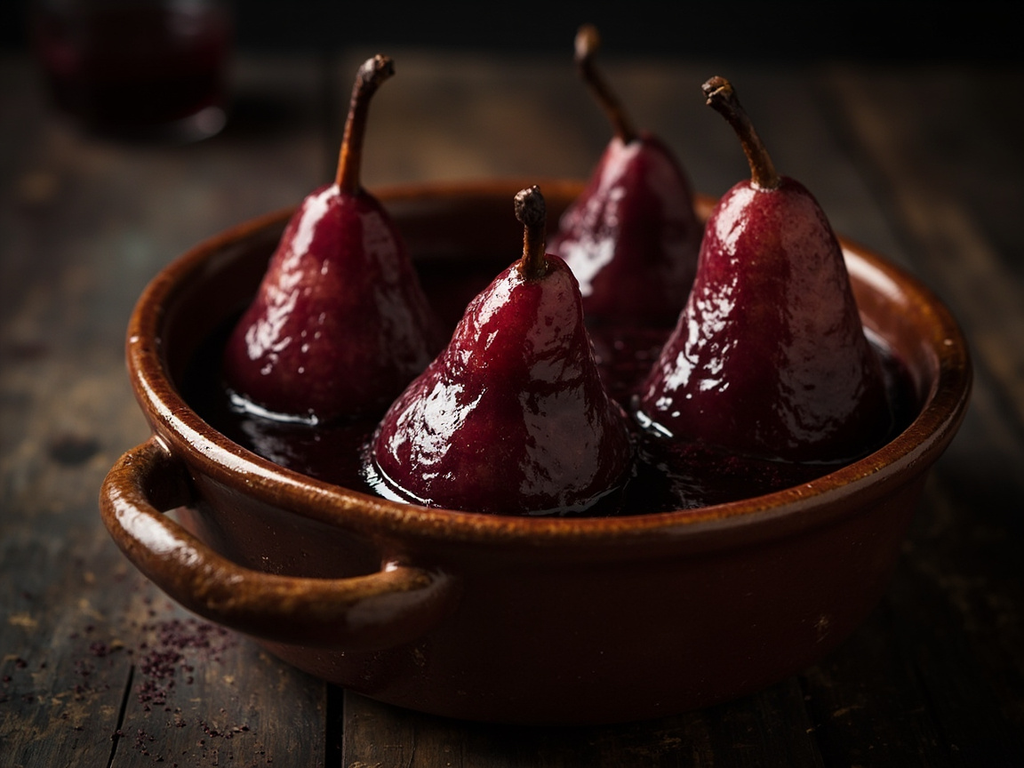
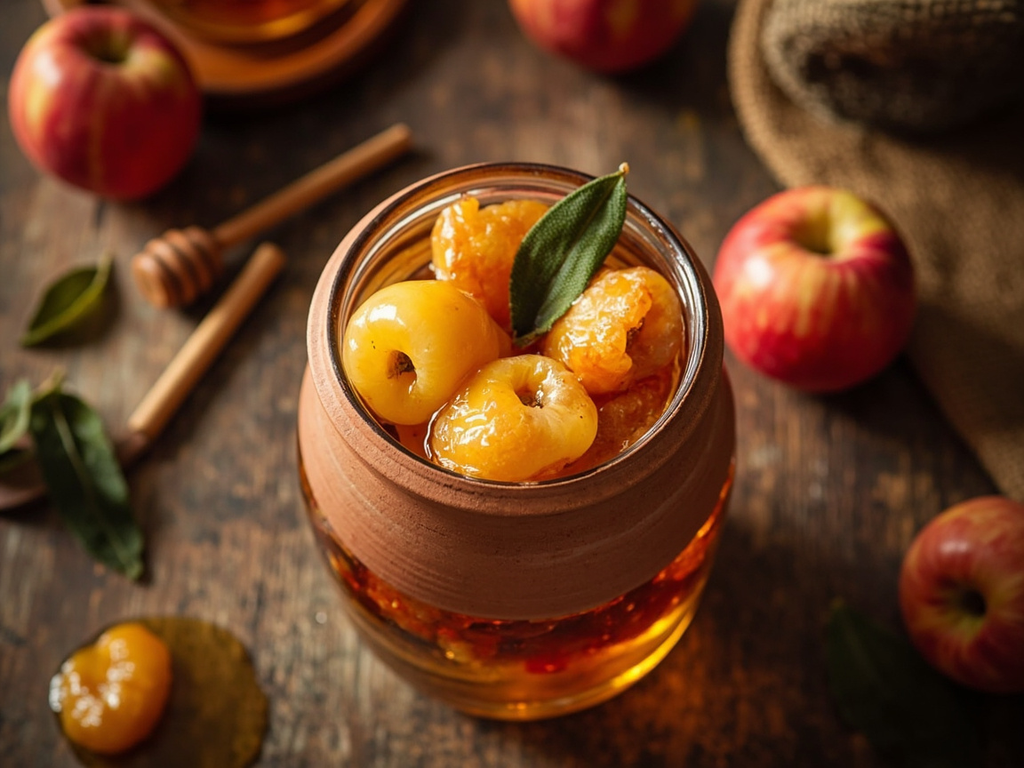
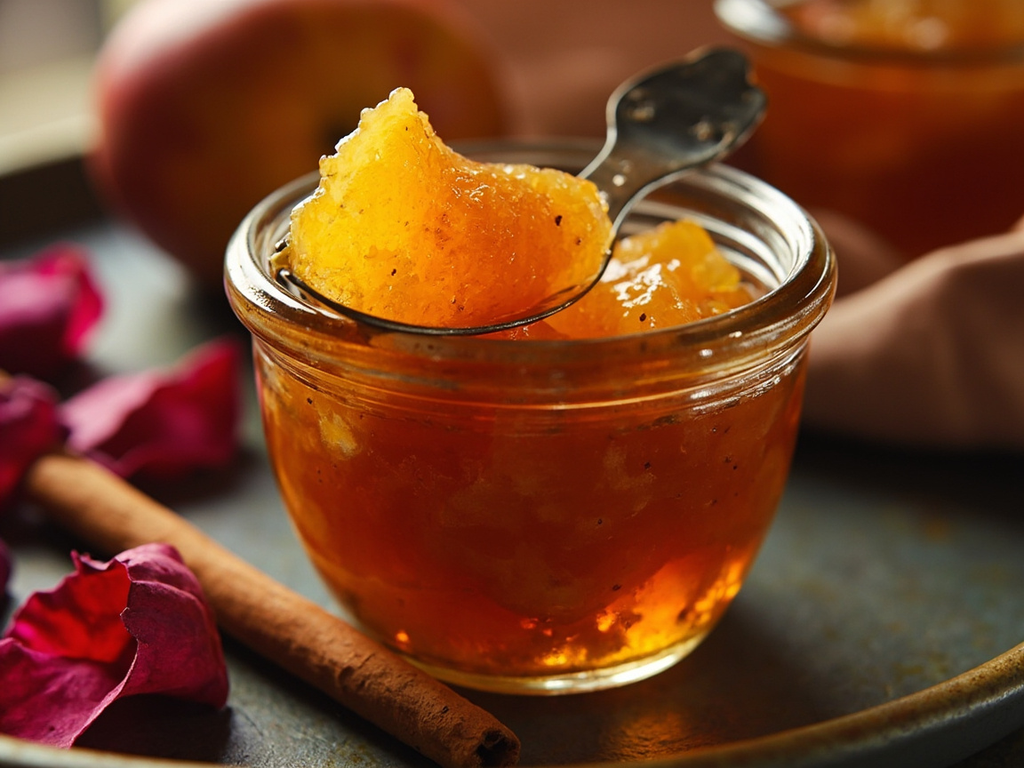
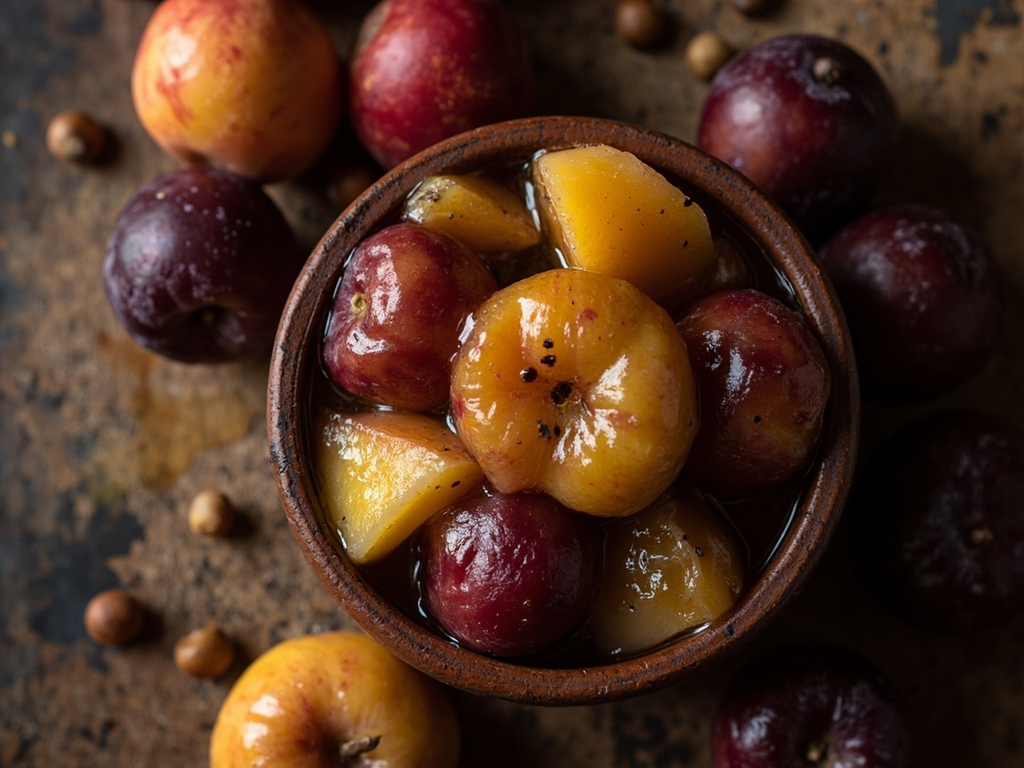
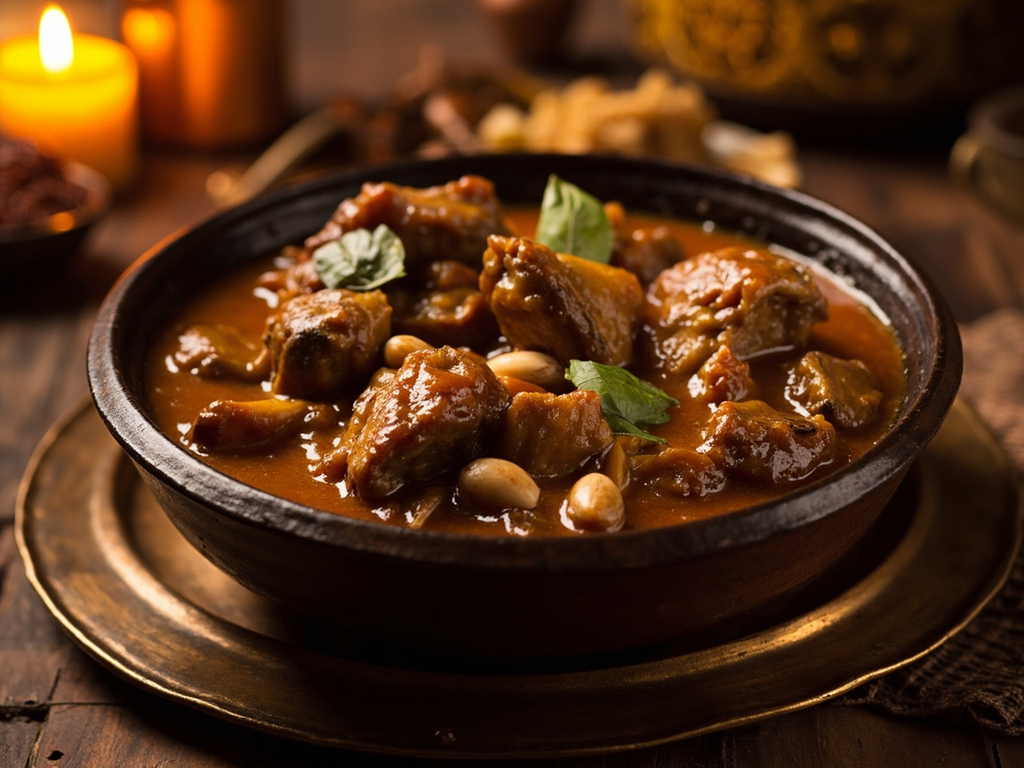
A sweet-and-sour lamb stew simmered in date vinegar with honey, eggplants, and almonds. A classic of high Abbasid cuisine that keeps well, ideal for travel stages.
When I left Baghdad for the Hejaz, the journey lasted weeks and I needed dishes that would keep. Sikbaj, by the grace of vinegar, keeps for three days and even longer in leather waterskins. I ate it at the homes of learned people in Baghdad, in houses where the dishes of caliphs were served to common students. The sourness of vinegar and the sweetness of honey mingle like rigor and mercy in the prophetic tradition. It is a dish that teaches balance to the one who knows how to taste.
- •Lamb (shoulder) — A fine piece (Main meat)
- •Date vinegar — A good glass (Acid and preservative)
- •Honey — A few spoonfuls (Sweetness)
- •Eggplants — Two, cut (Vegetable)
- •Blanched almonds — A handful (Garnish)
- •Saffron — A few threads (Color and aroma)
- •Dried coriander — A pinch (Spice)
- •Sesame oil — A little (Fat)
- •Salt — To taste (Seasoning)
Sikbaj with date vinegar
A sweet-and-sour lamb stew simmered in date vinegar with honey, eggplants, and almonds. A classic of high Abbasid cuisine that keeps well, ideal for travel stages.
Why this dish? Sikbaj is the quintessential preservation dish of the Abbasid literate traveler. Al-Tirmidhi, who traveled through Iraq and the Hejaz for years collecting hadiths, carried vinegar-preserved dishes that kept for several days. Date vinegar, ubiquitous from Baghdad to Tirmidh, allowed meat to be preserved without excessive salting.
When I left Baghdad for the Hejaz, the journey lasted weeks and I needed dishes that would keep. Sikbaj, by the grace of vinegar, keeps for three days and even longer in leather waterskins. I ate it at the homes of learned people in Baghdad, in houses where the dishes of caliphs were served to common students. The sourness of vinegar and the sweetness of honey mingle like rigor and mercy in the prophetic tradition. It is a dish that teaches balance to the one who knows how to taste.
Ingredients (period version)
- Lamb (shoulder) — A fine piece (Main meat)
- Date vinegar — A good glass (Acid and preservative)
- Honey — A few spoonfuls (Sweetness)
- Eggplants — Two, cut (Vegetable)
- Blanched almonds — A handful (Garnish)
- Saffron — A few threads (Color and aroma)
- Dried coriander — A pinch (Spice)
- Sesame oil — A little (Fat)
- Salt — To taste (Seasoning)
Ingredients
- Boneless lamb shoulder — 500 g (Main meat)
- Date vinegar (or balsamic vinegar) — 120 ml (Acid)
- Liquid honey — 3 tbsp (Sweetness)
- Eggplants — 2 medium (Vegetable)
- Blanched almonds — 50 g (Garnish)
- Saffron — 1 pinch (0.2 g) (Color and aroma)
- Ground coriander — 1 tsp (Spice)
- Olive oil — 3 tbsp (Fat)
- Salt — To taste (Seasoning)
- Water — 300 ml (Cooking)
Method
- Cut the lamb into 3 cm cubes. Sear in olive oil over high heat until browned. Set aside.
- Cut the eggplants into large cubes, fry in the same oil until golden. Set aside.
- Infuse the saffron in 2 tbsp hot water for 5 minutes.
- Return the meat to the pot, add water, date vinegar, honey, ground coriander, infused saffron, and salt. Bring to a boil, then simmer covered for 1 hour.
- Add the eggplants and almonds, continue cooking uncovered for 30 minutes until the sauce reduces and becomes syrupy.
- Taste and adjust the sweet-sour balance. Serve with flatbread.
How it was made : Sikbaj is one of the most famous dishes of Abbasid cuisine, attested in all medieval Arabic cookbooks. Caliph Hârûn al-Rashîd was known to be fond of it. Vinegar served both as a preservative and a flavoring agent — essential in a hot climate without refrigeration. Al-Warrâq gives about a dozen variations.
The contemporary twist : Present in an individual tagine with a few fresh mint leaves and a dash of aged balsamic vinegar as a finish.
Sources : Ibn Sayyâr al-Warrâq, Kitâb al-Tabîkh (10th century), chapter on sikbajât · Nawal Nasrallah, Annals of the Caliph's Kitchens, Brill, 2007, p. 263–278
Al-Tirmidhi · Charactorium