 flip
flipPot-au-feu de ménage
Pot-au-feu de ménage
Why this dish? Ozenfant led, in accordance with his purist convictions, a sober and regulated life, preferring simple, regular meals conducive to concentration. Pot-au-feu — a single pot, a clear broth, clean shapes on the plate — perfectly embodies the economy of means he defended in painting.
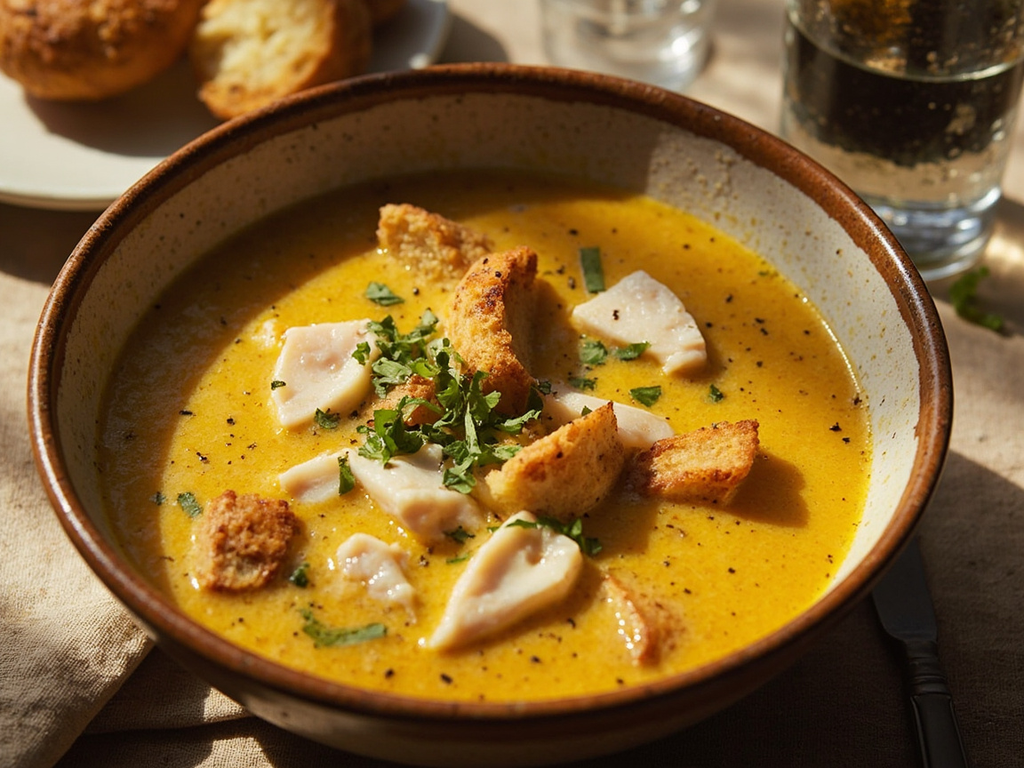
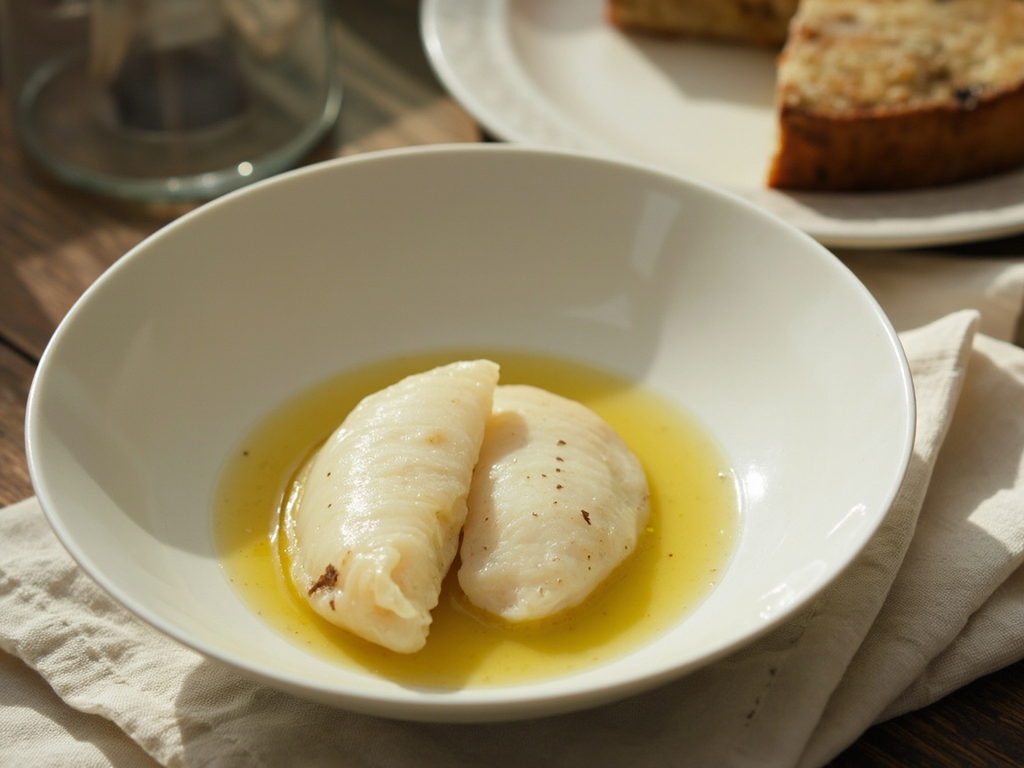
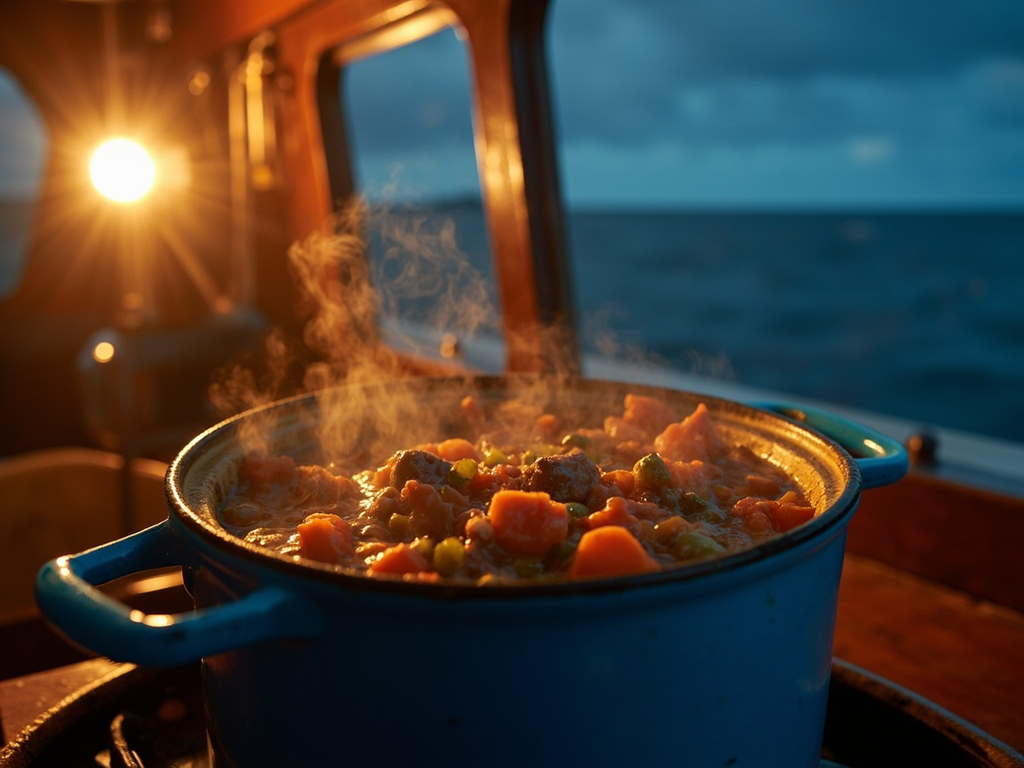
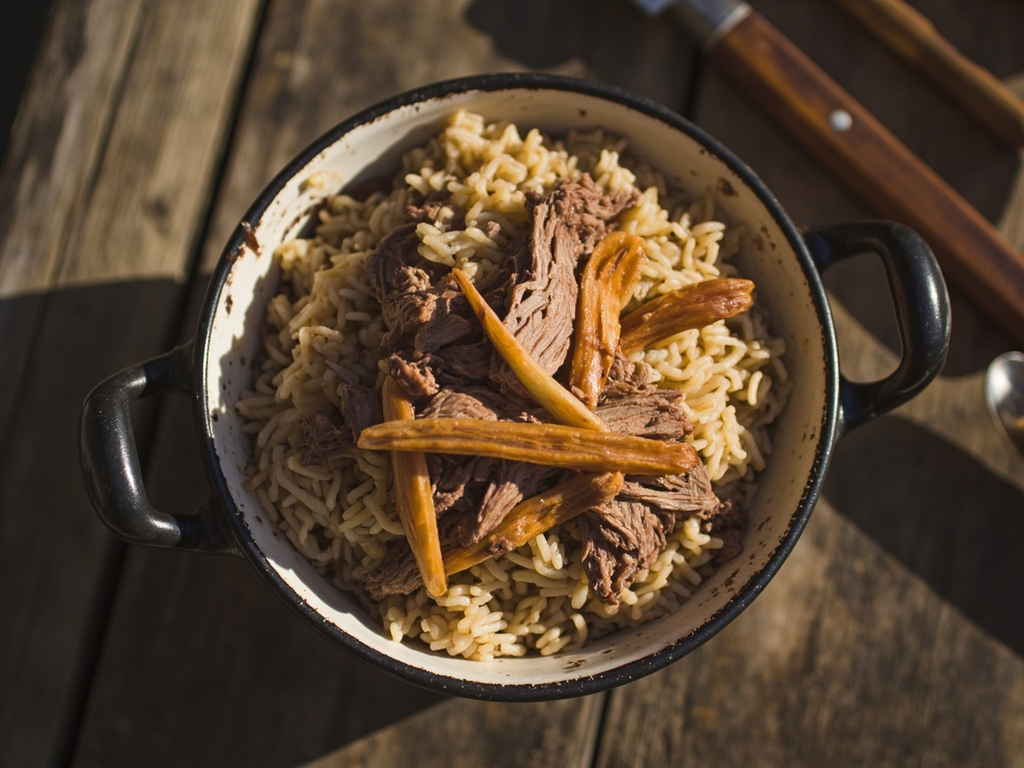
Beef and market vegetables slowly simmered in a clear broth. First the broth is served, then the meat and vegetables: two courses, one cooking, zero waste.
You see, I have always believed that a thing well done needs no artifice. This pot-au-feu, my mother would put it on the corner of the stove in the morning, and it would take its time all day — above all, it must not boil vigorously, otherwise the broth clouds and you lose that clarity I value above all else. You skim patiently, season just enough, let the bone give its marrow. Serve the broth first, piping hot, and keep the meat for later: that is the lesson of order applied to the pot.
- •Gîte de bœuf and jarret (beef shank and leg) — a nice piece (stewing meat)
- •Marrow bones — a few (richness of broth)
- •Leeks, carrots, turnips — a bunch of each (pot vegetables)
- •Onion studded with cloves — one (aromatic)
- •Bouquet garni (thyme, bay leaf, parsley) — one (flavor)
- •Coarse salt, peppercorns — to taste (seasoning)
Pot-au-feu de ménage
Beef and market vegetables slowly simmered in a clear broth. First the broth is served, then the meat and vegetables: two courses, one cooking, zero waste.
Why this dish? Ozenfant led, in accordance with his purist convictions, a sober and regulated life, preferring simple, regular meals conducive to concentration. Pot-au-feu — a single pot, a clear broth, clean shapes on the plate — perfectly embodies the economy of means he defended in painting.
You see, I have always believed that a thing well done needs no artifice. This pot-au-feu, my mother would put it on the corner of the stove in the morning, and it would take its time all day — above all, it must not boil vigorously, otherwise the broth clouds and you lose that clarity I value above all else. You skim patiently, season just enough, let the bone give its marrow. Serve the broth first, piping hot, and keep the meat for later: that is the lesson of order applied to the pot.
Ingredients (period version)
- Gîte de bœuf and jarret (beef shank and leg) — a nice piece (stewing meat)
- Marrow bones — a few (richness of broth)
- Leeks, carrots, turnips — a bunch of each (pot vegetables)
- Onion studded with cloves — one (aromatic)
- Bouquet garni (thyme, bay leaf, parsley) — one (flavor)
- Coarse salt, peppercorns — to taste (seasoning)
Ingredients
- Beef shank (gîte de bœuf) — 800 g (stewing meat)
- Beef leg (jarret de bœuf) — 400 g (gelatinous meat)
- Marrow bones — 2 pieces (richness of broth)
- Carrots — 4 (vegetable)
- Leeks — 3 (vegetable)
- Turnips — 2 (vegetable)
- Onion studded with 2 cloves — 1 (aromatic)
- Bouquet garni — 1 (flavor)
- Coarse salt, peppercorns — 1 tbsp salt, 6 peppercorns (seasoning)
Method
- Put the meat in a large pot, cover with cold water, and bring gently to a simmer.
- Skim the surface thoroughly as impurities rise: this keeps the broth clear.
- Add the clove-studded onion, bouquet garni, coarse salt, and pepper. Let simmer for 2 hours, never letting it boil hard.
- Add carrots, turnips, and tied leeks; continue for 45 minutes.
- Slide in the marrow bones 15 minutes before the end.
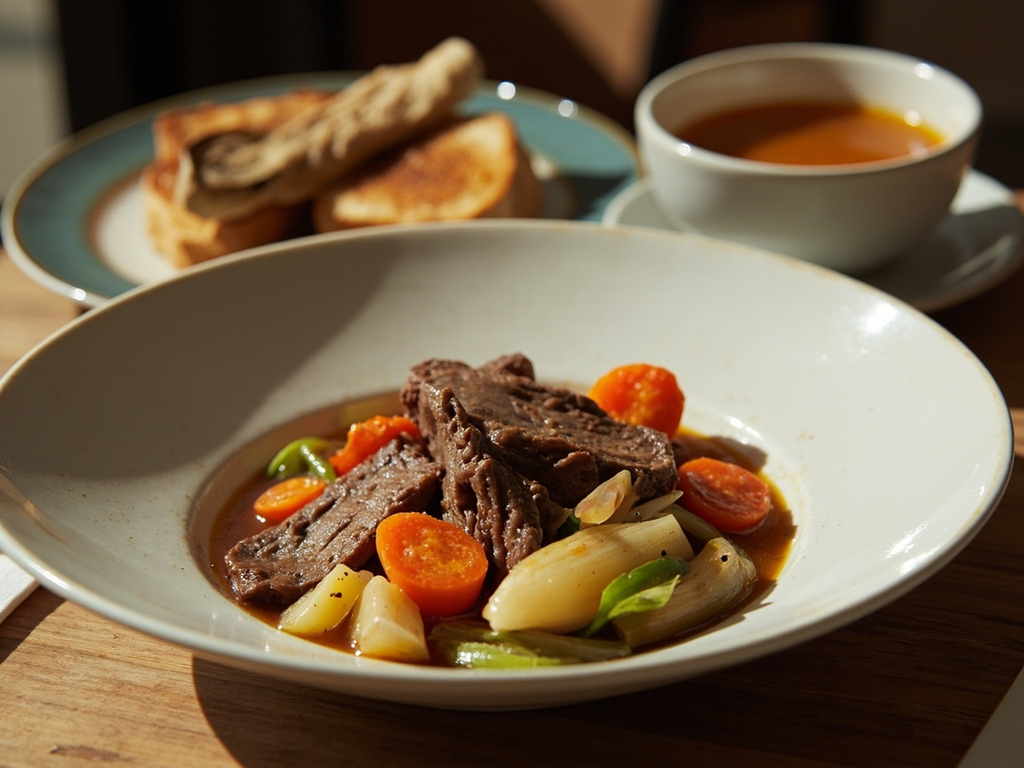
- Serve the broth first in bowls, then the sliced meat and vegetables, with coarse salt, mustard, and pickles.
How it was made : Pot-au-feu was the weekly dish of Parisian families and boarding houses: two birds with one stone, the broth serving as soup and the meat as the main course. Escoffier codified the method in his Guide culinaire (1903): very low heat, constant skimming, moderate salt.
The contemporary twist : Serve the broth in a cup as an appetizer consommé, with a marrow bone spread on toast and a pinch of fleur de sel — the 'pure form' of pot-au-feu in two bites.
Sources : Auguste Escoffier, Le Guide culinaire, 1903 · Curnonsky, La France gastronomique
Amédée Ozenfant · Charactorium