 flip
flipLyonnaise Pike Quenelles, Oil Sauce
Lyonnaise Pike Quenelles, Oil Sauce
Why this dish? Born in Lyon, Pallière grew up with the cuisine of the bouchons and bourgeois tables of the city. The pike quenelle, a Lyonnaise pride made of fish rather than meat, could easily be prepared in accordance with the dietary rules he observed — a dish from home that did not betray his new fidelity.
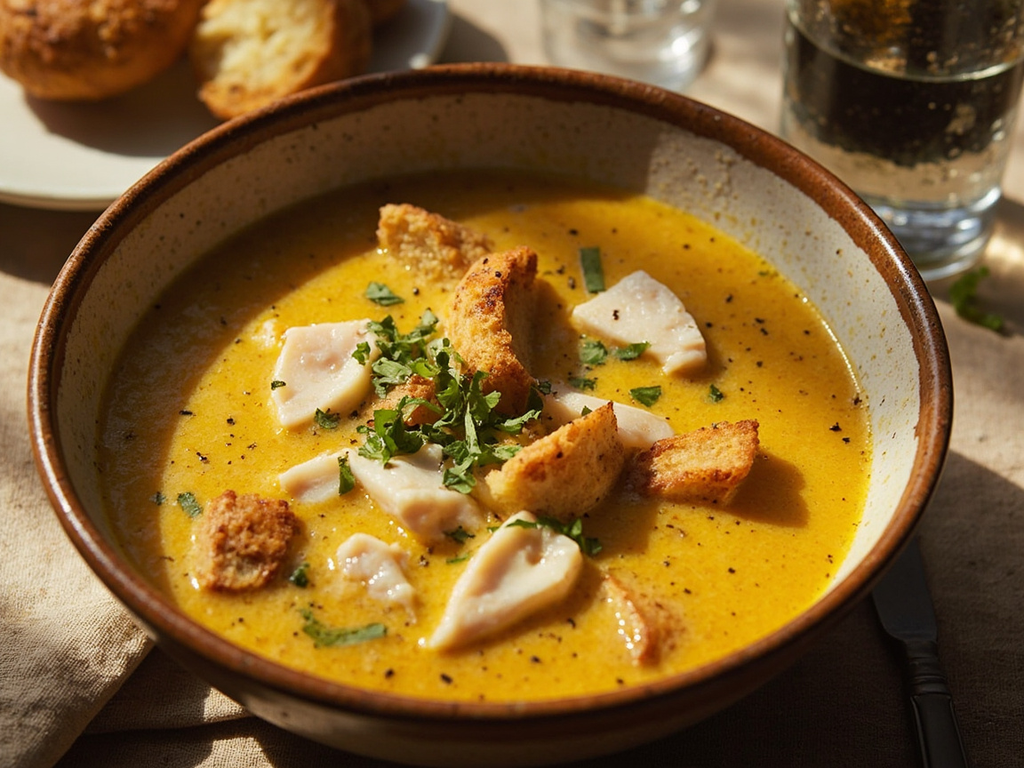
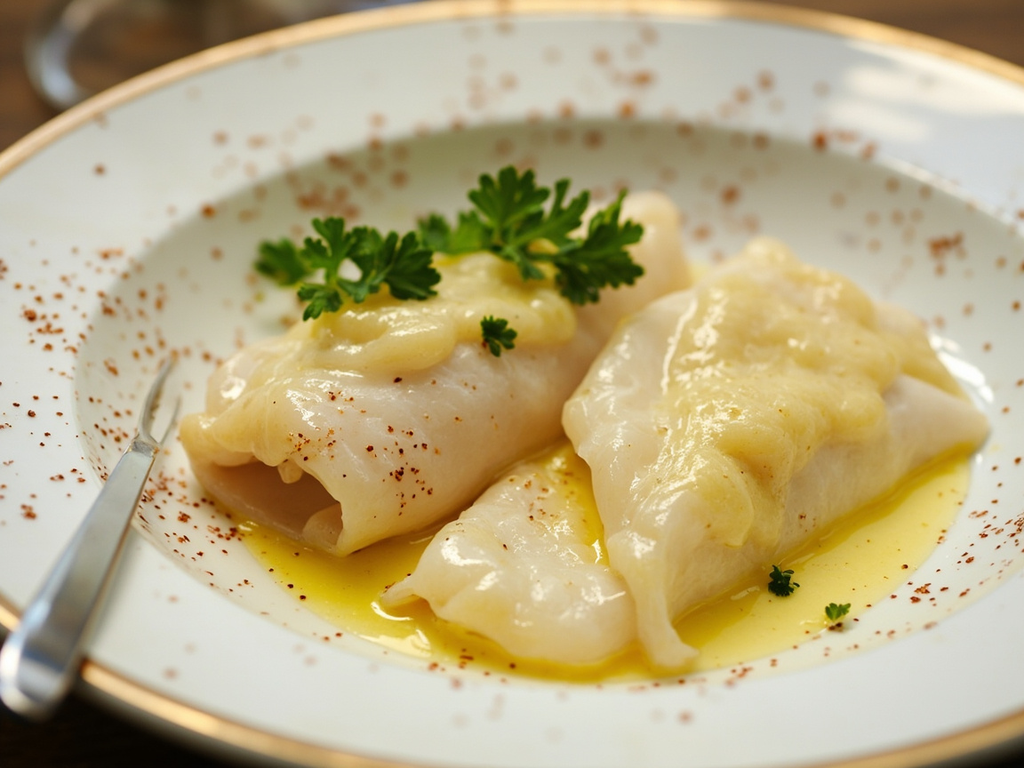
A light mousse of pike, poached and tender as a cloud, served with a sauce where oil discreetly replaces butter. The taste of a Lyonnaise childhood, reconciled with an adult conscience.
You see, I was born on the banks of the Saône, and the quenelle is one of those things you carry within you without thinking. My mother wanted it fine, almost airy; we would beat the pike flesh at length, push it through a sieve, and the paste had to hold to the spoon without ever becoming heavy. The day I decided to keep an open table for my friends from the synagogue, I simply set aside the butter and took olive oil: the dish of my country lost nothing, and it could welcome everyone. That, I believe, is a small parable of my whole life.
- •Pike flesh — a nice piece (base of the mousse)
- •Panade (flour cooked in water) — according to the flesh (binder)
- •Eggs — a few (structure and softness)
- •Olive oil — to taste (pareve fat)
- •Nutmeg, salt, pepper — a pinch (seasoning)
Lyonnaise Pike Quenelles, Oil Sauce
A light mousse of pike, poached and tender as a cloud, served with a sauce where oil discreetly replaces butter. The taste of a Lyonnaise childhood, reconciled with an adult conscience.
Why this dish? Born in Lyon, Pallière grew up with the cuisine of the bouchons and bourgeois tables of the city. The pike quenelle, a Lyonnaise pride made of fish rather than meat, could easily be prepared in accordance with the dietary rules he observed — a dish from home that did not betray his new fidelity.
You see, I was born on the banks of the Saône, and the quenelle is one of those things you carry within you without thinking. My mother wanted it fine, almost airy; we would beat the pike flesh at length, push it through a sieve, and the paste had to hold to the spoon without ever becoming heavy. The day I decided to keep an open table for my friends from the synagogue, I simply set aside the butter and took olive oil: the dish of my country lost nothing, and it could welcome everyone. That, I believe, is a small parable of my whole life.
Ingredients (period version)
- Pike flesh — a nice piece (base of the mousse)
- Panade (flour cooked in water) — according to the flesh (binder)
- Eggs — a few (structure and softness)
- Olive oil — to taste (pareve fat)
- Nutmeg, salt, pepper — a pinch (seasoning)
Ingredients
- Pike fillet (or pike-perch) — 400 g (base of the mousse)
- Flour — 120 g (panade)
- Water — 250 ml (panade)
- Eggs — 3 (binder and softness)
- Mild olive oil — 6 tbsp (pareve fat)
- Fish stock — 500 ml (sauce)
- Nutmeg, salt, white pepper — to taste (seasoning)
Method
- Prepare the panade: bring water to a boil with a pinch of salt, add the flour all at once and stir with a spatula until a smooth ball forms. Let cool.
- Blend the well-chilled pike flesh, then incorporate the panade, eggs one by one, and olive oil in a stream until a soft, smooth mousse forms. Season with nutmeg, salt, and pepper.
- Shape quenelles using two spoons dipped in hot water.
- Poach for 8 to 10 minutes in simmering (never boiling) stock: the quenelles should swell and rise.
- Reduce a little stock with a drizzle of oil for a light sauce, nap the quenelles, and serve immediately.
How it was made : In Lyon, the quenelle was traditionally bound with butter and served with a Nantua sauce made with crayfish butter. The choice of olive oil, for a table respecting Jewish dietary laws, avoids butter to never combine milk and flesh in the same meat meal — here the precaution is above all one of custom and consistency.
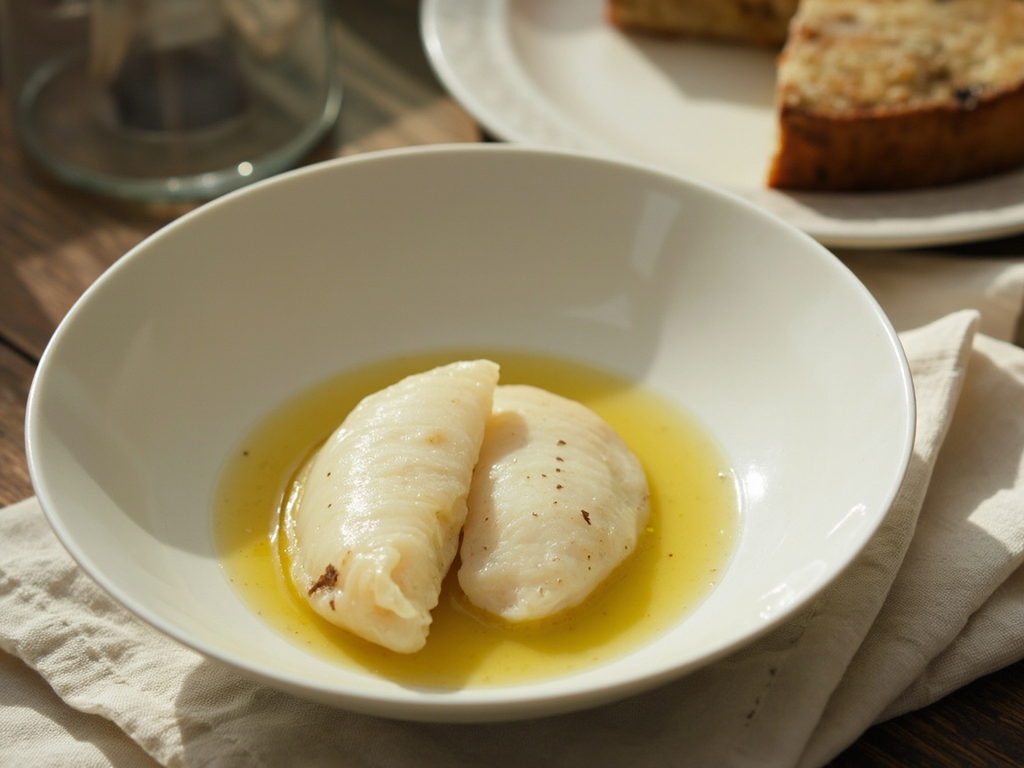
The contemporary twist : Serve the quenelles on a streak of clear broth perfumed with dill, in a white shallow bowl: the sobriety of a writer's page.
Aimé Pallière · Charactorium