 flip
flipBourride Sétoise with Monkfish and Its Aïoli
Bourride Sétoise with Monkfish and Its Aïoli
Why this dish? A quintessential market dish, made with the day's white fish. It perfectly matches Agnès Varda's relationship with food: simple fish and vegetables from the market, and olive oil from the Mediterranean of Sète.
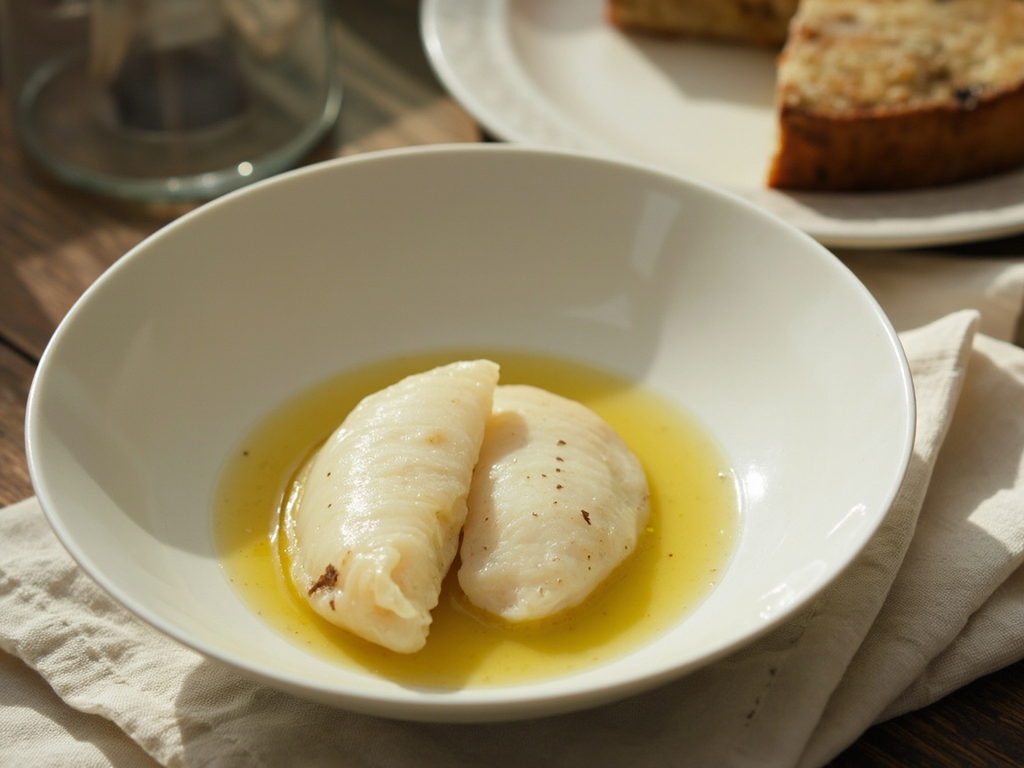
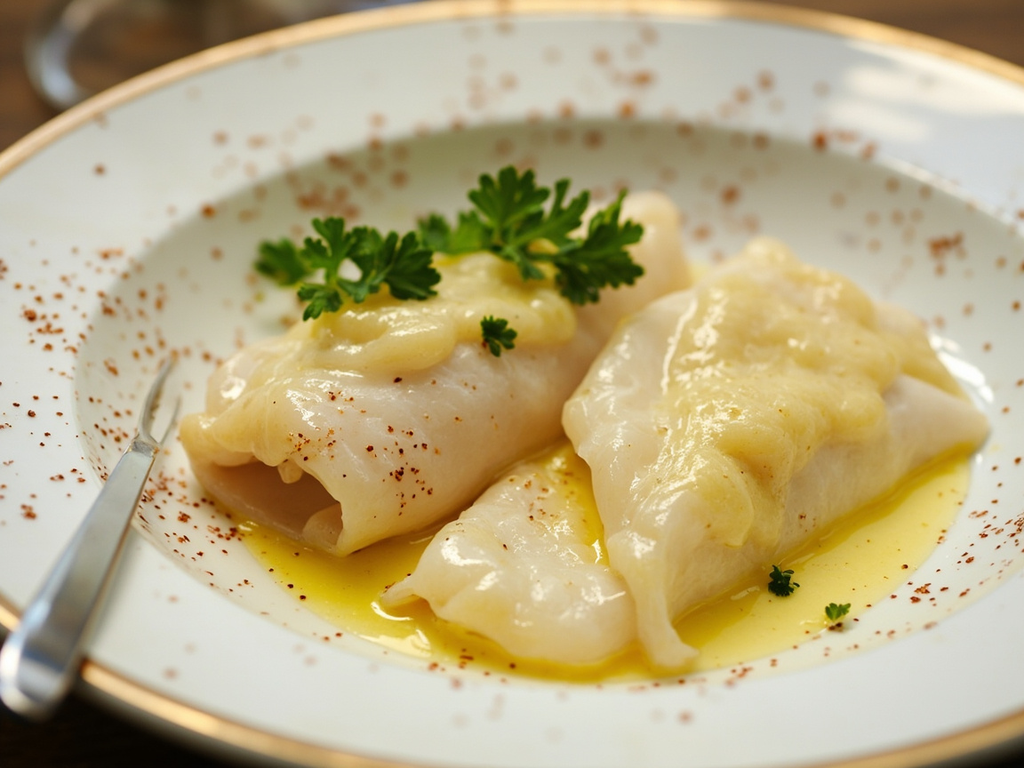
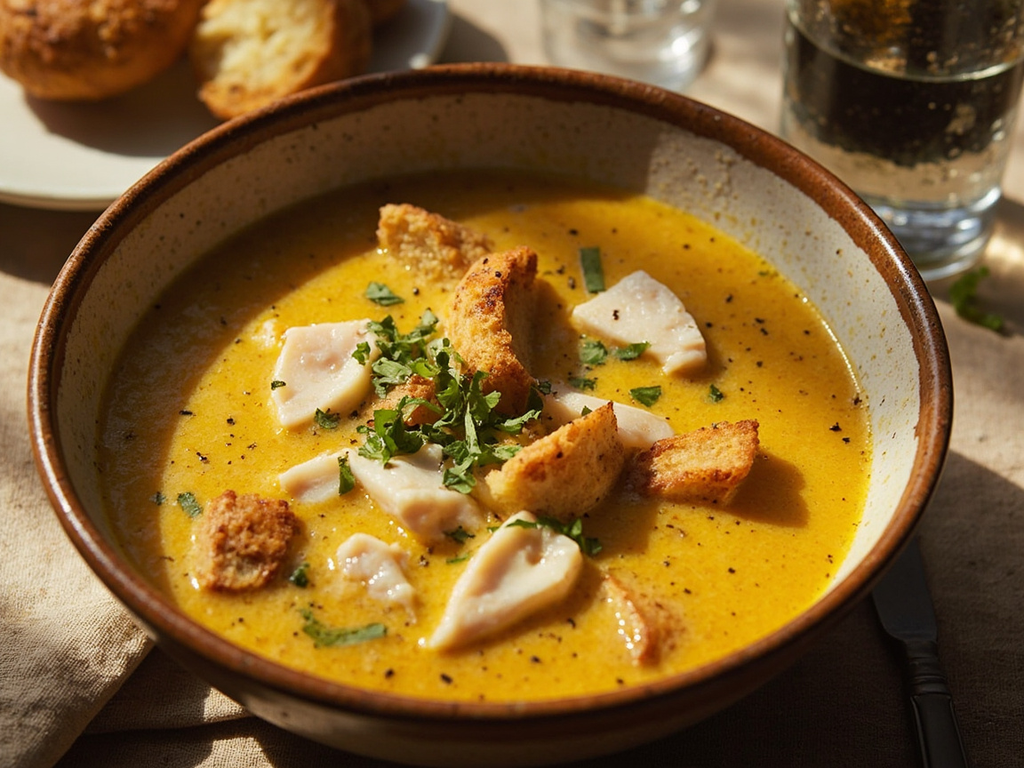
A white fish (monkfish) soup thickened with aïoli, creamy and golden. Served in two stages: the broth over garlic-rubbed croutons, then the fish and vegetables.
The bourride, you see, is not the flashy bouillabaisse of Marseille — it's its quieter cousin, gentler, more ours. You take the day's white fish, you make a little broth with leek and carrot, and the whole trick is this: you thicken it with aïoli off the heat, never letting it boil, or everything is lost. My mother used to say that a good bourride is recognized by its color — a yellow like the sun setting over the lagoon.
- •Monkfish (lotte) — one nice piece (fish)
- •Leek, carrot, onion — from the market (broth)
- •Garlic — a head (aïoli)
- •Egg yolks — a few (thickener)
- •Olive oil — generous (aïoli)
- •Stale bread — as needed (croutons)
Bourride Sétoise with Monkfish and Its Aïoli
A white fish (monkfish) soup thickened with aïoli, creamy and golden. Served in two stages: the broth over garlic-rubbed croutons, then the fish and vegetables.
Why this dish? A quintessential market dish, made with the day's white fish. It perfectly matches Agnès Varda's relationship with food: simple fish and vegetables from the market, and olive oil from the Mediterranean of Sète.
The bourride, you see, is not the flashy bouillabaisse of Marseille — it's its quieter cousin, gentler, more ours. You take the day's white fish, you make a little broth with leek and carrot, and the whole trick is this: you thicken it with aïoli off the heat, never letting it boil, or everything is lost. My mother used to say that a good bourride is recognized by its color — a yellow like the sun setting over the lagoon.
Ingredients (period version)
- Monkfish (lotte) — one nice piece (fish)
- Leek, carrot, onion — from the market (broth)
- Garlic — a head (aïoli)
- Egg yolks — a few (thickener)
- Olive oil — generous (aïoli)
- Stale bread — as needed (croutons)
Ingredients
- Monkfish fillets (or cod) — 800 g (fish)
- Leek — 1 (broth)
- Carrot — 2 (broth)
- Onion — 1 (broth)
- Garlic — 6 cloves (aïoli)
- Egg yolks — 4 (thickener + aïoli)
- Olive oil — 25 cl (aïoli)
- Dry white wine — 10 cl (broth)
- Country bread — 8 slices (croutons)
Method
- Prepare a court-bouillon with leek, carrot, onion, white wine, and water; let simmer for 20 min.
- Poach the monkfish pieces in it for 8-10 min, then keep warm. Strain the broth.
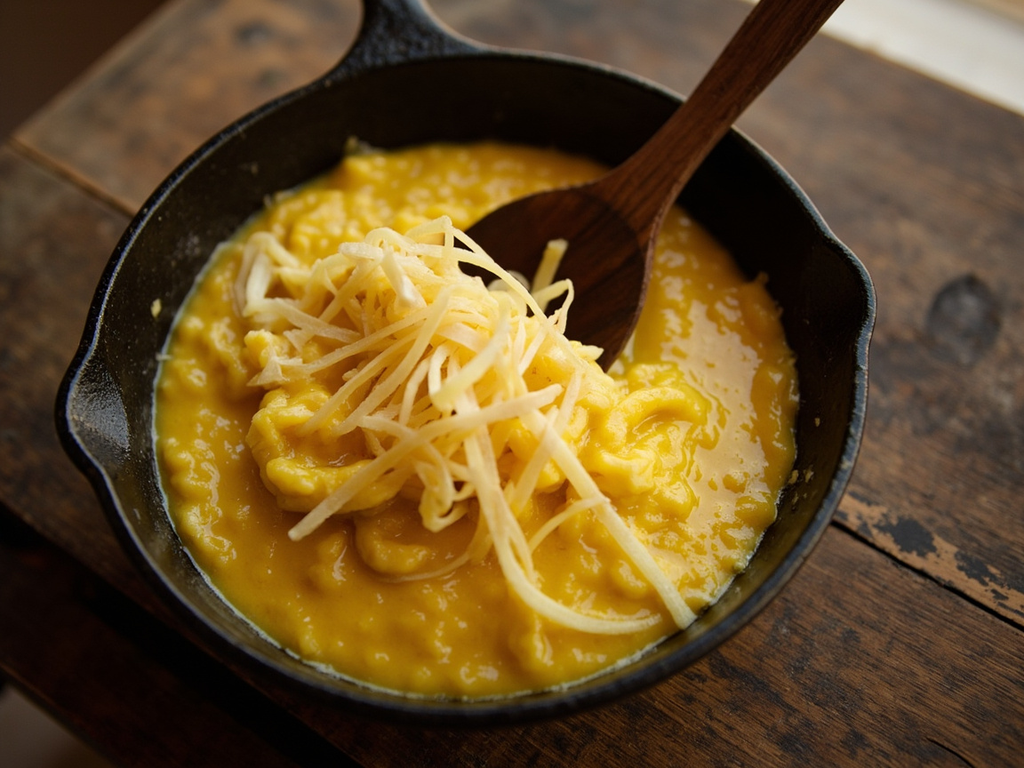
- Make an aïoli in a mortar: crushed garlic, salt, 2 egg yolks, then olive oil drizzled in.
- Off the heat, dilute half the aïoli with 2 egg yolks and a little broth, then pour back into the pot.
- Reheat very gently, stirring, without ever boiling, until the broth coats the spoon.
- Rub the croutons with garlic, place in bowls, pour the broth over, then serve the fish and remaining aïoli on the side.
How it was made : The bourride has been documented along the Languedoc and Provençal coast since the 19th century. On the Thau Basin, it was made with monkfish, an ugly but cheap fish, and thickened with aïoli rather than spicy rouille — a gentler, more family-friendly version.
The contemporary twist : Served in small bowls as a marine cappuccino, with an aïoli stick standing upright — a clean presentation that would have amused the visual artist.
Sources : Jean-Baptiste Reboul, La Cuisinière provençale · Office de tourisme de Sète — cuisine du Bassin de Thau
Agnès Varda · Charactorium