 flip
flipIpocrasso, the Spiced Wine of the Renaissance
Ipocrasso, the Spiced Wine of the Renaissance
Why this dish? The perfumed wine that closed the meals of good Florentine and Sevillian society in Vespucci's time; an Andalusian wine, honey, and spices of long-distance trade, in the image of this navigator between two worlds.
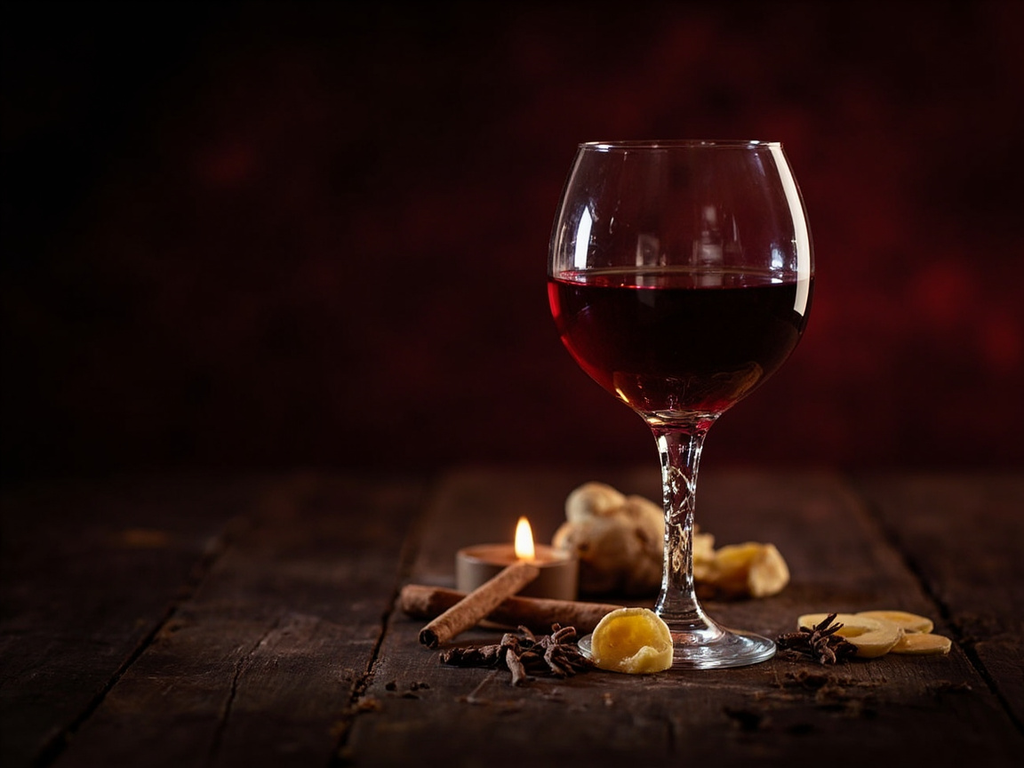
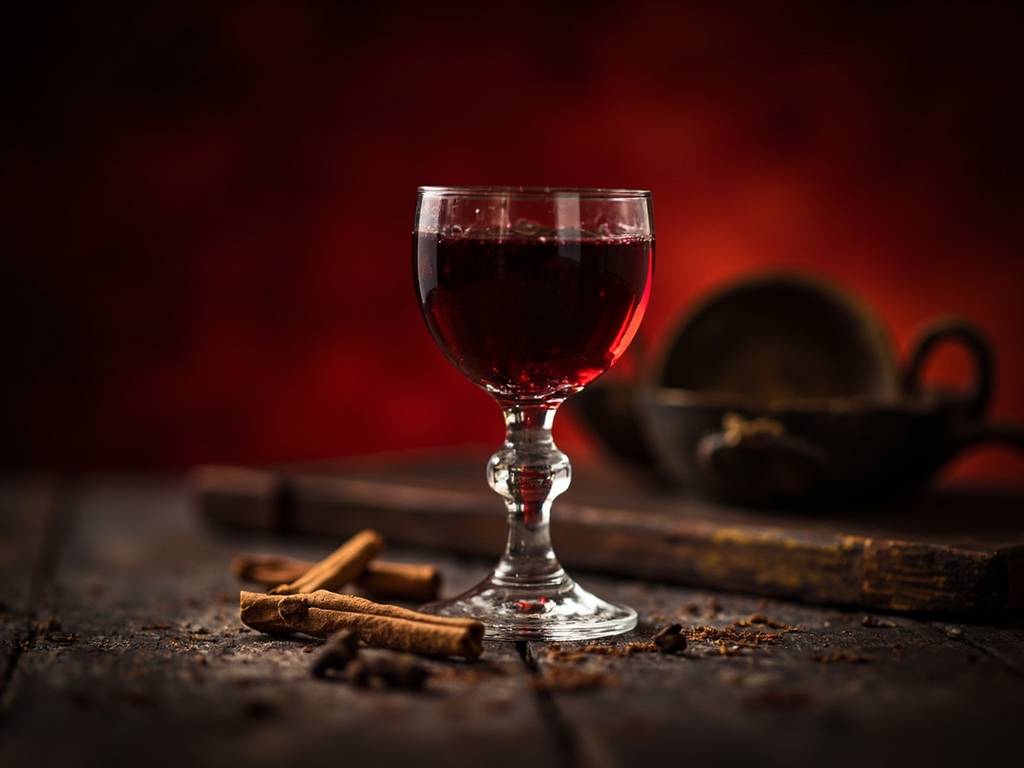
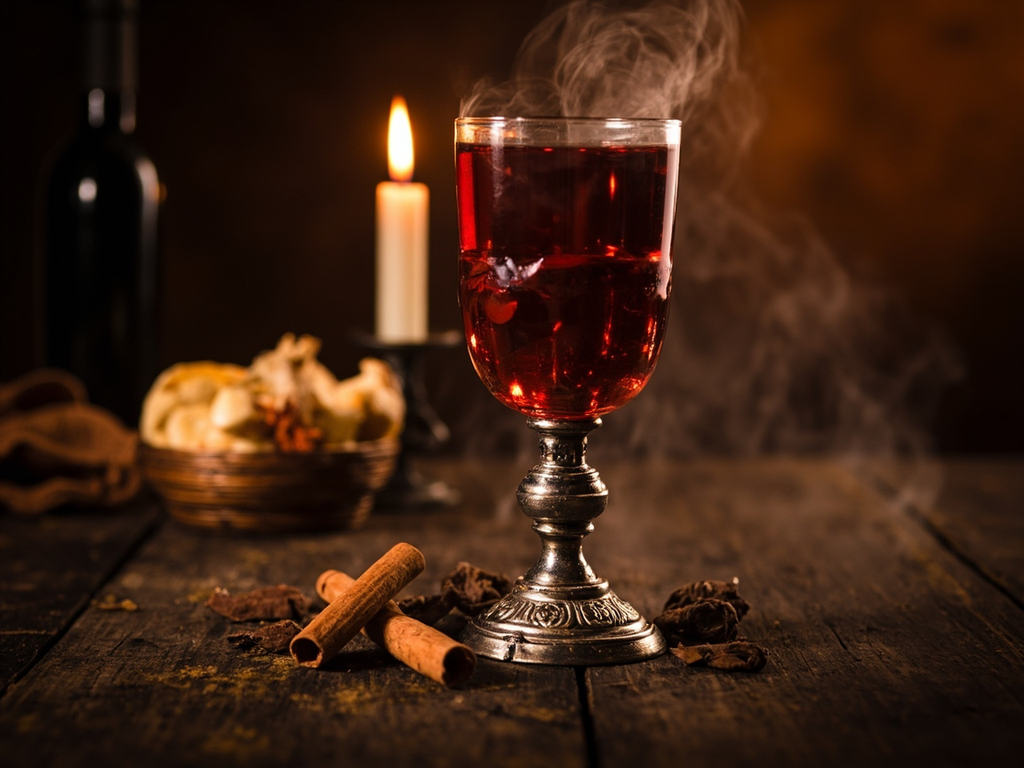
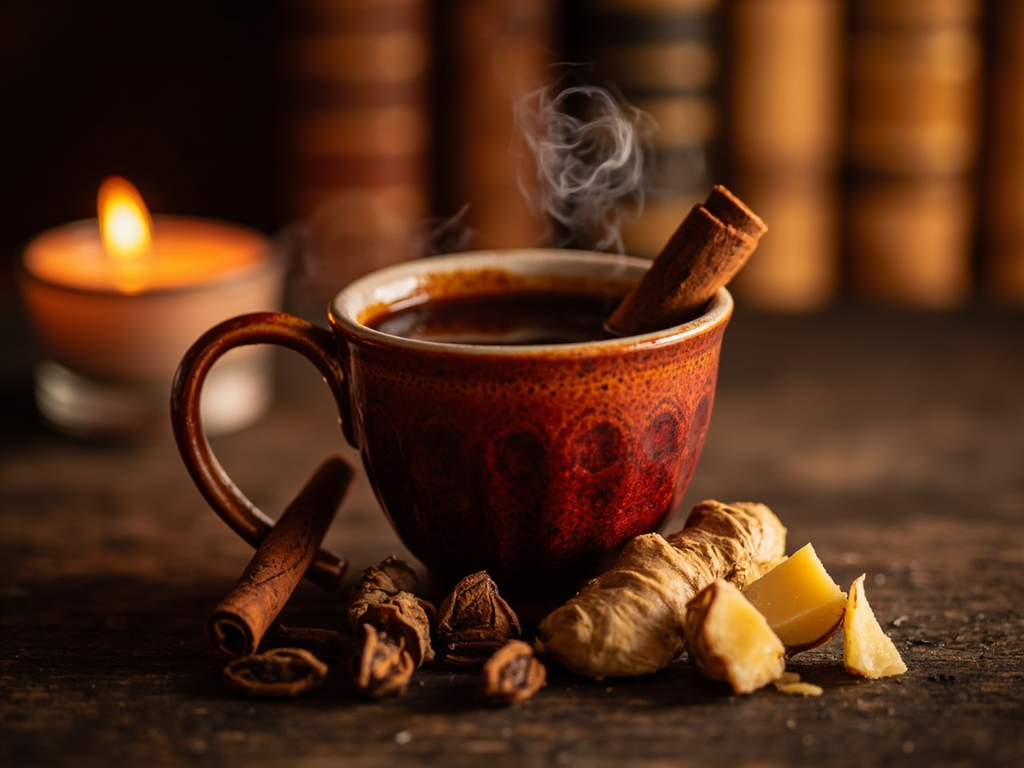
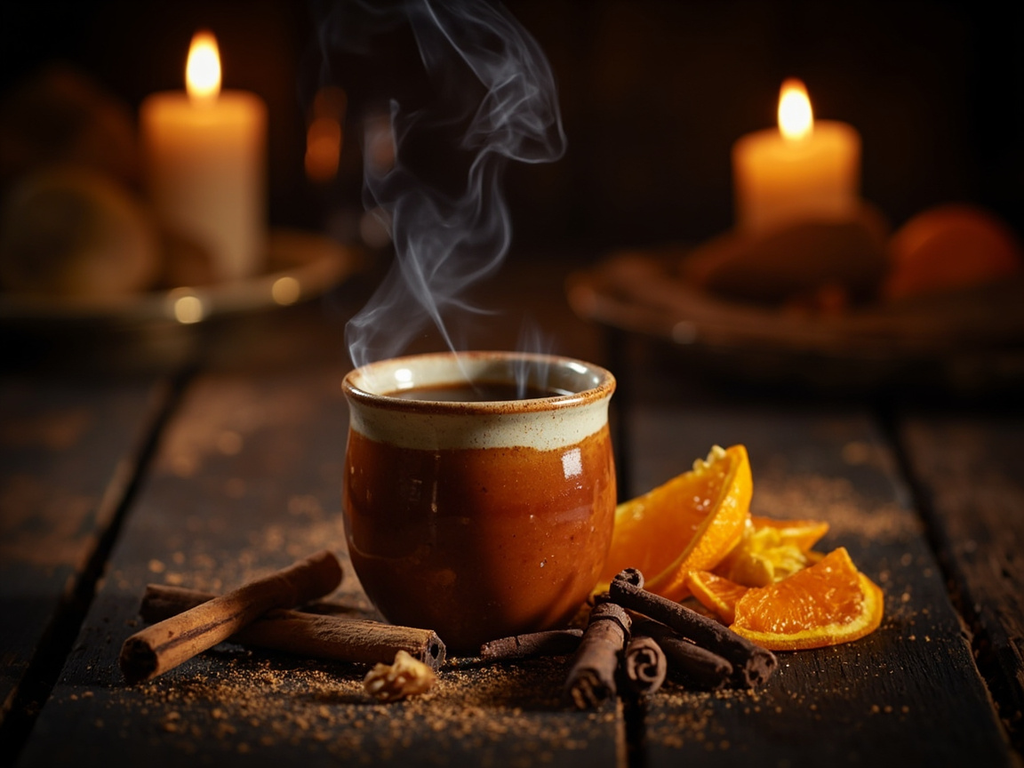
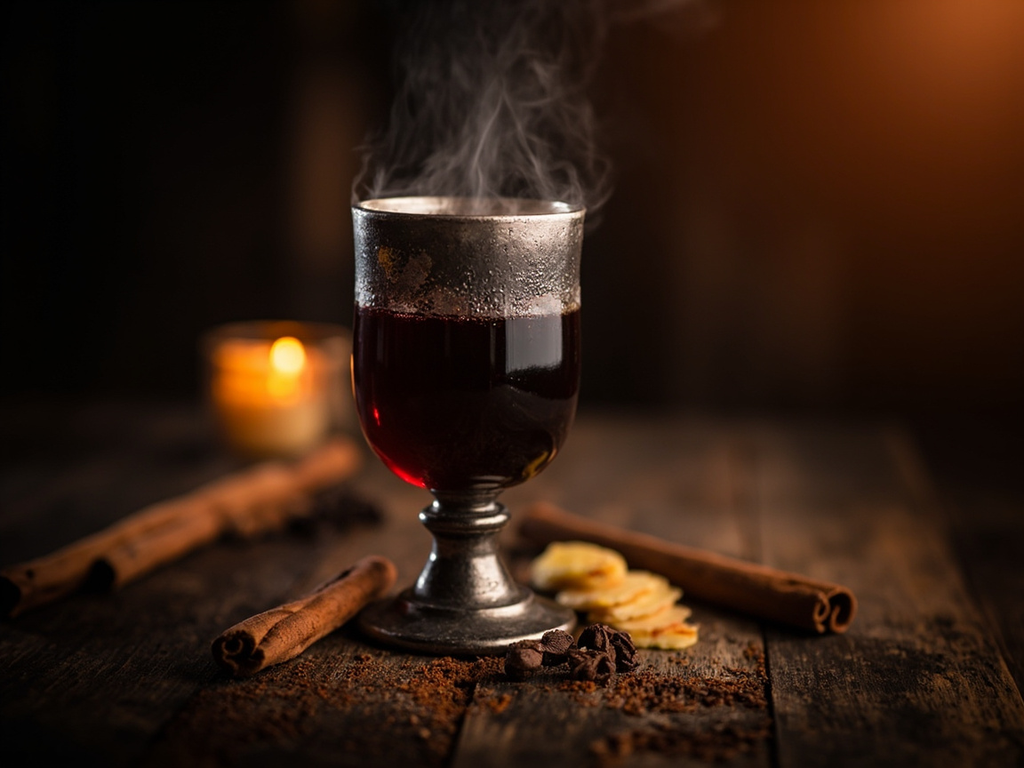
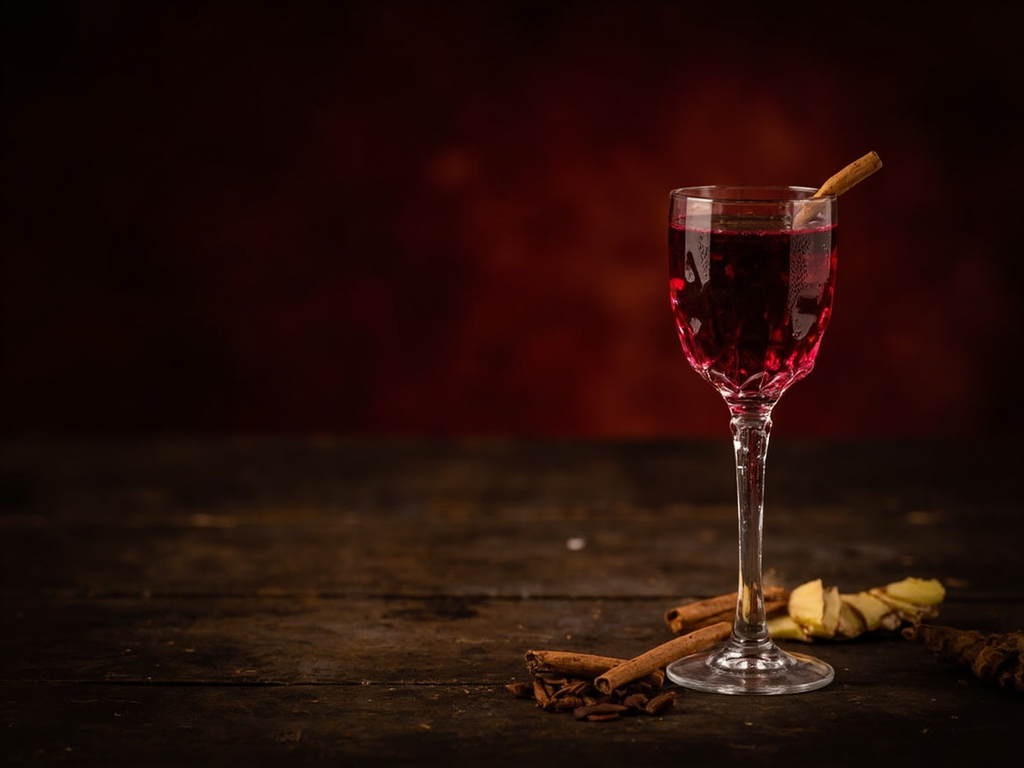
Sweet wine infused with spices (cinnamon, ginger, clove) and sweetened with honey or sugar, then filtered. Festive drink served at the end of meals throughout Renaissance Europe.
To close a meal worthily, nothing beats ipocrasso, this wine married to spices from the Levant. I would take a good Andalusian wine, throw in cinnamon, ginger, and clove, a little honey, and let it all unite overnight. Then it is passed through a cloth sleeve, again and again, until it is clear as a ruby. Drink a cup of it, and you will understand why spices are worth crossing oceans for.
- •Sweet wine (Andalusian) — a pitcher (base)
- •Honey — to taste (sweetness)
- •Cinnamon — one stick (spice)
- •Ginger — a piece (spice)
- •Clove — a few (spice)
- •Grains of paradise or long pepper — a pinch (spice)
Ipocrasso, the Spiced Wine of the Renaissance
Sweet wine infused with spices (cinnamon, ginger, clove) and sweetened with honey or sugar, then filtered. Festive drink served at the end of meals throughout Renaissance Europe.
Why this dish? The perfumed wine that closed the meals of good Florentine and Sevillian society in Vespucci's time; an Andalusian wine, honey, and spices of long-distance trade, in the image of this navigator between two worlds.
To close a meal worthily, nothing beats ipocrasso, this wine married to spices from the Levant. I would take a good Andalusian wine, throw in cinnamon, ginger, and clove, a little honey, and let it all unite overnight. Then it is passed through a cloth sleeve, again and again, until it is clear as a ruby. Drink a cup of it, and you will understand why spices are worth crossing oceans for.
Ingredients (period version)
- Sweet wine (Andalusian) — a pitcher (base)
- Honey — to taste (sweetness)
- Cinnamon — one stick (spice)
- Ginger — a piece (spice)
- Clove — a few (spice)
- Grains of paradise or long pepper — a pinch (spice)
Ingredients
- Sweet red or white wine — 75 cl (base)
- Honey — 60 to 80 g (sweetness)
- Cinnamon stick — 1 (spice)
- Fresh ginger — a 2 cm piece, sliced (spice)
- Cloves — 4 (spice)
- Long pepper or black pepper — 1/2 tsp (spice)
- Grated nutmeg — a pinch (spice)
Method
- Pour the wine into a container, dissolve the honey without heating strongly (slight warming helps).
- Add all the spices, whole or cracked.
- Cover and let infuse cold from a few hours to overnight, depending on desired intensity.
- Filter carefully through a cheesecloth (the 'Hippocrates sleeve'), several times if needed, until a clear liquid is obtained.
- Serve chilled or at room temperature, in small cups, at the end of the meal.
- Non-alcoholic version: replace wine with grape juice and reduce honey.
How it was made : Hypocras (or ipocrasso in Italian) takes its name from the 'Hippocrates sleeve', the conical cloth bag used to filter it. Sweetened with honey or sugar and loaded with costly spices brought by Levantine trade, it was the prestigious digestif of all 14th-16th century Europe, a symbol of wealth and refinement.
The contemporary twist : Served on ice in small honey-frosted glasses, paired with dried fruits and almonds, as a nod to Renaissance 'chamber spices'.
Amerigo Vespucci · Charactorium