 flip
flipSpiced Wine Cut with Water (Curia Style)
Spiced Wine Cut with Water (Curia Style)
Why this dish? The anchor of Anastasius IV's table specifies that wine was drunk mixed with water according to the monastic custom inherited by the curia. On feast days, this wine was spiced with honey and spices—a Roman version of the flavored wine that all the Middle Ages enjoyed at the end of the meal.
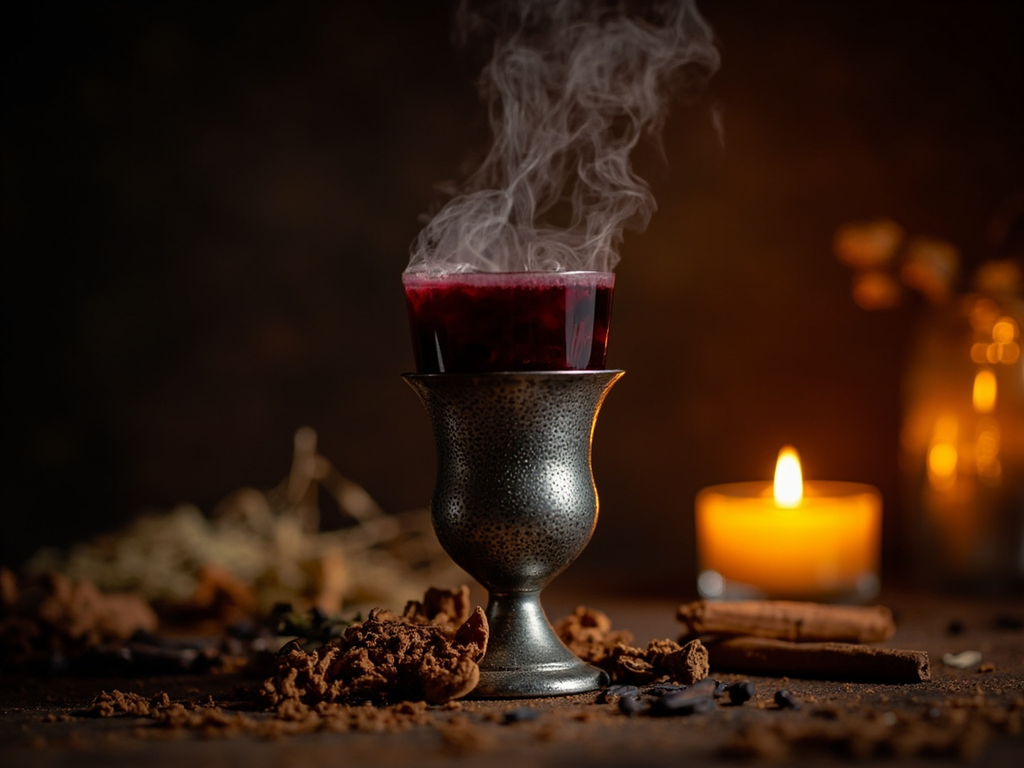
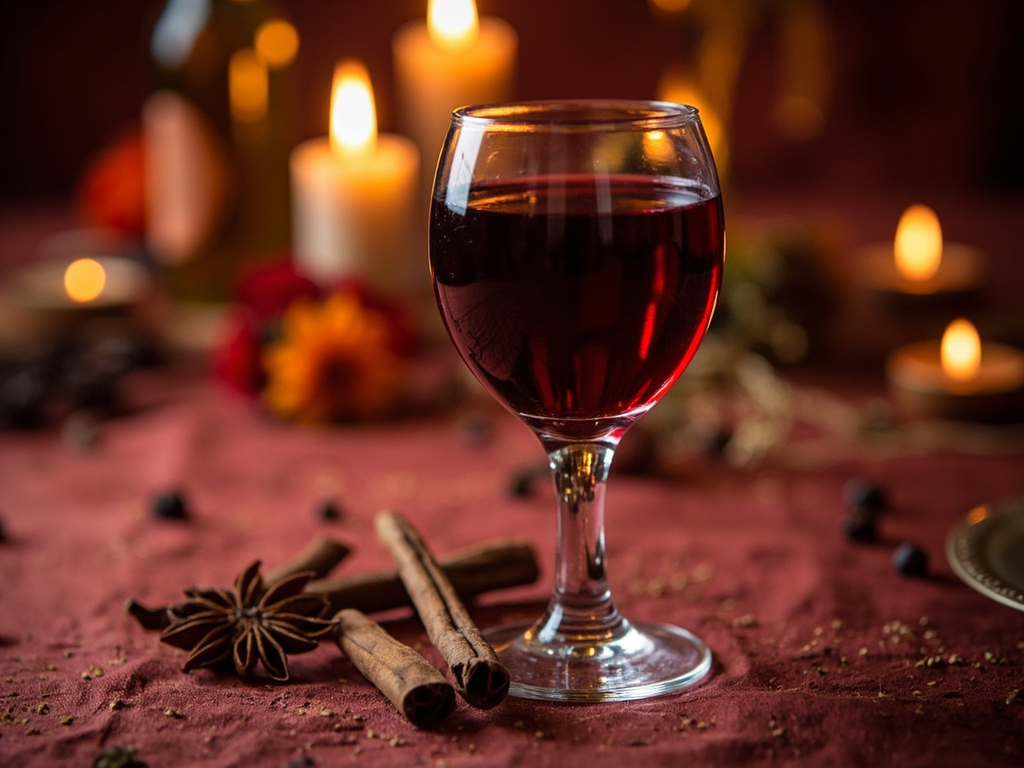
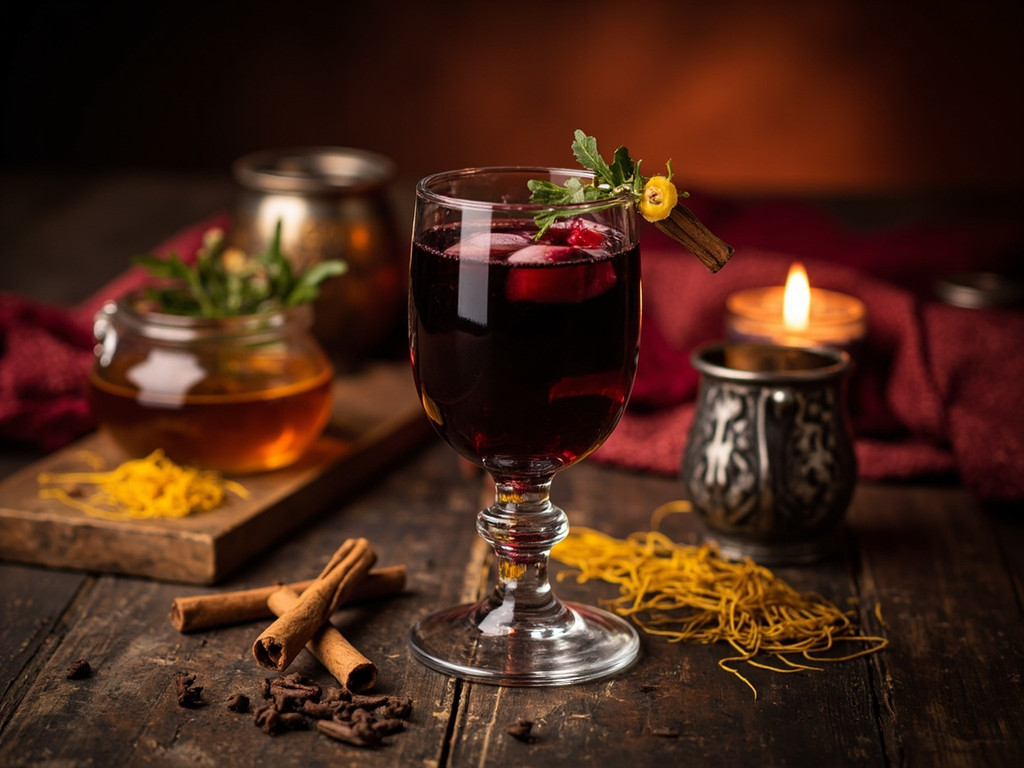
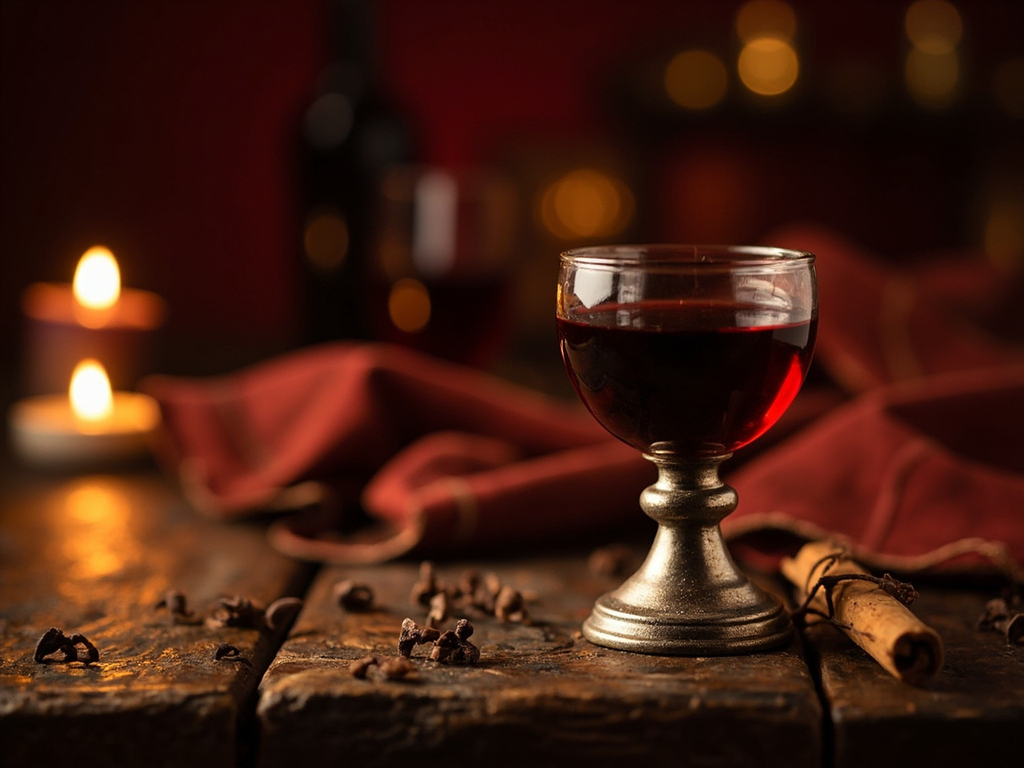
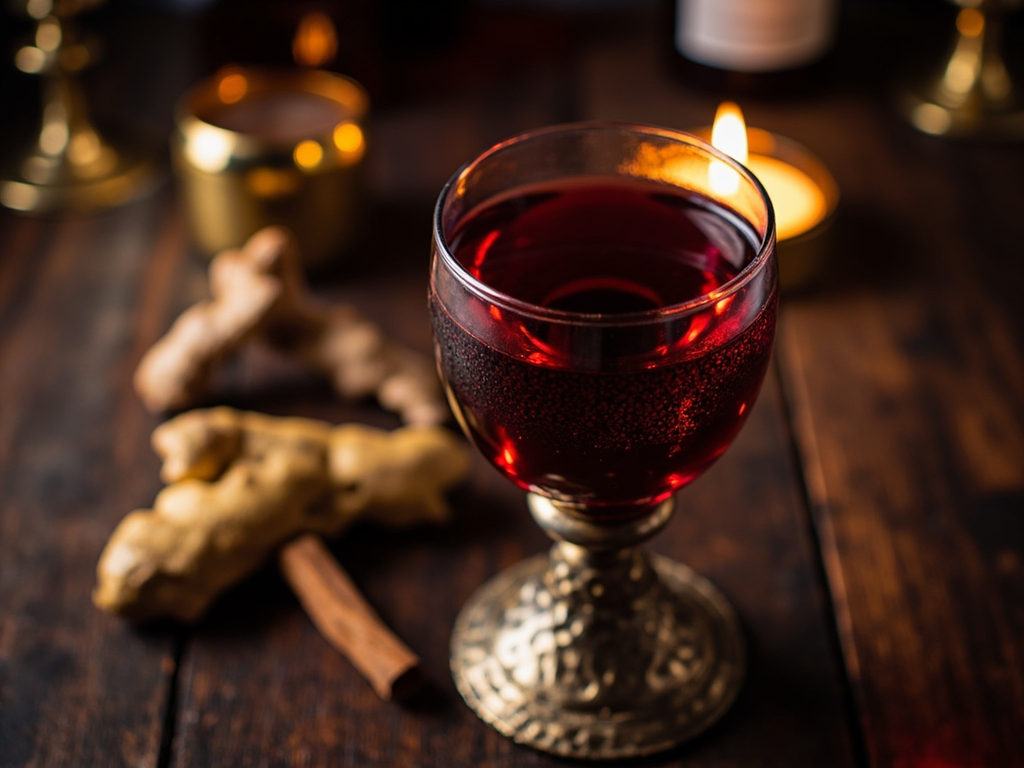
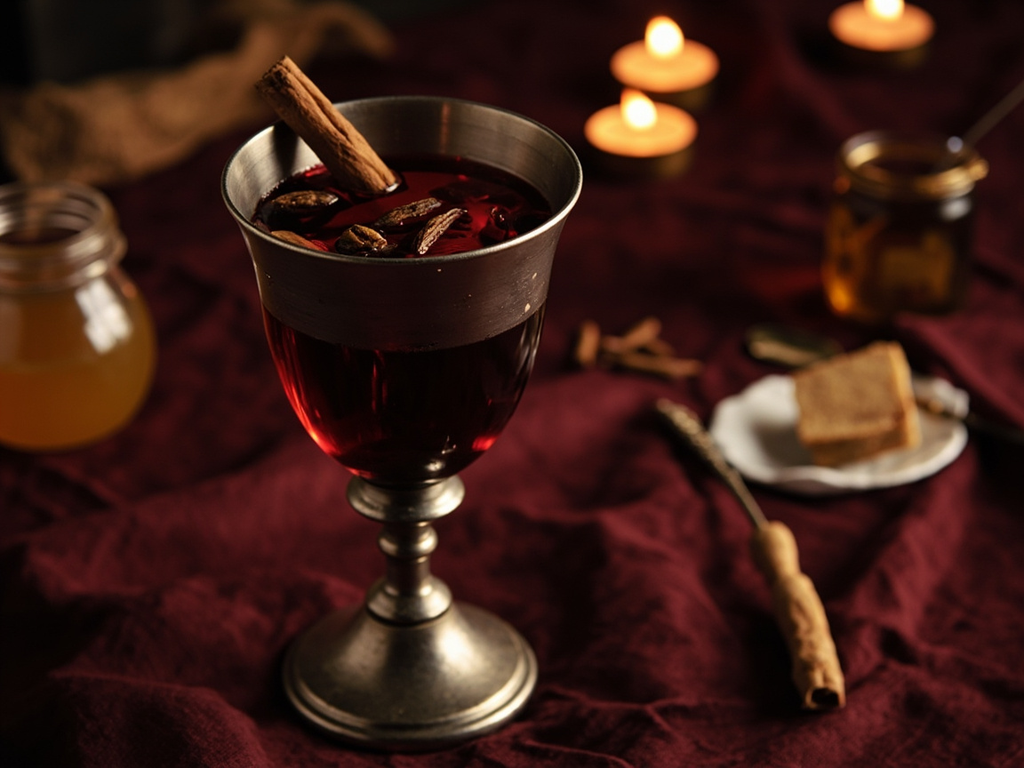
Hot red wine flavored with honey, cinnamon, ginger, and cloves, then diluted with water to respect monastic moderation. A comforting, digestive, and festive drink, on the border between remedy and pleasure.
Drunkenness ill suits a cleric, mark that well: that is why at Our table wine was always married to water, as the monks taught. But let no one think sobriety is the enemy of joy! On festive evenings, we heated wine with honey, cinnamon, and cloves from the East, and drank a cup tempered with water to warm old bones and aid digestion. It is sweet, it is spiced, and it gives thanks to God without offending temperance.
- •Red wine — a pitcher (base)
- •Honey — as needed (sweetness)
- •Cinnamon — a stick (spice)
- •Ginger — a piece (warming spice)
- •Clove — a few (fragrant spice)
- •Water — as customary (temper the wine)
Spiced Wine Cut with Water (Curia Style)
Hot red wine flavored with honey, cinnamon, ginger, and cloves, then diluted with water to respect monastic moderation. A comforting, digestive, and festive drink, on the border between remedy and pleasure.
Why this dish? The anchor of Anastasius IV's table specifies that wine was drunk mixed with water according to the monastic custom inherited by the curia. On feast days, this wine was spiced with honey and spices—a Roman version of the flavored wine that all the Middle Ages enjoyed at the end of the meal.
Drunkenness ill suits a cleric, mark that well: that is why at Our table wine was always married to water, as the monks taught. But let no one think sobriety is the enemy of joy! On festive evenings, we heated wine with honey, cinnamon, and cloves from the East, and drank a cup tempered with water to warm old bones and aid digestion. It is sweet, it is spiced, and it gives thanks to God without offending temperance.
Ingredients (period version)
- Red wine — a pitcher (base)
- Honey — as needed (sweetness)
- Cinnamon — a stick (spice)
- Ginger — a piece (warming spice)
- Clove — a few (fragrant spice)
- Water — as customary (temper the wine)
Ingredients
- Full-bodied red wine — 500 ml (base)
- Honey — 3 tbsp (sweetness)
- Cinnamon stick — 1 (spice)
- Fresh ginger — 4 thin slices (warming spice)
- Cloves — 4 (fragrant spice)
- Water — 150–200 ml (temper the wine)
Method
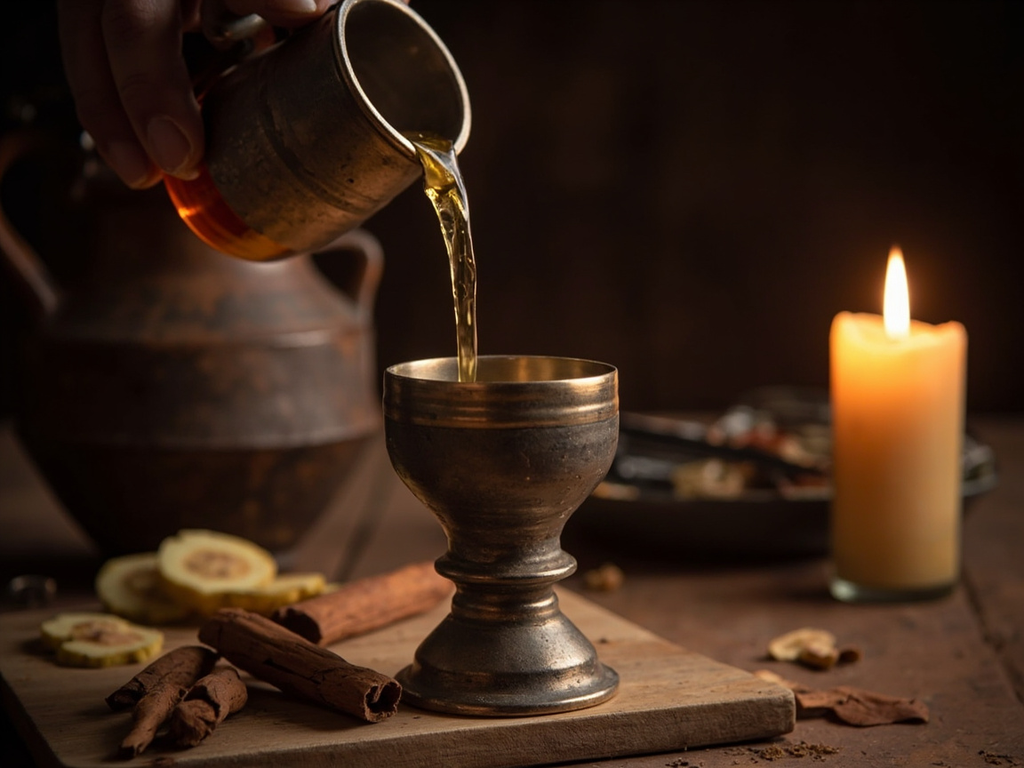
- Pour the wine into a saucepan with honey, cinnamon, ginger, and cloves.
- Heat gently without boiling; let infuse for 10–15 minutes.
- Taste and adjust honey according to the wine.
- Dilute with hot water following monastic custom, to a tempered mixture.
- Strain and serve warm in cups.
How it was made : Cutting wine with water had been the norm since antiquity and was preserved by medieval monastic rules for temperance's sake. Spiced and honeyed wine (ancestor of hypocras) spread throughout Europe, both a table pleasure and a remedy reputedly good for digestion.
The contemporary twist : Serve a non-alcoholic version with hot red grape juice: the same spice bouquet, accessible to the whole family table.
Anastasius IV · Charactorium