 flip
flipПитание в тюбиках — the cosmonaut's tube menu
Питание в тюбиках — the cosmonaut's tube menu
Why this dish? The absolute contrast with his village table: aboard Vostok 3 (1962, 64 orbits) and then Soyuz 9 (1970, record 18 days), Nikolaiev ate purées and juices squeezed from metal tubes, designed so that no crumb would float toward the instruments. It is the most directly documented food of his life, and the symbol of food rethought for weightlessness.
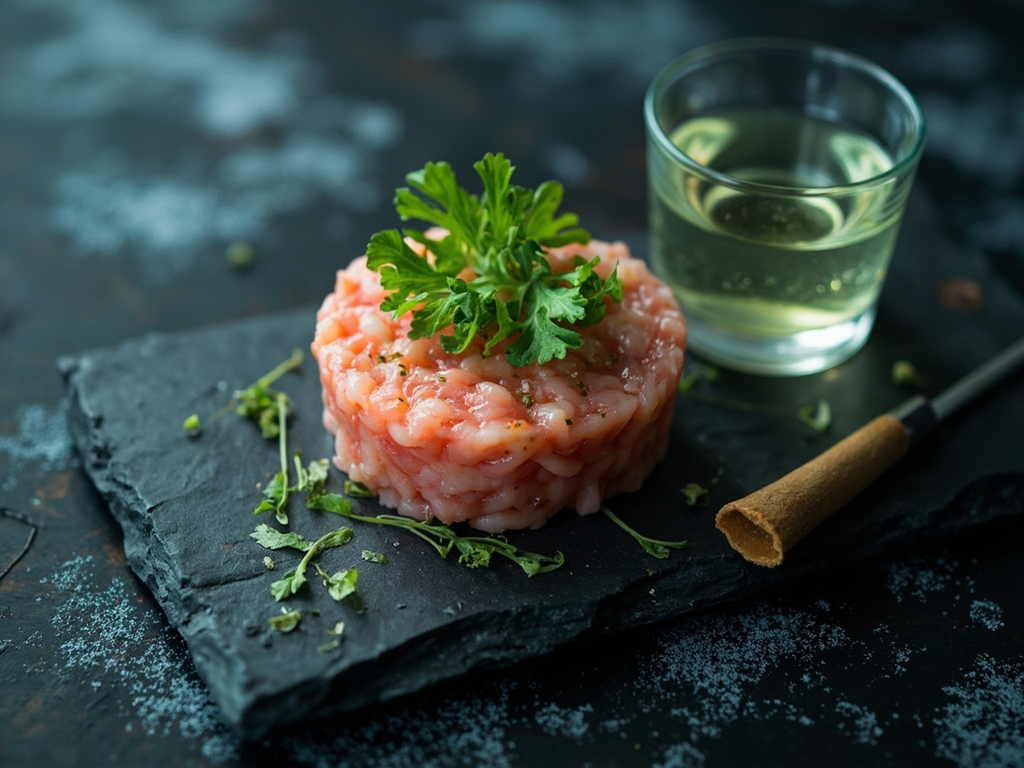
A smooth meat purée, perfectly homogeneous, packaged in a soft tube like toothpaste, squeezed directly into the mouth. Salty, concentrated, no chunks: designed to nourish without a single crumb in weightlessness.
Up there, comrade, you don't set the table: not a single crumb must float, otherwise it heads into the instruments. So the meat, the borscht, the fruit juice, everything is in a tube, smooth as cream. You squeeze, you swallow, you close it. At first it surprises you, but after eight days in orbit you're happy to have something hot and salty that reminds you of a real meal. The scientists at Star City had calculated everything: proteins, vitamins — better, I swear, than many canteens down below.
- •Lean beef — one portion (protein)
- •Concentrated broth — a little (binder and flavor)
- •Dietary fat — a touch (energy)
- •Salt — measured (seasoning)
Питание в тюбиках — the cosmonaut's tube menu
A smooth meat purée, perfectly homogeneous, packaged in a soft tube like toothpaste, squeezed directly into the mouth. Salty, concentrated, no chunks: designed to nourish without a single crumb in weightlessness.
Why this dish? The absolute contrast with his village table: aboard Vostok 3 (1962, 64 orbits) and then Soyuz 9 (1970, record 18 days), Nikolaiev ate purées and juices squeezed from metal tubes, designed so that no crumb would float toward the instruments. It is the most directly documented food of his life, and the symbol of food rethought for weightlessness.
Up there, comrade, you don't set the table: not a single crumb must float, otherwise it heads into the instruments. So the meat, the borscht, the fruit juice, everything is in a tube, smooth as cream. You squeeze, you swallow, you close it. At first it surprises you, but after eight days in orbit you're happy to have something hot and salty that reminds you of a real meal. The scientists at Star City had calculated everything: proteins, vitamins — better, I swear, than many canteens down below.
Ingredients (period version)
- Lean beef — one portion (protein)
- Concentrated broth — a little (binder and flavor)
- Dietary fat — a touch (energy)
- Salt — measured (seasoning)
Ingredients
- Boiled lean beef — 300 g (protein)
- Beef broth — 100 ml (binder)
- Butter or oil — 1 tbsp (creaminess)
- Salt, pepper, pinch of nutmeg — to taste (seasoning)
- Reusable food tube or soft pouch — 1 (orbital packaging)
Method
- Cook the beef in its broth until very tender.
- Blend the meat thoroughly with a little broth, butter, and seasoning until perfectly smooth, with no lumps.
- Optionally pass through a fine sieve for a homogeneous "tube" texture.
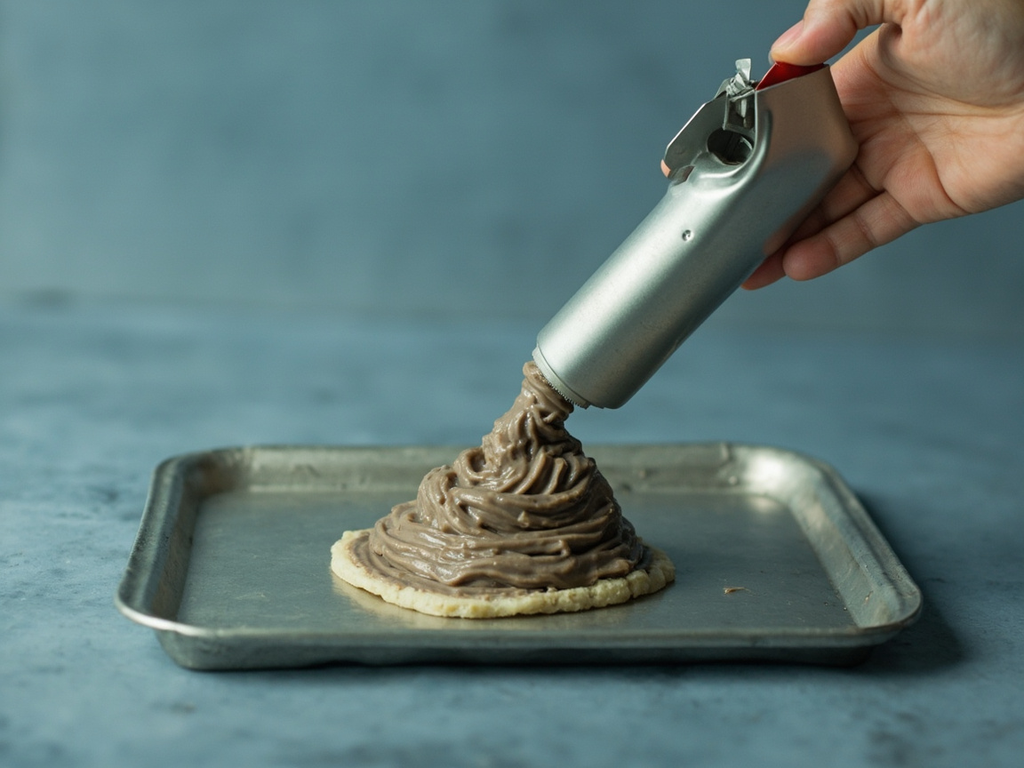
- Fill a clean food tube or soft pouch using a spoon or piping bag.
- Warm the tube for a few minutes in hot water and eat by squeezing directly into the mouth — no plate, no utensils, as in orbit.
How it was made : From the earliest Soviet flights, space food was packaged in metal tubes (meat purées, soups, fruit juices) to avoid dangerous crumbs in weightlessness and waste. Developed by the Institute of Biomedical Research and tested at Star City, this food was calculated for proteins and vitamins. Long flights like Soyuz 9 (18 days) were decisive for studying how to sustainably feed a body in weightlessness.
The contemporary twist : Serve "the cosmonaut menu" in mini-tubes lined up on a metal tray with labels, to be squeezed by oneself — an educational tasting that always impresses in class.
Andriyan Nikolayev · Charactorium