 flip
flipFava Bean Purée with Cumin and Moringa Oil
Fava Bean Purée with Cumin and Moringa Oil
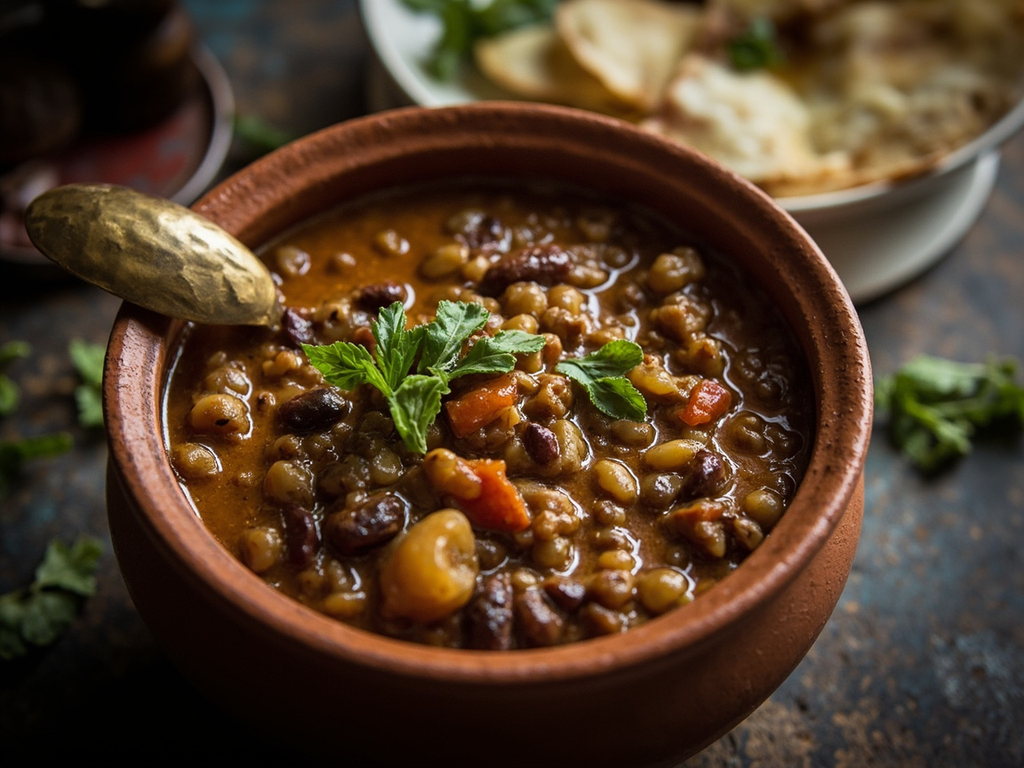
Why this dish? Fava beans, lentils, and chickpeas fed the people who built Akhetaten, Akhenaten's new city dedicated to Aten. While the disk received fruits and flowers, the workers of the solar construction site lived on this fava bean stew dipped with emmer bread.
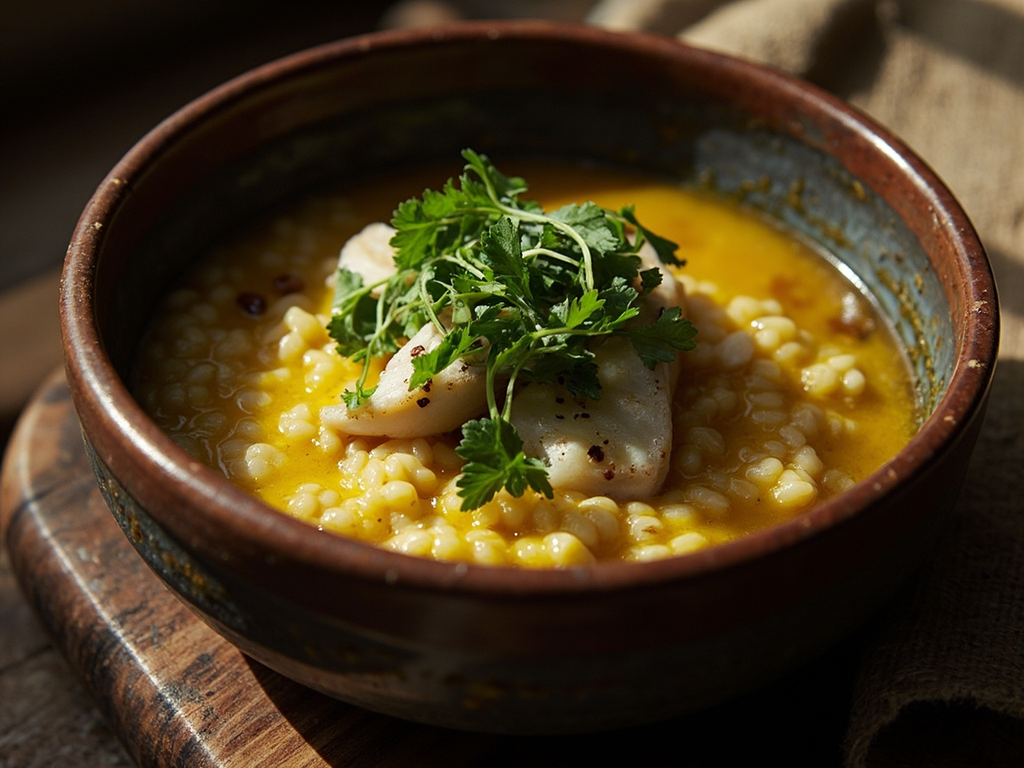
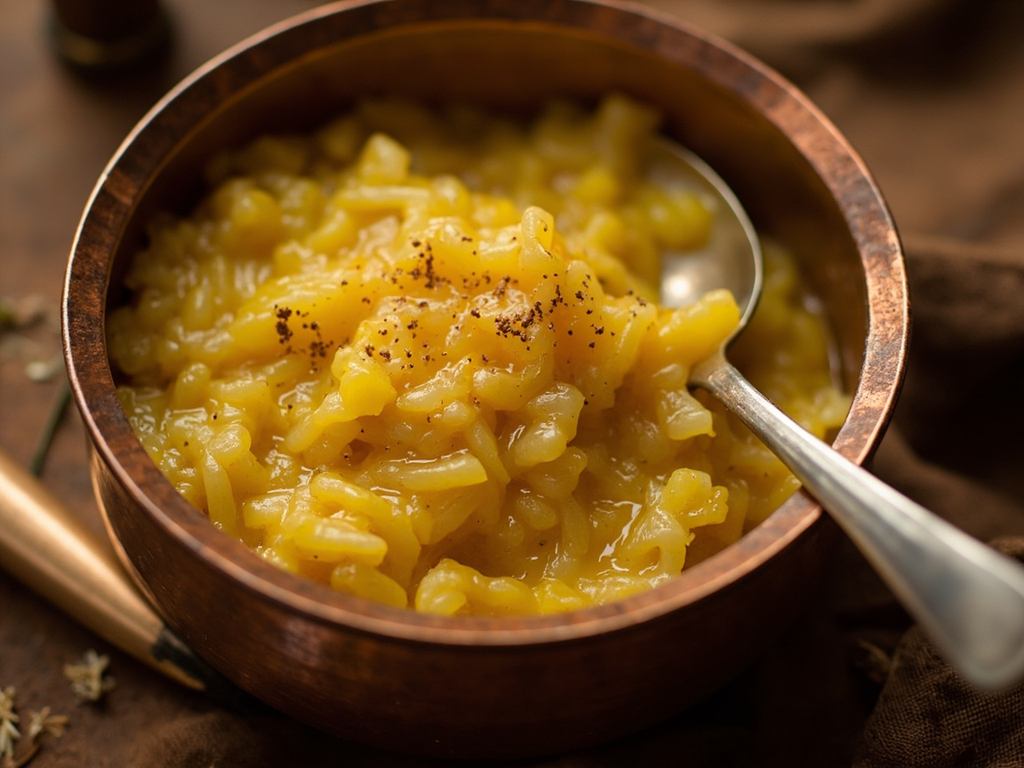
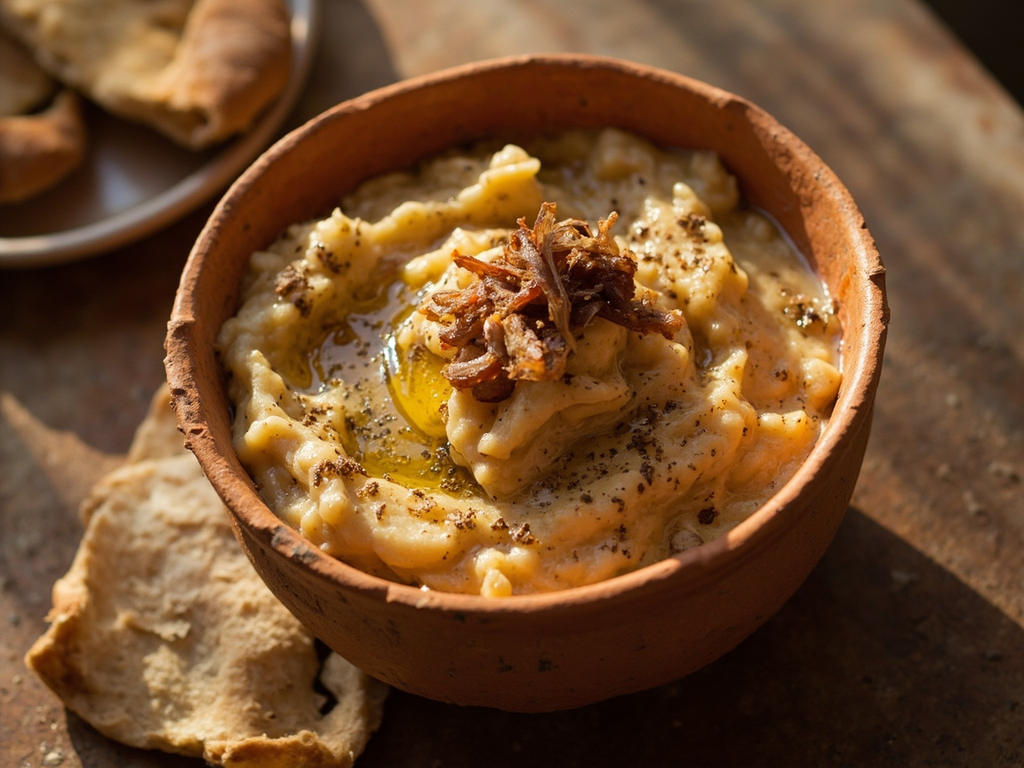
A creamy purée of long-cooked fava beans, seasoned with cumin and coriander, bound with vegetable oil and a little onion. The distant ancestor of the fava bean dish still eaten in Egypt today.
Not all my children eat at the temple table: those who carve my stelae and build my city return in the evening to a pot of fava beans. Soak them all night under my rest, then cook them until they melt; mash them, perfume with cumin and coriander, drizzle with oil and sweet onion. Dipped with a piece of bread, it is a meal that my heat has caused to grow entirely from the earth.
- •Dried fava beans — two handfuls (nourishing base)
- •Onion — 1 (aromatic)
- •Cumin — a pinch (signature spice)
- •Coriander (seeds) — a pinch (fragrance)
- •Moringa oil (or balanites oil) — a drizzle (fat binder)
- •Salt — a pinch (flavor)
Fava Bean Purée with Cumin and Moringa Oil
A creamy purée of long-cooked fava beans, seasoned with cumin and coriander, bound with vegetable oil and a little onion. The distant ancestor of the fava bean dish still eaten in Egypt today.
Why this dish? Fava beans, lentils, and chickpeas fed the people who built Akhetaten, Akhenaten's new city dedicated to Aten. While the disk received fruits and flowers, the workers of the solar construction site lived on this fava bean stew dipped with emmer bread.
Not all my children eat at the temple table: those who carve my stelae and build my city return in the evening to a pot of fava beans. Soak them all night under my rest, then cook them until they melt; mash them, perfume with cumin and coriander, drizzle with oil and sweet onion. Dipped with a piece of bread, it is a meal that my heat has caused to grow entirely from the earth.
Ingredients (period version)
- Dried fava beans — two handfuls (nourishing base)
- Onion — 1 (aromatic)
- Cumin — a pinch (signature spice)
- Coriander (seeds) — a pinch (fragrance)
- Moringa oil (or balanites oil) — a drizzle (fat binder)
- Salt — a pinch (flavor)
Ingredients
- Dried split fava beans — 250 g (base)
- Onion — 1, sliced (aromatic)
- Ground cumin — 1 tsp (signature spice)
- Ground coriander seeds — 1/2 tsp (fragrance)
- Olive oil (if moringa unavailable) — 3 tbsp (binder)
- Garlic — 1 clove (aromatic)
- Salt — to taste (seasoning)
- Lemon juice (optional) — 1/2 (acidity (optional, Ptolemaic period))
Method
- Soak the fava beans overnight in cold water.
- Drain, cover with fresh water, and cook over low heat for 1½ to 2 hours, until very tender.
- Sauté the onion (and garlic) in a little oil until golden, add cumin and coriander, let the fragrance bloom.
- Coarsely mash the beans with their cooking liquid, stir in the spiced onion and remaining oil.
- Season with salt, adjust water for a creamy purée; a squeeze of lemon if you like freshness.
- Serve warm, drizzled with a little oil, with emmer bread for dipping.
How it was made : Fava beans, lentils, chickpeas, and lupins formed the daily protein of ancient Egypt. They were simmered for a long time in clay pots, flavored with cumin, coriander, and onion, and bound with vegetable oil (moringa, balanites, flax), as butter and olive oil were rare. Lemon arrived only in later periods.
The contemporary twist : Mound the purée into a dome, make a small crater, and pour in the fragrant oil: a sun of moringa in the center of the plate, a discreet homage to the disk.
Sources : W. J. Darby, P. Ghalioungui, L. Grivetti, "Food: The Gift of Osiris" (1977) · Pierre Tallet, "La cuisine des pharaons" (Actes Sud)
Aten · Charactorium