 flip
flipSvensk punsch (Swedish Arrack Punch)
Svensk punsch (Swedish Arrack Punch)
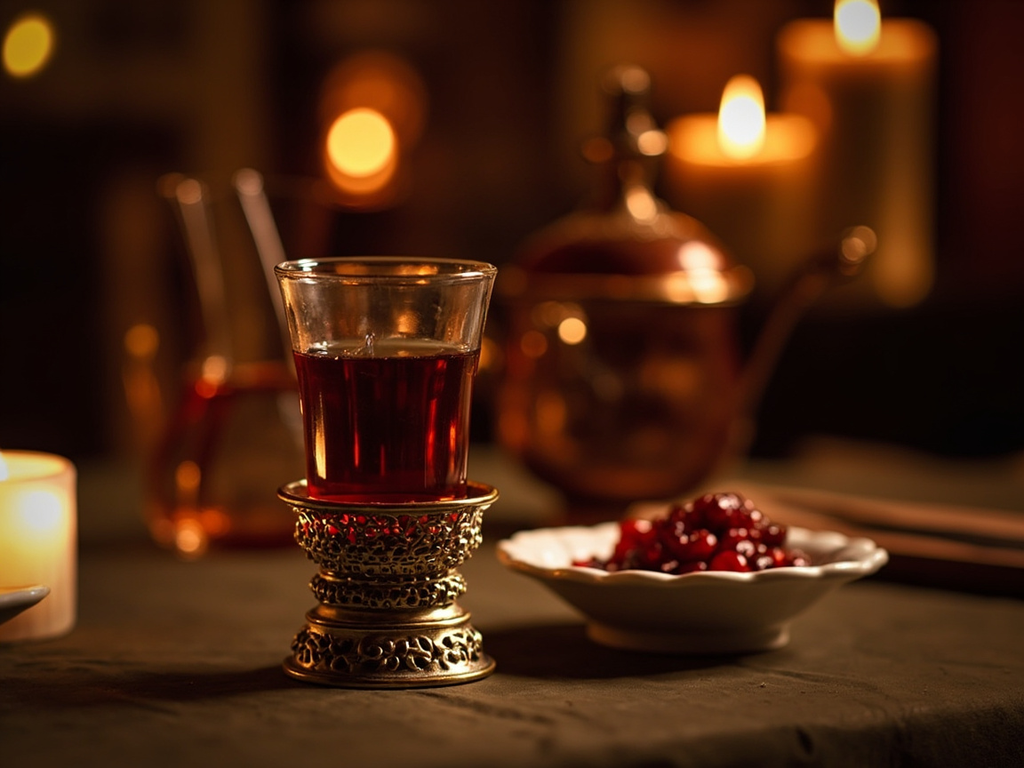
Why this dish? Swedish punsch was the drink of cafés, Uppsala student parties, and the literary circles where Strindberg spent so many hours debating, provoking, and writing. An emblematic liqueur of late 19th-century Scandinavian bohemia, it was drunk warm after meals.
A sweet-sour liqueur based on arrack (cane spirit from Asia imported by the Swedish East India Company), blended with a sugar syrup and spices, sometimes with added white wine. It was heated for serving during evening gatherings.
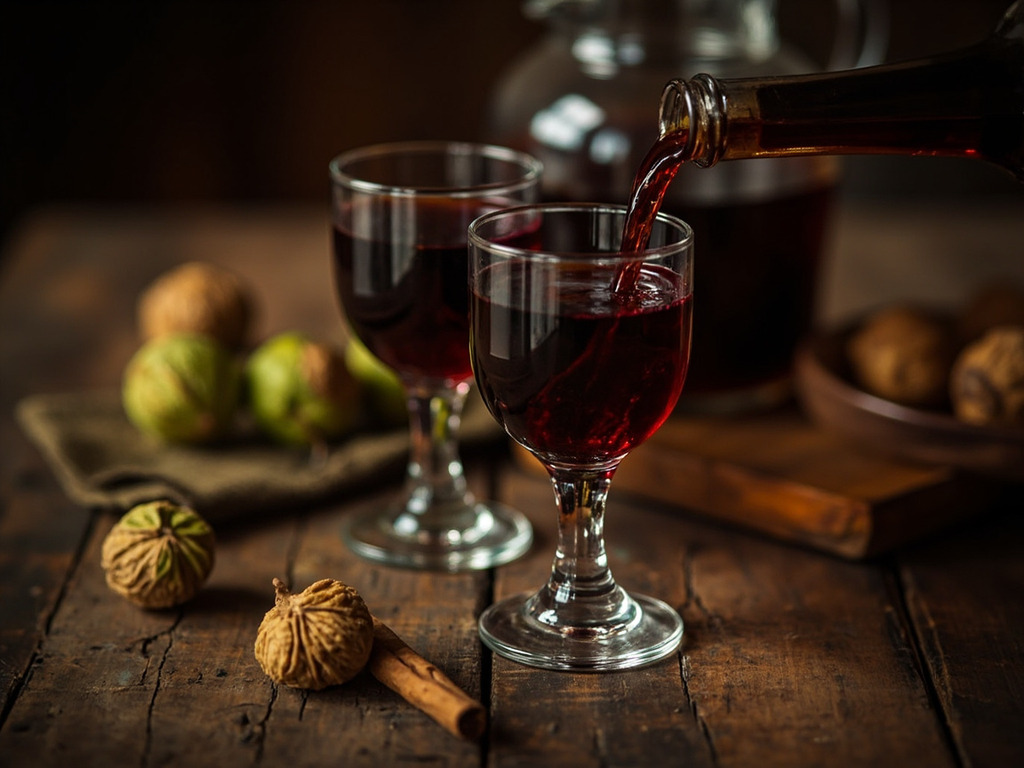
Ah, punsch! The dew of nights when one talks too much and sleeps too little. In the cafés, they brought it warm in small glasses, and the conversation rose with the steam. Take the arrack, that alcohol that came from the Indies on our old ships, marry it to a well-sweetened syrup and a hint of spices—bitterness and sugar must hold each other in tension, like a man between his angels and demons. Drink it slowly: it is a drink of thought, not of drunkenness.
- •Arrack (cane spirit from Asia) — one bottle (base alcohol)
- •Sugar — in quantity (syrup)
- •Water — for the syrup (dilution)
- •White wine (optional) — a glass (smoothness)
- •Cardamom or clove (optional) — a hint (spice)
Svensk punsch (Swedish Arrack Punch)
A sweet-sour liqueur based on arrack (cane spirit from Asia imported by the Swedish East India Company), blended with a sugar syrup and spices, sometimes with added white wine. It was heated for serving during evening gatherings.
Why this dish? Swedish punsch was the drink of cafés, Uppsala student parties, and the literary circles where Strindberg spent so many hours debating, provoking, and writing. An emblematic liqueur of late 19th-century Scandinavian bohemia, it was drunk warm after meals.
Ah, punsch! The dew of nights when one talks too much and sleeps too little. In the cafés, they brought it warm in small glasses, and the conversation rose with the steam. Take the arrack, that alcohol that came from the Indies on our old ships, marry it to a well-sweetened syrup and a hint of spices—bitterness and sugar must hold each other in tension, like a man between his angels and demons. Drink it slowly: it is a drink of thought, not of drunkenness.
Ingredients (period version)
- Arrack (cane spirit from Asia) — one bottle (base alcohol)
- Sugar — in quantity (syrup)
- Water — for the syrup (dilution)
- White wine (optional) — a glass (smoothness)
- Cardamom or clove (optional) — a hint (spice)
Ingredients
- Arrack (or failing that, agricultural rum with a hint of whisky) — 350 ml (base alcohol)
- Sugar — 300 g (syrup)
- Water — 200 ml (syrup)
- Dry white wine — 100 ml (smoothness)
- Crushed cardamom pods — 3 (spice)
Method
- Prepare a syrup: heat the water and sugar with the crushed cardamom until dissolved, then let infuse and cool.
- Strain the syrup to remove the spices.
- Mix the cooled syrup with the arrack and white wine.
- Pour into a bottle and let rest in the cold for a few days to meld the flavors.
- To serve, gently warm (do not boil) and present in small glasses, after the meal or by the fireside.
How it was made : Imported from Asia as early as the 18th century by the Swedish East India Company, arrack became the base of the national punsch. In the 19th century, it was made at home in batches; industrial bottling (Cederlunds) dates from the 1840s-1870s, in full swing during Strindberg's time.
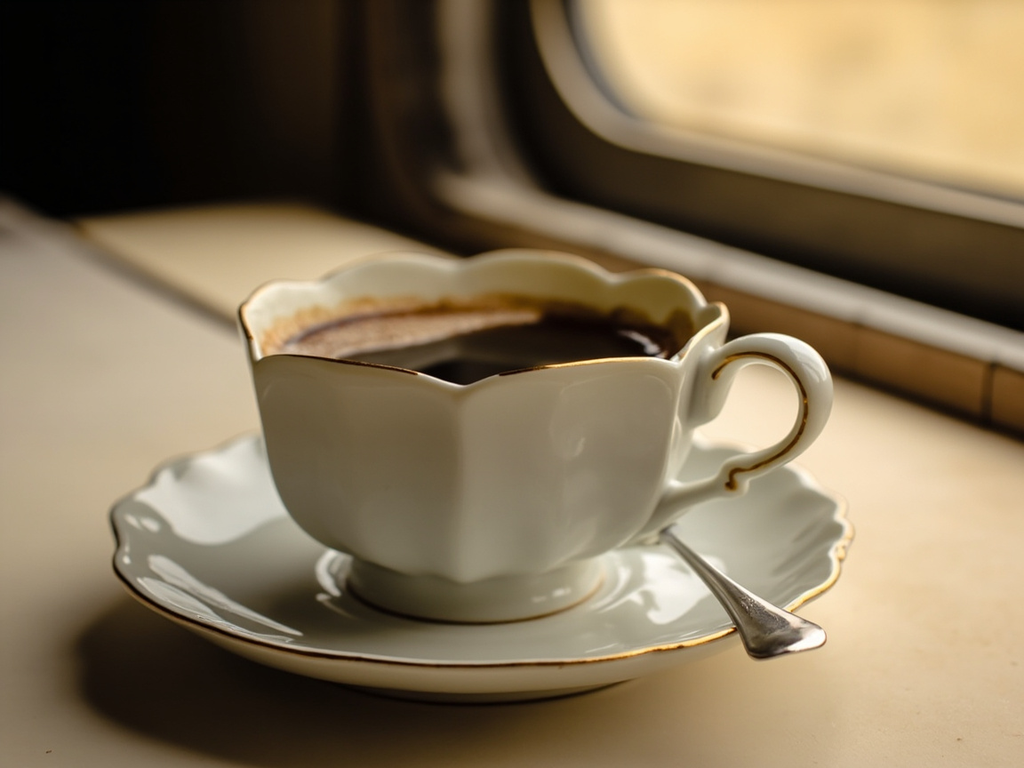
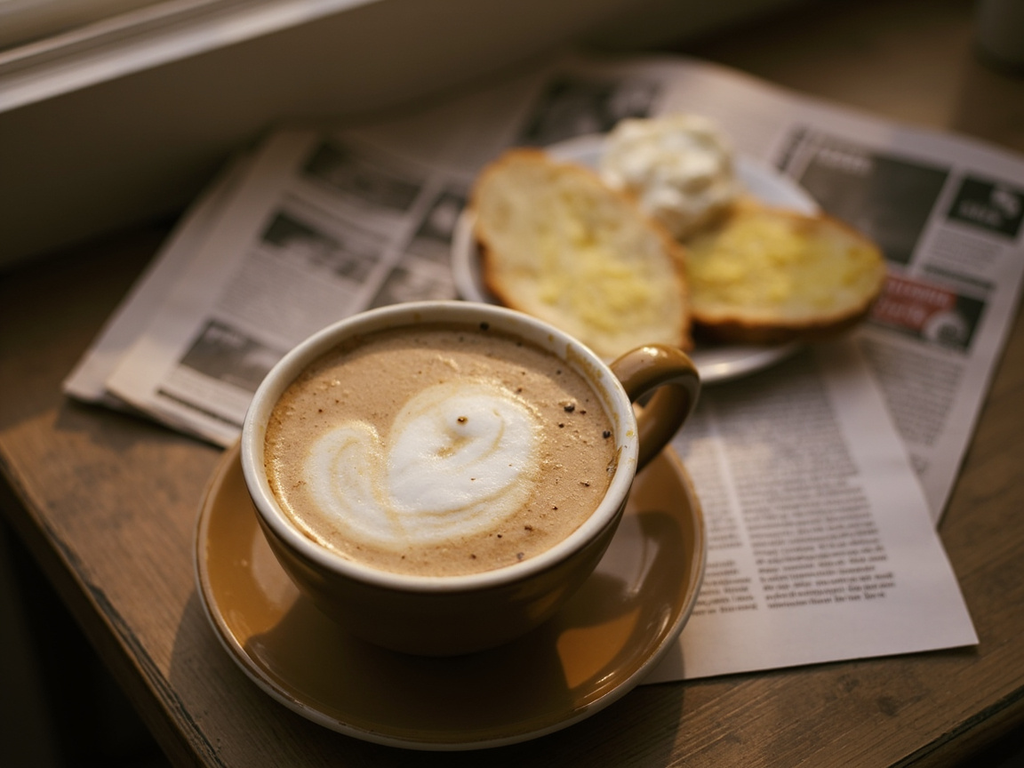
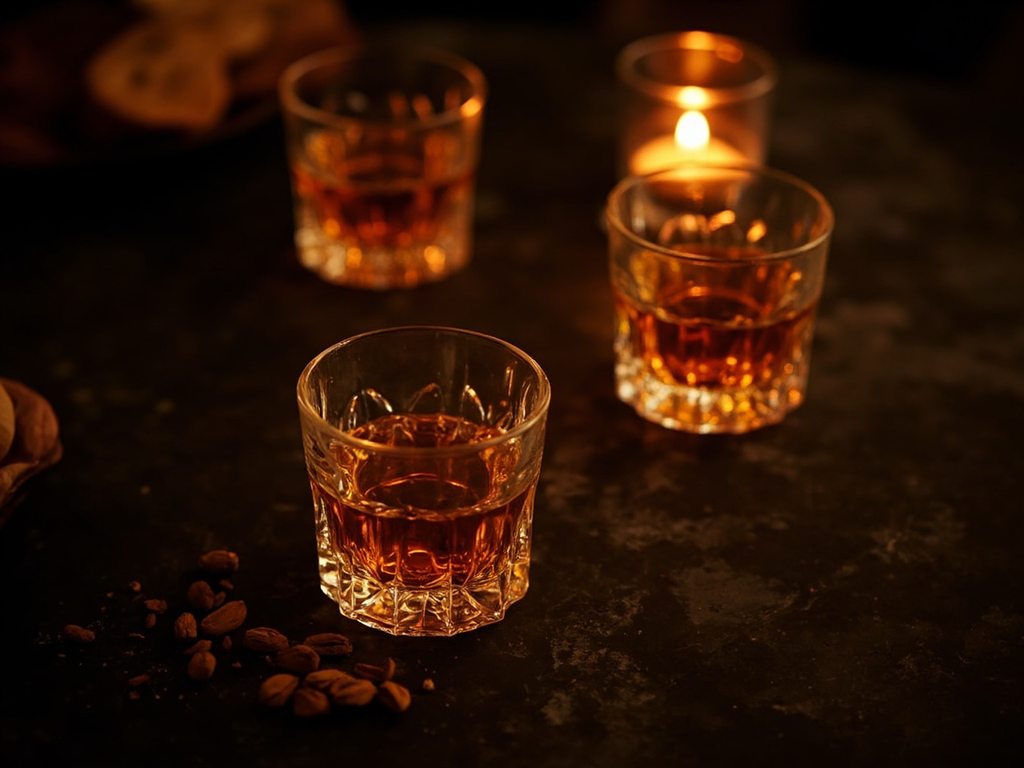
The contemporary twist : Serve it on the rocks as a shot after a strong coffee, in the current Swedish style ("kaffe med punsch").
Sources : Charles Emil Hagdahl, Kokkonsten som vetenskap och konst (1879)
August Strindberg · Charactorium