 flip
flipChocolate de agua de Oaxaca with Molinillo
Chocolate de agua de Oaxaca with Molinillo
Why this dish? In Oaxaca, the city of chocolate since pre-Hispanic times, frothy chocolate de agua is the merienda drink in every home, modest or wealthy. Juárez, raised in this Zapotec culture where cacao is both sacred and daily, would have taken it in the evening with a sweet bread, faithful to his simple tastes.
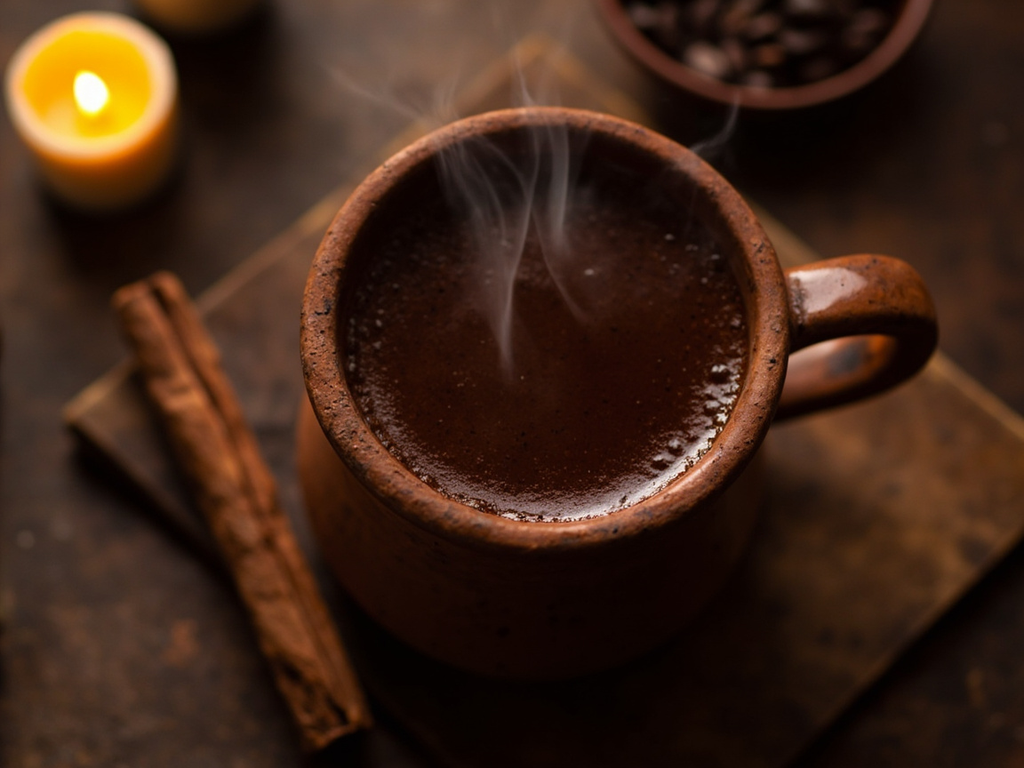
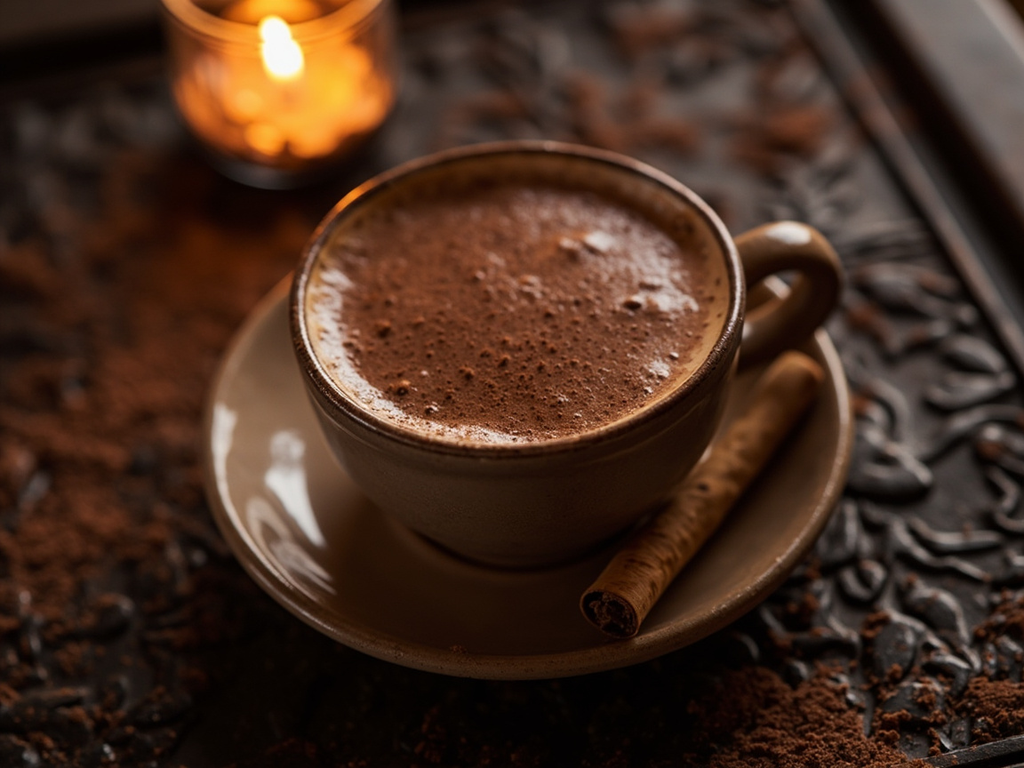
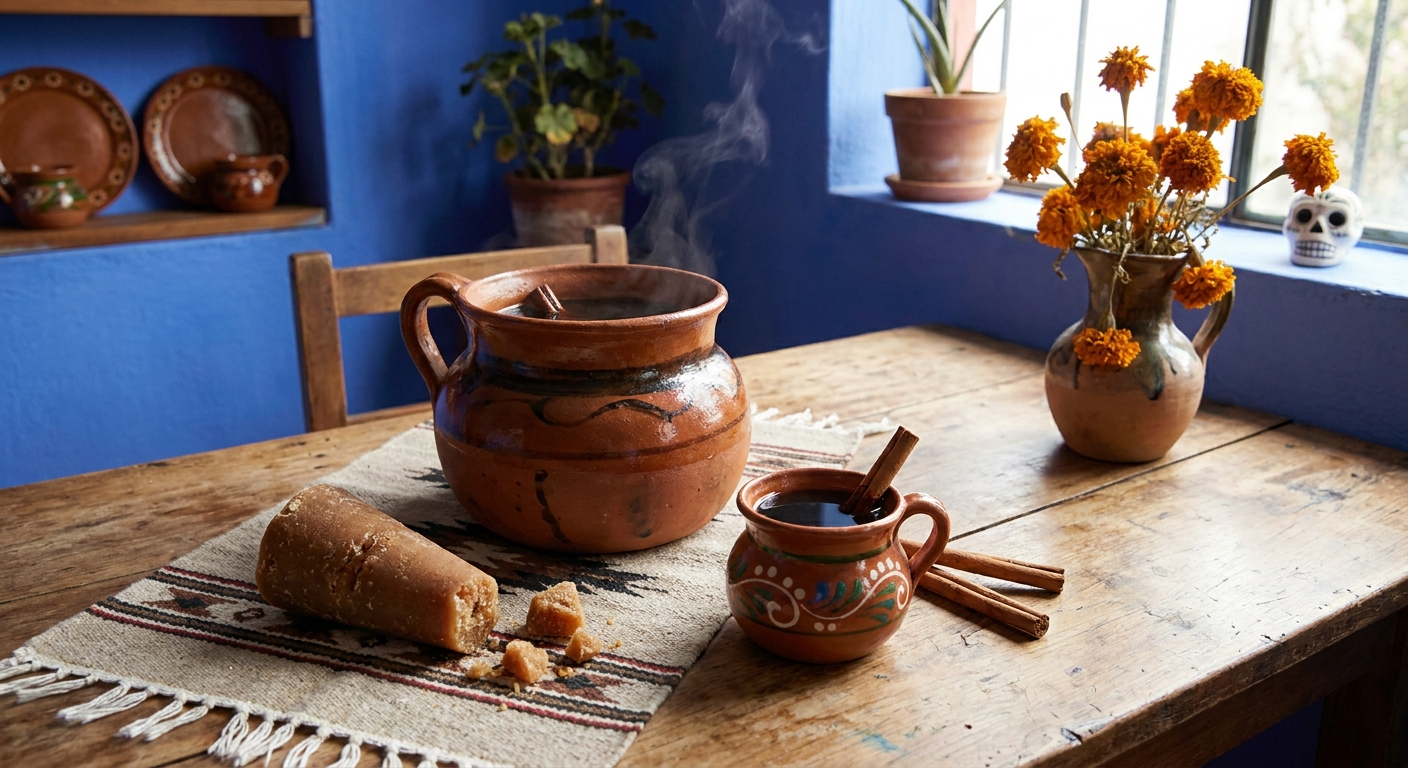
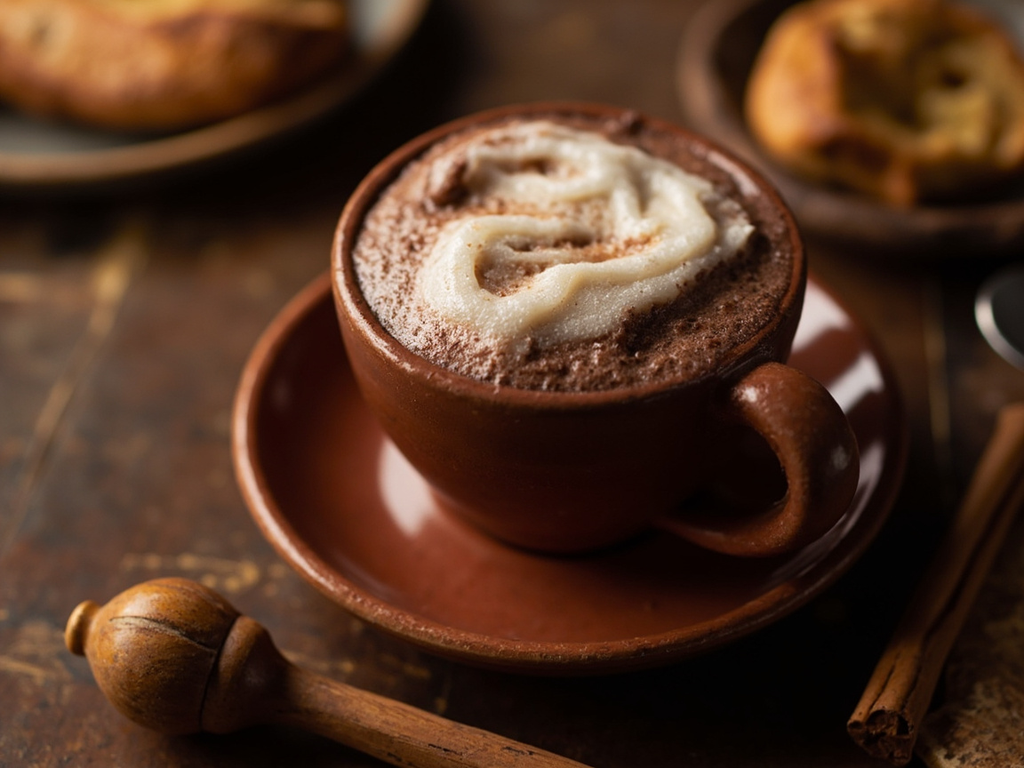
A chocolate beaten with water, not milk, flavored with cinnamon and almonds, whisked with the molinillo until a crown of foam forms. Bitter-sweet, comforting, it is the evening kiss of Oaxacan cuisine.
At nightfall, when the files are closed, I offer you what every Oaxacan has known since childhood: chocolate beaten with clear water, in our way, and not drowned in milk as they drink it elsewhere. Roll the molinillo between your palms until the foam rises — it is by the foam that good chocolate is judged. A hint of cinnamon, a sweet bread to dip, and for a moment one forgets the weight of office.
- •Roasted ground Oaxacan cacao — one tablet per pot (base)
- •Cinnamon — one piece (flavoring)
- •Almonds — a few (smoothness)
- •Piloncillo — to taste (sweetness)
- •Water — the pot (liquid)
Chocolate de agua de Oaxaca with Molinillo
A chocolate beaten with water, not milk, flavored with cinnamon and almonds, whisked with the molinillo until a crown of foam forms. Bitter-sweet, comforting, it is the evening kiss of Oaxacan cuisine.
Why this dish? In Oaxaca, the city of chocolate since pre-Hispanic times, frothy chocolate de agua is the merienda drink in every home, modest or wealthy. Juárez, raised in this Zapotec culture where cacao is both sacred and daily, would have taken it in the evening with a sweet bread, faithful to his simple tastes.
At nightfall, when the files are closed, I offer you what every Oaxacan has known since childhood: chocolate beaten with clear water, in our way, and not drowned in milk as they drink it elsewhere. Roll the molinillo between your palms until the foam rises — it is by the foam that good chocolate is judged. A hint of cinnamon, a sweet bread to dip, and for a moment one forgets the weight of office.
Ingredients (period version)
- Roasted ground Oaxacan cacao — one tablet per pot (base)
- Cinnamon — one piece (flavoring)
- Almonds — a few (smoothness)
- Piloncillo — to taste (sweetness)
- Water — the pot (liquid)
Ingredients
- Mexican table chocolate (Oaxaca/Abuelita type) — 90 g (base)
- Water — 750 ml (liquid)
- Cinnamon stick — 1 (flavoring)
- Almonds (optional) — 1 tbsp ground (smoothness)
- Piloncillo or sugar — adjust if chocolate is unsweetened (sweetness)
Method
- Bring the water to a simmer with the cinnamon stick (and ground almonds if using).
- Off the high heat, add the chocolate broken into pieces and stir until completely dissolved.
- Taste and adjust sugar according to desired bitterness.
- Immerse the molinillo (or a whisk) in the hot liquid and spin it rapidly between your palms until a thick foam forms on the surface.
- Serve immediately in clay cups or jícaras, with a sweet bread (pan de yema) for dipping.
How it was made : Oaxacan chocolate is traditionally prepared with water, a direct legacy of Zapotec and Mixtec customs. It was beaten with the molinillo, a turned wooden whisk, to raise the foam — a sign of quality since pre-Hispanic times, when cacao was already drunk frothy.
The contemporary twist : Serve it 'affogato style' over a scoop of vanilla ice cream for a warm-cold dessert, without betraying the spirit of the jícara.
Sources : Sophie D. Coe & Michael D. Coe, The True History of Chocolate (1996) · Diana Kennedy, The Cuisines of Mexico (1972)
Benito Juárez · Charactorium