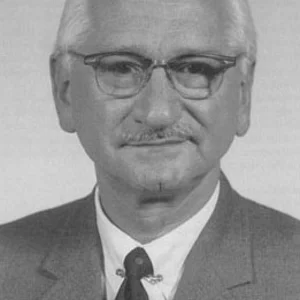

Benjamin Radford is an American writer, investigator, and skeptic who specializes in the rational analysis of paranormal phenomena and urban legends. He notably investigated the chupacabra myth and cryptozoology by applying the scientific method.
Benjamin Radford(1970 — ?)
Benjamin Radford
États-Unis
5 min read
Frequently asked questions
Key Facts
- Deputy editor of the magazine Skeptical Inquirer in the 2000s-2010s
- Author of the definitive investigation into the chupacabra (the book Tracking the Chupacabra, 2011)
- Co-founder and columnist behind numerous investigations into so-called paranormal phenomena
Works & Achievements
An analysis of how the media and advertisers distort information and keep myths alive.
A rational investigation into lake monsters such as the one in Loch Ness.
A handbook setting out his method for investigating the paranormal scientifically.
A demonstration that the chupacabra myth dates back to the 1990s and was inspired by a movie.
A study of the hoaxes and media panics linked to extraterrestrials.
Skeptical investigations into the legends and mysterious places of New Mexico.
A cultural history of creepy clowns, from ancient legends to social media panics.
A series of articles applying the scientific method to paranormal cases.
Anecdotes
In 2010, Benjamin Radford co-wrote an entire book about the chupacabra with Joe Nickell — that legendary Latin American creature said to drain goats of their blood. Through careful investigation, he showed that the first description of the beast, given in 1995 in Puerto Rico by a woman named Madelyne Tolentino, strangely resembled a monster from the science-fiction film *Species*, released that same year.
Radford explained that many of the so-called “chupacabra” carcasses that were found were actually dogs, coyotes, or foxes suffering from mange, a skin disease that makes them lose their fur and gives them a monstrous appearance. Instead of an alien monster, science revealed an ordinary, sick animal.
For more than ten years, Radford was deputy editor and then a columnist for the magazine *Skeptical Inquirer*, published by the Center for Inquiry. There he wrote a column applying the scientific method to cases of ghosts, UFOs, and lake monsters.
Radford stresses a simple but powerful idea: before crying “paranormal,” you must first exhaust every ordinary explanation. According to him, many “mysteries” collapse the moment you track down the original source of a story instead of repeating what everyone else is saying.
He also looked into contemporary phenomena such as the “creepy clowns” and the collective panics spread by social media, showing how a rumor can spread and grow in the internet age, exactly like the urban legends of the past.
Primary Sources
The chupacabra is not, as is often believed, an ancient creature of Latin American folklore; its origins actually date back to the mid-1990s.
A good investigation begins where belief ends: you have to look for the first version of a story, not the hundredth.
Many mysteries remain unexplained not because they are unsolvable, but simply because no one has bothered to examine them seriously.
Key Places
City where Radford long lived and worked, near the Center for Inquiry. Base for his activities as a writer and investigator.
Skeptical organization that publishes the Skeptical Inquirer, where Radford worked as an editor. The heart of the American skeptical movement.
Caribbean island where the first sightings of the chupacabra appeared in 1995, an investigation site for Radford.
A country with rich folklore (the chupacabra, la Llorona) that Radford investigated, blending popular traditions with the scientific method.
Liens externes & ressources
Références
Œuvres
Media Mythmakers: How Journalists, Activists, and Advertisers Mislead Us
2003
Lake Monster Mysteries (avec Joe Nickell)
2006
Scientific Paranormal Investigation: How to Solve Unexplained Mysteries
2010
The Martians Have Landed!
2012
Mysterious New Mexico
2014
Bad Clowns
2016