 flip
flipHardtack with Jam
Hardtack with Jam
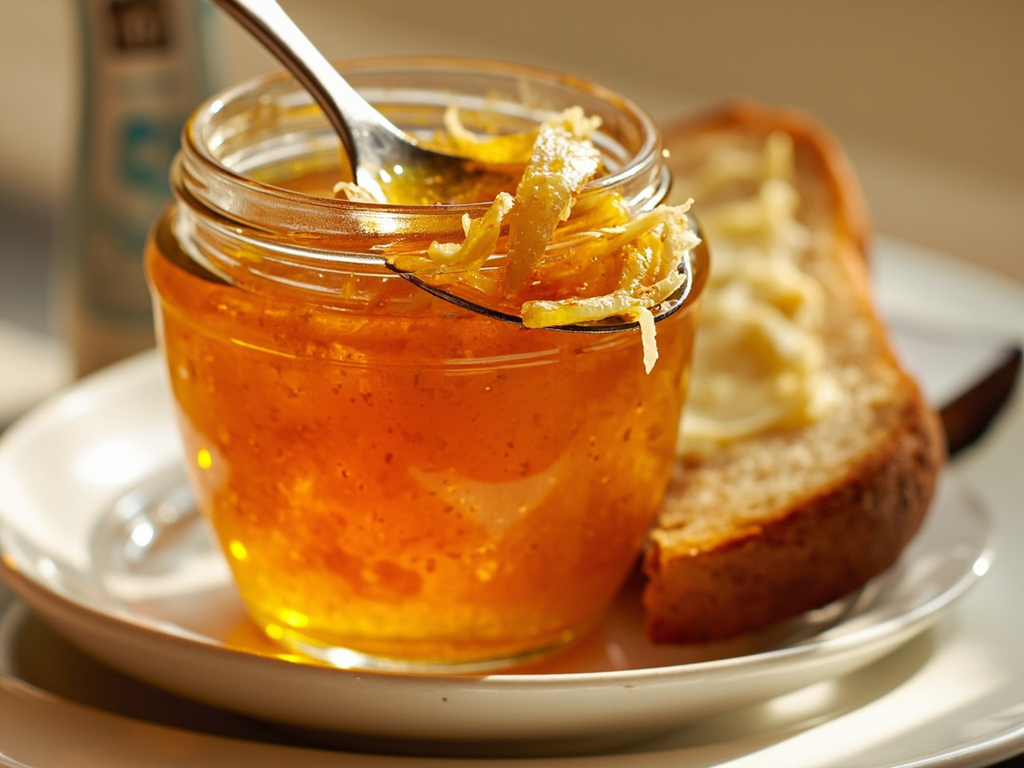
Why this dish? Hardtack — a hard biscuit of flour and water that keeps for months — accompanied Montgomery and his men everywhere, from the desert to the beaches of Normandy. Too hard to bite as is, it was softened in tea or spread with jam (the notoriously poor 'plum and apple'). The quintessential emergency food, made to last.
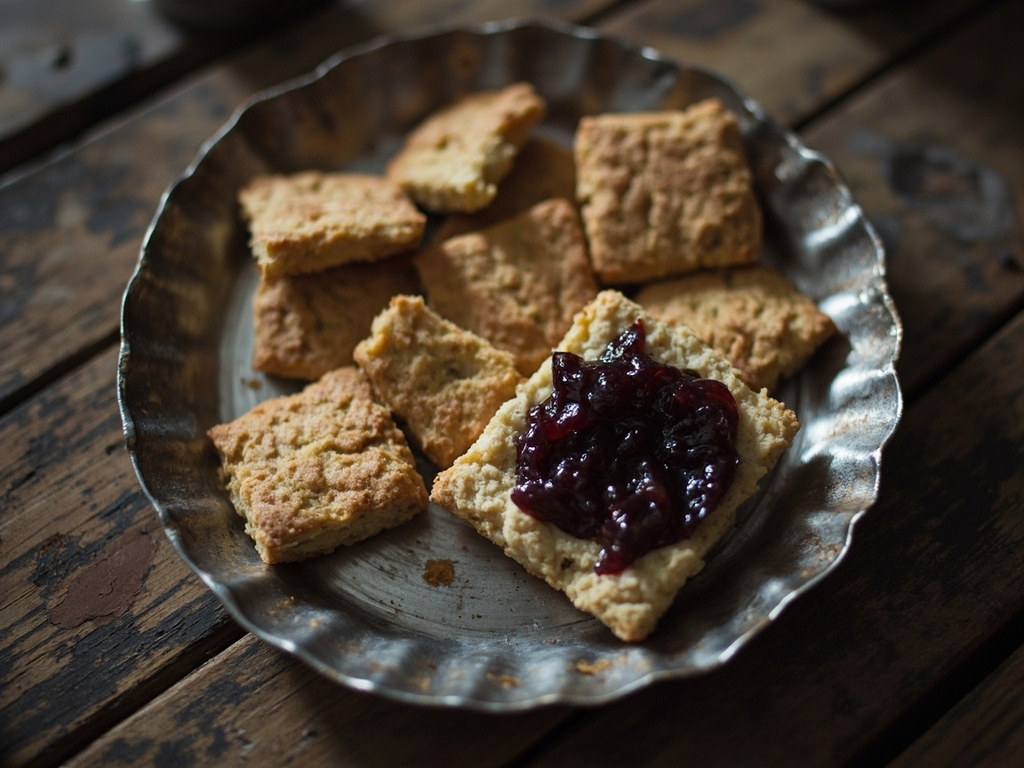
Very firm dry biscuits made from flour, water, and a pinch of salt, designed to keep for a long time. They are dipped in tea to soften, then spread with jam: the soldier's improvised 'cake' in the field.
Don't bite this biscuit with full teeth, or you'll leave the enamel on it — it's called the tooth-breaker, and rightly so. The trick, my boy, is this: dip it for a moment in your boiling tea, just long enough for it to soften, then spread a spoonful of jam on it. It keeps for months without turning, and that is its whole merit: an army feeds on what travels and doesn't rot. Luxury is the enemy of the campaign.
- •Wheat flour — as needed (base)
- •Water — to bind (binding)
- •Salt — a pinch (seasoning)
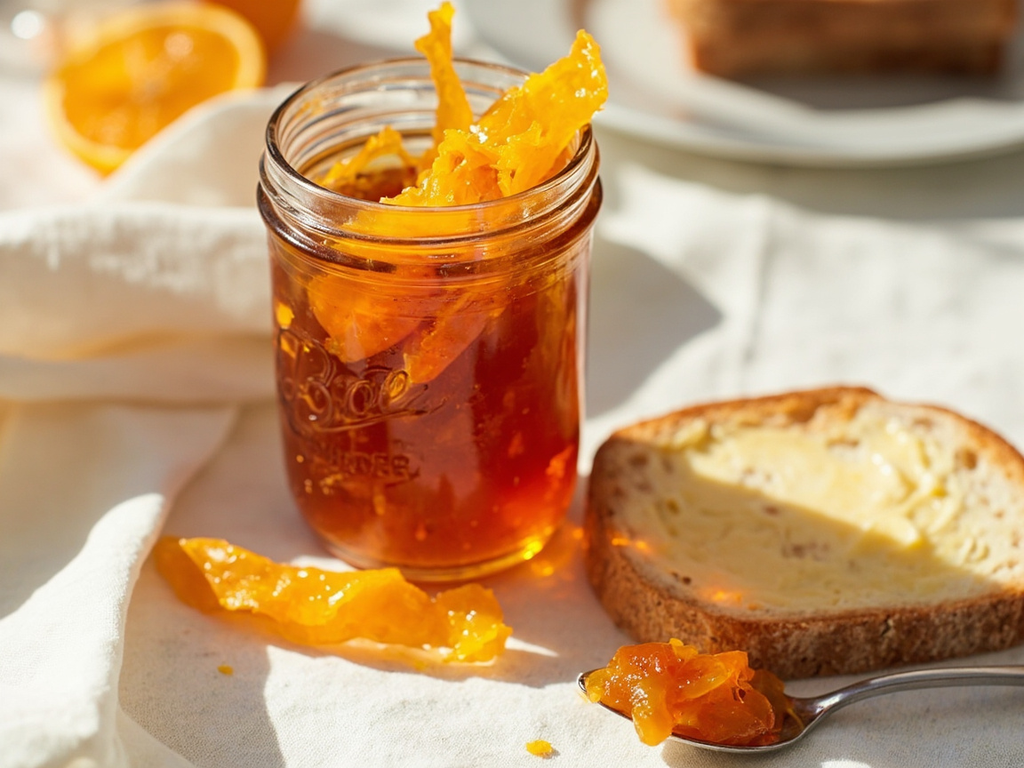
- •Jam (plum and apple) — for spreading (topping)
Hardtack with Jam
Very firm dry biscuits made from flour, water, and a pinch of salt, designed to keep for a long time. They are dipped in tea to soften, then spread with jam: the soldier's improvised 'cake' in the field.
Why this dish? Hardtack — a hard biscuit of flour and water that keeps for months — accompanied Montgomery and his men everywhere, from the desert to the beaches of Normandy. Too hard to bite as is, it was softened in tea or spread with jam (the notoriously poor 'plum and apple'). The quintessential emergency food, made to last.
Don't bite this biscuit with full teeth, or you'll leave the enamel on it — it's called the tooth-breaker, and rightly so. The trick, my boy, is this: dip it for a moment in your boiling tea, just long enough for it to soften, then spread a spoonful of jam on it. It keeps for months without turning, and that is its whole merit: an army feeds on what travels and doesn't rot. Luxury is the enemy of the campaign.
Ingredients (period version)
- Wheat flour — as needed (base)
- Water — to bind (binding)
- Salt — a pinch (seasoning)
- Jam (plum and apple) — for spreading (topping)
Ingredients
- Wheat flour — 250 g (base)
- Water — about 120 ml (binding)
- Salt — 1 teaspoon (seasoning)
- Plum or apple jam — to taste (topping)
Method
- Mix the flour and salt, then add water little by little to form a firm, non-sticky dough.
- Roll out the dough to 1 cm thickness and cut into squares.
- Prick each biscuit with a fork so it cooks through.
- Bake at 160 °C for 30 to 40 minutes until hard and dry, then cool completely.
- To serve: dip briefly in hot tea, then spread with jam.
How it was made : The hard ship's biscuit and army biscuit, made without yeast or fat, could keep for months or even years — hence its role as an emergency ration ('iron ration'). The plum-and-apple jam, mass-produced during the war, was so ubiquitous and unloved that it became a trench and barracks joke.
The contemporary twist : Present them as mini 'biscuit sandwiches': two squares with a layer of homemade jam between them, a ration reimagined.
Sources : Norman Longmate, *How We Lived Then* (1971)
Bernard Montgomery · Charactorium