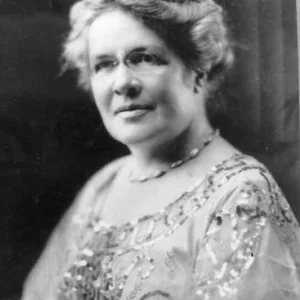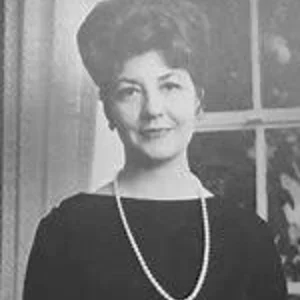

Bette Nesmith Graham (1924-1980) was an American secretary who became an inventor and entrepreneur. She developed the white correction fluid (Liquid Paper) to cover up typing mistakes, then built a thriving company around her invention.
Bette Nesmith Graham(1924 — 1980)
Bette Nesmith Graham
États-Unis
6 min read
Frequently asked questions
Key Facts
- Born in 1924 in Dallas (Texas), she became a typist-secretary after the Second World War.
- Around 1956, she began using a white paint to correct her typing errors, the origin of Liquid Paper.
- In 1958, she filed a patent and brought her product to market under the name Liquid Paper.
- She founded the Liquid Paper Corporation, which enjoyed great commercial success in the 1960s and 1970s.
- In 1979, she sold her company to Gillette for about 47.5 million dollars; she died in 1980.
Works & Achievements
The first correction fluid she made in her kitchen and sold to secretaries in Dallas. The starting point of the whole adventure.
The registered trade name of the correction fluid, which would become a worldwide office standard for decades.
The creation and growth of the company, which moved from handmade production to industrial manufacturing.
Construction of an automated factory producing about 25 million bottles a year, a sign of the company's success.
A philanthropic foundation created to support women and encourage the arts.
A foundation dedicated to helping women find new ways to become financially independent.
The sale of the Liquid Paper Corporation for about $47.5 million, crowning her entrepreneurial success.
Anecdotes
In the 1950s, Bette Nesmith Graham worked as an executive secretary at a Dallas bank and hated having to retype her letters every time she made a typing mistake. While watching painters decorate the windows for the holidays, she noticed that they never erased their errors: they simply covered them with a fresh coat of paint. That gave her the idea to hide her mistakes with a little white paint instead of retyping everything.
She made her first bottles of correction fluid in her kitchen, mixing tempera paint with a blender. To improve the formula, she sought advice from a chemistry teacher at her son's high school as well as from employees at a paint factory. For years, she filled the little bottles by hand in her garage.
Her son, Michael Nesmith, helped her fill and label the bottles of correction fluid. A few years later, he became a music star by joining The Monkees, an American pop band that was hugely famous in the 1960s.
According to a frequently told story, Bette was fired from the bank after absentmindedly typing the name of her own company instead of her employer's. Far from discouraging her, this dismissal pushed her to devote herself entirely to her correction-fluid business.
In 1979, after turning an idea born in her kitchen into a factory producing millions of bottles a year, she sold her company to the giant Gillette for 47.5 million dollars. She died less than a year later, in 1980, having become one of the most successful businesswomen in the United States.
Primary Sources
The name "Liquid Paper" is registered as a trademark for a white, fast-drying correction fluid used to cover up mistakes on typed and handwritten documents.
The consumer goods company Gillette announces the acquisition of the Liquid Paper Corporation, founded by Bette Nesmith Graham, for around 47.5 million dollars.
A secretary turned inventor, Bette Nesmith Graham developed a correction fluid in her Dallas kitchen and built a thriving business, becoming a symbol of women's entrepreneurial success.
Key Places
Bette's birthplace and where she worked as a secretary before founding her correction-fluid company there.
City where Bette spent part of her childhood and youth, in early 20th-century Texas.
Bank where Bette worked as an executive secretary and began correcting her typing mistakes with white paint.
Modern industrial site opened in 1975, capable of producing tens of millions of bottles of correction fluid per year.
Suburb of Dallas associated with the final years of Bette Nesmith Graham.
Headquarters of the Gillette group, which bought out the Liquid Paper Corporation in 1979.
Typical Objects

Small bottle of white correction fluid with a brush, designed to cover up typing mistakes. It is the invention that made Bette Nesmith Graham's fortune.

A mechanical and later electric device used to type letters and reports in offices. Its typing mistakes, which were hard to erase, led to the invention of correction fluid.

A small watercolor brush used by Bette to spread white paint over her mistakes. It was later built into the cap of Liquid Paper bottles.

Water-based paint used by artists and decorators. This is the product that Bette repurposed to cover up her typing mistakes.

A sheet coated with ink slipped between two pieces of paper to make copies while typing. An everyday tool for secretaries before the photocopier.

A small household appliance that Bette used to mix her first batch of correction fluid. A symbol of the invention born in a kitchen.
School Curriculum
Vocabulary & Tags
Key Vocabulary
Tags
Daily Life
Morning
A young mother raising her son alone, Bette got up early to get him ready before heading off to the Dallas bank where she worked as an executive secretary. Her mornings were devoted to the mail and to typing letters and reports on her typewriter.
Afternoon
In the afternoon, she worked through one document after another, hunting down the slightest mistake that, in the past, would have forced her to start all over again. After leaving the office, she would go home to paint and fill her bottles of correction fluid on her kitchen table.
Evening
In the evening, once her son was in bed, she perfected her formula, labeled the bottles, and answered the first orders. Little by little, these evenings of tinkering turned into a genuine small business.
Food
Like many middle-class Americans in the 1950s, her diet relied on simple, convenient meals: sandwiches, canned dishes, coffee, and dairy products. The refrigerator and processed foods saved time for a very busy woman.
Clothing
At the office, she wore the strict attire of secretaries of the day: a fitted dress or suit, a skirt below the knee, heels, and a neat hairstyle. An impeccable appearance was, at the time, part of the job in American offices.
Housing
She lived in a modest suburban house in Dallas, typical of postwar America, with a fitted kitchen and a garage. It was in this very kitchen and garage that she made her first correction fluids before she could afford real premises.
Historical Timeline
Period Vocabulary
Liens externes & ressources
Références
Œuvres
« Mistake Out », le premier correcteur fait maison
1956
Marque « Liquid Paper »
1958
Fondation de la Liquid Paper Company
années 1960
Usine moderne de Liquid Paper
1975
Gihon Foundation
1976
Bette Clair McMurray Foundation
1978
Vente à Gillette
1979