Technology
Informatique, ingénierie, invention
147 characters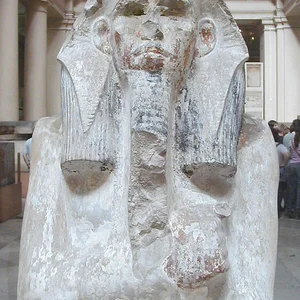

147 characters
Before Christ(3)
Djoser
2800 av. J.-C. — 2700 av. J.-C.
Pharaoh of the Third Egyptian Dynasty (c. 2650 BCE), Djoser is famous for commissioning the Step Pyramid of Saqqara, the first great funerary monument built in stone in history.
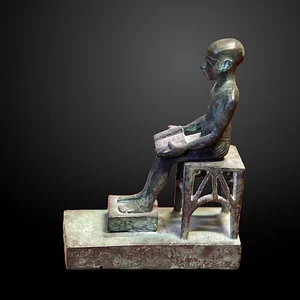
Imhotep
2800 av. J.-C. — 2700 av. J.-C.
A high official, architect, and physician of ancient Egypt in the 3rd millennium BC, Imhotep is considered the first known engineer and architect in history. Designer of the Step Pyramid of Saqqara, he was later deified as a god of medicine.
Tapputi-Belatekallim
1200 av. J.-C. — ?
Tapputi-Belatekallim was a Babylonian perfume-maker of the second millennium BCE, often regarded as the first chemist in recorded history. Her name appears on a cuneiform tablet describing her perfume-making processes.
Antiquity(5)
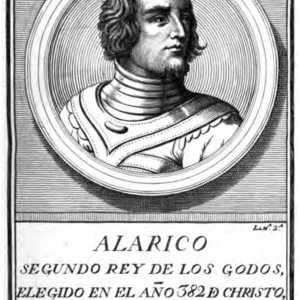
Alaric I
370 — 410
King of the Visigoths from 395 to 410, Alaric I is famous for leading the sack of Rome in 410, a symbolic event marking the beginning of the end of the Western Roman Empire.
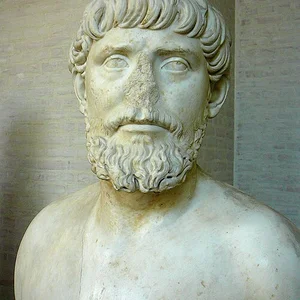
Apollodorus of Damascus
50 — 120
A Greek architect and engineer of Syrian origin, active under the emperor Trajan in the early 2nd century. The designer of Trajan's Forum and Trajan's Column in Rome, he was one of the greatest builders of Roman antiquity.
Cai Lun
48 — 121
An official at the imperial court during the Han dynasty, Cai Lun is credited with inventing paper in 105 AD. He refined a process using plant fibers, bark, and rags to produce a lightweight and inexpensive writing material.
Hero of Alexandria
10 — 75
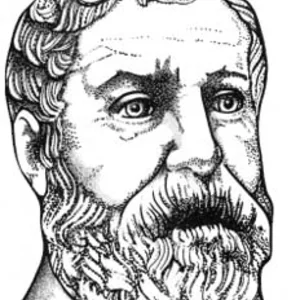
A Greek engineer and mathematician of the 1st century AD, Hero of Alexandria authored numerous mechanical inventions and foundational mathematical works. He designed the aeolipile, the first device to harness the power of steam, as well as automata and theatrical machines.
Talos
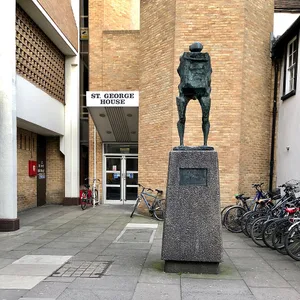
Talos is a bronze giant from Greek mythology, forged by Hephaestus to guard the island of Crete. He circled it three times a day and drove off intruders by hurling rocks at them. His life hung on a single vein of ichor sealed by a nail in his ankle.
Middle Ages(3)
Al-Jazari
1164 — 1206
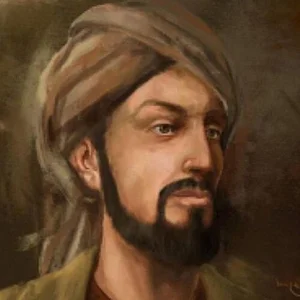
Engineer and inventor of the 12th–13th century active in Mesopotamia (Jazira), al-Jazari is famous for his treatise on automata and hydraulic machines. His major work describes more than fifty ingenious mechanical devices, making him one of the fathers of medieval mechanics.
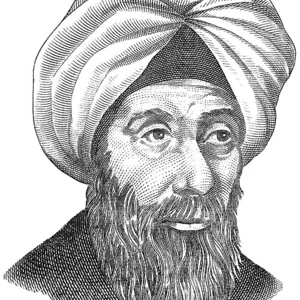
Alhazen
965 — 1039
Arab mathematician, physicist, and astronomer born in Basra around 965 and died in Cairo in 1039. Considered the father of modern optics, he revolutionized the understanding of light and vision. His major work, the Kitāb al-Manāẓir, profoundly influenced European scholars of the Middle Ages.
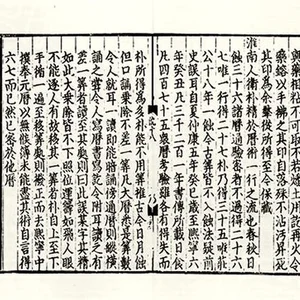
Bi Sheng
990 — 1052
Chinese artisan and inventor of the 11th century, Bi Sheng invented movable type printing using baked clay around 1040, under the Song Dynasty. His invention predates Gutenberg's in Europe by four centuries.
Renaissance(4)
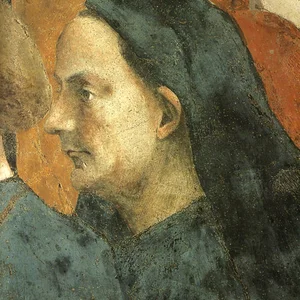
Filippo Brunelleschi
1377 — 1446
Florentine architect and engineer (1377–1446), he is considered the father of Renaissance architecture. He is renowned for designing the dome of the Cathedral of Santa Maria del Fiore in Florence and for formalizing the laws of linear perspective.
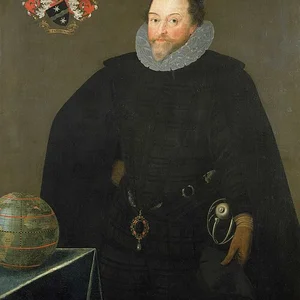
Francis Drake
1540 — 1596
Francis Drake was an English privateer and navigator of the 16th century, famous for being the second person to circumnavigate the globe by ship (1577–1580). Vice Admiral of the English fleet, he played a decisive role in the defeat of the Spanish Armada in 1588.
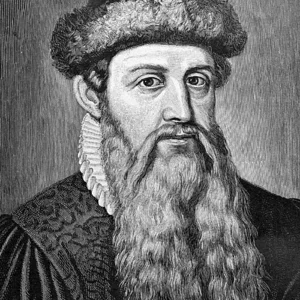
Gutenberg
1400 — 1468
German typographer and goldsmith (c. 1400–1468), Gutenberg is the inventor of movable type printing. His innovation revolutionized the spread of knowledge across Europe and marked the beginning of the Renaissance.
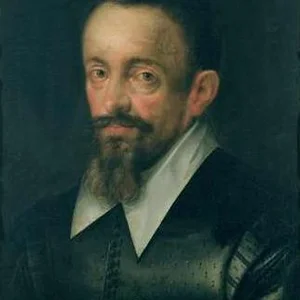
Johannes Kepler
1572 — 1630
German astronomer and mathematician (1572–1630), Kepler formulated the three laws of planetary motion that revolutionized astronomy. A disciple of Tycho Brahe, he confirmed Copernicus's heliocentric model through precise mathematical calculations.
Early Modern(10)
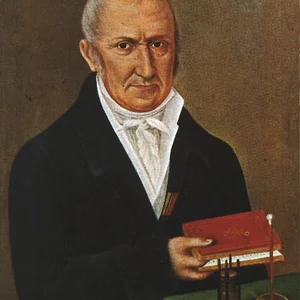
Alessandro Volta
1745 — 1827
Italian physicist (1745–1827), Alessandro Volta invented the electric battery in 1800, the first source of direct current in history. His work on electricity revolutionized experimental physics and paved the way for electrochemistry.
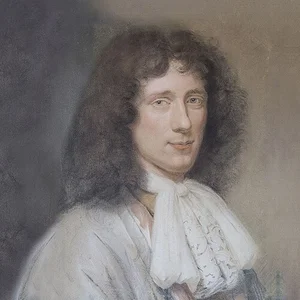
Christiaan Huygens
1629 — 1695
Dutch mathematician, physicist, and astronomer (1629–1695), Huygens invented the pendulum clock and developed the wave theory of light. He discovered Titan, Saturn's largest moon, and formulated the laws of elastic collision.
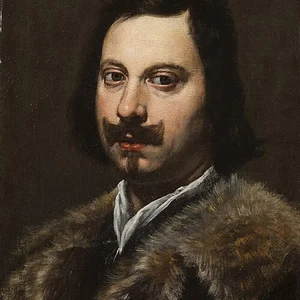
Evangelista Torricelli
1608 — 1647
Italian physicist and mathematician of the 17th century, student of Galileo. He invented the mercury barometer in 1643 and demonstrated the existence of atmospheric pressure, paving the way for modern experimental physics.
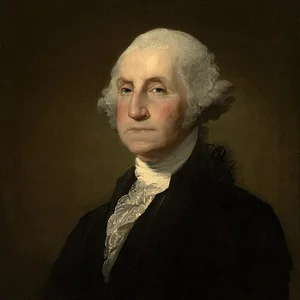
George Washington
1732 — 1799
Commander-in-Chief of the Continental Army during the American War of Independence, George Washington became the first President of the United States (1789–1797). A Virginia planter and slaveholder, he embodies the contradictions of the young Republic — torn between ideals of liberty and the reality of slavery.
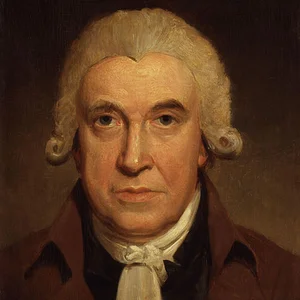
James Watt
1736 — 1819
Scottish engineer and inventor (1736–1819), James Watt greatly improved Newcomen's steam engine in 1769, making it efficient and economical. His invention revolutionized industry and transportation, earning him a place as one of the fathers of the Industrial Revolution.
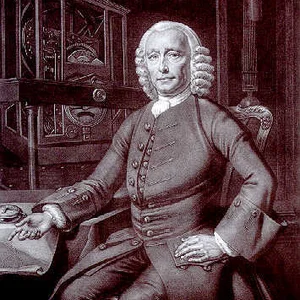
John Harrison
1693 — 1776
A self-taught British clockmaker (1693–1776), John Harrison solved one of the greatest scientific challenges of his era: the precise determination of longitude at sea. His marine chronometer H4 (1759) revolutionized navigation and saved countless lives.
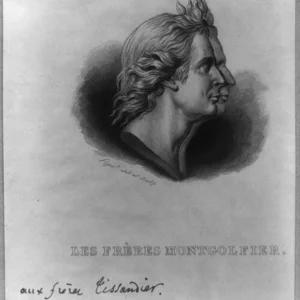
Montgolfier (brothers)
French inventor brothers who achieved the first manned hot-air balloon flight in 1783. Their invention revolutionized the concept of aerial travel and paved the way for aeronautics.
Pietro Bragadin
Pietro Bragadin was an Italian printer active between 1614 and 1649. He practiced his craft in Venice, contributing to the spread of texts at a time when Venetian printing was flourishing across Europe.
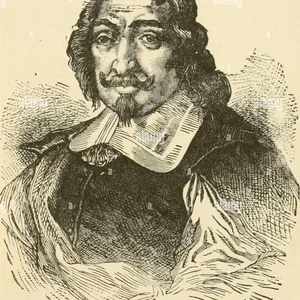
Roberval
1602 — 1675
French mathematician and physicist (1602–1675), professor at the Collège Royal de France. He is renowned for inventing the balance scale that bears his name, and for his pioneering work in geometry and mechanics.
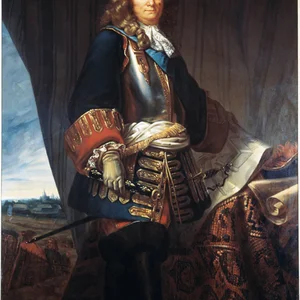
Vauban
1633 — 1707
French military engineer and architect during the reign of Louis XIV, regarded as the greatest fortification specialist of his time. A Marshal of France, he designed a defensive system protecting the kingdom's borders and revolutionized the art of the siege.
19th Century(33)
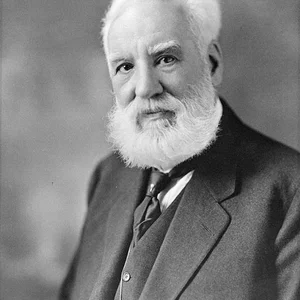
Alexander Graham Bell
1847 — 1922
A Scottish-born inventor who became a naturalized American citizen, Alexander Graham Bell is best known for filing the patent for the telephone in 1876. He also conducted research on hearing and communication, particularly to help people who were deaf.

Auguste Lumière
1862 — 1954
Auguste Lumière (1862–1954) was a French inventor and industrialist who, together with his brother Louis, developed the Cinématographe in 1895, giving birth to cinema. He also contributed to colour photography with the invention of the Autochrome.
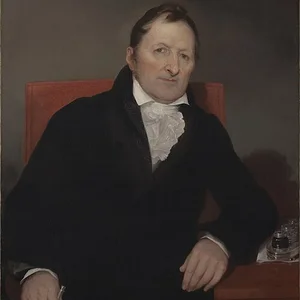
Eli Whitney
1765 — 1825
American inventor and industrialist (1765–1825), Eli Whitney is famous for inventing the cotton gin in 1793 and for developing the concept of interchangeable parts in industrial production. His innovations profoundly transformed the American economy and foreshadowed the Industrial Revolution.
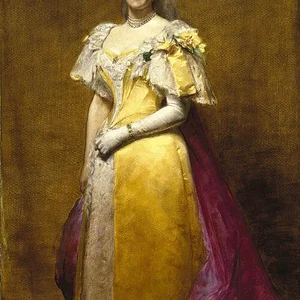
Emily Warren Roebling
1843 — 1903
Emily Warren Roebling was an American pioneer of civil engineering. When her husband, chief engineer Washington Roebling, was struck by caisson disease, she took over the technical supervision of the Brooklyn Bridge construction until its completion in 1883.
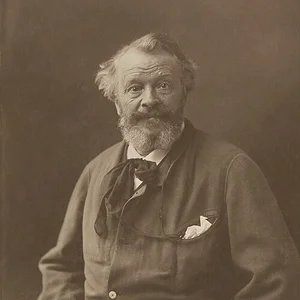
Félix Nadar
1820 — 1910
Félix Nadar (1820–1910) was a French photographer, caricaturist, and aeronaut. A pioneer of photography, he produced the first photographic portraits of the artists and intellectuals of his time, and took the first aerial photographs from a balloon.
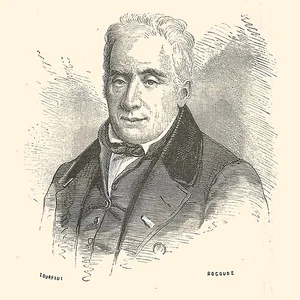
François Richard-Lenoir
1765 — 1839
A Norman industrialist, he became one of the greatest French cotton manufacturers under the First Empire, taking advantage of the Continental Blockade to eliminate British competition. The fall of Napoleon and the return of British cotton ruined his fortune, but he is remembered for his genuine concern for the well-being of his workers.
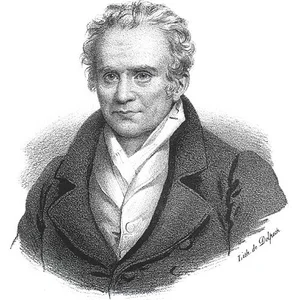
Gaspard Monge
1746 — 1818
French mathematician (1746–1818), inventor of descriptive geometry and co-founder of the École Polytechnique. A close ally of Napoleon, he played a major role in modernizing scientific and technical education in France.
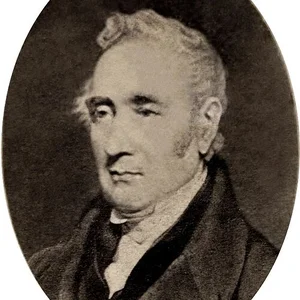
George Stephenson
1781 — 1848
British engineer (1781–1848), George Stephenson is the father of the railway. He built the first efficient steam locomotive for passenger transport and designed the Liverpool-Manchester line, inaugurated in 1830.
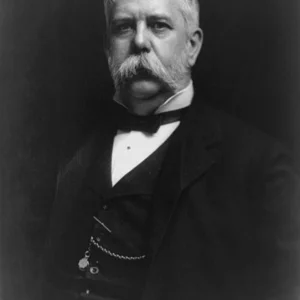
George Westinghouse
1846 — 1914
American engineer and industrialist (1846–1914), George Westinghouse invented the air brake for trains, revolutionizing railroad safety. He championed alternating current (AC) against Thomas Edison in the famous "War of Currents," helping to electrify the modern world.
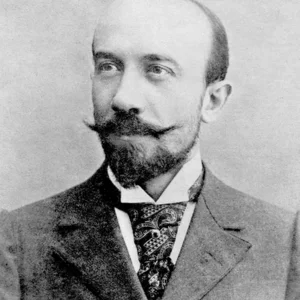
Georges Méliès
1861 — 1938
French filmmaker, actor, producer, director, conjurer and illusionist, pioneer and inventor of cinematic spectacle (1861–1938)
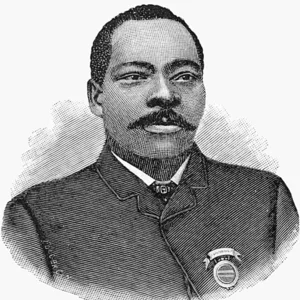
Granville Woods
1856 — 1910
African American inventor and engineer (1856–1910), nicknamed the "Black Edison," he filed more than 60 patents in electricity and railroad engineering, including the multiplex telegraph that allowed communication between moving trains.
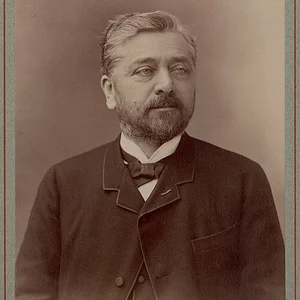
Gustave Eiffel
1832 — 1923
French engineer and entrepreneur (1832–1923), Gustave Eiffel is famous for building the tower that bears his name, erected for the 1889 World's Fair. A pioneer of iron architecture, he also designed the internal framework of the Statue of Liberty.
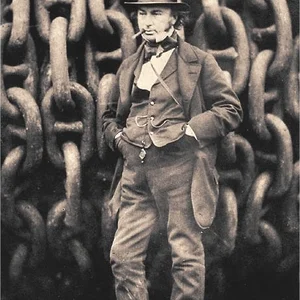
Isambard Kingdom Brunel
1806 — 1859
19th-century British engineer, Brunel revolutionized transportation with the Great Western Railway, the Thames Tunnel, and giant steamships. An iconic figure of the Victorian Industrial Revolution.
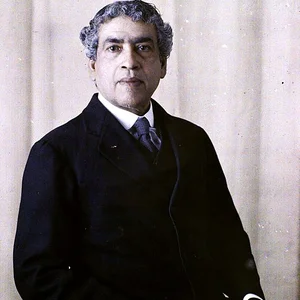
Jagadish Chandra Bose
1858 — 1937
Indian physicist and botanist (1858-1937), a pioneer in the study of radio waves and plant physiology. He demonstrated that plants react to stimuli and invented instruments of remarkable precision.
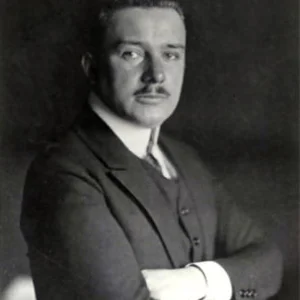
Joseph Maria Olbrich
1867 — 1908
Austrian architect and co-founder of the Vienna Secession, Olbrich is one of the masters of Art Nouveau. He designed the Secession Building in Vienna (1897–1898) and went on to develop an artists' colony in Darmstadt from 1899.
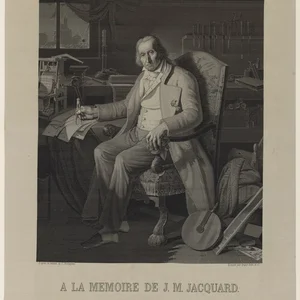
Joseph Marie Jacquard
1752 — 1834
French inventor born in Lyon in 1752, Jacquard developed in 1801 an automated loom using punched cards to control patterns. His invention revolutionized the textile industry and foreshadowed the concept of computer programming.
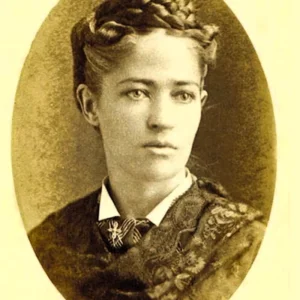
Josephine Cochrane
1839 — 1913
Josephine Cochrane was an American inventor who designed the first truly functional mechanical dishwasher, patented in 1886. A well-to-do woman from Illinois, she devised a machine using water jets to protect her porcelain dishes from breakage caused by her servants.
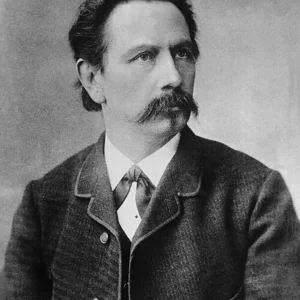
Karl Benz
1844 — 1929
German engineer and inventor, Karl Benz is considered the father of the automobile. In 1885, he built the Benz Patent-Motorwagen, the first vehicle with an internal combustion engine recognized as a true automobile.
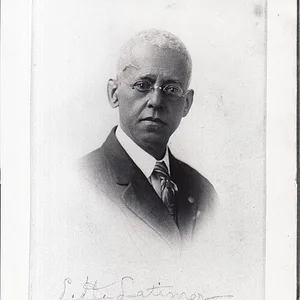
Lewis Latimer
American inventor and engineer born in 1848, Lewis Latimer improved the carbon filament of the incandescent light bulb, making electric lighting accessible to the general public. A collaborator of Thomas Edison and Alexander Graham Bell, he was one of the few Black engineers recognized during his era.
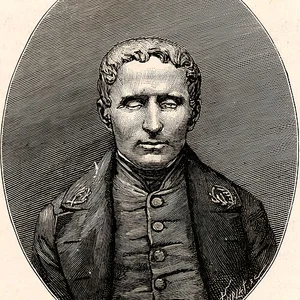
Louis Braille
1809 — 1852
Louis Braille (1809–1852) was a French teacher who lost his sight at the age of three and invented, at 15, the tactile writing system that bears his name. His raised-dot alphabet revolutionized access to reading and writing for blind people around the world.

Louis Lumière
1864 — 1948
French inventor and industrialist, Louis Lumière developed the Cinématographe with his brother Auguste in 1895. On December 28, 1895, they organized the first paid public film screening in Paris, a founding moment in the history of cinema worldwide. He also invented the Autochrome process, the first commercially available color photography technique.
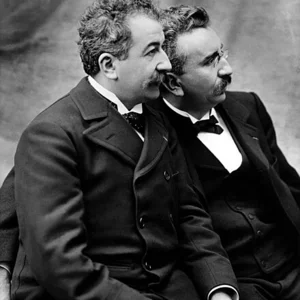
Lumière Brothers
1862/1864 — 1954/1948
Inventors of the cinematograph, pioneers of cinema
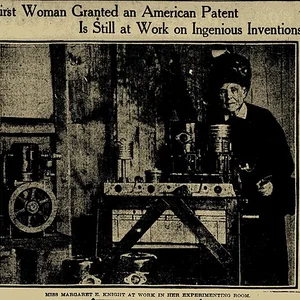
Margaret Knight
1838 — 1914
Margaret Knight (1838–1914) was a prolific American inventor who revolutionized the packaging industry by developing the machine that produces flat-bottomed paper bags. Over the course of her life she filed more than 27 patents across fields as varied as textiles, mechanics, and automotive engineering.
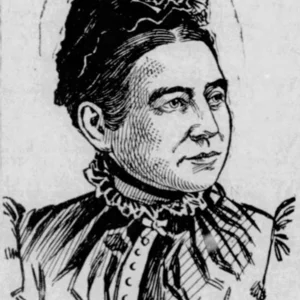
Maria Beasley
1836 — 1913
Maria Beasley (1836-1904) was an American inventor and entrepreneur. She is famous for perfecting the life raft and for designing a barrel-making machine that made her fortune.
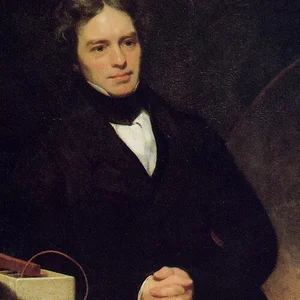
Michael Faraday
1791 — 1867
A self-taught British physicist and chemist (1791–1867), Faraday discovered electromagnetic induction and laid the foundations of modern electrical engineering. His work on electric and magnetic fields inspired Maxwell's theories.
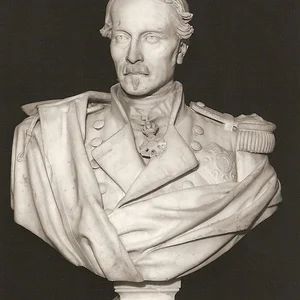
Michel Bizot
1795 — 1855
French general of the Corps of Engineers (1796–1855), director of the École polytechnique. He distinguished himself during the capture of Constantine (1837) and died at the Siege of Sevastopol during the Crimean War.
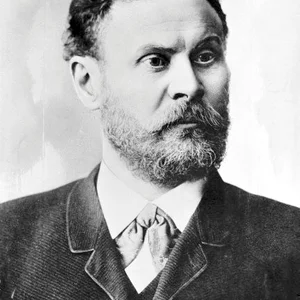
Otto Lilienthal
1848 — 1896
German engineer and inventor (1848–1896), Otto Lilienthal was the first person to achieve repeated and controlled gliding flights. His experiments with gliders laid the scientific foundations of modern aviation.

Pereire Brothers (Émile and Isaac)
Banker brothers of Bordeaux origin and disciples of Saint-Simonianism, they financed the first French railway (Paris–Saint-Germain, 1837) and founded the Crédit Mobilier (1852), an innovative investment bank that rivaled the Rothschilds under the Second Empire.
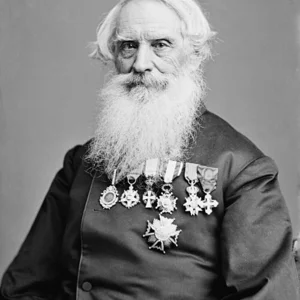
Samuel Morse
1791 — 1872
American inventor and painter (1791–1872), Samuel Morse is famous for developing the electric telegraph and the code that bears his name. His invention revolutionized long-distance communications in the 19th century.
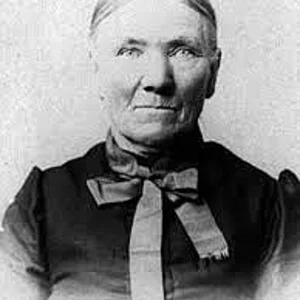
Sarah E. Goode
1855 — 1905
Sarah E. Goode was an American inventor and entrepreneur, one of the first African American women to receive a patent in the United States. Born into slavery, she became a furniture merchant in Chicago and invented a folding cabinet bed in 1885.

Tabitha Babbitt
1779 — 1853
Tabitha Babbitt (1779-1853) was an American inventor and a member of the Shaker community in Harvard, Massachusetts. She is credited with inventing the circular saw adapted for sawmills, as well as improvements to cut nails and carding teeth.
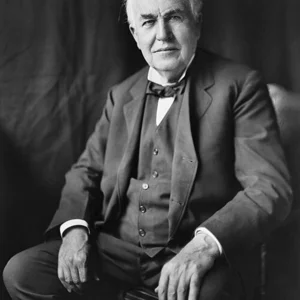
Thomas Edison
1847 — 1931
American inventor and industrialist (1847–1931), Edison is one of the greatest innovators in history. He filed more than 1,000 patents and created the incandescent light bulb, the phonograph, and the electrical distribution system.
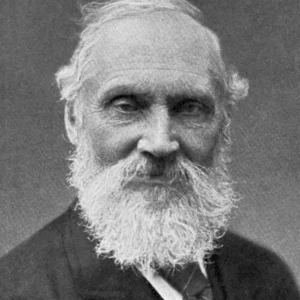
William Thomson (Lord Kelvin)
British physicist and mathematician of the 19th century, he made fundamental contributions to thermodynamics and electromagnetism. He is the originator of the absolute temperature scale that bears his name. He also oversaw the laying of the first transatlantic telegraph cable.
20th Century(69)
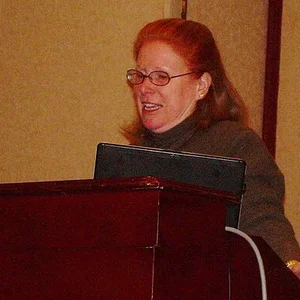
Adele Goldberg
1945 — ?
American computer scientist born in 1945, Adele Goldberg worked at Xerox PARC where she contributed to the development of the Smalltalk programming language. She played a pioneering role in the design of graphical user interfaces and object-oriented programming.
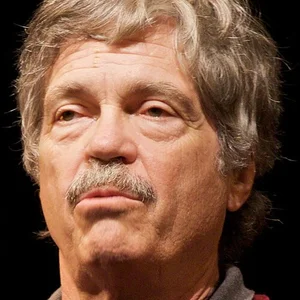
Alan Kay
1940 — ?
A pioneering American computer scientist in object-oriented programming, Alan Kay designed the Smalltalk language and envisioned the concept of a portable personal computer (the Dynabook) in the 1970s. His work at the Xerox PARC laboratories transformed modern computing.
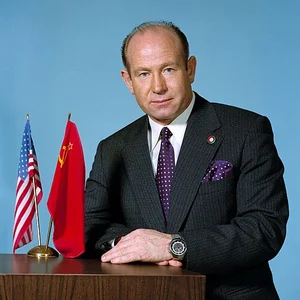
Alexei Leonov
1934 — 2019
Soviet cosmonaut Alexei Leonov was the first person to perform a spacewalk on March 18, 1965, during the Voskhod 2 mission. A trained military pilot, he embodies the boldness of the Soviet space program.

Anita Borg
1949 — 2003
American computer scientist (1949-2003), pioneer for the inclusion of women in computing. She founded the Institute for Women and Technology and co-founded the Grace Hopper Celebration, a global conference dedicated to women in computing.
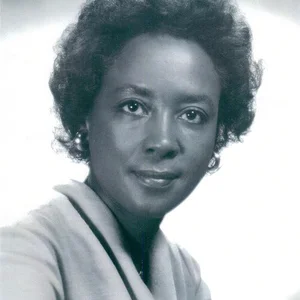
Annie Easley
1932 — 2011
An African American mathematician and computer scientist at NASA, Annie Easley contributed to the development of Centaur rockets and early solar energy technologies. A pioneer in a field dominated by white men, she also advocated for equal access to education.
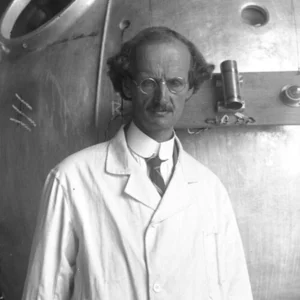
Auguste Piccard
1884 — 1962
Swiss physicist (1884–1962), he was the first person to reach the stratosphere by balloon (1931), then designed the bathyscaphe to explore the ocean depths. A pioneer of extreme exploration, he pushed the boundaries of scientific knowledge in both vertical directions.
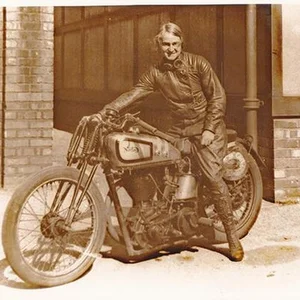
Beatrice Shilling
1909 — 1990
Beatrice Shilling (1909-1990) was a British aeronautical engineer. She is famous for solving a serious flaw in the Rolls-Royce Merlin engines that powered RAF fighters during the Second World War.
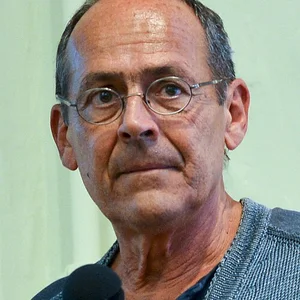
Bernard Stiegler
1952 — 2020
Bernard Stiegler (1952-2020) was a French philosopher and a major figure in the philosophy of technology. He analyzed how digital techniques and technologies shape the human mind, memory, and contemporary societies.
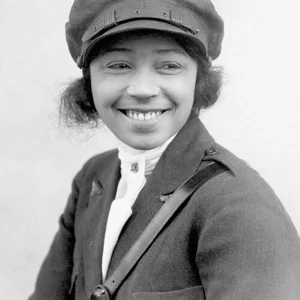
Bessie Coleman
1892 — 1926
Bessie Coleman (1892–1926) was the first African American woman to earn a pilot's license, obtaining it in France in 1921 because no American school would accept her due to her race and gender. She became a celebrated stunt aviator before dying in a plane crash.
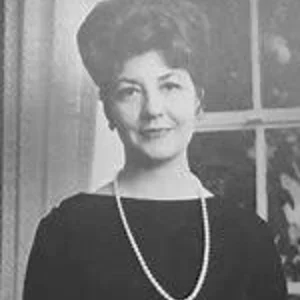
Bette Nesmith Graham
1924 — 1980
Bette Nesmith Graham (1924-1980) was an American secretary who became an inventor and entrepreneur. She developed the white correction fluid (Liquid Paper) to cover up typing mistakes, then built a thriving company around her invention.
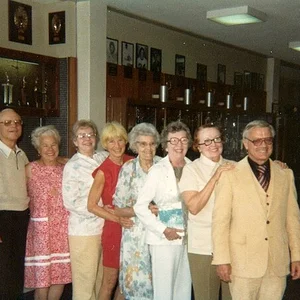
Beulah Henry
An American inventor nicknamed "Lady Edison," Beulah Henry filed more than 110 patents between 1912 and 1970, covering household appliances, bobbinless sewing machines, and various practical tools. A pioneer in a field almost exclusively dominated by men, she founded several companies to bring her inventions to market.
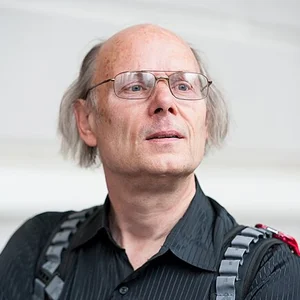
Bjarne Stroustrup
1950 — ?
Danish computer scientist born in 1950, Bjarne Stroustrup is the creator of the C++ programming language, developed in the 1980s at Bell Labs. He is also a professor and author of numerous reference works in computer science.
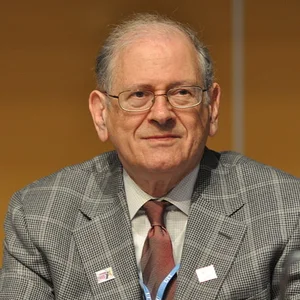
Bob Kahn
1938 — ?
American computer scientist who co-invented the TCP/IP protocol with Vint Cerf, the technical foundation of the Internet. His work made universal communication between computers possible on a global scale.
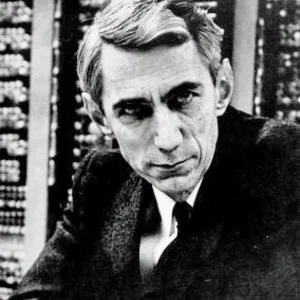
Claude Shannon
1916 — 2001
American mathematician and engineer (1916-2001), founder of information theory. His 1948 paper laid the mathematical foundations of digital communication and data encoding.
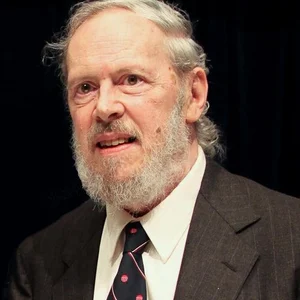
Dennis Ritchie
1941 — 2011
An American computer scientist, Dennis Ritchie is the creator of the C programming language and co-creator of the Unix operating system. His work at Bell Labs in the 1970s laid the foundations of modern computing.
Edith Flanigen
Edith Flanigen is an American chemist born in 1929, a pioneer in the chemistry of zeolites (molecular sieves). Her work revolutionized oil refining and industrial purification. She is one of the most prolific inventors of the 20th century.
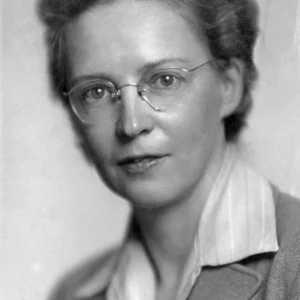
Elsie MacGill
1905 — 1980
Elsie MacGill (1905-1980) was a Canadian aeronautical engineer, the first woman in the world to earn a degree in that discipline. Nicknamed the “Queen of the Hurricanes,” she led the production of fighter aircraft during the Second World War and was a feminist activist.
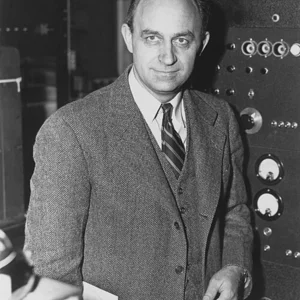
Enrico Fermi
1901 — 1954
Italian physicist (1901–1954), Nobel Prize in Physics in 1938. He achieved the first controlled nuclear chain reaction in 1942 and was one of the fathers of the atomic bomb as part of the Manhattan Project.

Erna Schneider Hoover
1926 — ?
Erna Schneider Hoover (1926-2025) was an American mathematician and computer scientist. In the 1960s she invented a computerized stored-program-controlled telephone switching system, revolutionizing the way calls were handled in telephone exchanges.
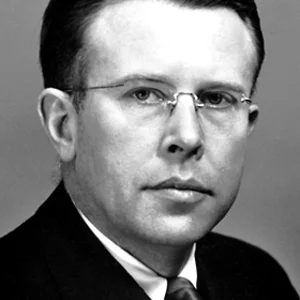
Ernest Lawrence
1901 — 1958
American physicist (1901–1958), inventor of the cyclotron, the first circular particle accelerator. Winner of the 1939 Nobel Prize in Physics, he paved the way for modern nuclear physics and contributed to the Manhattan Project.

Evelyn Berezin
1925 — 2018
Evelyn Berezin (1925-2018) was an American engineer and computer scientist, a pioneer of computing. In 1971 she designed the first computerized word processor, the Data Secretary, and founded the company Redactron to bring it to market.
Evelyn Boyd Granville
1924 — 2023
Evelyn Boyd Granville was an American mathematician, one of the first African American women to earn a doctorate in mathematics in the United States (Yale, 1949). She contributed to the American space programs by developing trajectory analyses for the Vanguard, Mercury, and Apollo missions.
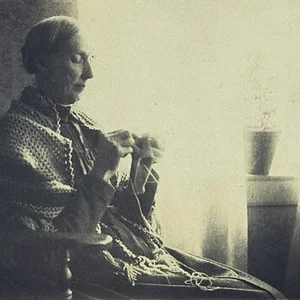
Frances Allen
1934 — 2018
American computer scientist and pioneer in compiler optimization at IBM. The first woman to win the Turing Award in 2006, she laid the theoretical foundations of modern compilation and parallel programming.
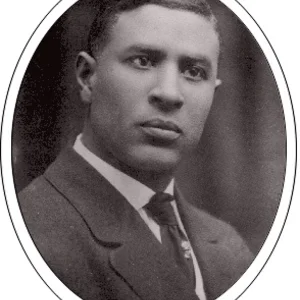
Garrett Morgan
1877 — 1963
A self-taught American inventor, Garrett Morgan designed the gas mask (1914) and the three-position traffic signal (1923). His inventions saved lives and revolutionized public safety.
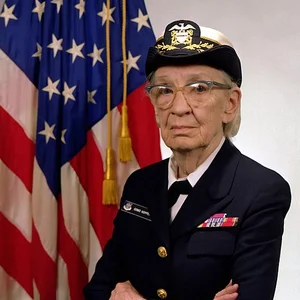
Grace Hopper
1906 — 1992
Grace Hopper, American mathematician and rear admiral, is one of the pioneers of computer science. She developed one of the first compilers and contributed to the creation of the COBOL programming language, revolutionizing programming. She popularized the term "bug" in computing after finding a real insect inside a computer.
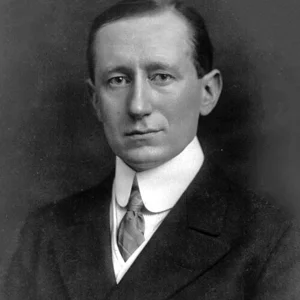
Guglielmo Marconi
1874 — 1937
Italian physicist and inventor (1874–1937), Marconi was the pioneer of wireless radio. He achieved the first transatlantic transmission in 1901 and received the Nobel Prize in Physics in 1909.
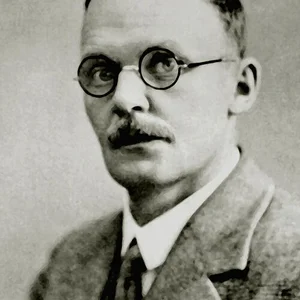
Hans Geiger
1882 — 1945
German physicist (1882–1945), Hans Geiger is famous for inventing the Geiger counter, an instrument for detecting ionizing radiation. He worked with Ernest Rutherford and contributed to the alpha particle scattering experiment that revealed the structure of the atomic nucleus.
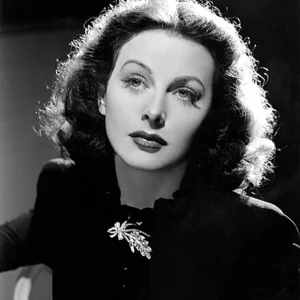
Hedy Lamarr
1914 — 2000
Austrian-born American actress, producer, and scientist
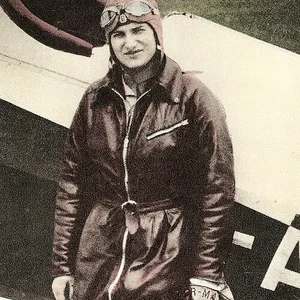
Hélène Boucher
1908 — 1934
Hélène Boucher (1908–1934) was a French aviator who set several world speed records in the 1930s. Nicknamed “the fiancée of the air,” she stands as a pioneering figure in women's aviation, before dying tragically at age 26 in a training accident.
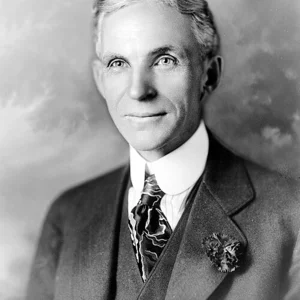
Henry Ford
1863 — 1947
American industrialist (1863–1947), Henry Ford revolutionized automobile manufacturing by introducing the assembly line and the Model T. He is the founder of the Ford Motor Company and one of the founding fathers of modern industrial capitalism.
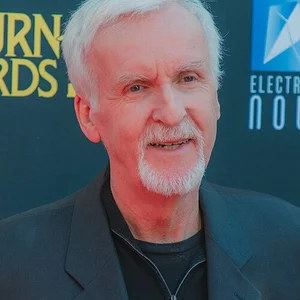
James Cameron
1954 — ?
Canadian director born in 1954, James Cameron is the creator of iconic films such as Terminator, Titanic, and Avatar. A passionate deep-sea explorer, he dove to the depths of the Mariana Trench in 2012.
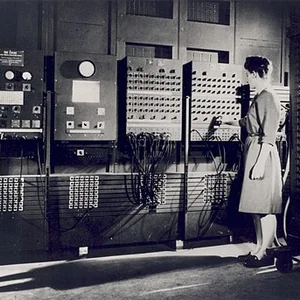
Jean Bartik
1924 — 2011
Jean Bartik (1924-2011) was an American mathematician and computer scientist, one of the first six programmers of the ENIAC, the first fully programmable electronic computer. She helped transform automatic computation into a new discipline: programming.
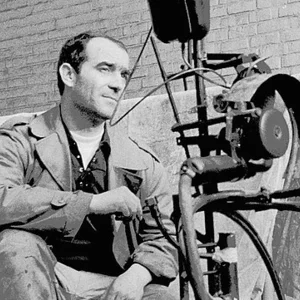
Jean Tinguely
1925 — 1991
Jean Tinguely (1925–1991) was a pioneering Swiss sculptor of kinetic art and the Nouveau Réalisme movement. His famous absurd machine-sculptures, such as the Méta-Matics, questioned industrial society and the role of the machine in art.
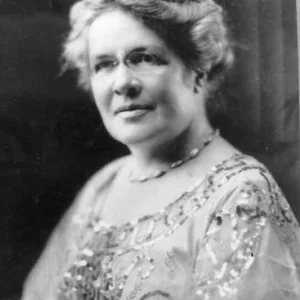
Kate Gleason
1865 — 1933
Kate Gleason (1865-1933) was an American engineer and businesswoman, a pioneer of the machine-tool industry. The first woman admitted to Cornell University's engineering program, she also made her mark in the construction of prefabricated concrete housing.
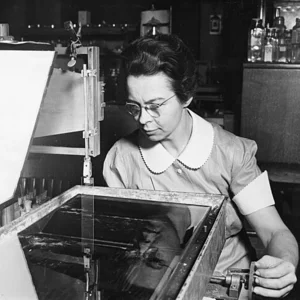
Katharine Burr Blodgett
1898 — 1979
American physicist and inventor (1898-1979), the first woman to earn a doctorate in physics from the University of Cambridge and the first female scientist hired by General Electric. She is known for inventing non-reflective glass (“invisible” glass).
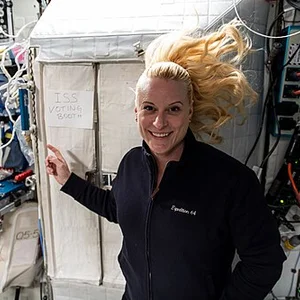
Kathleen Booth
1922 — 2022
Kathleen Booth (1922-2022) was a British computer scientist and mathematician, a pioneer of the early days of computing. She is credited with inventing assembly language and designing the first computers at Birkbeck College in London, alongside Andrew Booth.
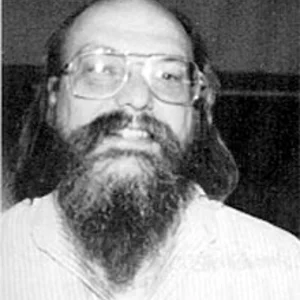
Ken Thompson
1945 — ?
American computer scientist, Ken Thompson is the co-creator of the Unix operating system with Dennis Ritchie at Bell Labs in the 1970s. He also designed the B programming language, the ancestor of C, and co-developed the Go language.

Klára Dán von Neumann
American mathematician and programmer of Hungarian origin, regarded as one of the first programmers in history. She wrote and coded programs for the ENIAC computer, notably for weather calculations and simulations related to nuclear weapons.
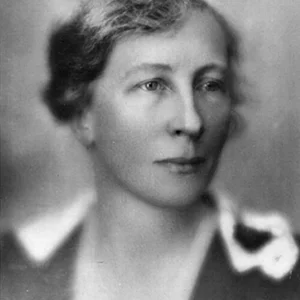
Lillian Gilbreth
American engineer, psychologist, and pioneer of scientific management. The first woman member of the American Society of Mechanical Engineers, she brought the human dimension into the study of industrial efficiency.
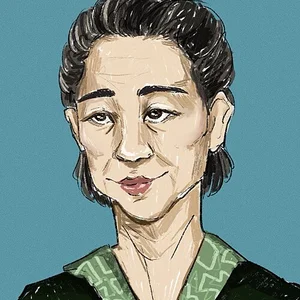
Lin Lanying
1918 — 2003
Lin Lanying was a Chinese engineer and scientist specializing in semiconductor materials. A pioneer of microelectronics in China, she is nicknamed the “mother of Chinese semiconductor materials” for developing the country's first single crystals of silicon and gallium arsenide.
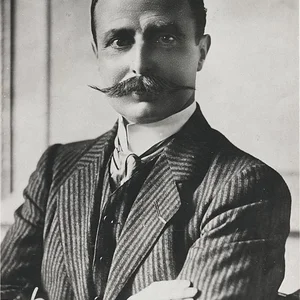
Louis Blériot
1872 — 1936
French engineer and aviator (1872–1936), Louis Blériot was the first person to cross the English Channel by aeroplane on 25 July 1909. A pioneer of aviation, he designed and flew his own aircraft, making a decisive contribution to the development of the aeronautical industry.
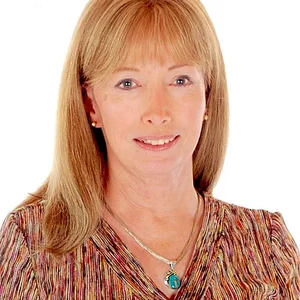
Lynn Conway
1938 — 2024
An American computer scientist and engineer, Lynn Conway revolutionized integrated circuit design by co-developing VLSI design rules with Carver Mead. A pioneer of superscalar processor architecture, she also made history as a transgender woman who rebuilt a brilliant career after being fired from IBM.
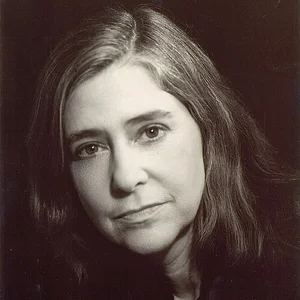
Margaret Hamilton
1936 — ?
Margaret Hamilton is a pioneering American computer scientist and engineer in the field of software engineering. She led the team that developed the onboard navigation software for the Apollo missions, directly contributing to the 1969 Moon landing. She is considered one of the founders of software engineering as a discipline.
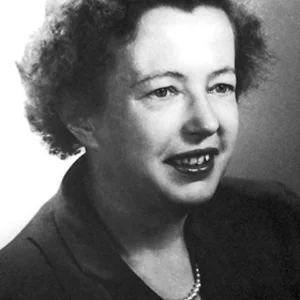
Maria Goeppert Mayer
1906 — 1972
An American theoretical physicist of German origin, she developed the nuclear shell model of the atomic nucleus. In 1963, she became the second woman in history to receive the Nobel Prize in Physics, after Marie Curie.
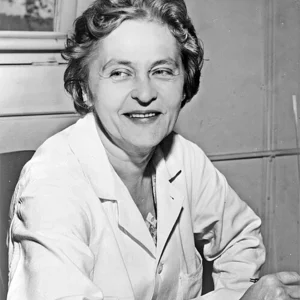
Mária Telkes
1900 — 1995
Hungarian-American biophysicist and inventor (1900-1995), nicknamed the “Queen of the Sun.” A pioneer of solar energy, she designed the first solar heating system for a home and a solar distiller used by the US Navy.
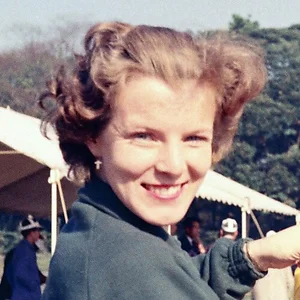
Marion Donovan
1917 — 1998
Marion Donovan (1917-1998) was an American inventor. In 1946 she designed the “Boater,” the first reusable waterproof diaper cover, and later laid the groundwork for the modern disposable diaper, filing some twenty patents over the course of her life.
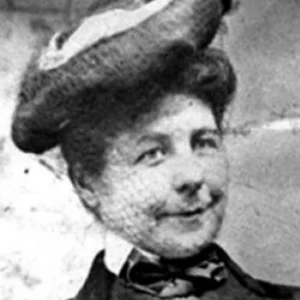
Mary Anderson
1866 — 1953
Mary Anderson (1866-1953) was an American inventor. In 1903, she designed and patented the first manual windshield wiper for vehicles, a lever-operated device controlled from inside the cabin.
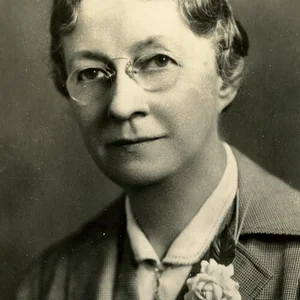
Mary Engle Pennington
1872 — 1952
Mary Engle Pennington (1872-1952) was an American chemist, bacteriologist, and engineer, a pioneer of food preservation through refrigeration. She established the scientific standards of the cold chain for milk, eggs, and poultry in the United States.
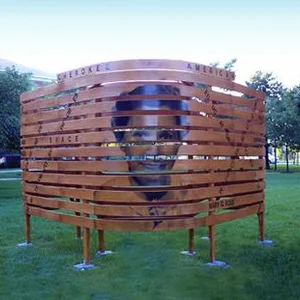
Mary Golda Ross
1908 — 2008
Mary Golda Ross (1908-2008) was an American aerospace engineer, the first female engineer of the Cherokee Nation. A pioneer of astronautics, she took part in the founding work of the American space and defense programs at Lockheed.
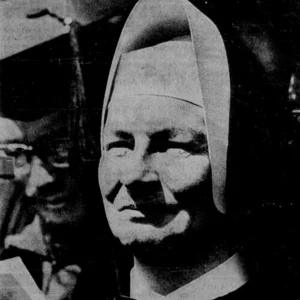
Mary Kenneth Keller
1913 — 1985
Mary Kenneth Keller was an American Catholic nun and a computing pioneer. She was one of the first people to earn a doctorate in computer science in the United States (1965) and contributed to the development of the BASIC programming language.
Norbert Wiener
American mathematician (1894-1964), founder of cybernetics, the science of communication and control in living systems and machines. His work laid the theoretical foundations of computing, automation, and artificial intelligence.
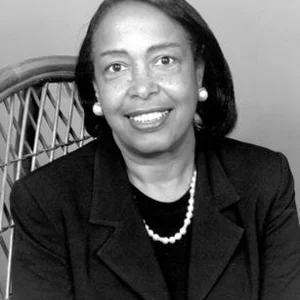
Patricia Bath
1942 — 2019
An American ophthalmologist and inventor, Patricia Bath revolutionized cataract treatment by developing the Laserphaco Probe, a laser device patented in 1988. The first African American woman to receive a medical patent in the United States, she also co-founded the American Institute for the Prevention of Blindness.
Patsy Sherman
Patsy Sherman (1930-2008) was an American chemist employed by the company 3M. She is known worldwide for co-inventing Scotchgard, a waterproofing and stain-resistant treatment for textiles.
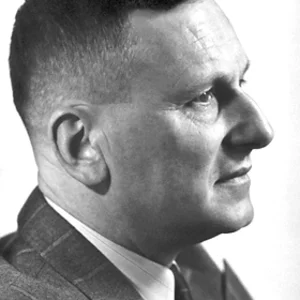
Paul Hermann Müller
1899 — 1965
Swiss chemist (1899–1965), Paul Hermann Müller synthesized DDT in 1939 and discovered its insecticidal properties. This discovery earned him the Nobel Prize in Physiology or Medicine in 1948, although DDT is now banned for its harmful environmental effects.
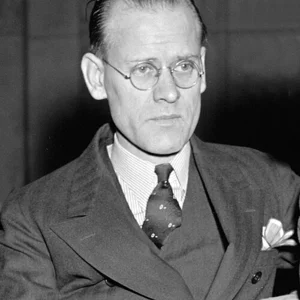
Philo Farnsworth
1906 — 1971
American inventor and pioneer of electronic television. As a teenager he conceived the principle of the image dissector tube and, in 1927, achieved the first transmission of a fully electronic image.
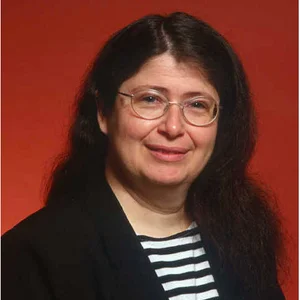
Radia Perlman
1951 — ?
Radia Perlman is an American engineer and computer scientist born in 1951, nicknamed the "Mother of the Internet." In 1985, she invented the Spanning Tree Protocol (STP), which makes computer networks stable and reliable. Her work on network security and routing protocols remains foundational to the architecture of the Internet.
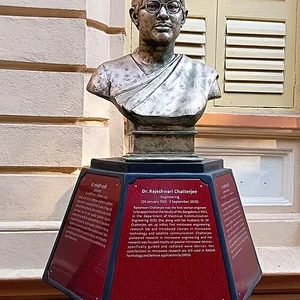
Rajeshwari Chatterjee
1922 — 2010
Rajeshwari Chatterjee was an Indian engineer and scientist, a pioneer of microwave and antenna engineering. The first woman engineer from the state of Karnataka, she taught for decades at the Indian Institute of Science in Bangalore.
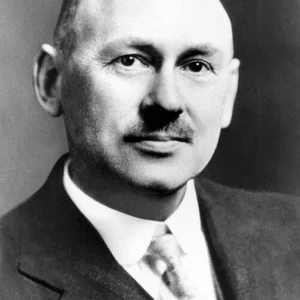
Robert Goddard
1882 — 1945
American engineer and physicist (1882–1945), pioneer of astronautics. He designed and launched the first liquid-fueled rocket in 1926, laying the foundations of modern space exploration.
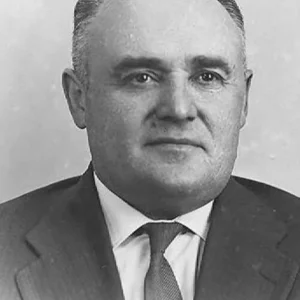
Sergei Korolev
1907 — 1966
Soviet engineer of Ukrainian origin, Korolev is the father of the Soviet space program. He designed Sputnik, the first artificial satellite, and the Vostok capsule that allowed Gagarin to fly in space.
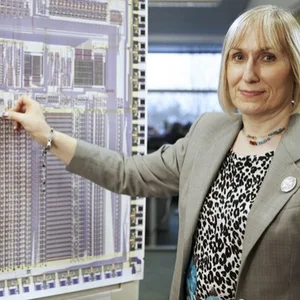
Sophie Wilson
1957 — ?
Sophie Wilson is a British computer scientist born in 1957, who designed the instruction set of the ARM processor. Her architecture now powers nearly all smartphones and mobile devices worldwide.
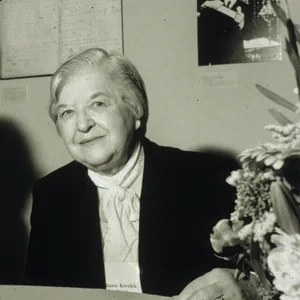
Stephanie Kwolek
1923 — 2014
American chemist (1923-2014), Stephanie Kwolek invented Kevlar in 1965, a synthetic fiber five times stronger than steel. Her discovery revolutionized protective equipment and earned her numerous scientific distinctions.
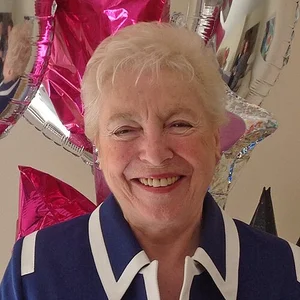
Stephanie Shirley
1933 — 2025
Stephanie Shirley, known as “Steve,” is a British computer scientist and entrepreneur of German origin, who arrived in the United Kingdom as a child thanks to the Kindertransport. A software pioneer, she founded a programming company in 1962 that employed almost exclusively women working from home. Later a philanthropist, she gave away most of her fortune.
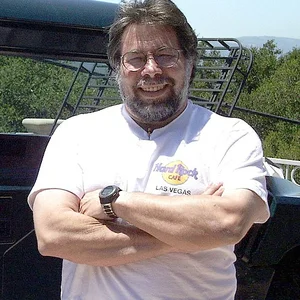
Steve Wozniak
1950 — ?
Engineer and co-founder of Apple, Steve Wozniak designed the Apple I and Apple II in the 1970s, laying the foundations of personal computing. Nicknamed “The Woz,” he is considered one of the pioneers of the digital revolution.
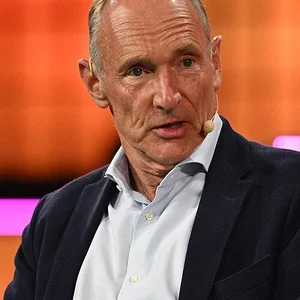
Tim Berners-Lee
1955 — ?
British computer scientist born in 1955, Tim Berners-Lee is the inventor of the World Wide Web (1989–1991). He designed the HTTP and HTML protocols that revolutionized global communication.
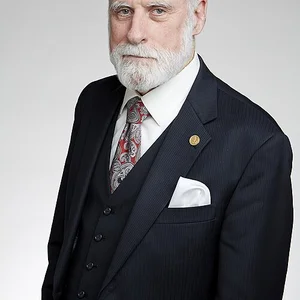
Vint Cerf
1943 — ?
American computer scientist, co-creator with Bob Kahn of the TCP/IP protocol that forms the technical foundation of the Internet. Nicknamed one of the “fathers of the Internet,” he helped transform a military network into a global communication infrastructure.
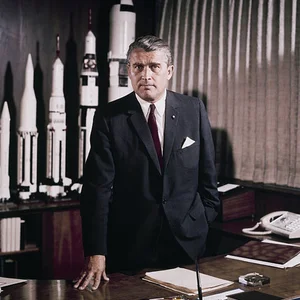
Wernher von Braun
1912 — 1977
A German-American aerospace engineer, he designed the V-2 rocket for Nazi Germany before being recruited by the United States. He then led NASA's Saturn V program, which carried Apollo 11 to the Moon in 1969.
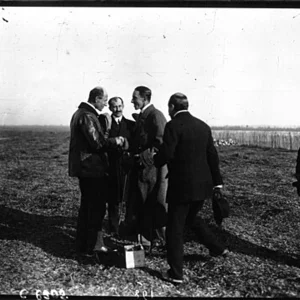
Wright (Orville and Wilbur)
American brothers, self-taught mechanics and inventors, they achieved the first powered and controlled flight in history on December 17, 1903, at Kitty Hawk, North Carolina. Their Flyer I flew for 12 seconds, launching the age of aviation.
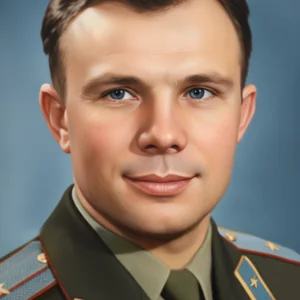
Yuri Gagarin
1934 — 1968
A Soviet cosmonaut, Yuri Gagarin became the first human to travel into space on 12 April 1961 aboard Vostok 1. His flight made him a worldwide hero and a symbol of Soviet space achievement at the height of the Cold War.
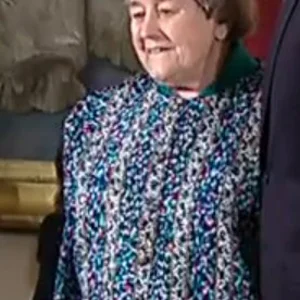
Yvonne Brill
1924 — 2013
Canadian-American aerospace engineer (1924-2013), a pioneer of spacecraft propulsion. She invented a hydrazine propulsion system that kept satellites in orbit, a technology that became an industry standard.
21st Century(20)

Anousheh Ansari
1966 — ?
First Iranian woman and first private space tourist to travel to space in 2006. An Iranian-American businesswoman, she funded the Ansari X Prize to encourage space tourism.
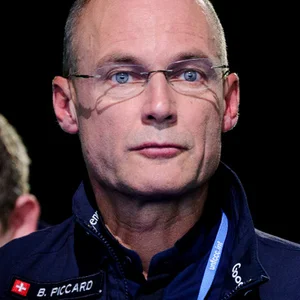
Bertrand Piccard
1958 — ?
Swiss psychiatrist and aeronaut born in 1958, Bertrand Piccard completed the first non-stop round-the-world balloon flight in 1999. He then became the driving force behind Solar Impulse, the solar-powered aircraft that completed the first fuel-free circumnavigation of the globe in 2015–2016.
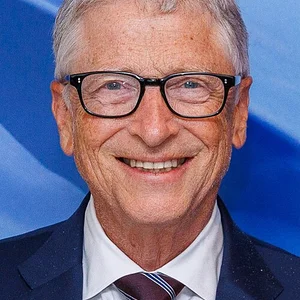
Bill Gates
1955 — ?
Co-founder of Microsoft, Bill Gates revolutionized personal computing with the Windows operating system. Having become one of the wealthiest people in the world, he went on to dedicate himself to philanthropy through the Bill & Melinda Gates Foundation.
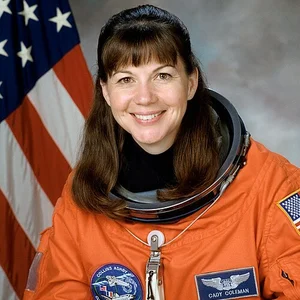
Catherine Coleman
1960 — ?
An American astronaut and chemist, Catherine Coleman completed three spaceflights, including a 159-day stay aboard the International Space Station in 2010–2011. A US Air Force officer, she contributed to scientific experiments in microgravity.
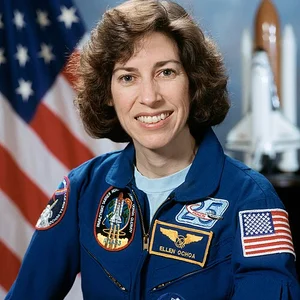
Ellen Ochoa
1958 — ?
Ellen Ochoa is an American engineer and astronaut, the first woman of Hispanic origin to travel into space in 1993. A specialist in optical systems, she flew four missions aboard the space shuttle and later directed NASA's Johnson Space Center.
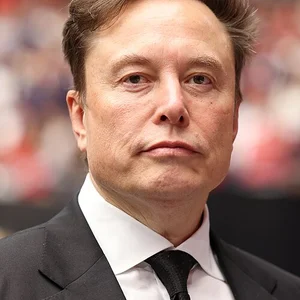
Elon Musk
1971 — ?
American-South African entrepreneur and businessman, Elon Musk is co-founder of Tesla and founder of SpaceX. He embodies the archetype of the 21st-century tech entrepreneur, with a sweeping influence on the automotive industry, private space exploration, and social media.
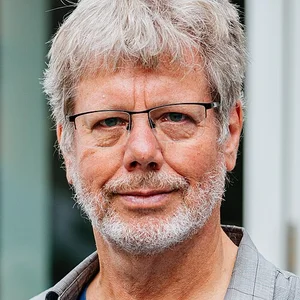
Guido van Rossum
1956 — ?
Dutch computer scientist born in 1956, Guido van Rossum is the creator of the Python programming language, which he began developing in 1989. Python is today one of the most widely used languages in the world, particularly in programming education and artificial intelligence.
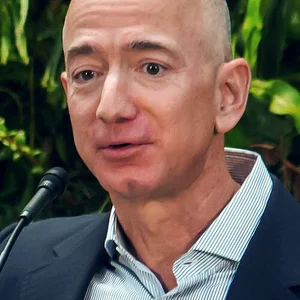
Jeff Bezos
1964 — ?
Founder of Amazon in 1994, Jeff Bezos transformed global commerce through e-commerce and cloud computing. He is one of the wealthiest people in the world and founded Blue Origin for private space exploration.

Larry Ellison
1944 — ?
Co-founder and CEO of Oracle Corporation, Larry Ellison built one of the largest enterprise software empires in the world. A pioneer of relational databases, he is one of the wealthiest people on the planet.
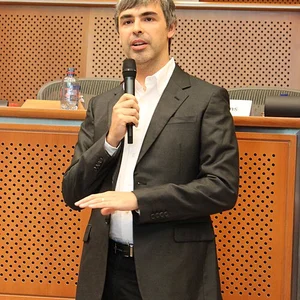
Larry Page
1973 — ?
Co-founder of Google with Sergey Brin in 1998, Larry Page revolutionized access to information on the Internet through the PageRank algorithm. He led Google then Alphabet, one of the most highly valued companies in the world.
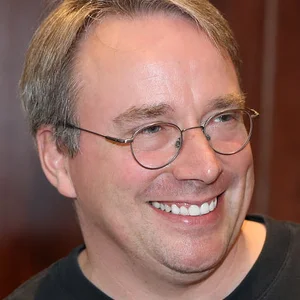
Linus Torvalds
1969 — ?
Finnish computer engineer born in 1969, Linus Torvalds is the creator of the Linux kernel in 1991, which became the most widely used open source operating system in the world. He also developed Git, a version control tool used by millions of developers.
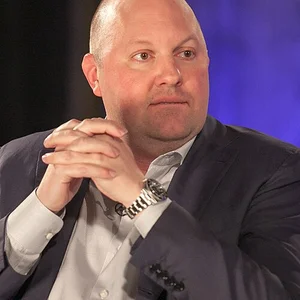
Marc Andreessen
1971 — ?
Co-creator of Mosaic (1993), the first mainstream web browser, and then co-founder of Netscape, Marc Andreessen revolutionized access to the Internet. He went on to become one of Silicon Valley's most influential investors, co-founding the venture capital firm Andreessen Horowitz.

Mark Zuckerberg
1984 — ?
American computer scientist and entrepreneur born in 1984, co-founder of Facebook in 2004. He transformed global communication by creating the first mass social network, and now leads Meta Platforms.
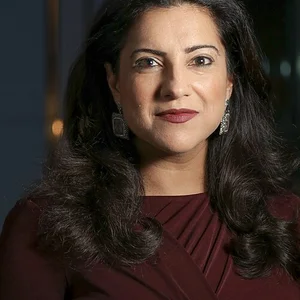
Reshma Saujani
1975 — ?
American lawyer and activist, founder of Girls Who Code in 2012, an organization aimed at closing the gender gap in technology careers. She also ran for the U.S. Congress and advocates for women's inclusion in tech.
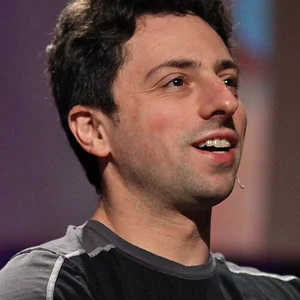
Sergey Brin
1973 — ?
Sergey Brin is an American entrepreneur of Russian origin, co-founder of Google with Larry Page in 1998. He revolutionized Internet search through the PageRank algorithm. He also led the experimental projects of Google X.

Shafi Goldwasser
Israeli-American theoretical computer scientist and pioneer of modern cryptography. Co-recipient of the 2012 Turing Award with Silvio Micali, she laid the mathematical foundations of probabilistic cryptography and zero-knowledge proofs.
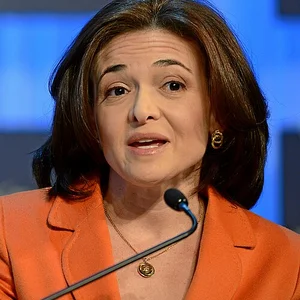
Sheryl Sandberg
1969 — ?
Chief Operating Officer of Facebook (Meta) from 2008 to 2022, Sheryl Sandberg is one of the most influential women in Silicon Valley. Author of *Lean In* (2013), she is a prominent advocate for women's leadership in the corporate world.
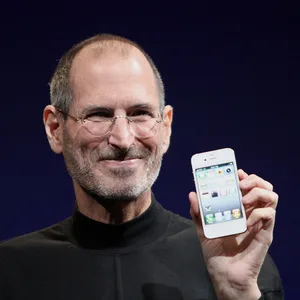
Steve Jobs
1955 — 2011
Co-founder of Apple Inc., Steve Jobs revolutionized personal computing, digital music, and mobile telephony. A visionary entrepreneur like no other, he transformed entire sectors of the global economy.
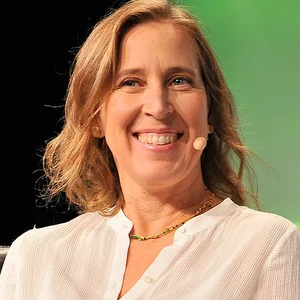
Susan Wojcicki
1968 — 2024
CEO of YouTube from 2014 to 2023, Susan Wojcicki is one of Silicon Valley's pioneers. She was Google's 16th employee, and in 1998 she rented her garage to Larry Page and Sergey Brin to house the company's first servers. Her leadership turned YouTube into the world's leading online video platform.
Tebello Nyokong
1951 — ?
Tebello Nyokong is a South African chemist born in 1951, a specialist in phthalocyanines. She develops a photodynamic therapy against cancer, an alternative to conventional chemotherapy, and works on cleaning up water through photochemistry.