 flip
flipSaktu — roasted barley flour of the traveler
Saktu — roasted barley flour of the traveler
Why this dish? Saktu, roasted and ground barley that one mixes with a little water, is the oldest road food of India — that of pilgrims who walked to holy sites like Mithilā or Tirumala associated with the goddess. Bhūmi Devi accompanies the walker: her grain, dried and reduced, lasts days without spoiling, a faithful companion of the paths.
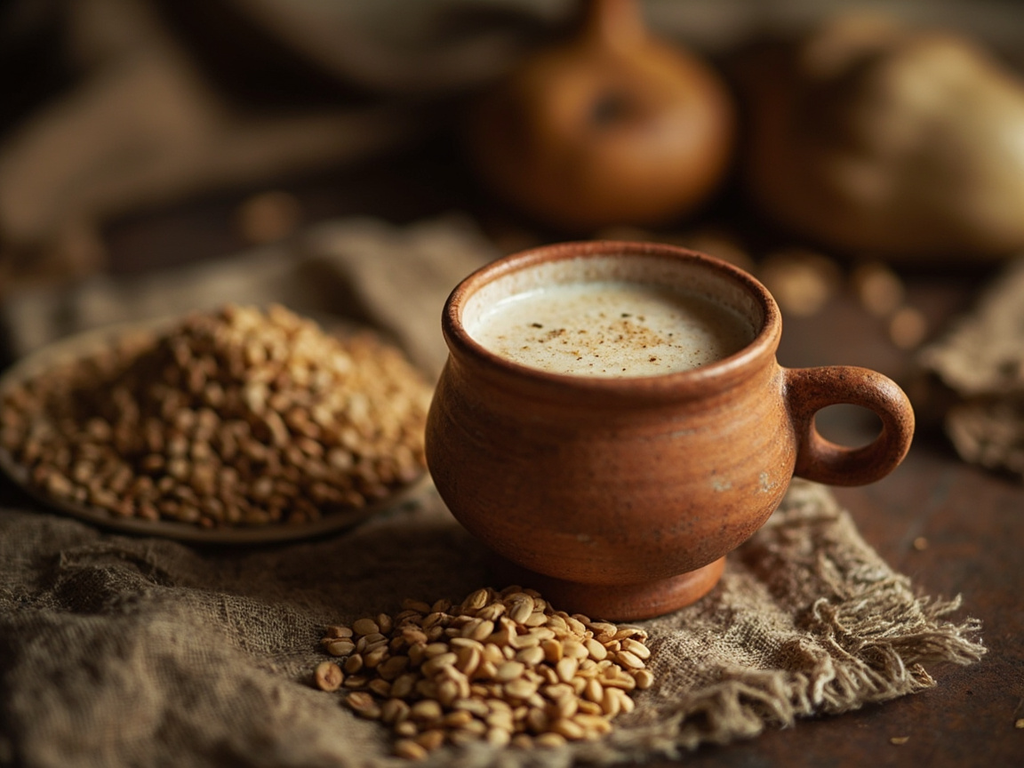
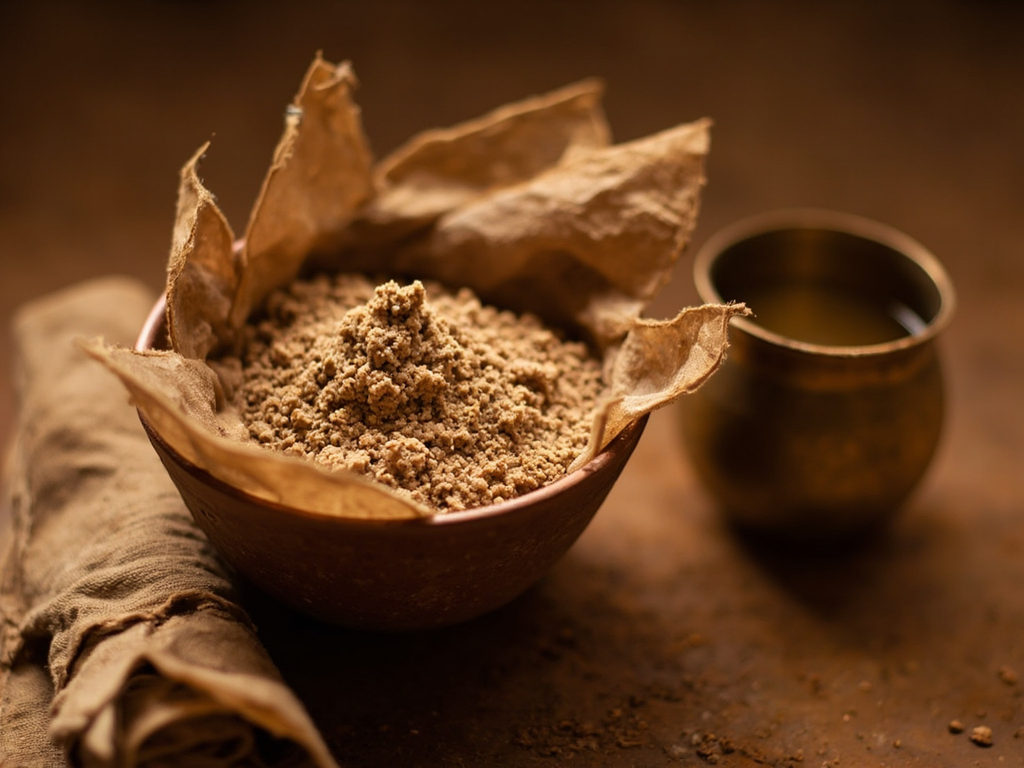
A barley flour toasted to a hazelnut fragrance, mixed into a paste or porridge with water, salt, or curdled milk. Compact, nourishing, and indestructible: the meal of the pilgrim and the plowman.
You set out on the roads? Take my roasted grain, it will not betray you. My farmers carry it in a cloth knot: a pinch in river water, a little salt, and you are satisfied under a tree, far from any fire. I am with you on the road as in the field — wherever your foot rests, it is still my back, and my flour feeds you where no one cooks.
- •Barley grains (yava) — as desired (base, to be roasted)
- •Rock salt (saindhava) — a pinch (seasoning, preservation)
- •Water or diluted curdled milk — to bind (liquid)
- •Dried ginger / long pepper — to taste (digestion, warmth)
Saktu — roasted barley flour of the traveler
A barley flour toasted to a hazelnut fragrance, mixed into a paste or porridge with water, salt, or curdled milk. Compact, nourishing, and indestructible: the meal of the pilgrim and the plowman.
Why this dish? Saktu, roasted and ground barley that one mixes with a little water, is the oldest road food of India — that of pilgrims who walked to holy sites like Mithilā or Tirumala associated with the goddess. Bhūmi Devi accompanies the walker: her grain, dried and reduced, lasts days without spoiling, a faithful companion of the paths.
You set out on the roads? Take my roasted grain, it will not betray you. My farmers carry it in a cloth knot: a pinch in river water, a little salt, and you are satisfied under a tree, far from any fire. I am with you on the road as in the field — wherever your foot rests, it is still my back, and my flour feeds you where no one cooks.
Ingredients (period version)
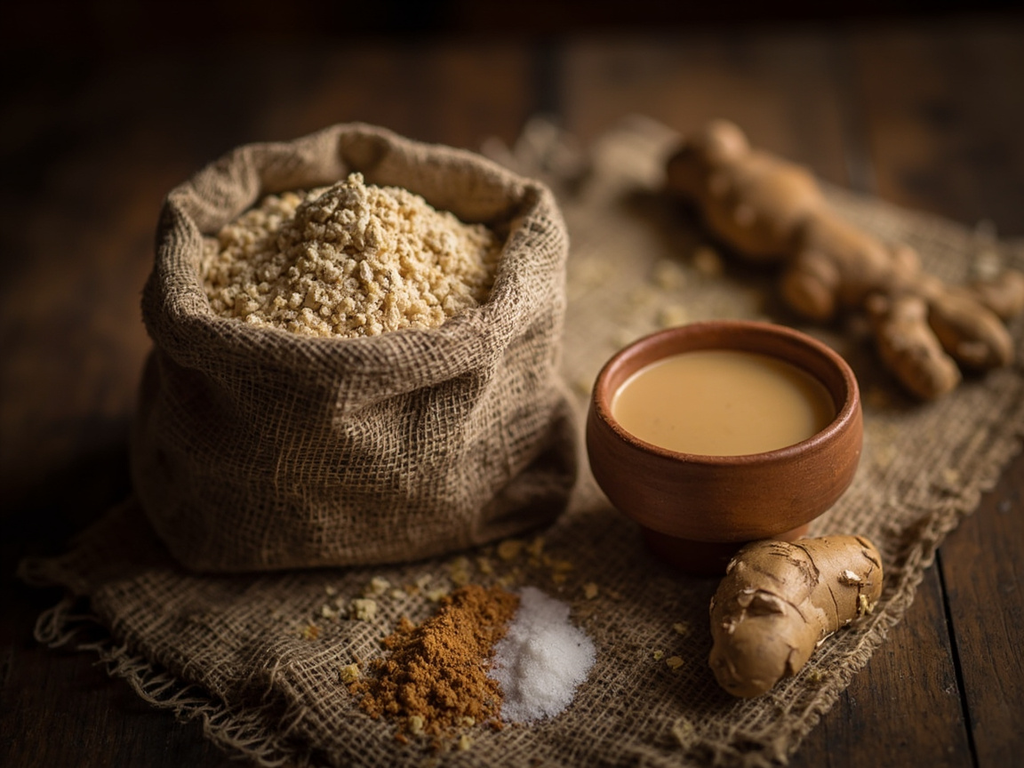
- Barley grains (yava) — as desired (base, to be roasted)
- Rock salt (saindhava) — a pinch (seasoning, preservation)
- Water or diluted curdled milk — to bind (liquid)
- Dried ginger / long pepper — to taste (digestion, warmth)
Ingredients
- Roasted barley flour (sattu) or pearl barley to toast — 100 g (base)
- Salt — 1 pinch (seasoning)
- Cool water or buttermilk — 150 ml (to mix)
- Ground roasted cumin — 1 pinch (optional) (fragrance)
- Black pepper — 1 pinch (warmth)
Method
- If starting from grains: dry-roast the barley in a pan until hazelnut-scented and lightly colored, then grind finely.
- Mix the roasted flour with salt and spices.
- At mealtime, gradually mix with cool water or buttermilk to a soft paste or porridge, as desired.
- Knead into balls for travel, or serve in a bowl as a rustic porridge.
- Dry flour keeps for weeks in a cloth or sealed pot.
How it was made : Saktu (roasted and ground barley or other grain) is mentioned as early as the Vedic texts and remained for millennia the travel ration, alms, and fasting food in North India — the ancestor of today's sattu. Toasting the grain makes it digestible and stabilizes it: it does not mold, making it the ideal food for long pilgrimage routes.
The contemporary twist : 'Pilgrim's energy balls' version: sattu, honey, and a touch of ghee rolled into balls, slipped into a hiking pocket.
Sources : Prakash, Om, Food and Drinks in Ancient India · Achaya, K.T., Indian Food: A Historical Companion
Bhumi Devi · Charactorium