 flip
flipGruth agus meadhg — fresh curds and whey for fast days
Gruth agus meadhg — fresh curds and whey for fast days
Why this dish? During the many fasts Brigid observed, meat disappeared from the table and only the bánbhia, the white foods from the herd, remained. Light curds and tangy whey, easy to digest, were also given to the sick and convalescent whom the saint cared for out of charity.
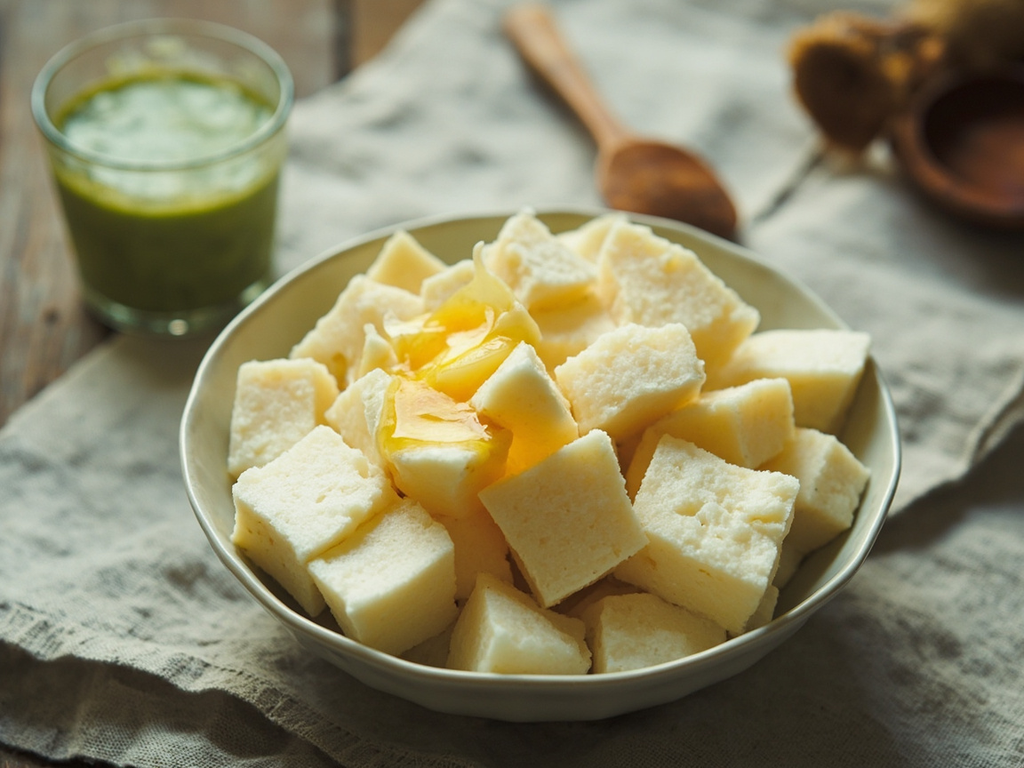
A soft fresh cheese, drained from soured milk, served with its tangy whey and a drizzle of honey. Light, refreshing, the comfort of fast days and the remedy for weak stomachs.
On fast days, flesh leaves the table and only the herd's gift remains — but do not think it poverty. Sour the milk with a drop of sharp juice, gather the white curds in a cloth, and keep the whey carefully: it restores strength to those rising from sickness. Eat the curds with a little honey if you wish, drink the meadhg cool, and give thanks — for the health of the body is also God's work.
- •Fresh cow's milk — a full pail (base)
- •Rennet or sour juice (yesterday's whey) — a little (coagulant)
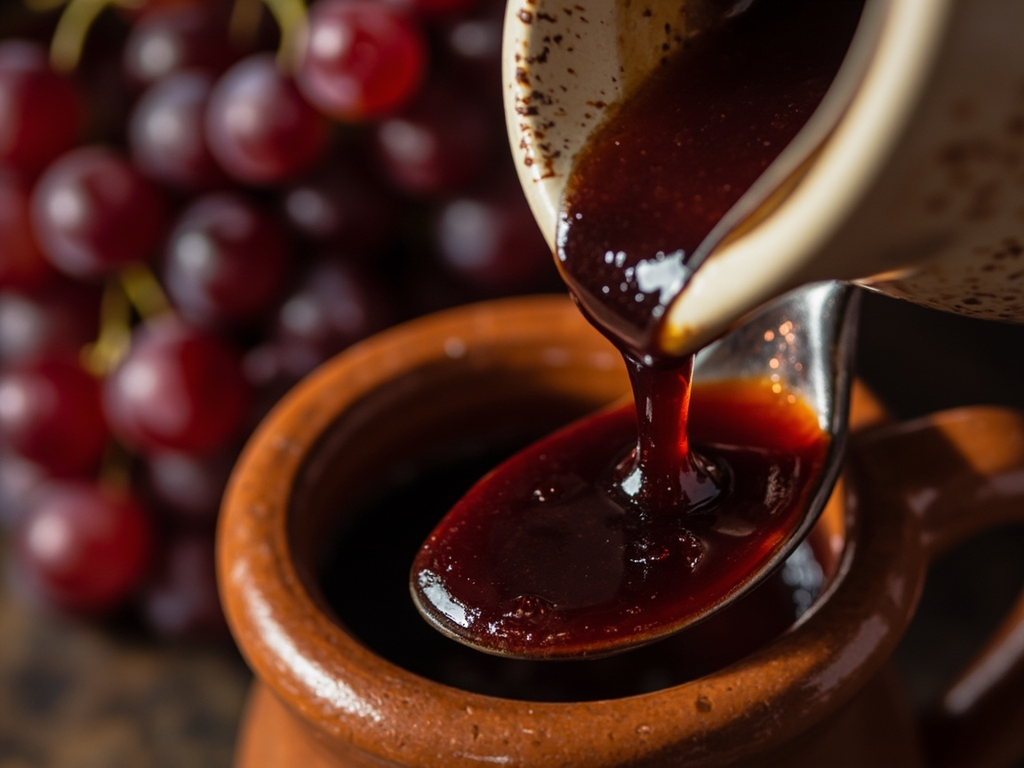
- •Honey — a drizzle (sweetness, optional)
Gruth agus meadhg — fresh curds and whey for fast days
A soft fresh cheese, drained from soured milk, served with its tangy whey and a drizzle of honey. Light, refreshing, the comfort of fast days and the remedy for weak stomachs.
Why this dish? During the many fasts Brigid observed, meat disappeared from the table and only the bánbhia, the white foods from the herd, remained. Light curds and tangy whey, easy to digest, were also given to the sick and convalescent whom the saint cared for out of charity.
On fast days, flesh leaves the table and only the herd's gift remains — but do not think it poverty. Sour the milk with a drop of sharp juice, gather the white curds in a cloth, and keep the whey carefully: it restores strength to those rising from sickness. Eat the curds with a little honey if you wish, drink the meadhg cool, and give thanks — for the health of the body is also God's work.
Ingredients (period version)
- Fresh cow's milk — a full pail (base)
- Rennet or sour juice (yesterday's whey) — a little (coagulant)
- Honey — a drizzle (sweetness, optional)
Ingredients
- Whole milk (not UHT) — 1 L (base)
- Lemon juice or mild vinegar — 2 to 3 tbsp (coagulant)
- Salt — 1 pinch (seasoning)
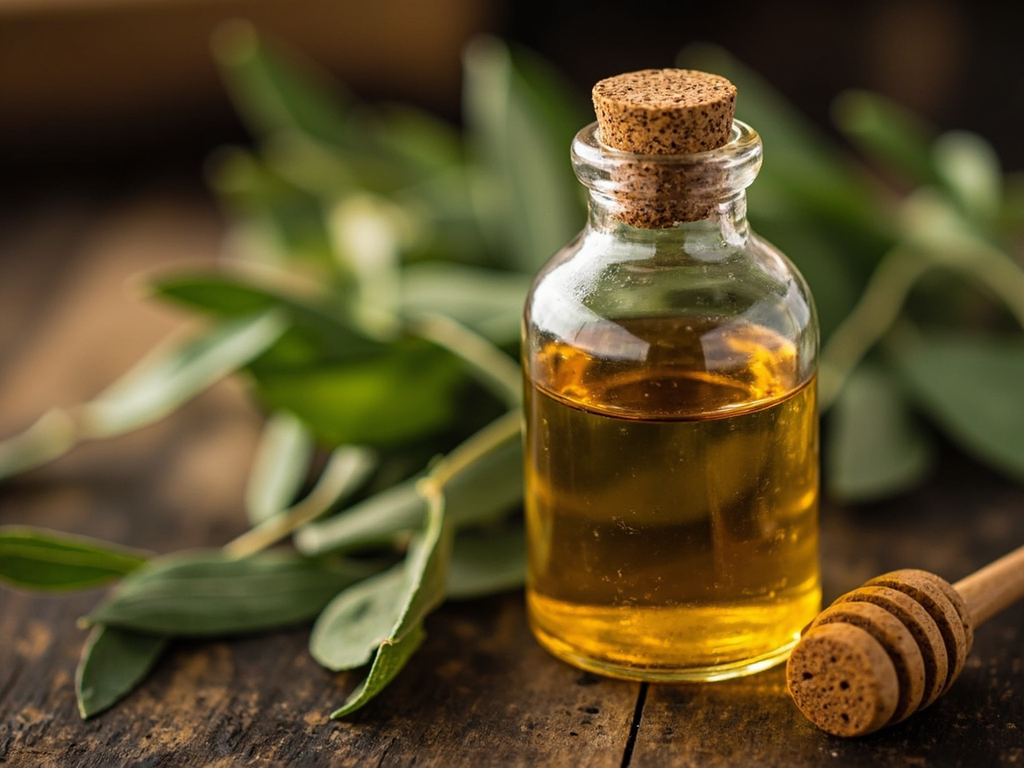
- Liquid honey — 1 tbsp (sweetness, optional)
Method
- Heat the milk gently to about 85°C (just before boiling).
- Off the heat, add the lemon juice while stirring slowly; the milk curdles in a few minutes.
- Let rest for 10 minutes: the white curds (gruth) separate from the yellow-green whey (meadhg).
- Pour into a sieve lined with a fine cloth, catching the whey in a bowl below.
- Let the curds drain for 20–30 minutes depending on desired firmness, season lightly with salt.
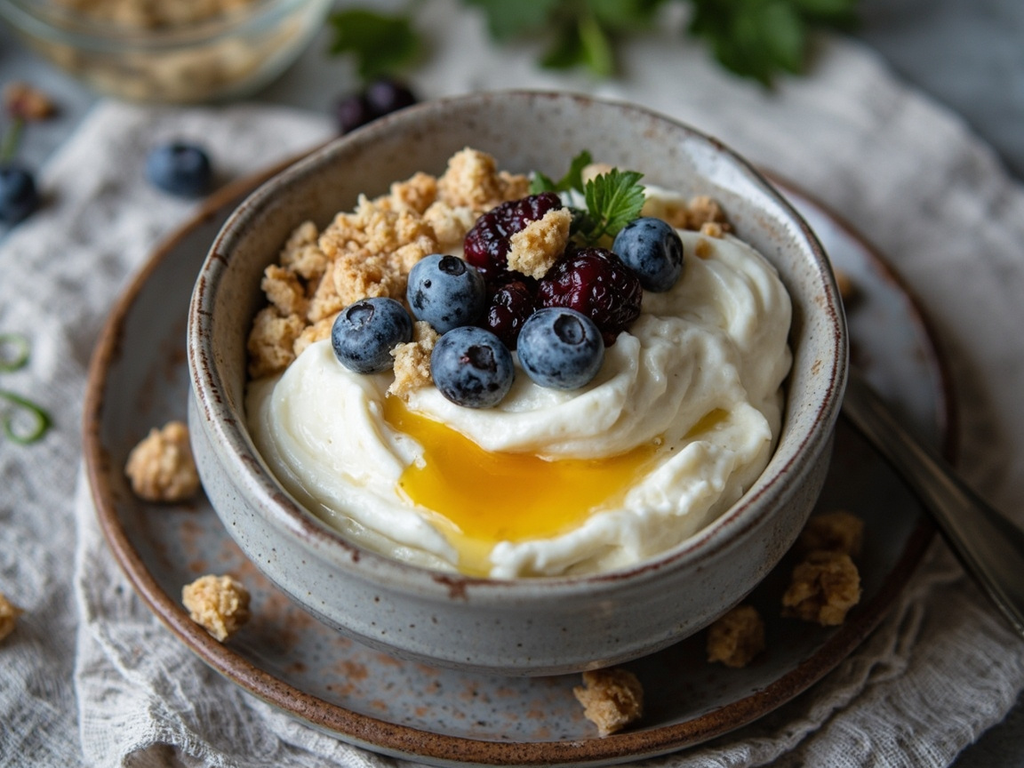
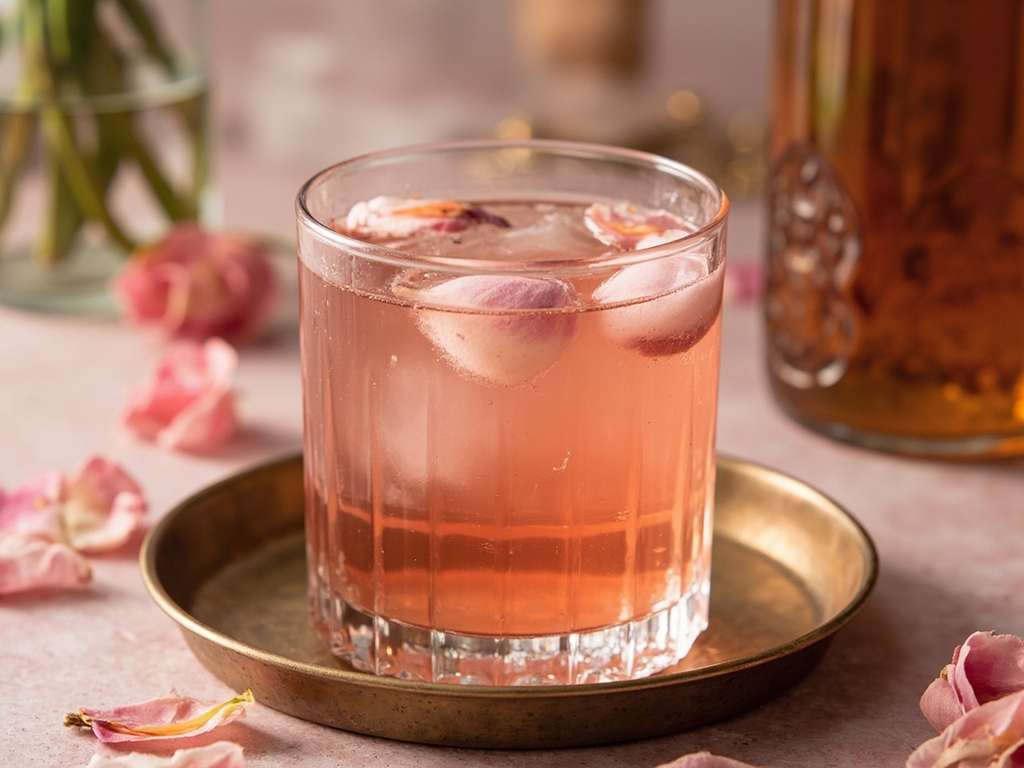
- Serve the fresh curds drizzled with honey, with a glass of well-chilled whey on the side.
How it was made : Dairy products — milk, butter, curds (gruth), whey (meadhg) — formed the bánbhia, literally the 'white foods', pillar of the Irish diet and staple during fasting periods when meat was forbidden. Whey, often overlooked today, was a prized drink and reputed for its restorative virtues for the sick.
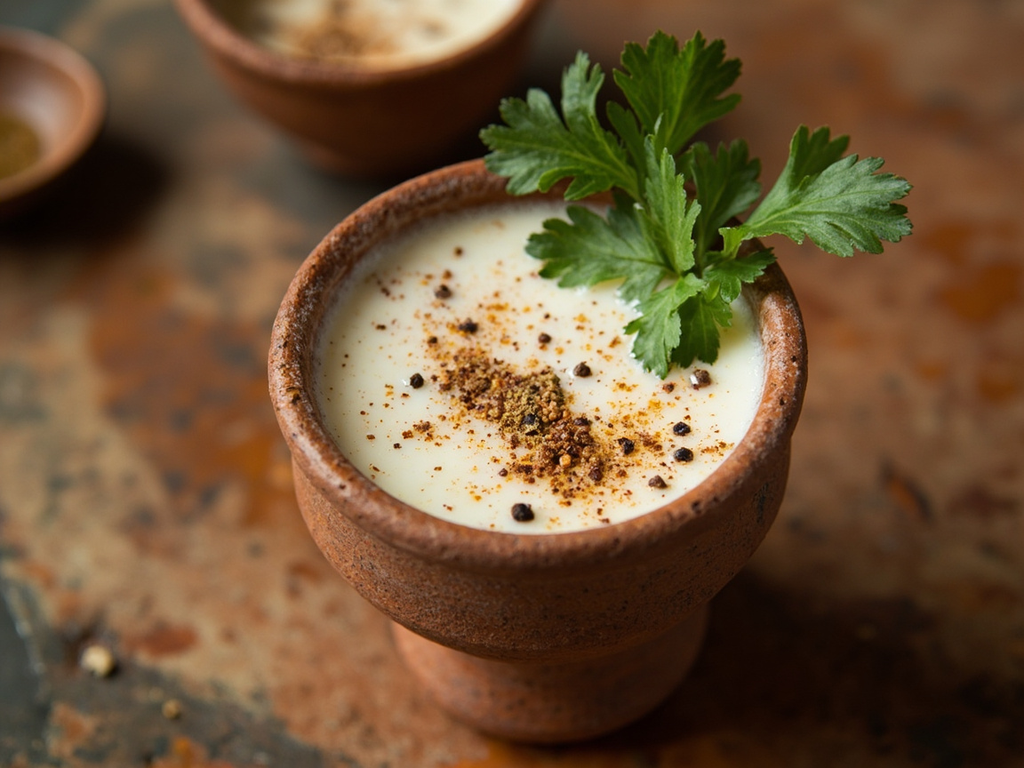
The contemporary twist : Dress the curds in a quenelle in a pale bowl, honey drizzle and a few edible flower petals, the whey served separately in a small glass like a Nordic shot of buttermilk.
Sources : Fergus Kelly, Early Irish Farming, 1997 · A. T. Lucas, "Irish Food before the Potato", Gwerin, 1960 · Regina Sexton, A Little History of Irish Food, 1998
Brigid of Kildare · Charactorium