 flip
flipMead of oaths (mjöðr)
Mead of oaths (mjöðr)
Why this dish? The valkyrie is the bearer of the horn: in the Edda, it is they who offer mead to the heroes of Valhöll. Brynhildr, welcoming Sigurd upon his awakening, offers him the cup — a gesture of welcome, oath, and intertwined destiny.
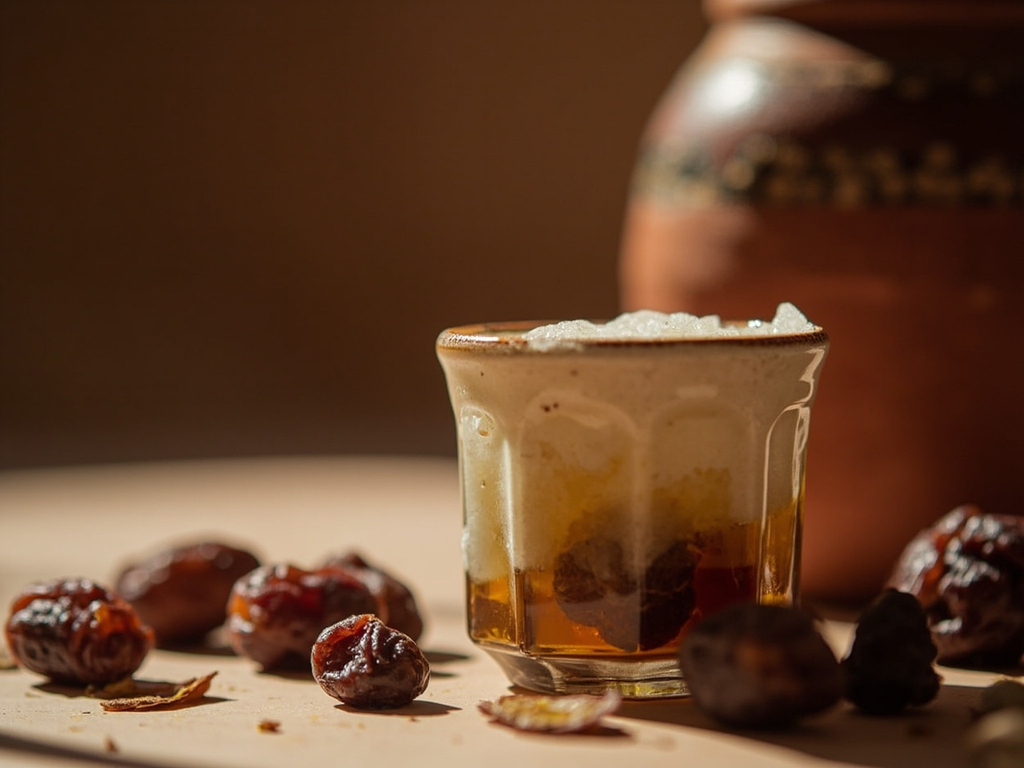
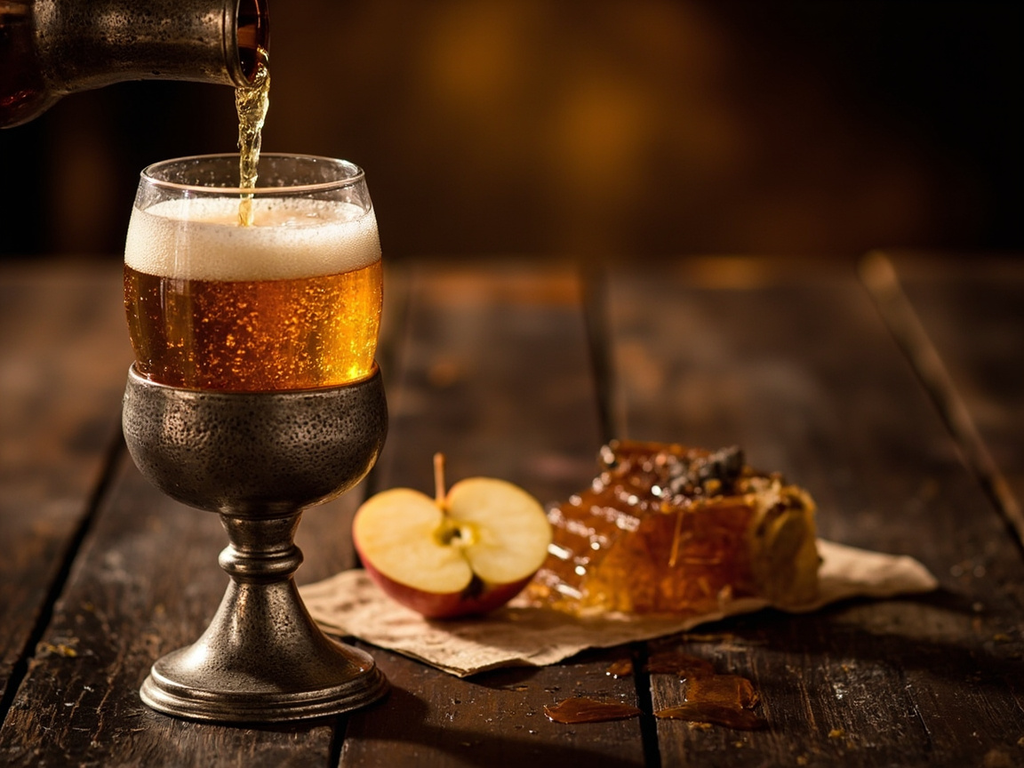
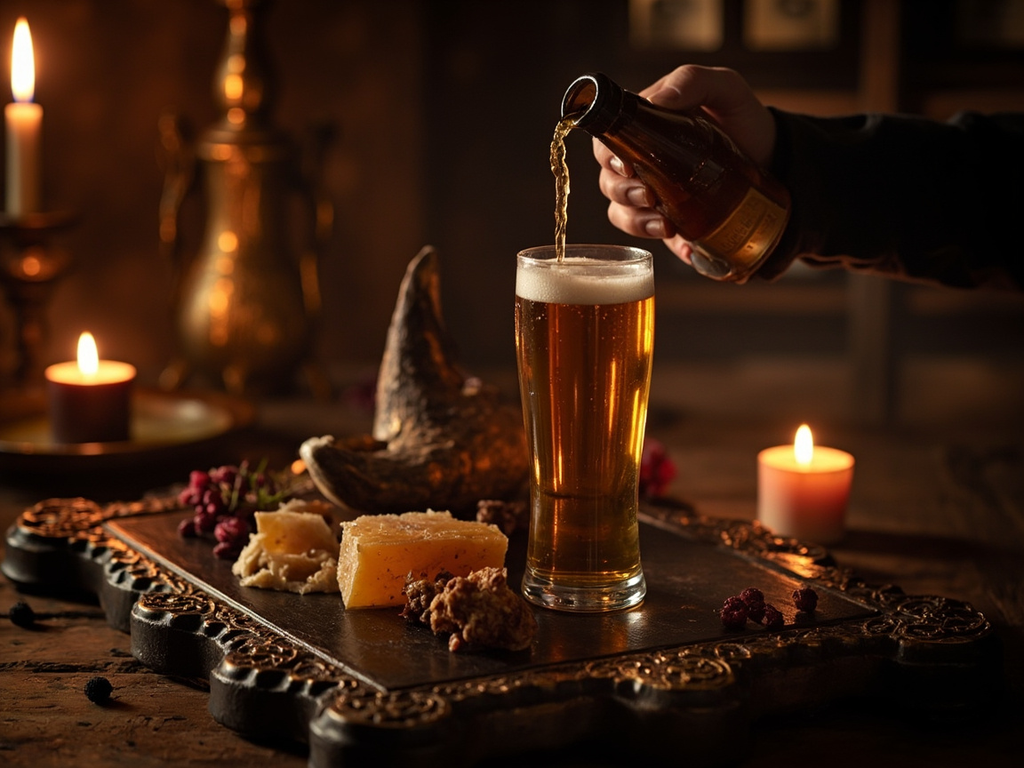
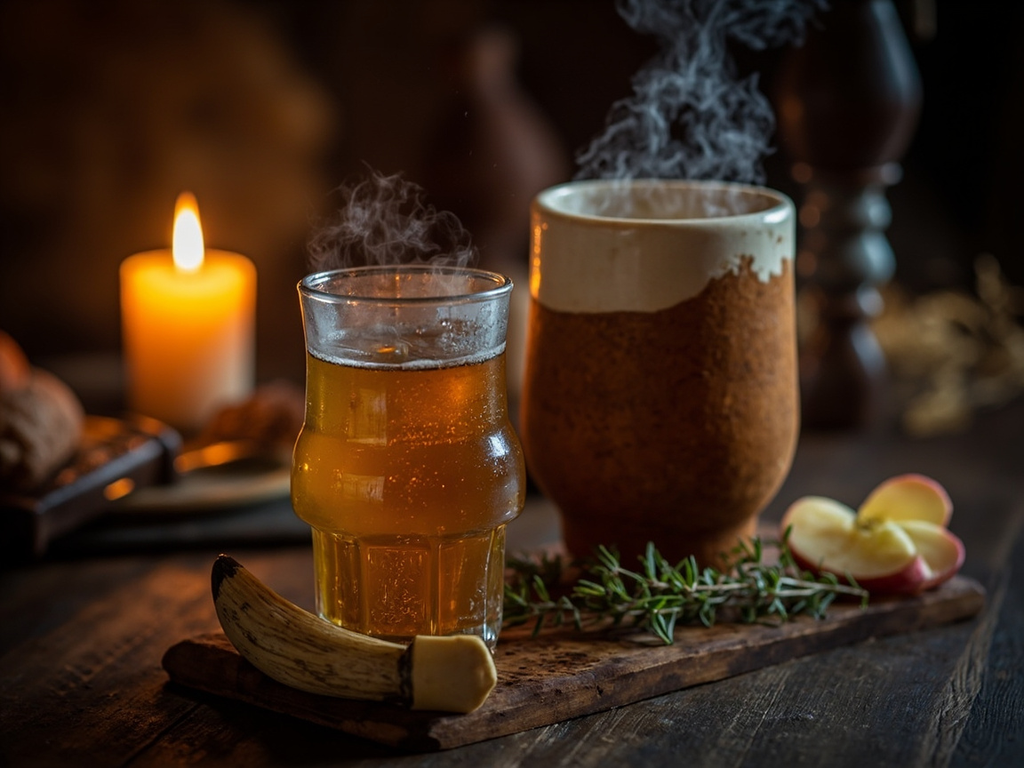
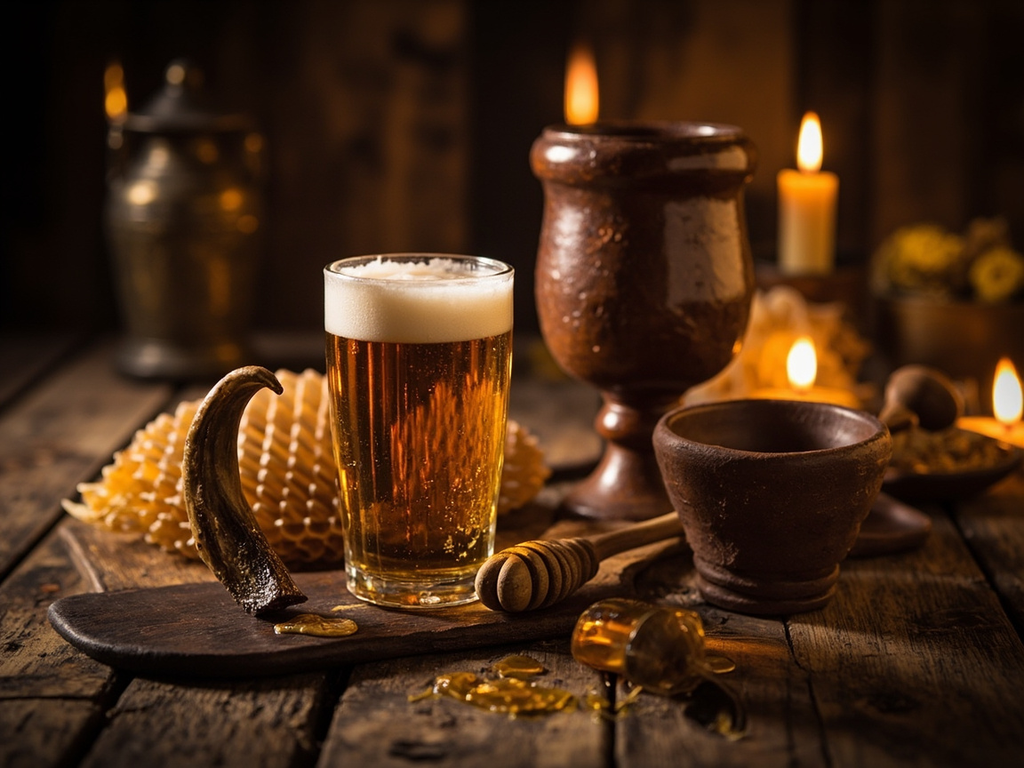
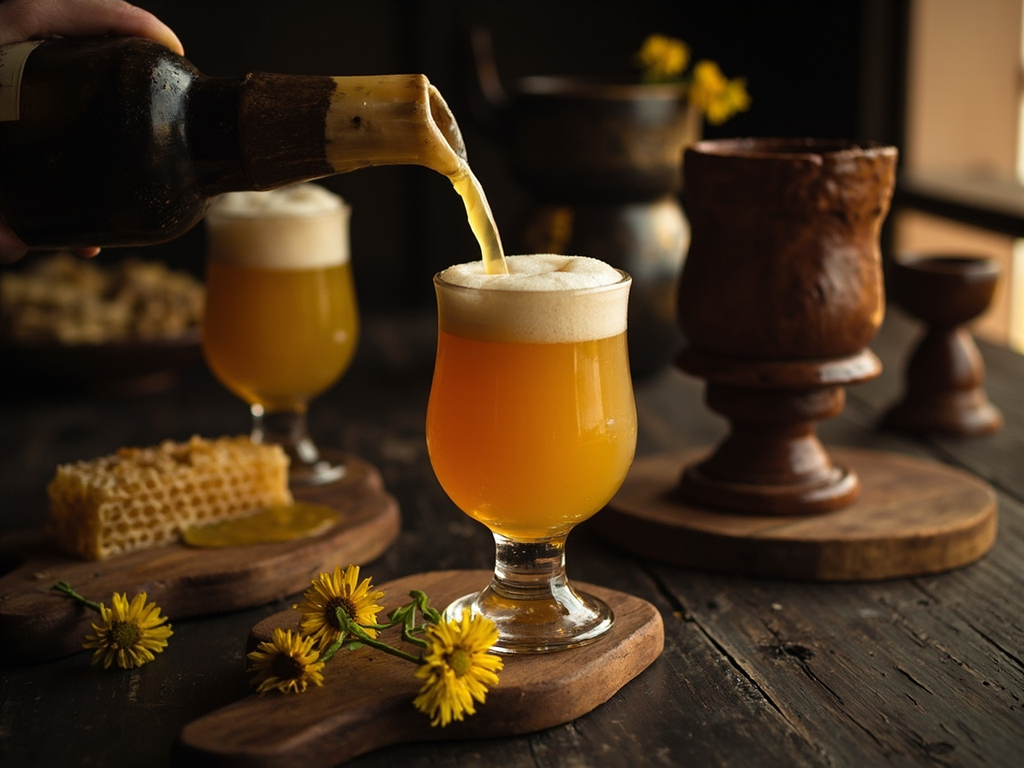
A fermented drink of honey and water, scented with woodland herbs, golden and slightly sparkling. It is the drink of oaths and victories, the one raised before promising loyalty or vengeance.
Take the horn with both hands — one never offers mead with a single hand, that would be an insult. This brew I have poured for the heroes I led to Odin's hall, and it is the same I offered to him who crossed my flames. Drink slowly: the honey has slept a full moon cycle, and each sip seals what your mouth has sworn. Remember that an oath sworn over the horn cannot be taken back — I know something of that, and it cost me dearly.
- •Honey — one third the volume of water (fermentable sugar)
- •Spring water — the rest of the cauldron (base)
- •Wild yeasts (on honey and air) — natural (fermentation)
- •Yarrow or bog myrtle — a few sprigs (bitterness and perfume)
Mead of oaths (mjöðr)
A fermented drink of honey and water, scented with woodland herbs, golden and slightly sparkling. It is the drink of oaths and victories, the one raised before promising loyalty or vengeance.
Why this dish? The valkyrie is the bearer of the horn: in the Edda, it is they who offer mead to the heroes of Valhöll. Brynhildr, welcoming Sigurd upon his awakening, offers him the cup — a gesture of welcome, oath, and intertwined destiny.
Take the horn with both hands — one never offers mead with a single hand, that would be an insult. This brew I have poured for the heroes I led to Odin's hall, and it is the same I offered to him who crossed my flames. Drink slowly: the honey has slept a full moon cycle, and each sip seals what your mouth has sworn. Remember that an oath sworn over the horn cannot be taken back — I know something of that, and it cost me dearly.
Ingredients (period version)
- Honey — one third the volume of water (fermentable sugar)
- Spring water — the rest of the cauldron (base)
- Wild yeasts (on honey and air) — natural (fermentation)
- Yarrow or bog myrtle — a few sprigs (bitterness and perfume)
Ingredients
- Multifloral honey — 1 kg (fermentable sugar)
- Spring water (non-chlorinated) — 3 liters (base)
- Mead yeast or wine yeast — 1 packet (controlled fermentation)
- Bitter orange zest or herbs (yarrow) — to taste (perfume (optional))
Method
- Warm the water (do not boil) and dissolve the honey until you obtain a clear must.
- Let cool to room temperature, then add rehydrated yeast.
- Pour into a carboy with an airlock; let ferment for 3 to 6 weeks away from light.
- When bubbling stops, rack carefully to leave sediment behind.
- Bottle and let age in a cool place for a few months; serve chilled, in a cup or horn.
How it was made : Mead predates beer and wine in northern lands where the vine does not grow. It was produced whenever honey was available, by letting natural yeasts work. A sacred drink associated with Odin (the Mead of Poetry), it accompanied oaths, weddings, and funerals — hence the 'honeymoon'.
The contemporary twist : Serve a 'short' version in a small drinking horn, with a thread of warm honey on the rim of the glass.
Sources : Snorri Sturluson, Edda (Skáldskaparmál, mead of poetry) · Poetic Edda, Sigrdrífumál
Brynhildr · Charactorium