 flip
flipBarley Flatbread and Travel Galette of the Persian Armies
Barley Flatbread and Travel Galette of the Persian Armies
Why this dish? To lead his army to Egypt across the Sinai desert in 525 BC, Cambyses had to feed his soldiers with sturdy, transportable galettes. Barley flatbread was the staple food of the Achaemenid soldier on the march.
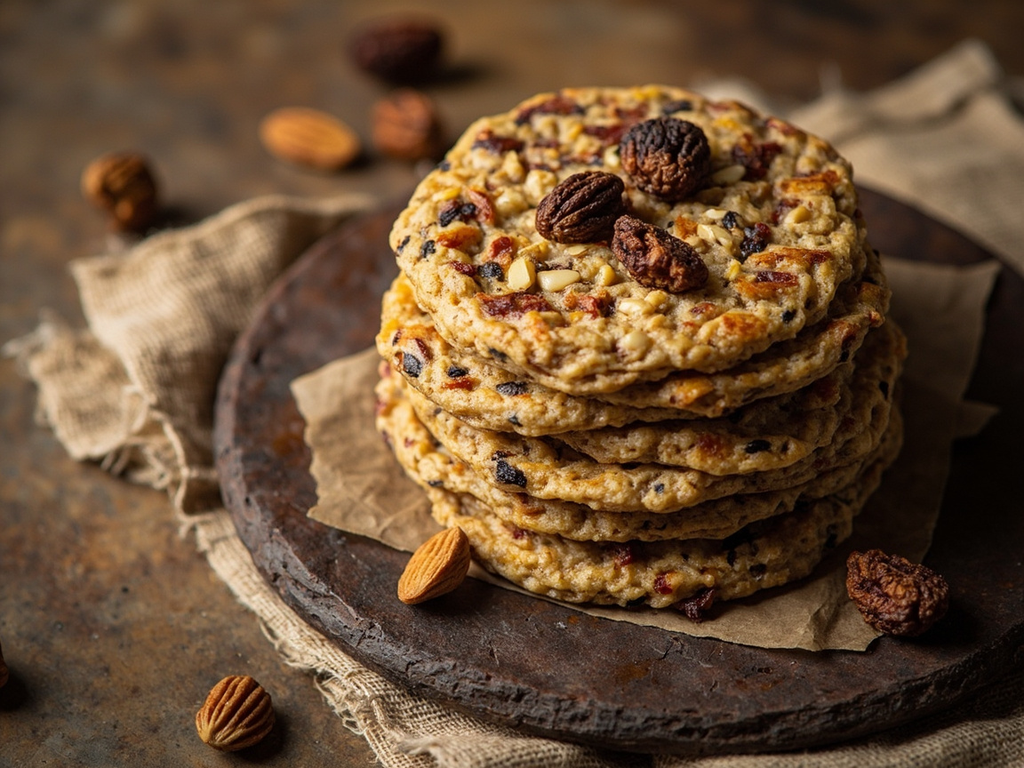
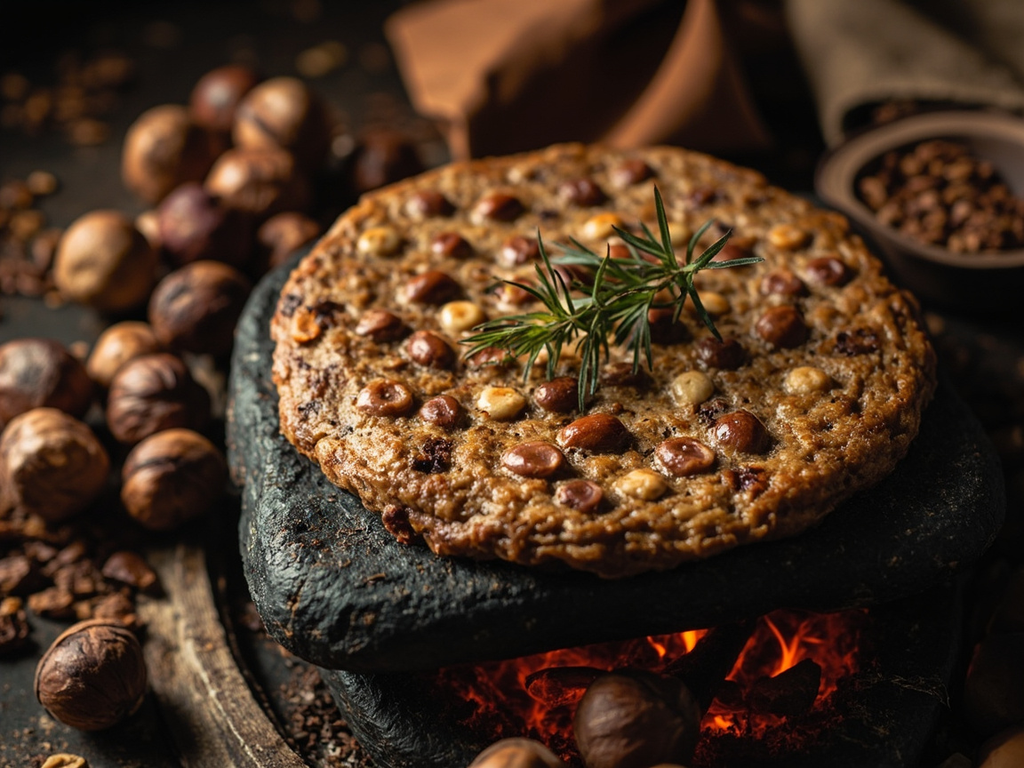
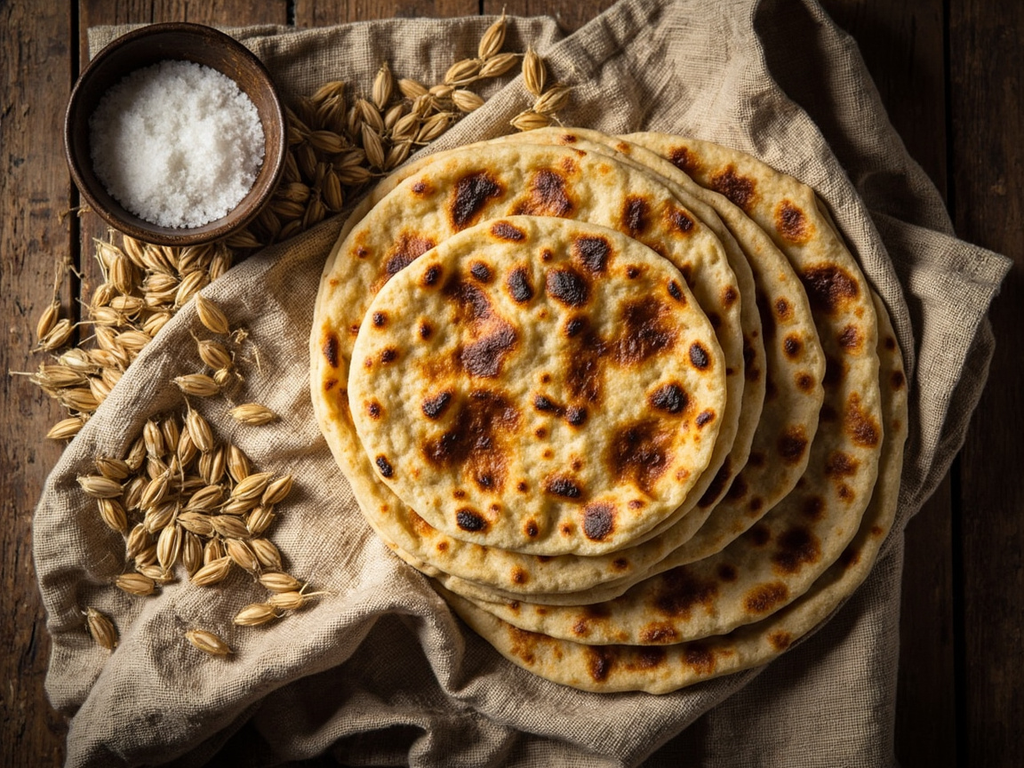
Dense galette of barley and flour, baked on a hot stone, unleavened to last on journeys. Nourishing and easy to carry, it was the fuel of the armies that built the empire.
A king does not conquer Egypt with feasts alone, know this. When my armies crossed the sands where no well sings, each soldier carried his barley flour and baked his galette on a stone heated over the campfire. Hard on the tooth, yes, but it holds the belly from morning to evening's march. I have seen men survive the desert thanks to it when water itself betrayed us.
- •Barley flour — the day's portion (staple grain)
- •Wheat flour — a little (binder)
- •Water — as needed (hydration)
- •Salt — a pinch (flavor and preservation)
Barley Flatbread and Travel Galette of the Persian Armies
Dense galette of barley and flour, baked on a hot stone, unleavened to last on journeys. Nourishing and easy to carry, it was the fuel of the armies that built the empire.
Why this dish? To lead his army to Egypt across the Sinai desert in 525 BC, Cambyses had to feed his soldiers with sturdy, transportable galettes. Barley flatbread was the staple food of the Achaemenid soldier on the march.
A king does not conquer Egypt with feasts alone, know this. When my armies crossed the sands where no well sings, each soldier carried his barley flour and baked his galette on a stone heated over the campfire. Hard on the tooth, yes, but it holds the belly from morning to evening's march. I have seen men survive the desert thanks to it when water itself betrayed us.
Ingredients (period version)
- Barley flour — the day's portion (staple grain)
- Wheat flour — a little (binder)
- Water — as needed (hydration)
- Salt — a pinch (flavor and preservation)
Ingredients
- Barley flour — 200 g (rustic grain)
- Wheat flour — 100 g (binder for structure)
- Warm water — 180 ml approx. (hydration)
- Salt — 1 tsp (seasoning)
- Oil (optional) — 1 tbsp (flexibility)
Method
- Mix the flours and salt, add water little by little to form a firm dough.
- Knead for 5 minutes, then let rest for 20 minutes under a cloth.
- Divide into balls and roll out into thin galettes.
- Cook on a very hot griddle or cast-iron pan, 2 to 3 minutes per side, until golden spots appear.
- Stack under a cloth; for travel, let dry for better preservation.
How it was made : Barley was the dominant cereal of the Persian Empire, distributed in rations according to the Persepolis tablets. Unleavened breads, baked on stone or griddle, kept well and were transportable — essential for military campaigns that could last months.
The contemporary twist : Serve warm brushed with olive oil and sprinkled with sesame seeds and toasted cumin for a "luxury ration" snack.
Sources : Persepolis Fortification Tablets · Herodotus, Histories
Cambyses II · Charactorium