 flip
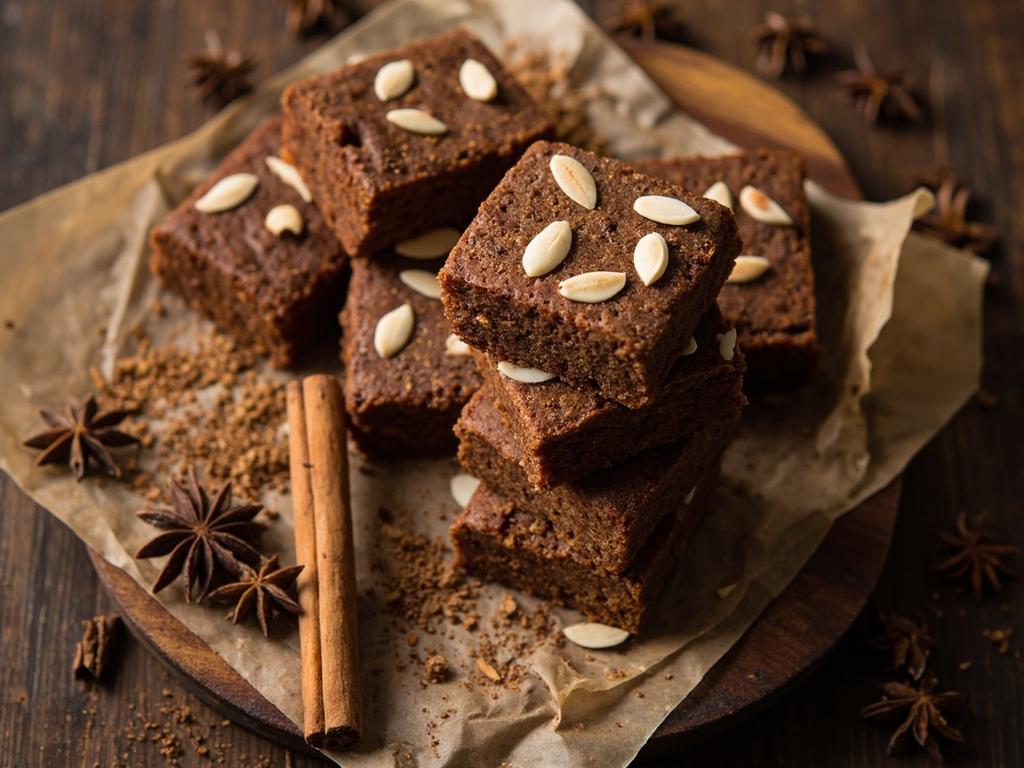
flipPfefferkuchen — Berlin honey gingerbread
Pfefferkuchen — Berlin honey gingerbread
Why this dish? Berlin, under Zelter, held its markets and Christmas fairs where Pfefferkuchen was sold, a dense gingerbread that kept for weeks. A man of the city, walking through Mitte between the Sing-Akademie and the Institut für Kirchenmusik, Zelter inevitably crossed these fragrant stalls; this durable sweet accompanied festivals and long rehearsal days.
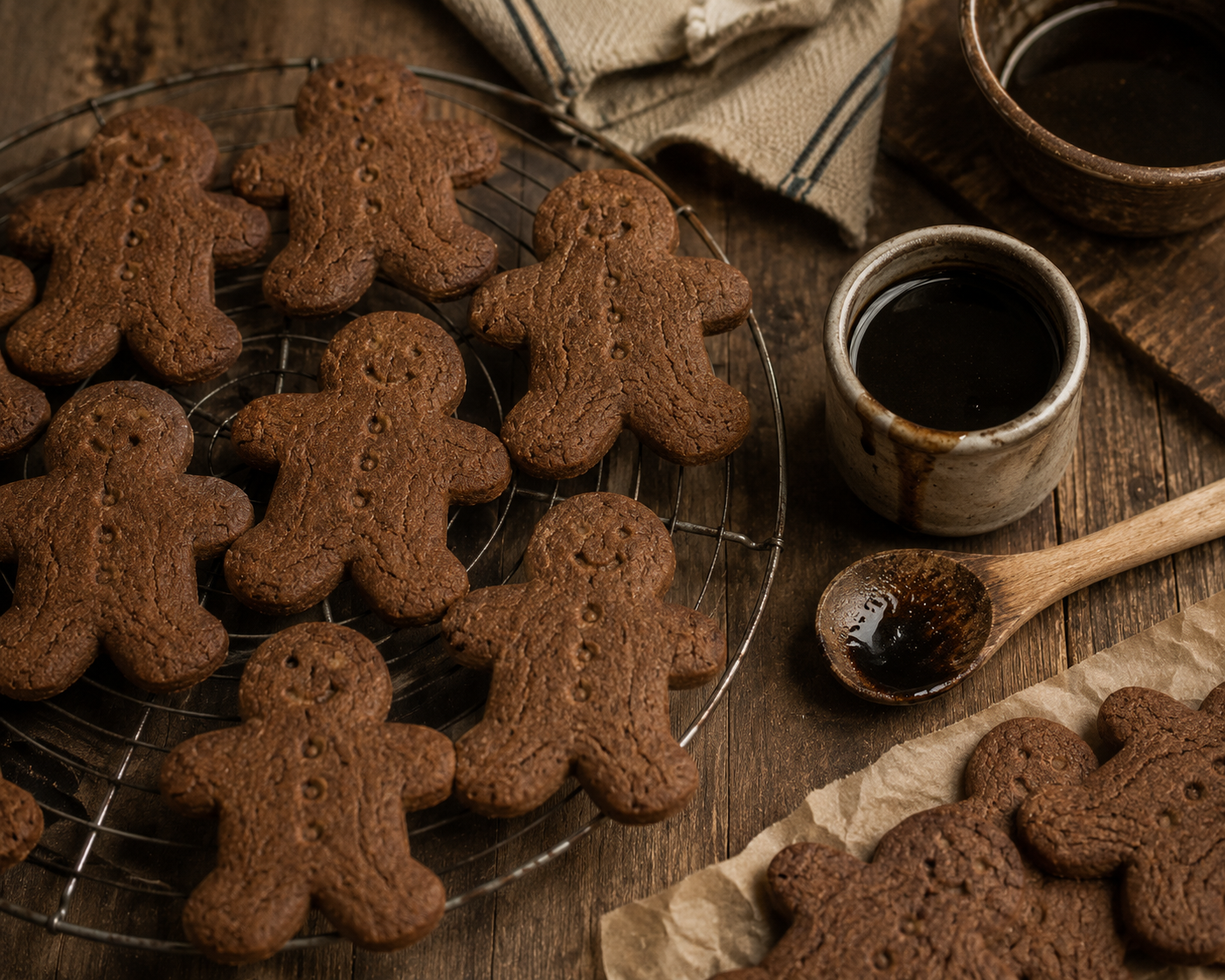
A compact honey and rye gingerbread, rich in cinnamon, anise, and clove, perfumed with candied peel. Sold at markets, it is nibbled on the go and keeps well: the nomadic sweet of Berlin.
Here is a treat that fears neither time nor travel! At the Berlin markets, they sold them in whole slabs, all shiny with honey and loaded with spices that tickled your nose. I would slip a piece into my pocket for the long rehearsals at the Academy — when the basses' voices falter, a corner of Pfefferkuchen and off you go! Keep it dry in a tin box: far from hardening badly, it only matures, like a good counterpoint that gains from resting.
- •Rye and wheat flour — in equal parts (base)
- •Honey — a good amount (binder and sweetness)
- •Cinnamon, anise, clove, cardamom — to taste (spice blend)
- •Candied lemon or orange peel — chopped (flavor)
- •Potash (carbonate) — a pinch (old leavening agent)
- •Almonds — a few (garnish)
Pfefferkuchen — Berlin honey gingerbread
A compact honey and rye gingerbread, rich in cinnamon, anise, and clove, perfumed with candied peel. Sold at markets, it is nibbled on the go and keeps well: the nomadic sweet of Berlin.
Why this dish? Berlin, under Zelter, held its markets and Christmas fairs where Pfefferkuchen was sold, a dense gingerbread that kept for weeks. A man of the city, walking through Mitte between the Sing-Akademie and the Institut für Kirchenmusik, Zelter inevitably crossed these fragrant stalls; this durable sweet accompanied festivals and long rehearsal days.
Here is a treat that fears neither time nor travel! At the Berlin markets, they sold them in whole slabs, all shiny with honey and loaded with spices that tickled your nose. I would slip a piece into my pocket for the long rehearsals at the Academy — when the basses' voices falter, a corner of Pfefferkuchen and off you go! Keep it dry in a tin box: far from hardening badly, it only matures, like a good counterpoint that gains from resting.
Ingredients (period version)
- Rye and wheat flour — in equal parts (base)
- Honey — a good amount (binder and sweetness)
- Cinnamon, anise, clove, cardamom — to taste (spice blend)
- Candied lemon or orange peel — chopped (flavor)
- Potash (carbonate) — a pinch (old leavening agent)
- Almonds — a few (garnish)
Ingredients
- Rye flour — 150 g (base)
- Wheat flour — 150 g (base)
- Honey — 250 g (binder and sweetness)
- Spice mix (cinnamon, anise, clove, cardamom, ginger) — 2 tbsp (soul of the cake)
- Candied citrus peel — 50 g, chopped (flavor)
- Baking soda — 1 tsp (leavening (replaces potash))
- Egg — 1 (binder)
- Slivered almonds — a handful (garnish)
Method
- Warm the honey until liquid, let cool slightly.
- Mix flours, spices, baking soda, and candied peel.
- Incorporate honey and egg, knead into a dense dough; ideally let rest overnight in the fridge.
- Roll out to 1.5 cm thick, sprinkle with almonds, place on a baking sheet.
- Bake at 170°C for about 20-25 minutes; let cool and store in an airtight container for a few days before eating.
How it was made : Pfefferkuchen ('pepper cake', from the time when 'pepper' meant all spices) descends from medieval monastic gingerbreads; German cities like Nuremberg, but also Berlin, made it a market specialty. Potash (Pottasche), derived from ashes, served as a leavening agent before the use of baking soda; honey ensured both softness and long shelf life.
The contemporary twist : Glaze with sugar or dip a corner in chocolate (anachronistic but delicious) and cut into diamond shapes like a Christmas market stained glass.
Carl Friedrich Zelter · Charactorium