 flip
flipMaza, the Daily Barley Flatbread
Maza, the Daily Barley Flatbread
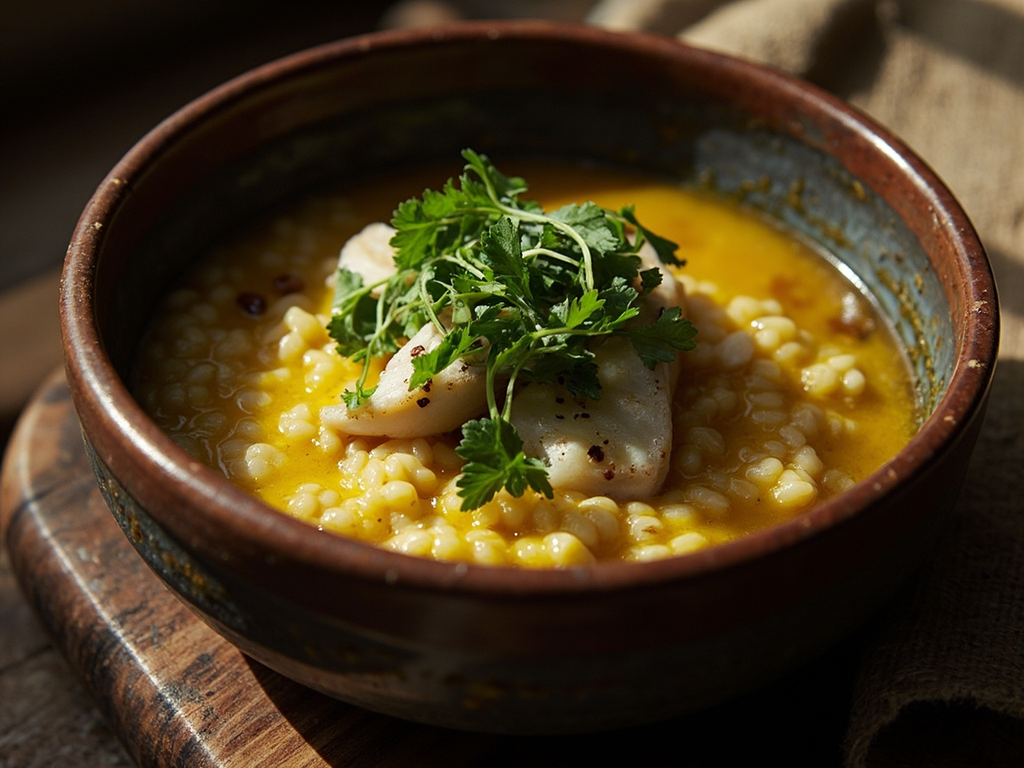
Why this dish? Before being the hound of Hades, Cerberus is a dog—and a dog eats what is thrown to him. Maza, the barley flatbread, is the daily bread of the ordinary Greek and the mash shared with guard dogs. It is the humble food of the threshold, as opposed to the feasts above.
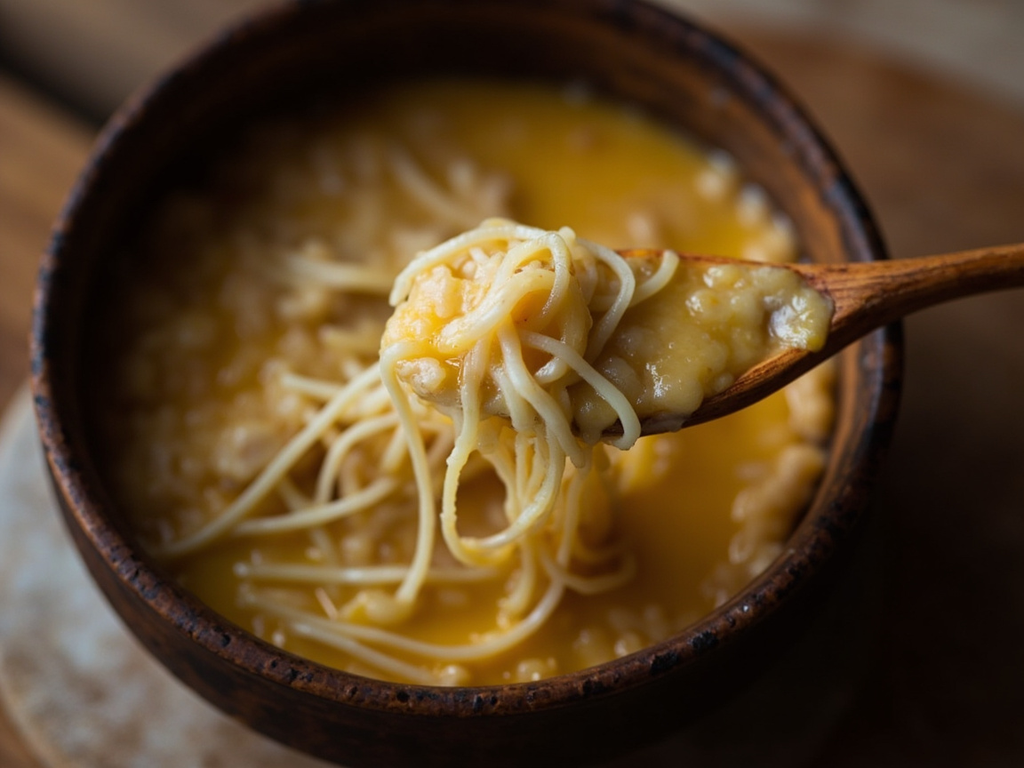
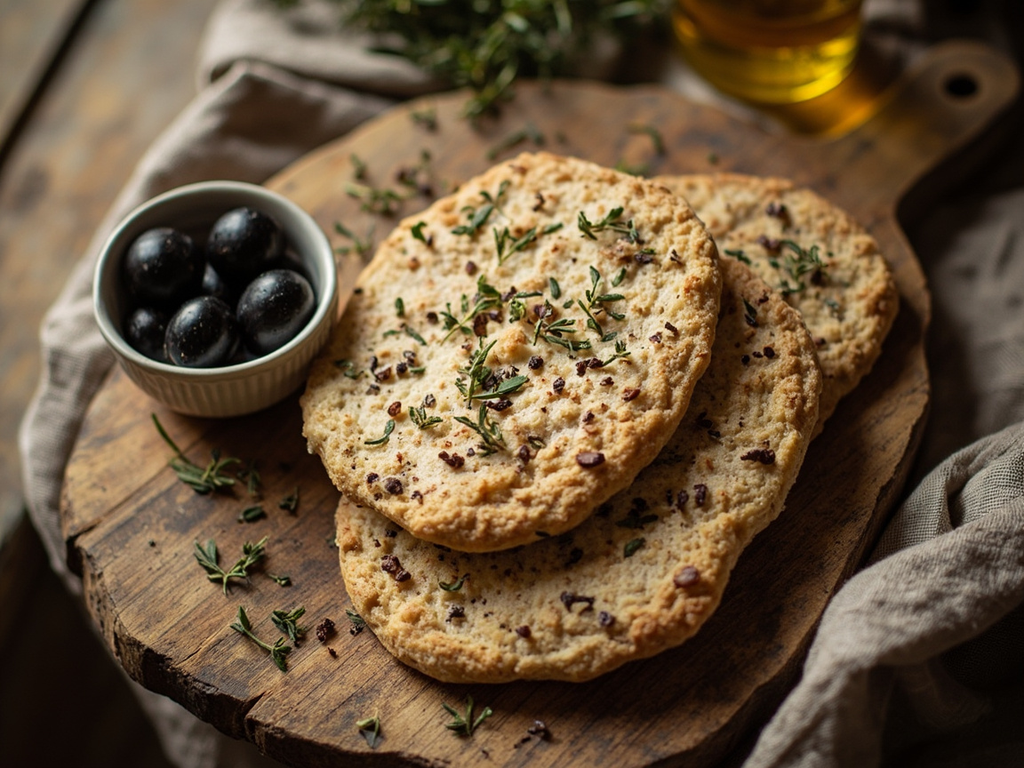
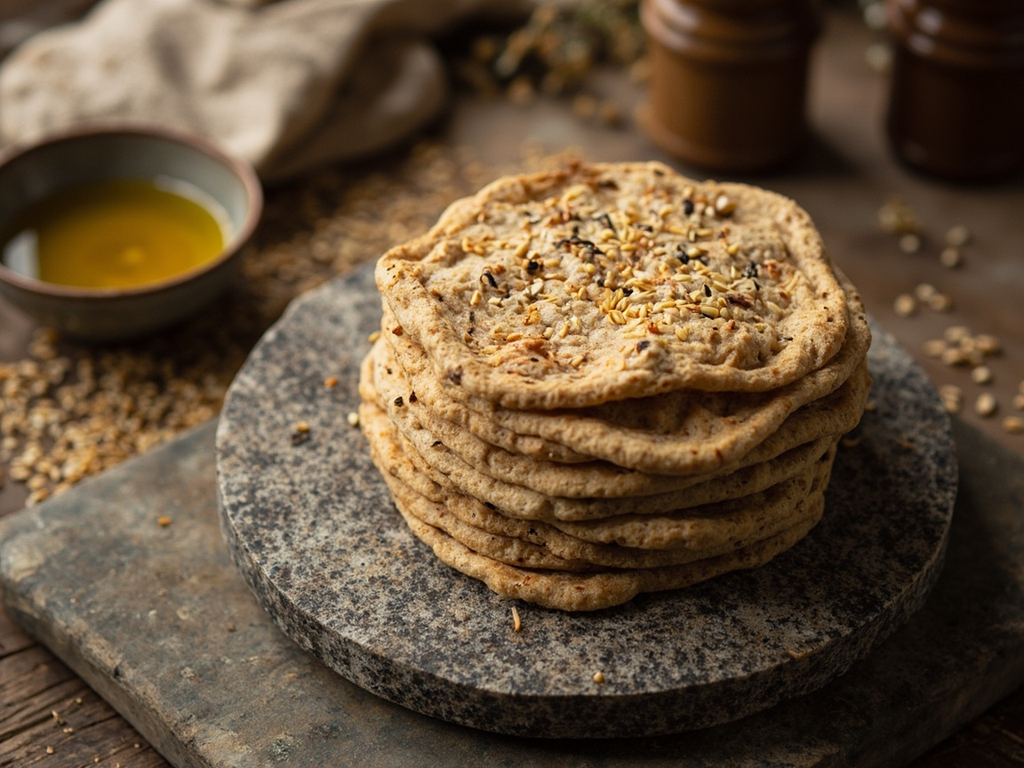
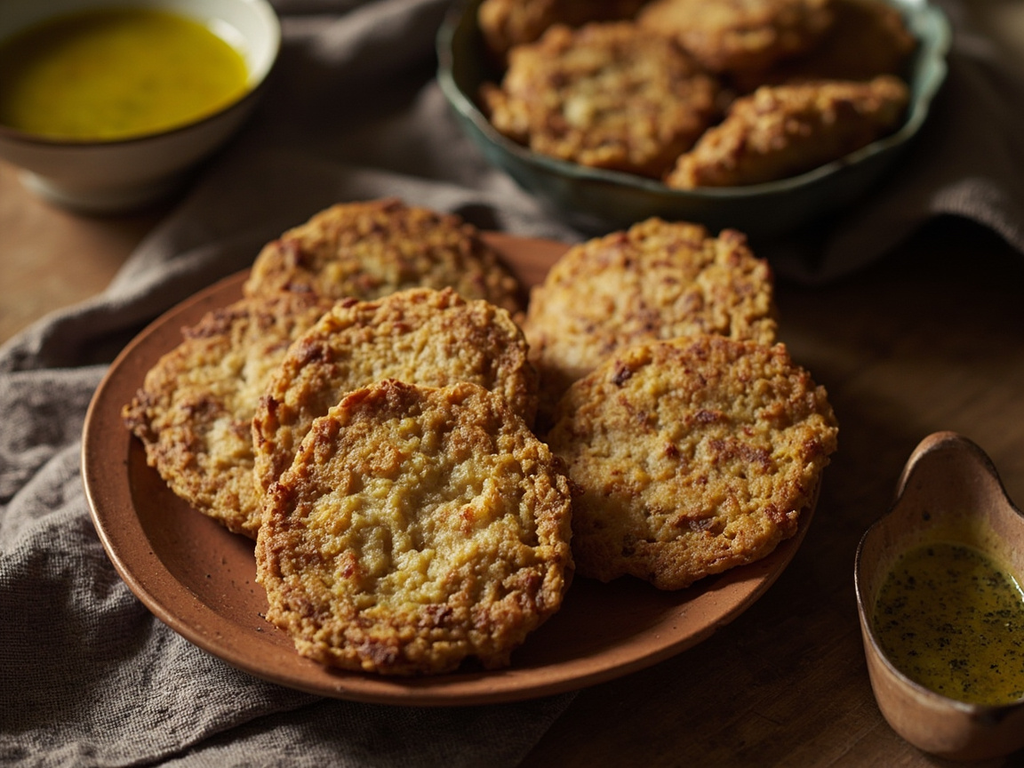
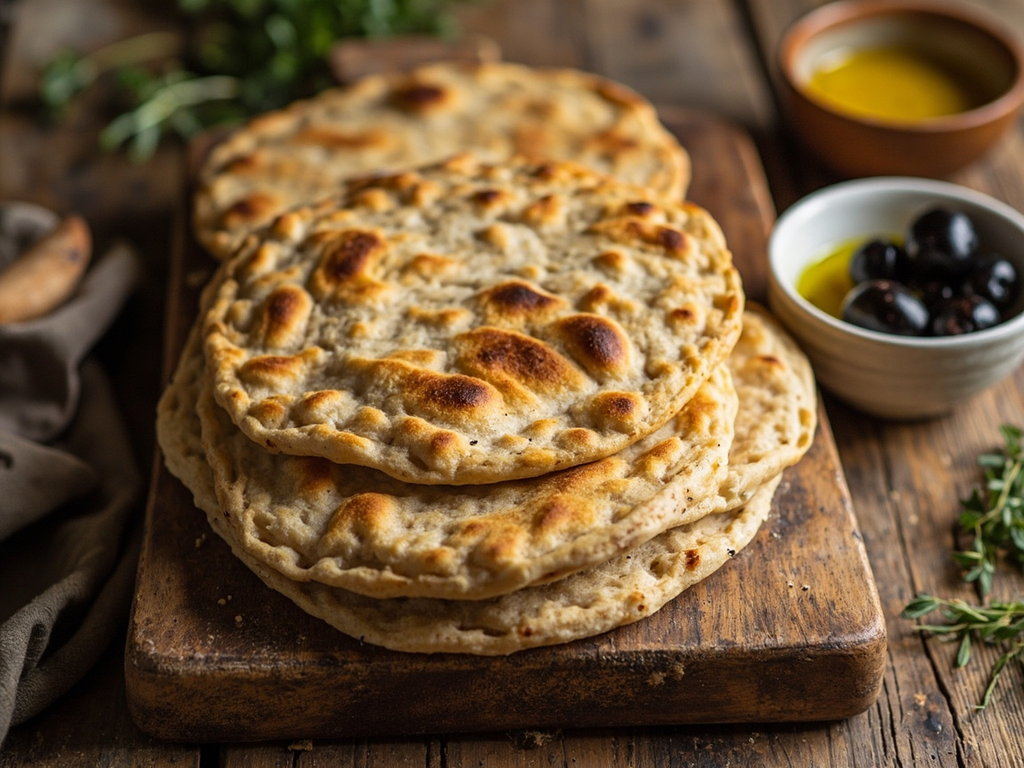
A flat, dense barley cake barely cooked, halfway between dough and bread, flavored with olive oil and salt. Rustic, nourishing, the invisible foundation of the Greek meal.
They think me hungry for raw flesh, and it is true. But the guardian I am also knows the humble flatbread of men. Knead the barley with a little water, just enough, press it under your palm, dry it by the hearth. This is what was thrown to guard dogs at the threshold of houses up there, and what the poor shades ate all their lives. Wheat bread is for the rich and the gods. Barley suffices for me.
- •Roasted barley flour — two handfuls (base)
- •Water — just enough to bind (binding)
- •Olive oil — a drizzle (softness)
- •Salt — a pinch (flavor)
Maza, the Daily Barley Flatbread
A flat, dense barley cake barely cooked, halfway between dough and bread, flavored with olive oil and salt. Rustic, nourishing, the invisible foundation of the Greek meal.
Why this dish? Before being the hound of Hades, Cerberus is a dog—and a dog eats what is thrown to him. Maza, the barley flatbread, is the daily bread of the ordinary Greek and the mash shared with guard dogs. It is the humble food of the threshold, as opposed to the feasts above.
They think me hungry for raw flesh, and it is true. But the guardian I am also knows the humble flatbread of men. Knead the barley with a little water, just enough, press it under your palm, dry it by the hearth. This is what was thrown to guard dogs at the threshold of houses up there, and what the poor shades ate all their lives. Wheat bread is for the rich and the gods. Barley suffices for me.
Ingredients (period version)
- Roasted barley flour — two handfuls (base)
- Water — just enough to bind (binding)
- Olive oil — a drizzle (softness)
- Salt — a pinch (flavor)
Ingredients
- Barley flour — 200 g (traditional base)
- Warm water — 120-140 ml (binding)
- Olive oil — 2 tbsp (softness and cooking)
- Salt — 1/2 tsp (seasoning)
Method
- Mix barley flour and salt.
- Add warm water gradually and oil, kneading until a firm, homogeneous dough forms.
- Divide and flatten into round flatbreads 1 cm thick.
- Cook for 4-5 min on each side on a lightly oiled hot pan or stone, until golden.
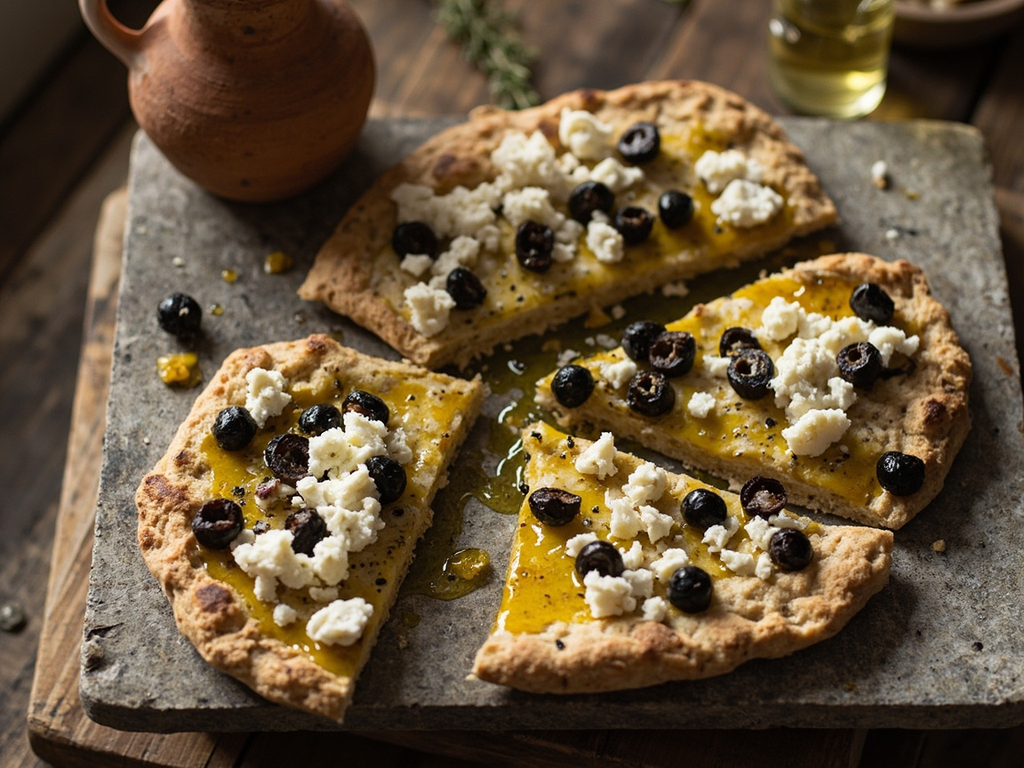
- Eat warm, plain or with a drizzle of olive oil and a few olives.
How it was made : Maza, an unleavened barley flatbread or porridge, was the staple of the ordinary Greek, far more common than wheat bread (artos), reserved for festive days. Often barely cooked, it came in dozens of variants according to Athenaeus. A poor, dry cuisine made to last.
The contemporary twist : Serve maza as a 'rustic pita' with a drizzle of new olive oil and a handful of black olives—the oldest aperitif in the world.
Sources : Athenaeus of Naucratis, Deipnosophists, Book III (varieties of maza and Greek breads) · Aristophanes (repeated mentions of maza in Attic comedy) · Andrew Dalby, Siren Feasts: A History of Food and Gastronomy in Greece
Cerberus · Charactorium