 flip
flipHypocras with Lombard Wine
Hypocras with Lombard Wine
Why this dish? At the end of banquets, the French nobility closed with hypocras, a spiced and sweetened wine. As governor in Milan, Charles d'Amboise could prepare it with the Italian wines from his table, marrying French tradition to Lombard vintages.
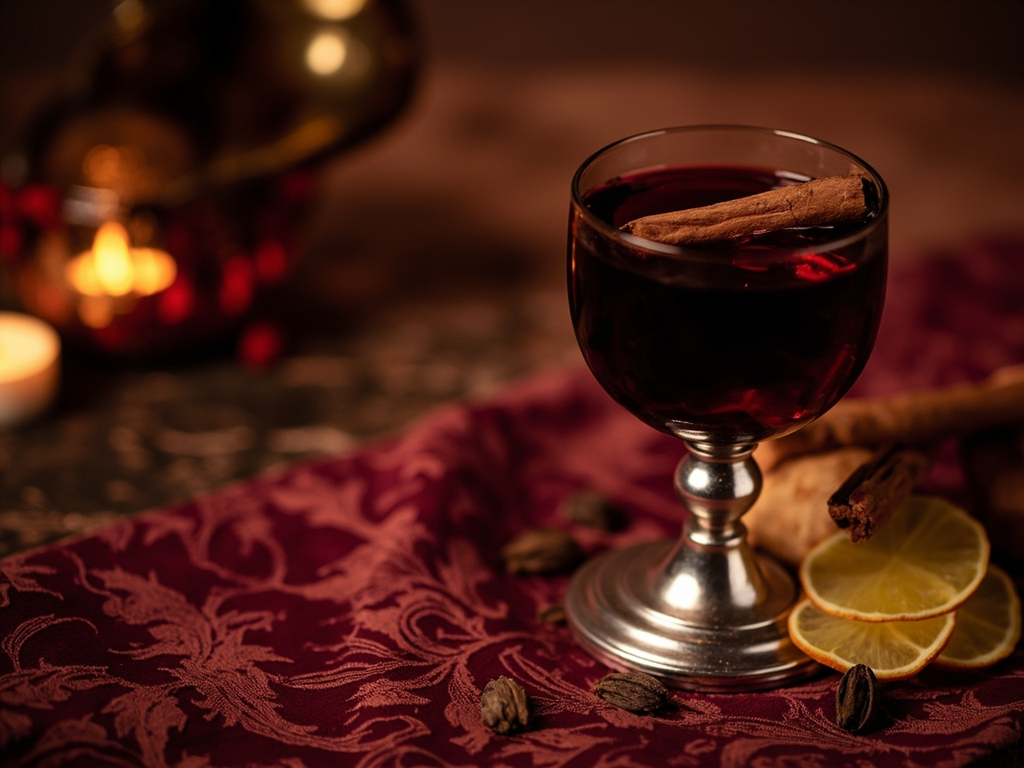
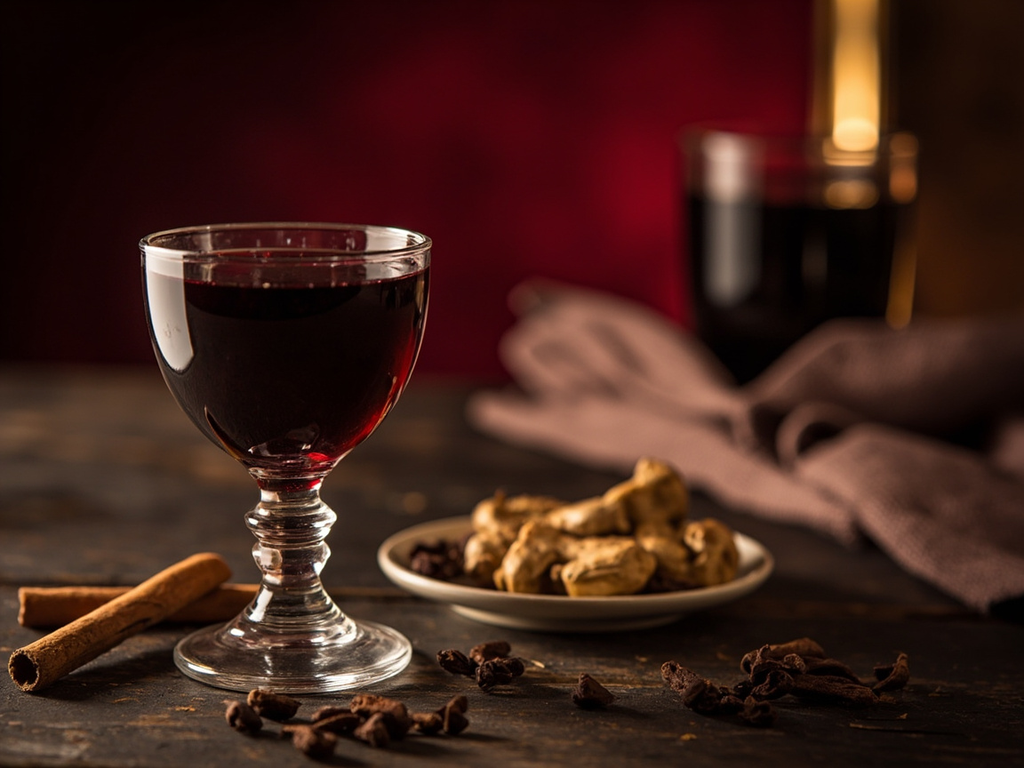
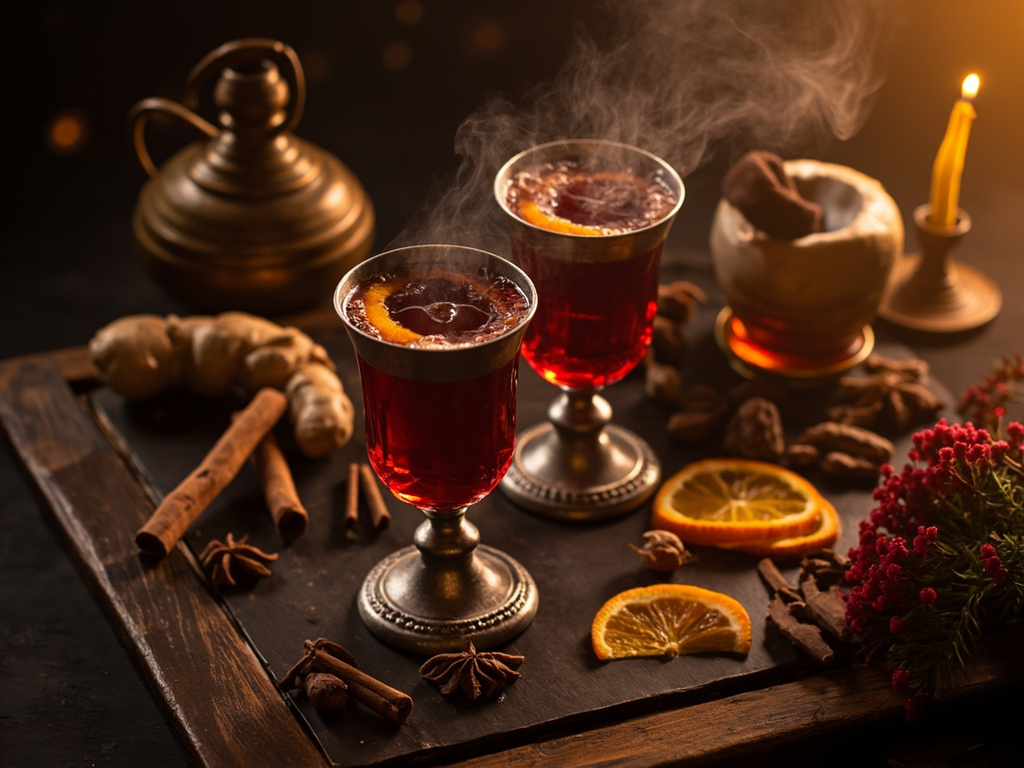
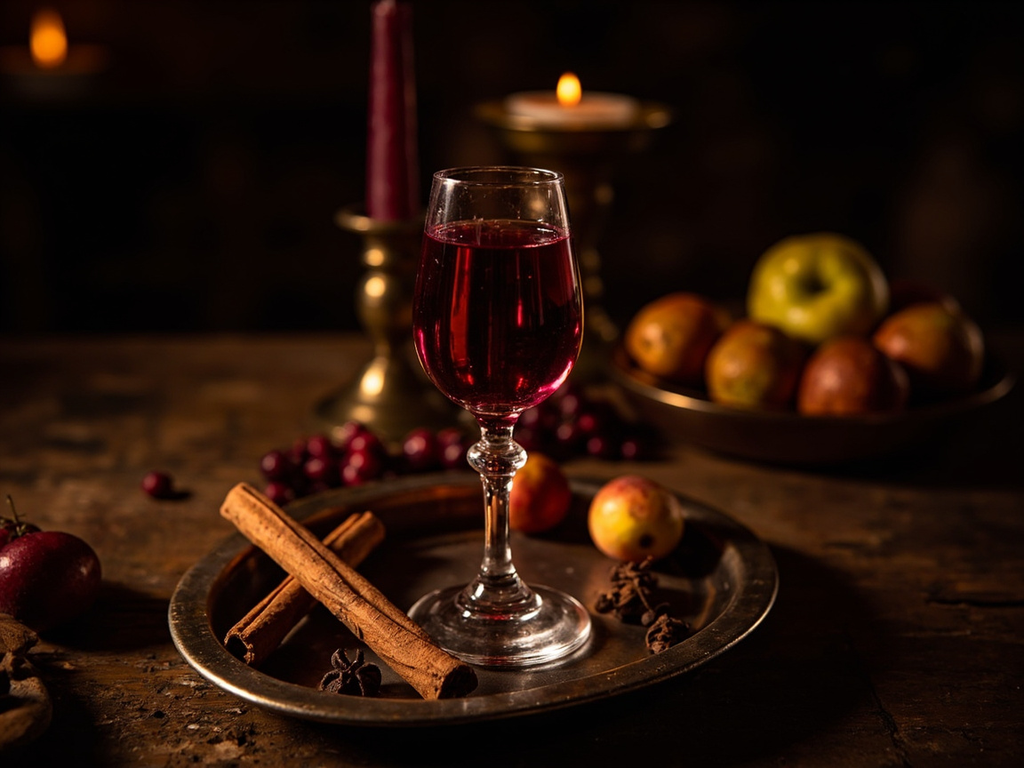
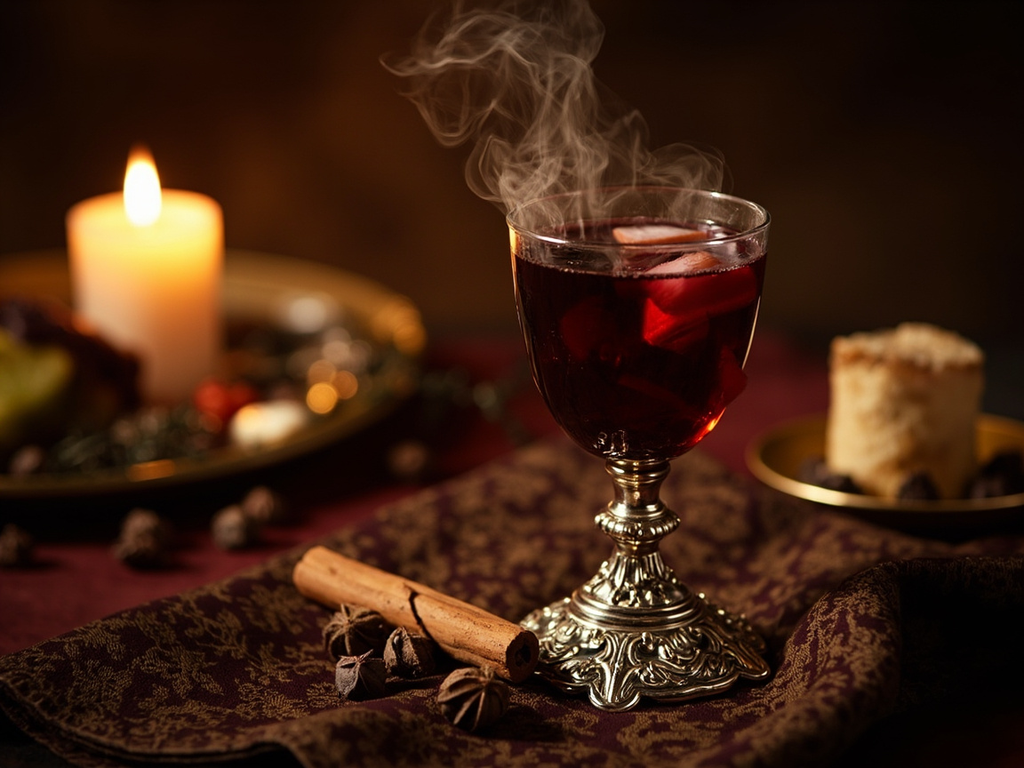
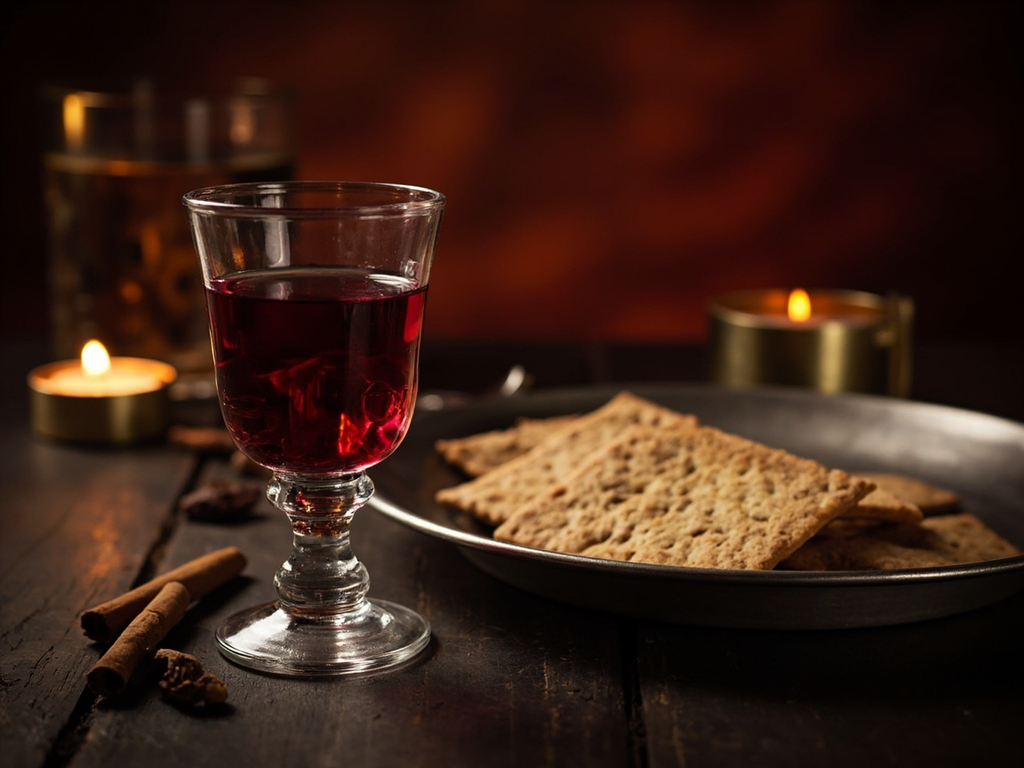
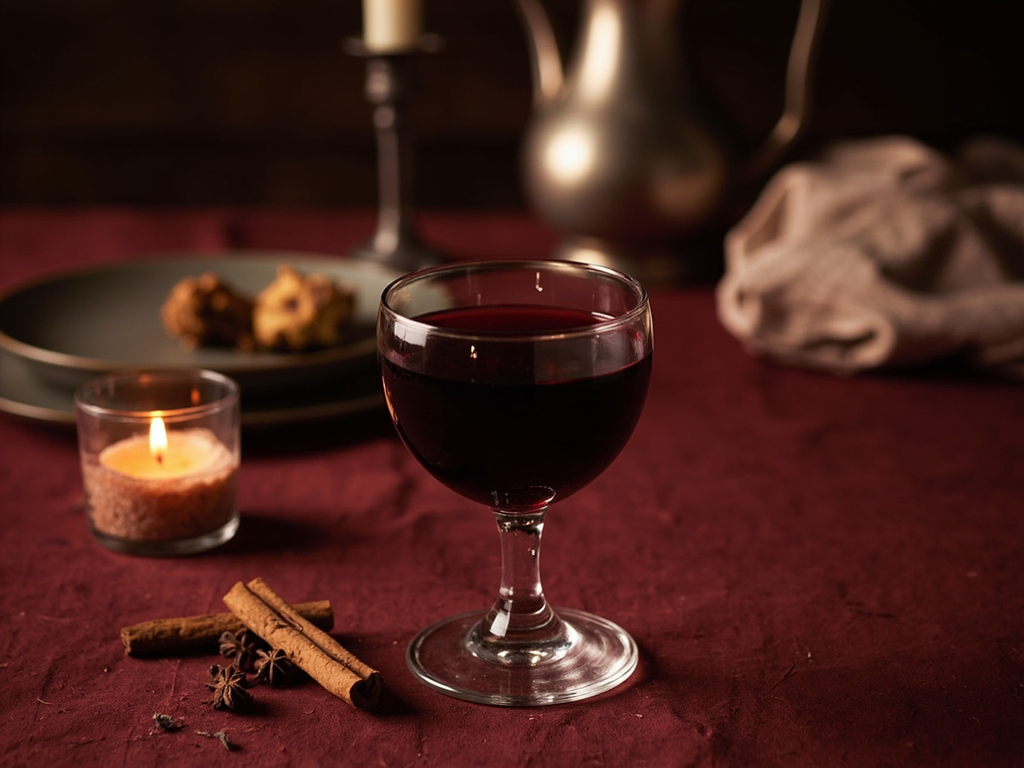
A red wine cold-infused with cinnamon, ginger, grains of paradise, and sugar, then clarified by filtering. Sweet, warm with spices, it was the drink of the final course, reputed to aid digestion.
After the meal, before my guests rise, I have the hypocras brought. It is wine from my vines or from the good vintages of this land of Lombardy, in which cinnamon, ginger, and grains of paradise have been steeped with a fair amount of sugar, then passed many times through the cloth bag until it runs clear as ruby. Drink it in small sips with a dragée: it warms the stomach and helps digest the meats. Such is the custom of France, which my Italian friends greatly appreciated.
- •Good red wine — a pint (base)
- •Cinnamon — generous (signature spice)
- •Ginger — a little (spice)
- •Grains of paradise and cloves — a touch (spices)
- •Sugar — good amount (sweetness)
Hypocras with Lombard Wine
A red wine cold-infused with cinnamon, ginger, grains of paradise, and sugar, then clarified by filtering. Sweet, warm with spices, it was the drink of the final course, reputed to aid digestion.
Why this dish? At the end of banquets, the French nobility closed with hypocras, a spiced and sweetened wine. As governor in Milan, Charles d'Amboise could prepare it with the Italian wines from his table, marrying French tradition to Lombard vintages.
After the meal, before my guests rise, I have the hypocras brought. It is wine from my vines or from the good vintages of this land of Lombardy, in which cinnamon, ginger, and grains of paradise have been steeped with a fair amount of sugar, then passed many times through the cloth bag until it runs clear as ruby. Drink it in small sips with a dragée: it warms the stomach and helps digest the meats. Such is the custom of France, which my Italian friends greatly appreciated.
Ingredients (period version)
- Good red wine — a pint (base)
- Cinnamon — generous (signature spice)
- Ginger — a little (spice)
- Grains of paradise and cloves — a touch (spices)
- Sugar — good amount (sweetness)
Ingredients
- Full-bodied red wine (Italian) — 75 cl (base)
- Cinnamon (stick) — 1 large stick (signature spice)
- Fresh ginger or ground — 1 tsp (spice)
- Melegueta pepper + 3 cloves — 1/2 tsp (spices)
- Sugar — 80-100 g (sweetness)
- A touch of nutmeg — 1 pinch (spice)
Method
- Pour the wine into a large container.
- Add the sugar and all spices; stir to dissolve the sugar.
- Steep cold for at least 2 hours (ideally overnight).
- Filter several times through a fine cloth or coffee filter until clear.
- Serve chilled or slightly warmed, in small amounts, with dragées or a dry biscuit.
How it was made : Hypocras (named after Hippocrates, via the 'Hippocratic sleeve', the filtering bag) is abundantly described in *Le Viandier* and *Le Ménagier de Paris*. It was made by cold infusion then repeated filtering. Considered digestive and fortifying, it belonged to the final course ceremony throughout Europe.
The contemporary twist : Serve over ice in small glasses with a strip of bitter orange zest—a 'Renaissance digestif' to offer at the end of a festive meal.
Sources : Le Ménagier de Paris (c. 1393) · Le Viandier de Taillevent (14th-15th c.)
Charles d'Amboise · Charactorium