 flip
flipHippocras — Spiced Wine of the Borgia Banquet
Hippocras — Spiced Wine of the Borgia Banquet
Why this dish? The anchor mentions banquets “washed down with wines from Campania” and Aragonese specialties. Hippocras — sweetened, spiced, filtered wine — was the noble drink par excellence at great tables: we can easily imagine the Borgia cups filled with it during feasts in Pinturicchio's apartments.
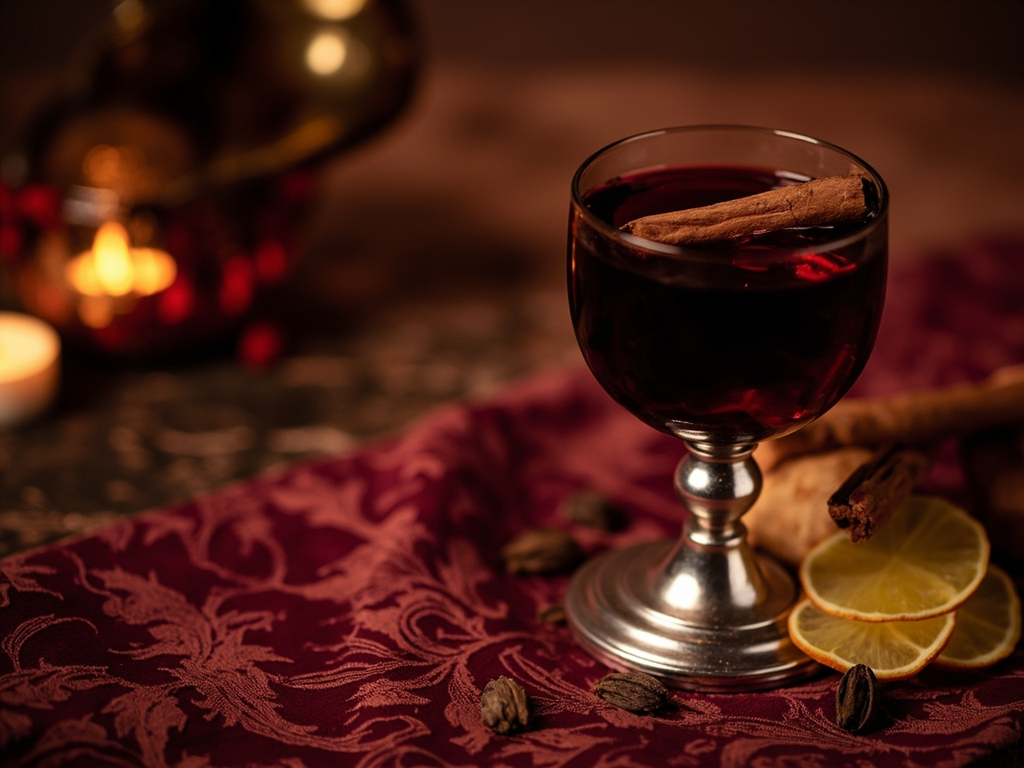
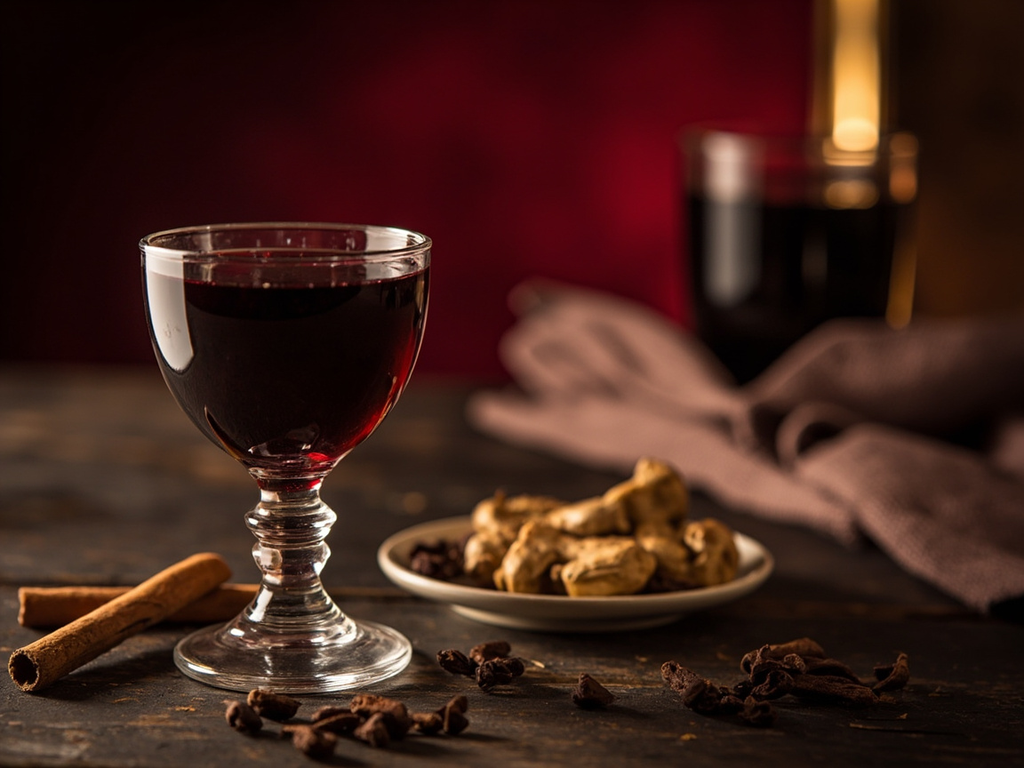
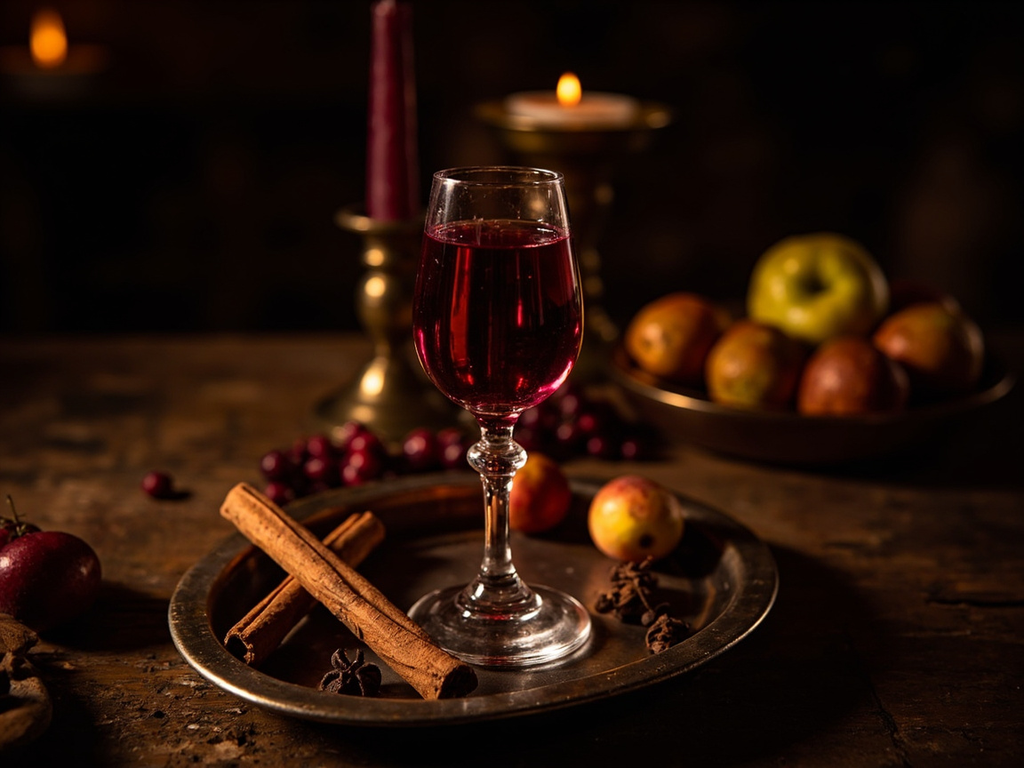
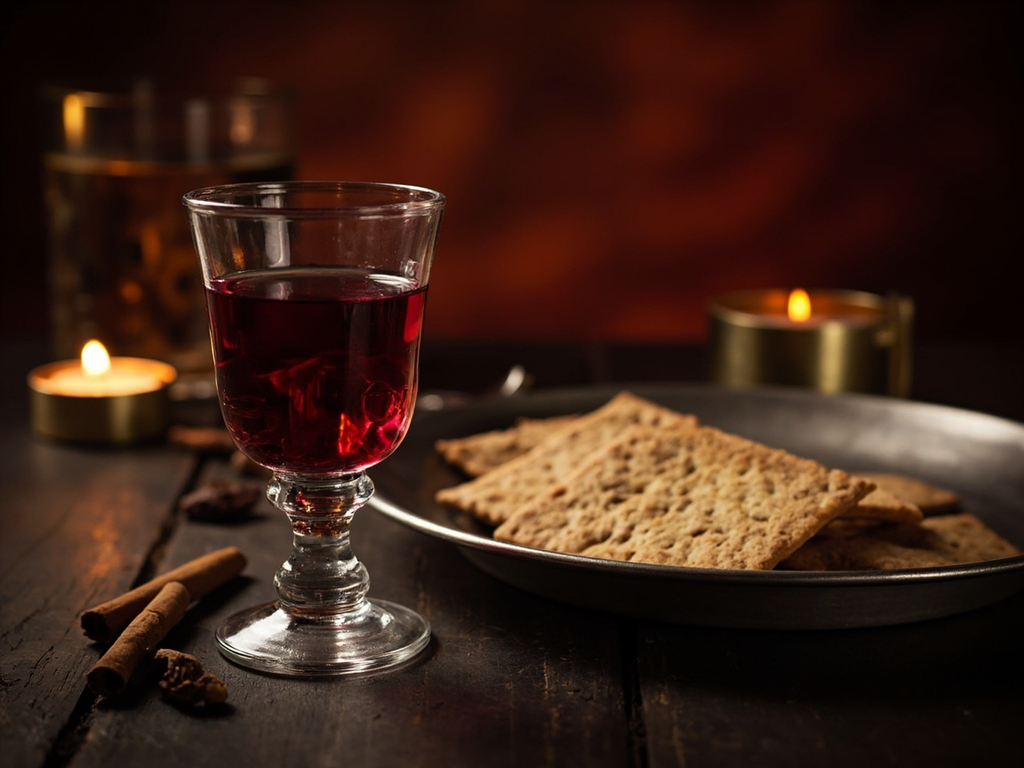
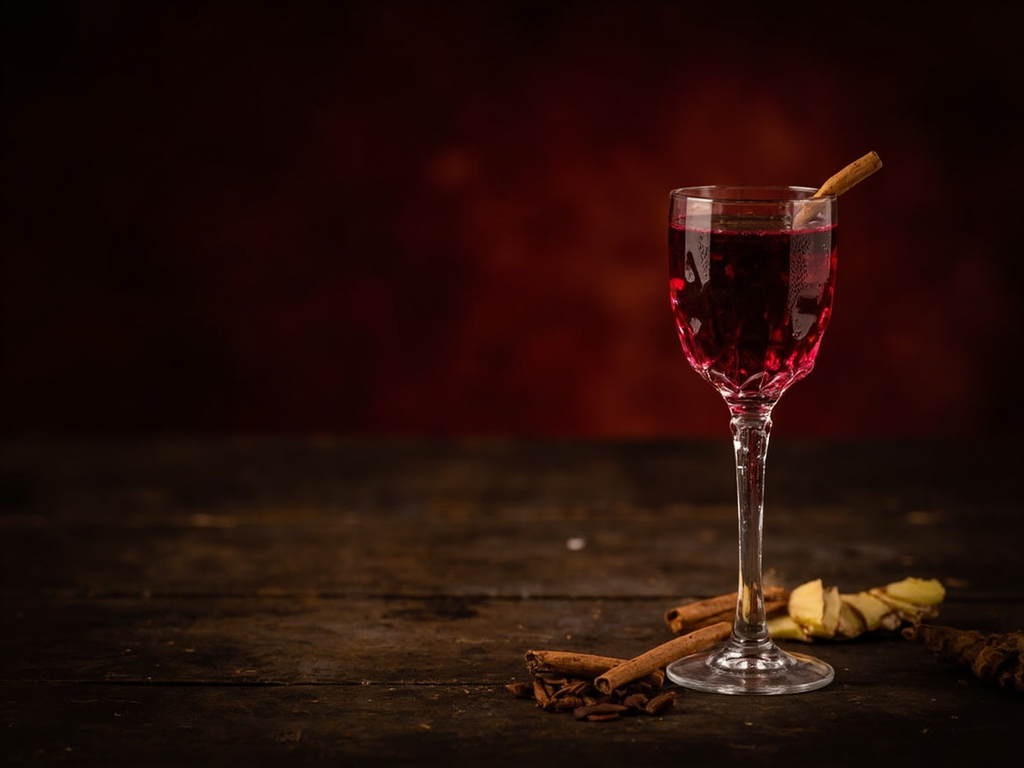
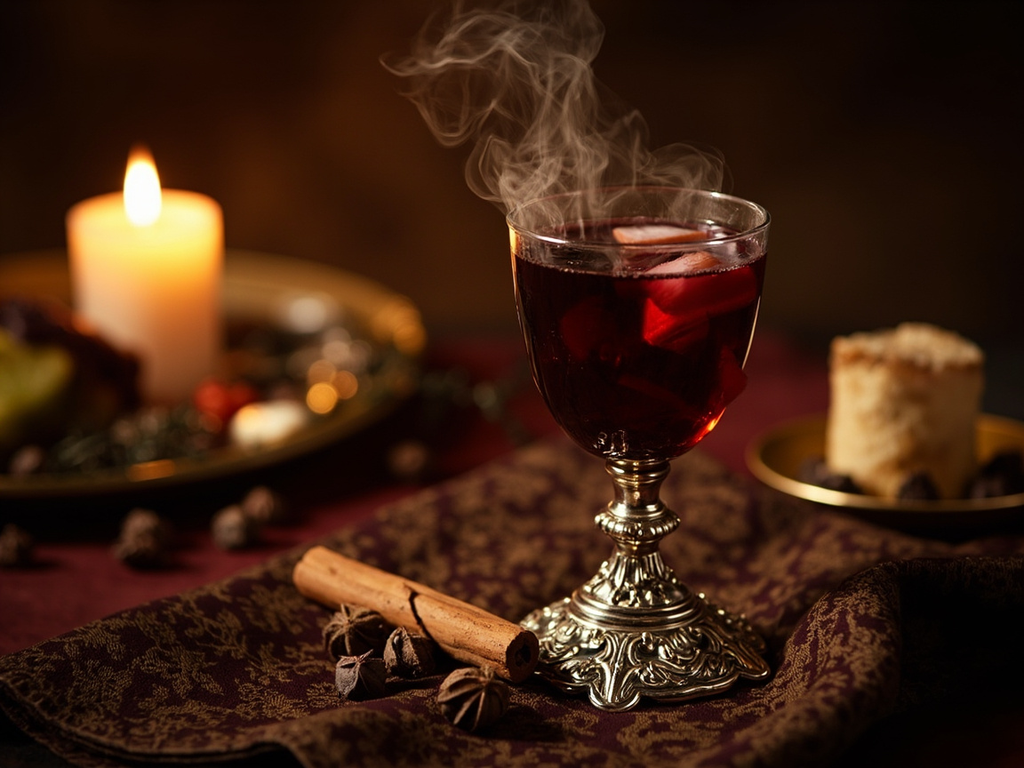
Red (or white) wine gently heated, sweetened, and infused with fine spices, then filtered until clear and fragrant. A warm sip that smells of cinnamon, ginger, and celebration.
When the candles burn low and the cardinals grow talkative, it is time for hippocras. Take a good Campanian wine, warm it without boiling — boiling is an insult — sweeten it well, and give it cinnamon, ginger, and those little grains of paradise that gently burn the tongue. Then pass it through cloth, again and again, until it is clear as an absolution. Serve it warm: you will see tongues loosen and alliances form — I have sealed more than one, cup in hand.
- •Campanian wine (red or white) — a pitcher (base)
- •Sugar or honey — generously (sweetness)
- •Cinnamon stick — one piece (master spice)
- •Ginger — a little (spicy warmth)
- •Grains of paradise (melegueta pepper) — a few grains (noble heat)
- •Cloves — two or three (perfume)
Hippocras — Spiced Wine of the Borgia Banquet
Red (or white) wine gently heated, sweetened, and infused with fine spices, then filtered until clear and fragrant. A warm sip that smells of cinnamon, ginger, and celebration.
Why this dish? The anchor mentions banquets “washed down with wines from Campania” and Aragonese specialties. Hippocras — sweetened, spiced, filtered wine — was the noble drink par excellence at great tables: we can easily imagine the Borgia cups filled with it during feasts in Pinturicchio's apartments.
When the candles burn low and the cardinals grow talkative, it is time for hippocras. Take a good Campanian wine, warm it without boiling — boiling is an insult — sweeten it well, and give it cinnamon, ginger, and those little grains of paradise that gently burn the tongue. Then pass it through cloth, again and again, until it is clear as an absolution. Serve it warm: you will see tongues loosen and alliances form — I have sealed more than one, cup in hand.
Ingredients (period version)
- Campanian wine (red or white) — a pitcher (base)
- Sugar or honey — generously (sweetness)
- Cinnamon stick — one piece (master spice)
- Ginger — a little (spicy warmth)
- Grains of paradise (melegueta pepper) — a few grains (noble heat)
- Cloves — two or three (perfume)
Ingredients
- Fruity red wine (e.g., Campanian style) — 75 cl (base)
- Sugar or honey — 80 to 100 g (sweetness)
- Cinnamon — 1 stick (master spice)
- Fresh ginger — 2 thin slices (warmth)
- Grains of paradise (or substitute long pepper berries) — 5 grains, crushed (heat)
- Cloves — 3 (perfume)
Method
- Heat the wine with sugar/honey over low heat WITHOUT boiling.
- Add cinnamon, ginger, grains of paradise, and cloves; let infuse at a very gentle simmer for 15 min.
- Remove from heat and let rest 10 min for flavors to meld.
- Strain several times through a fine cloth (the famous “Hippocrates sleeve”) until clear.
- Serve warm in cups.
How it was made : Hippocras takes its name from the conical cloth filter, the “Hippocrates sleeve.” Apothecaries and cooks sold pre-mixed spice blends. It was drunk warm at the end of the meal, supposedly aiding digestion, and marked the host's status by the amount of costly sugar and spices he dared to use.
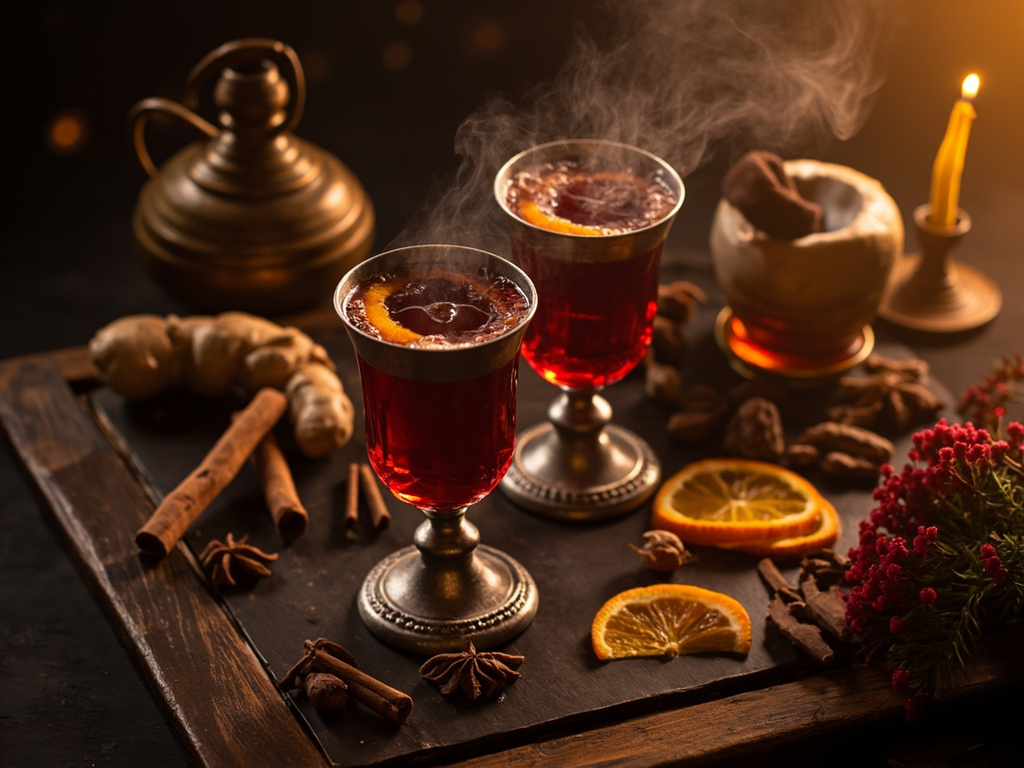
The contemporary twist : Serve in small steaming cups dubbed “conclave cup,” with a cinnamon stick as stirrer — a warm, unabashed version of pre-Christmas mulled wine.
Sources : Le Ménagier de Paris (XIVe s., recette d'hippocras) · Platina, De honesta voluptate et valetudine (1474)
Alexander VI · Charactorium