 flip
flipSeville Bitter Orange Marmalade
Seville Bitter Orange Marmalade
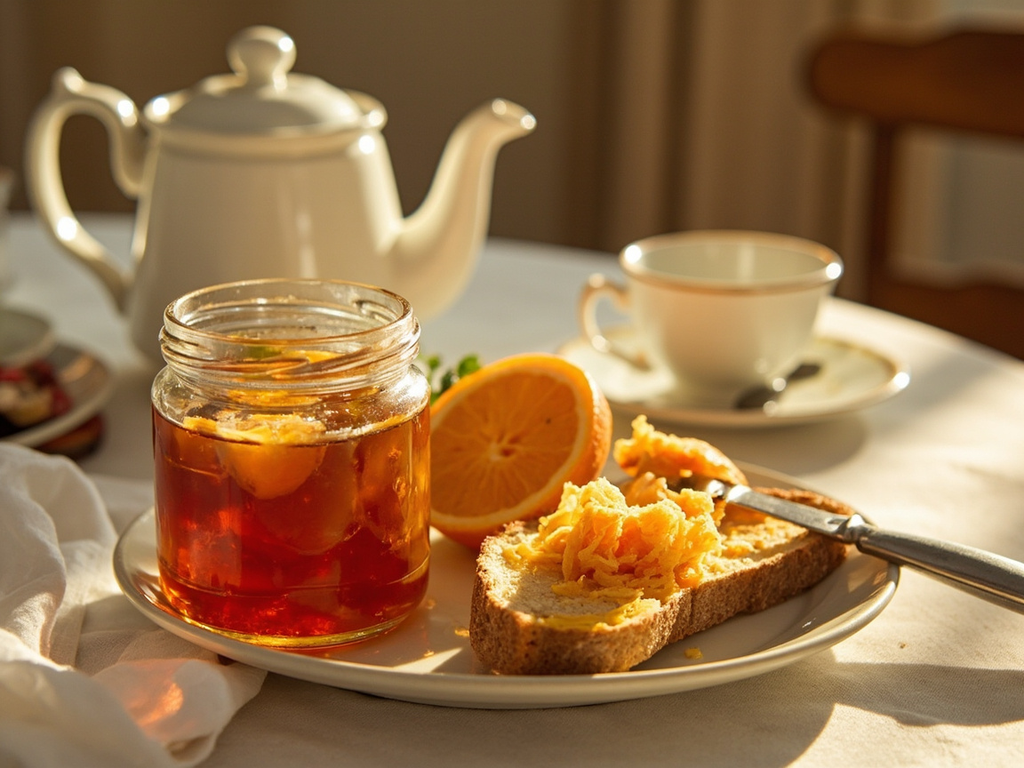
Why this dish? No Victorian breakfast table was complete without its pot of marmalade, spread on buttered toast alongside tea. For Darwin, a man of fixed habits at Down House, this unchanging morning ritual accompanied each day's work in his study.
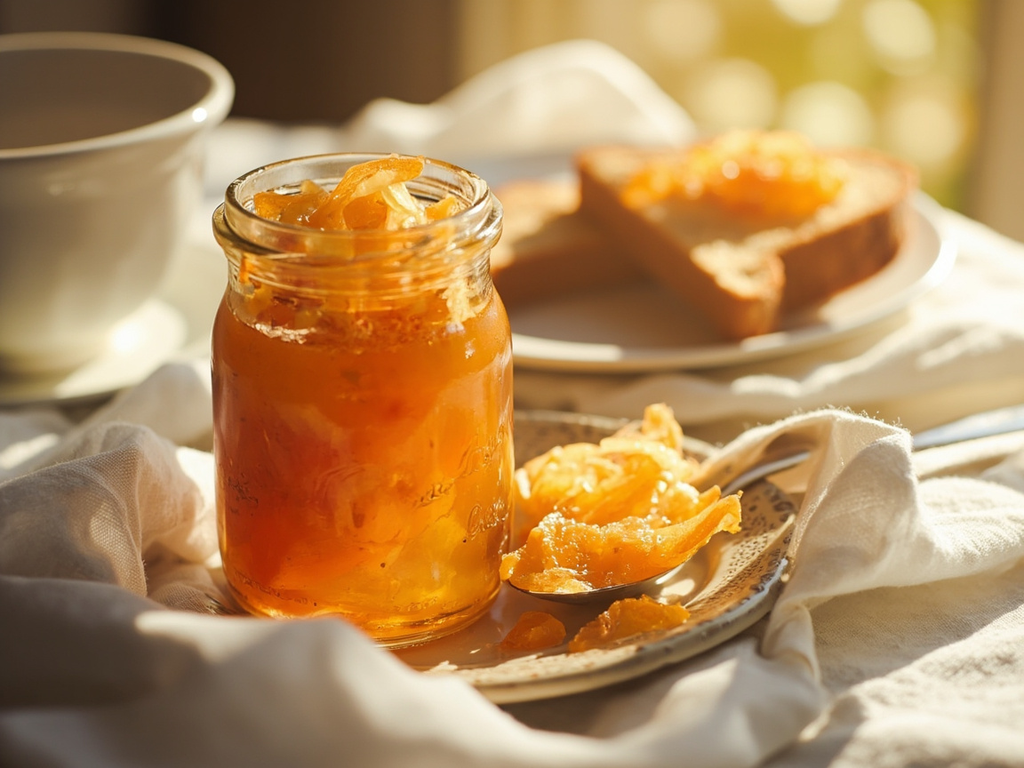
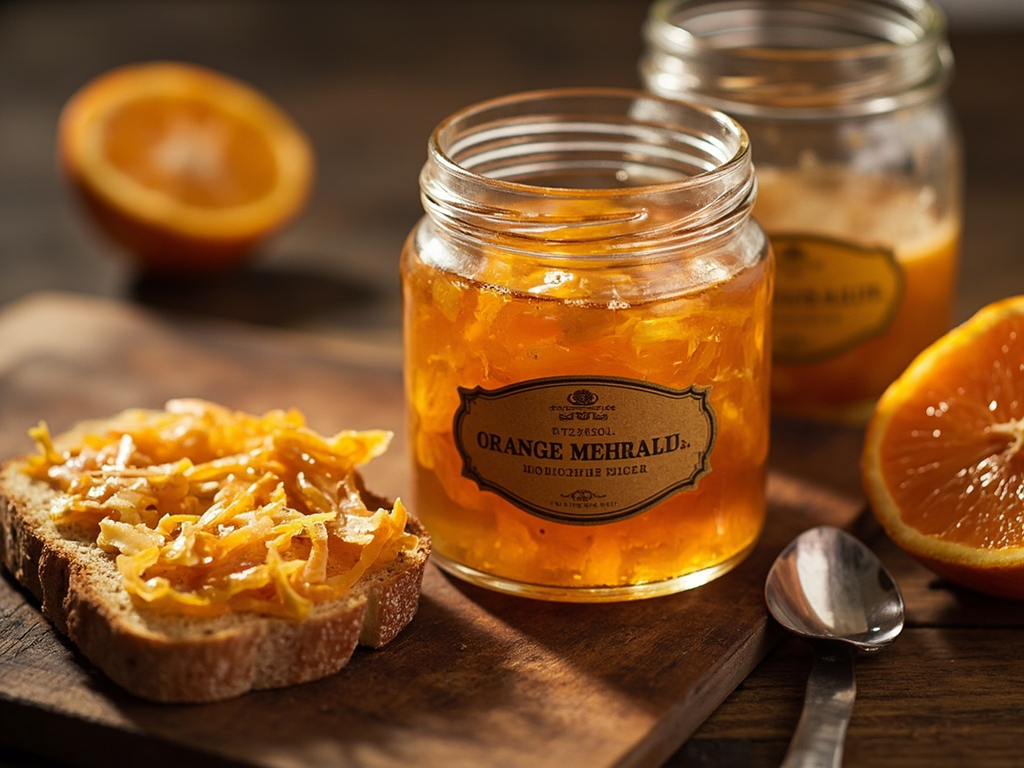
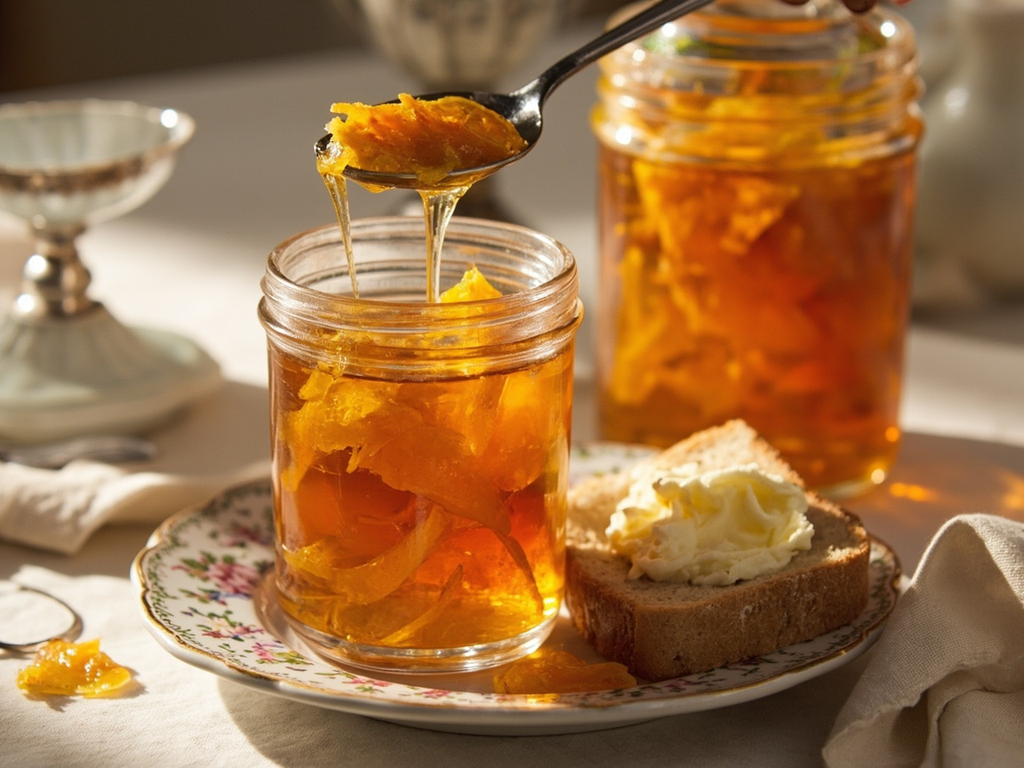
A preserve of bitter Seville oranges, amber and translucent, where the candied peel brings a noble bitterness balancing the sugar. The citrus preserve that lasts through winter and perfumes every English morning.
I am, I confess, a slave to my habits — and one of them, unchanging, was my morning toast covered with marmalade. It is made in winter, when the bitter oranges arrive from Spain, too tart to eat raw but sovereign once candied in sugar. I loved that bitterness that wakes the tongue; like nature, it has character beneath its sweetness. A well-made pot nourishes you until spring, and that is an economy any reasonable mind will approve.
- •Bitter Seville oranges — a basketful (fruit, bitterness and pectin)
- •Sugar — equal weight (preservation and sweetness)
- •Water — as needed (cooking)
- •A lemon — one (acidity and set)
Seville Bitter Orange Marmalade
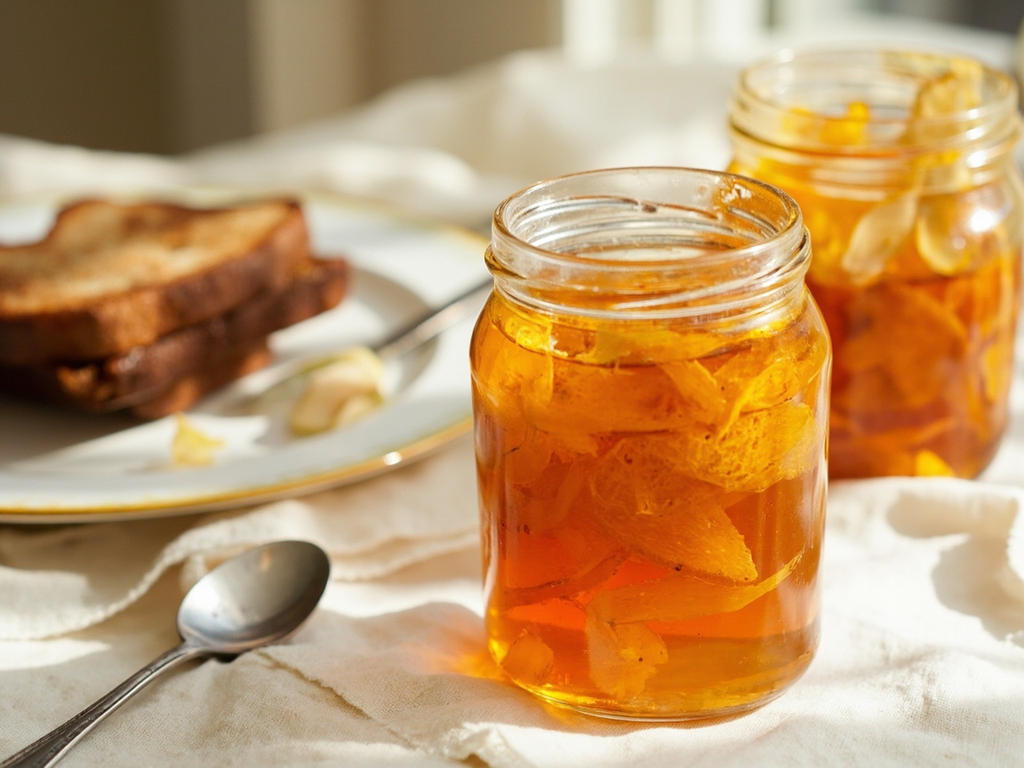
A preserve of bitter Seville oranges, amber and translucent, where the candied peel brings a noble bitterness balancing the sugar. The citrus preserve that lasts through winter and perfumes every English morning.
Why this dish? No Victorian breakfast table was complete without its pot of marmalade, spread on buttered toast alongside tea. For Darwin, a man of fixed habits at Down House, this unchanging morning ritual accompanied each day's work in his study.
I am, I confess, a slave to my habits — and one of them, unchanging, was my morning toast covered with marmalade. It is made in winter, when the bitter oranges arrive from Spain, too tart to eat raw but sovereign once candied in sugar. I loved that bitterness that wakes the tongue; like nature, it has character beneath its sweetness. A well-made pot nourishes you until spring, and that is an economy any reasonable mind will approve.
Ingredients (period version)
- Bitter Seville oranges — a basketful (fruit, bitterness and pectin)
- Sugar — equal weight (preservation and sweetness)
- Water — as needed (cooking)
- A lemon — one (acidity and set)
Ingredients
- Bitter Seville oranges — 1 kg (main fruit)
- Granulated sugar — 2 kg (preservation)
- Water — 2.5 L (cooking)
- Lemon — 1 (juice) (acidity, helps setting)
Method
- Wash the oranges, cut them in half and squeeze the juice; reserve pips and membranes in a muslin bag (they contain pectin).
- Finely slice the peels into strips.
- Put juice, peel, water and the muslin bag into a large pot; let soak overnight.
- Simmer for 1.5 to 2 hours until the peel is very tender; remove the bag, pressing it well.
- Add the sugar and lemon juice; boil rapidly until setting point (105 °C, or cold plate test).
- Pour into hot sterilised jars, seal immediately and invert.
How it was made : Bitter orange marmalade became a British institution in the 18th-19th centuries: the Scottish Keiller company commercialised its famous Dundee marmalade as early as the late 18th century. The Seville orange, too bitter to eat raw, was not grown in England; it was imported in winter, making marmalade a precious seasonal preserve.
The contemporary twist : Add a spoonful of Scotch whisky or a few crushed cardamom pods at the end of cooking for a 'naturalist's edition' marmalade with a bold character.
Sources : Isabella Beeton, Book of Household Management, 1861 · C. Anne Wilson, The Book of Marmalade, 1985
Charles Darwin · Charactorium