 flip
flipChickpea and Maltagliati Minestra with Rosemary
Chickpea and Maltagliati Minestra with Rosemary
Why this dish? Born in the modest home of an apothecary in Cremona, Lombardy, young Monteverdi grew up with the peasant cooking of the Po Valley: legumes and fresh pasta were the daily meal, nourishing and cheap, for artisan families like his own.
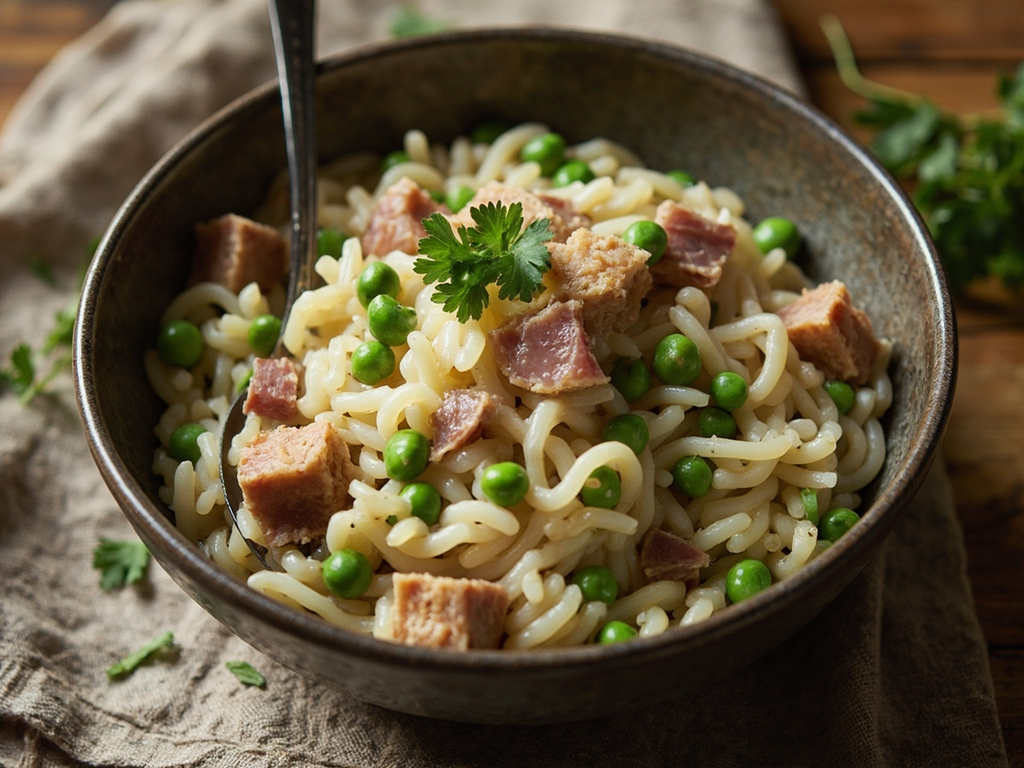
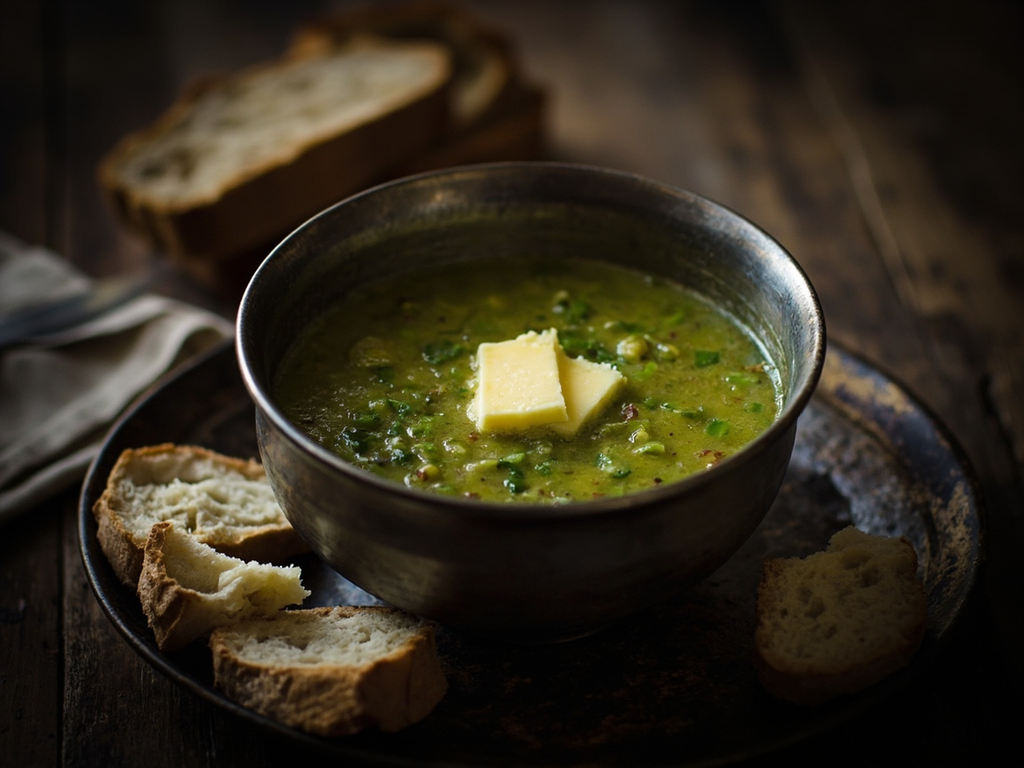
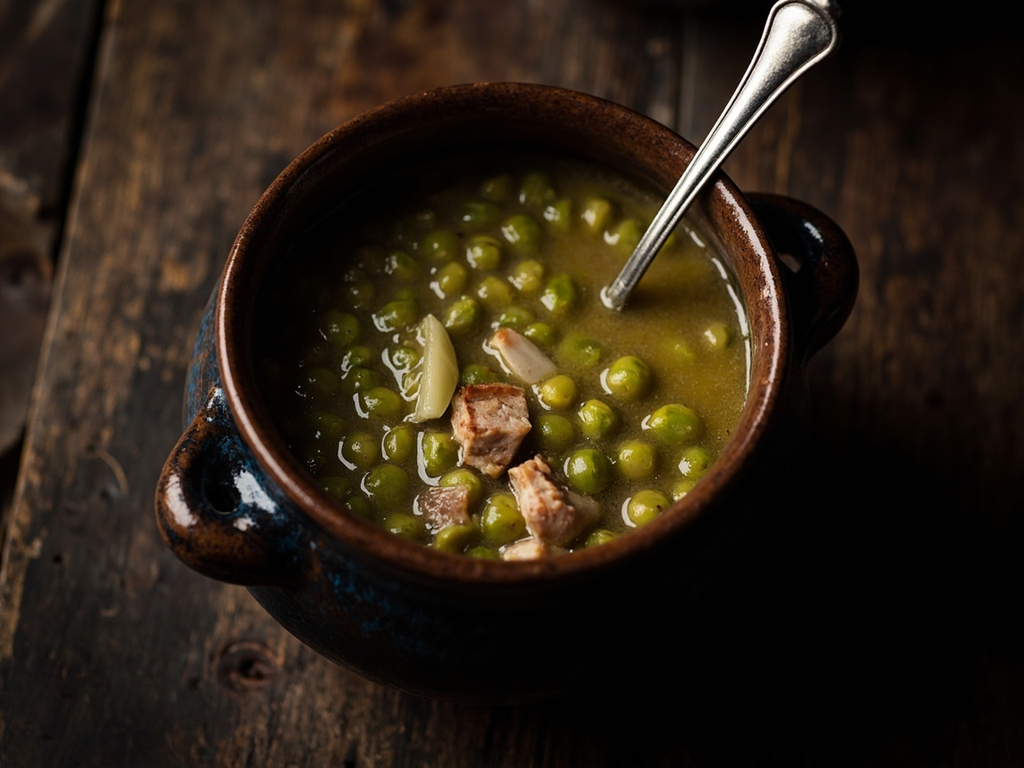
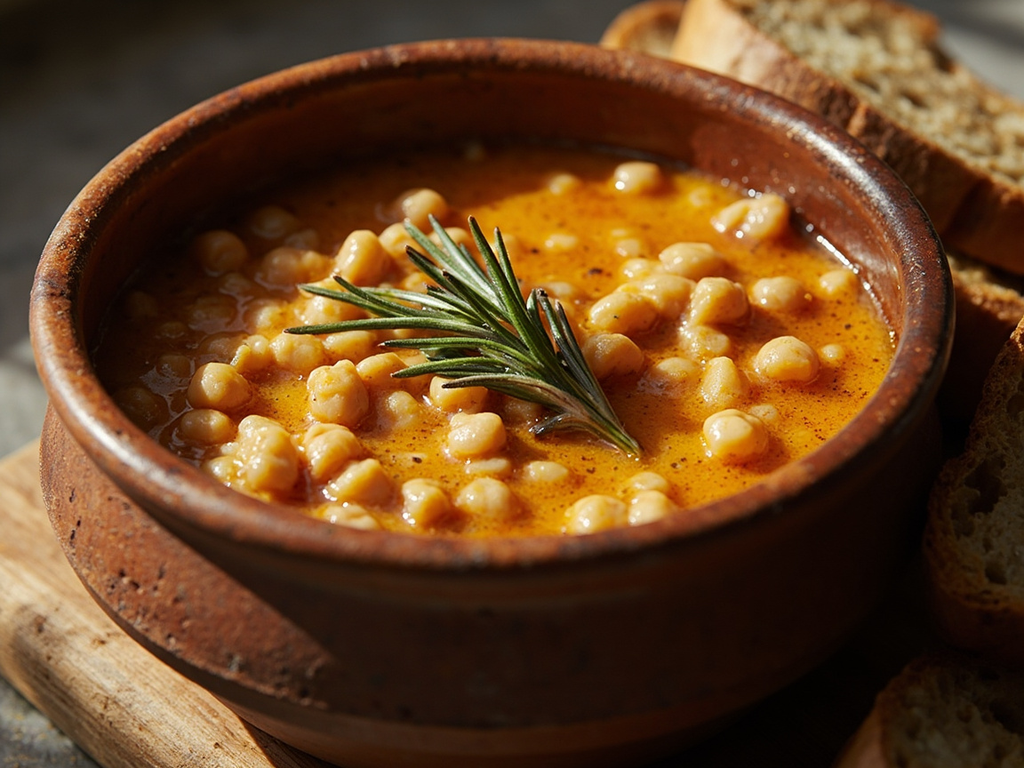
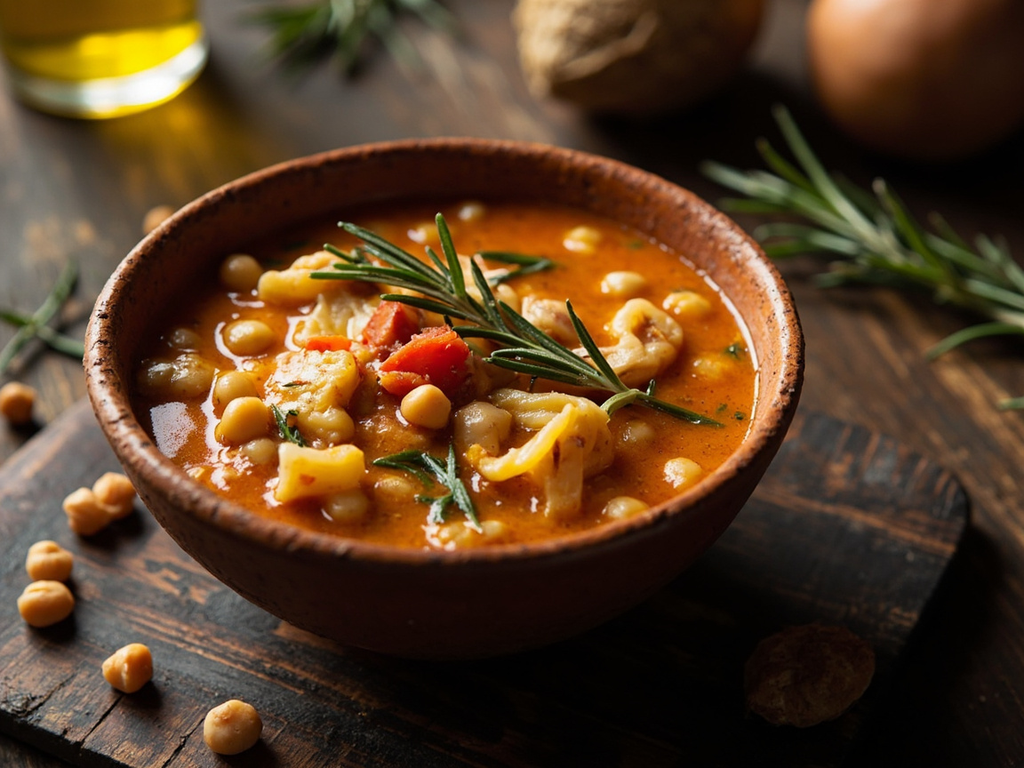
A thick soup where simmered chickpeas meet hand-cut pieces of fresh pasta (maltagliati, "badly cut"), perfumed with garlic, rosemary, and olive oil. The ordinary daily dish, simple and comforting.
Before the princes summoned me to their chapel, I was but a child of Cremona, and it was this soup that kept us warm. Soak your chickpeas a whole night, no haste: let them melt very gently with a sprig of rosemary and a drizzle of the best oil. At the last moment, throw in those devil-cut pasta pieces, and let each one dip his bread. There, believe me, is a harmony as just as a fine counterpoint.
- •Dried chickpeas — two full bowls (nourishing base)
- •Wheat flour — as needed (fresh pasta)
- •Eggs — a few (bind the dough)
- •Garlic — a few cloves (aromatic)
- •Rosemary — one sprig (perfume)
- •Olive oil — a good drizzle (fat and binder)
- •Salt — to taste (seasoning)
Chickpea and Maltagliati Minestra with Rosemary
A thick soup where simmered chickpeas meet hand-cut pieces of fresh pasta (maltagliati, "badly cut"), perfumed with garlic, rosemary, and olive oil. The ordinary daily dish, simple and comforting.
Why this dish? Born in the modest home of an apothecary in Cremona, Lombardy, young Monteverdi grew up with the peasant cooking of the Po Valley: legumes and fresh pasta were the daily meal, nourishing and cheap, for artisan families like his own.
Before the princes summoned me to their chapel, I was but a child of Cremona, and it was this soup that kept us warm. Soak your chickpeas a whole night, no haste: let them melt very gently with a sprig of rosemary and a drizzle of the best oil. At the last moment, throw in those devil-cut pasta pieces, and let each one dip his bread. There, believe me, is a harmony as just as a fine counterpoint.
Ingredients (period version)
- Dried chickpeas — two full bowls (nourishing base)
- Wheat flour — as needed (fresh pasta)
- Eggs — a few (bind the dough)
- Garlic — a few cloves (aromatic)
- Rosemary — one sprig (perfume)
- Olive oil — a good drizzle (fat and binder)
- Salt — to taste (seasoning)
Ingredients
- Dried chickpeas — 250 g (or 2 drained cans) (base)
- Flour — 150 g (fresh pasta)
- Egg — 1 (bind the dough)
- Garlic — 2 cloves (aromatic)
- Fresh rosemary — 1 sprig (perfume)
- Olive oil — 4 tbsp (fat)
- Salt, pepper — to taste (seasoning)
Method
- The night before, soak the dried chickpeas in cold water (skip this step with canned chickpeas).
- Cook them over low heat for 1 h 30 in a large pot of unsalted water until tender.
- Prepare a firm dough with flour and egg, roll it out thinly and cut irregular diamonds (maltagliati) with a knife.
- Brown the crushed garlic and rosemary in olive oil, pour over the chickpeas with a little of their cooking water.
- Roughly blend one-third of the chickpeas to thicken, season with salt, then drop the pasta into the simmering broth for 3 minutes.
- Serve very hot, drizzled with raw olive oil.
How it was made : In the Po Valley in the 16th century, legumes and fresh pasta formed the backbone of popular meals. The dough was cut without a template, hence the name maltagliati; dried vegetables were cooked slowly in earthenware pots near the hearth.
The contemporary twist : A few shavings of Grana Padano — cheese… born precisely in the Cremona region — and a twist of pepper from the mill to wake up the minestra.
Sources : Bartolomeo Scappi, Opera dell'arte del cucinare, 1570 · Platina (Bartolomeo Sacchi), De honesta voluptate et valetudine, 1474
Claudio Monteverdi · Charactorium