 flip
flipBean Tlacoyos
Bean Tlacoyos
Why this dish? Far from the temple's splendor, the Mexica people who lived in the shadow of Coatlicue's sanctuaries fed daily on maize and beans cooked on the comal. This simple, filling dish is the food of all the mothers of Tenochtitlán — a humble earthly echo of the Mother Goddess.
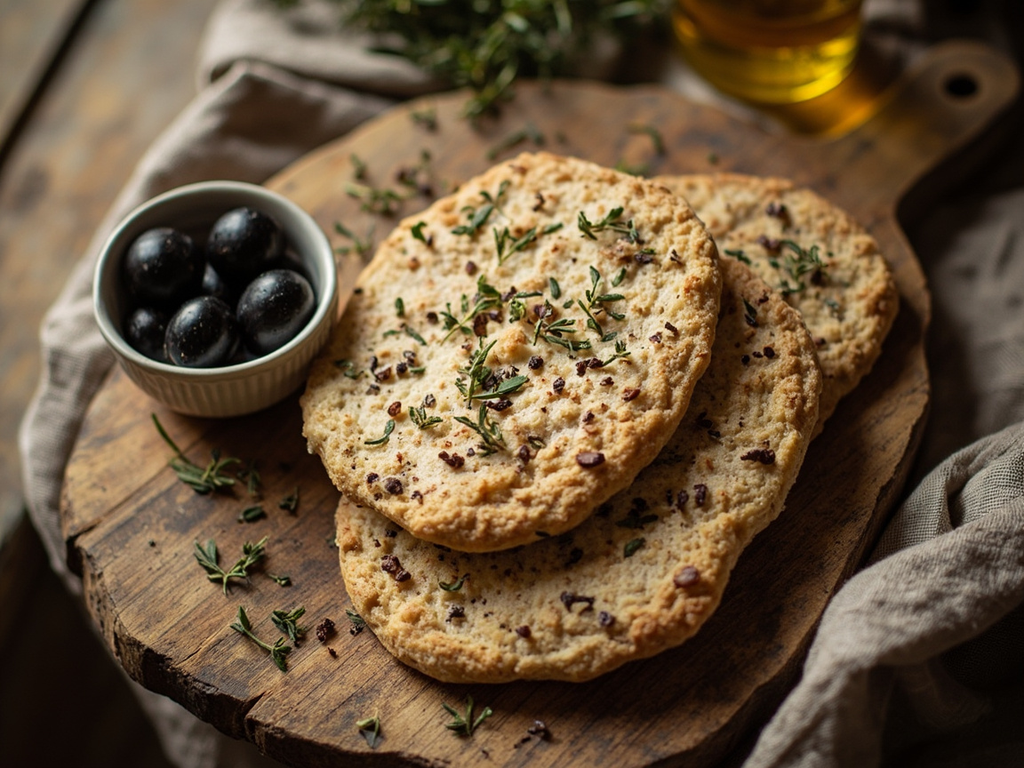
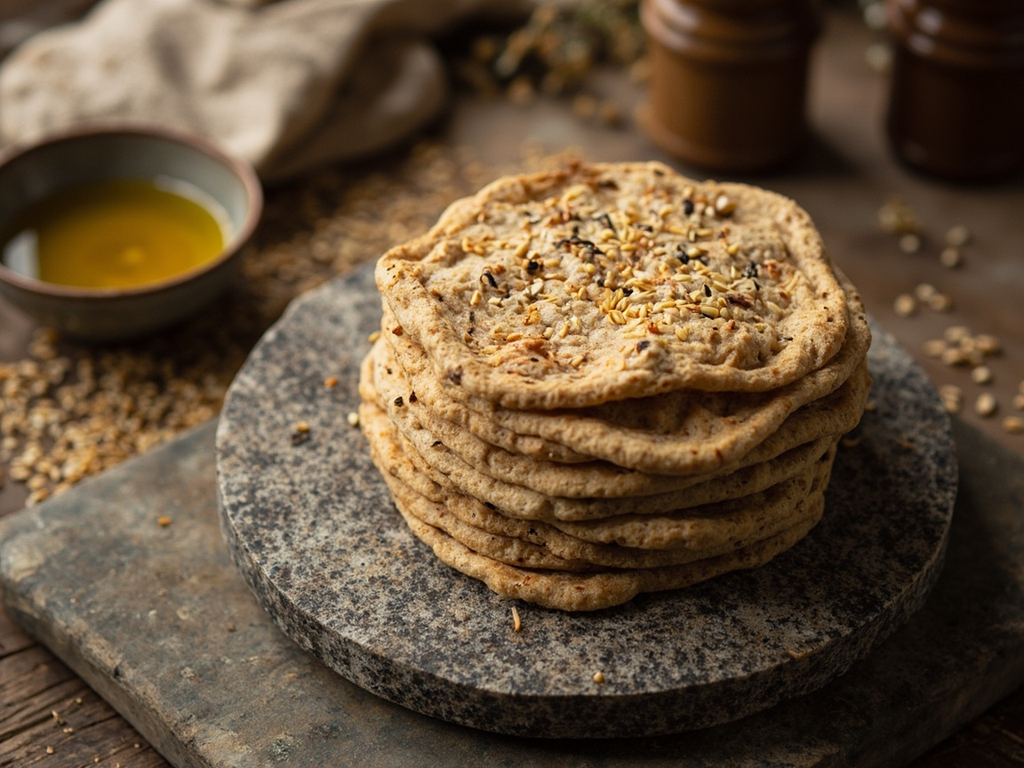
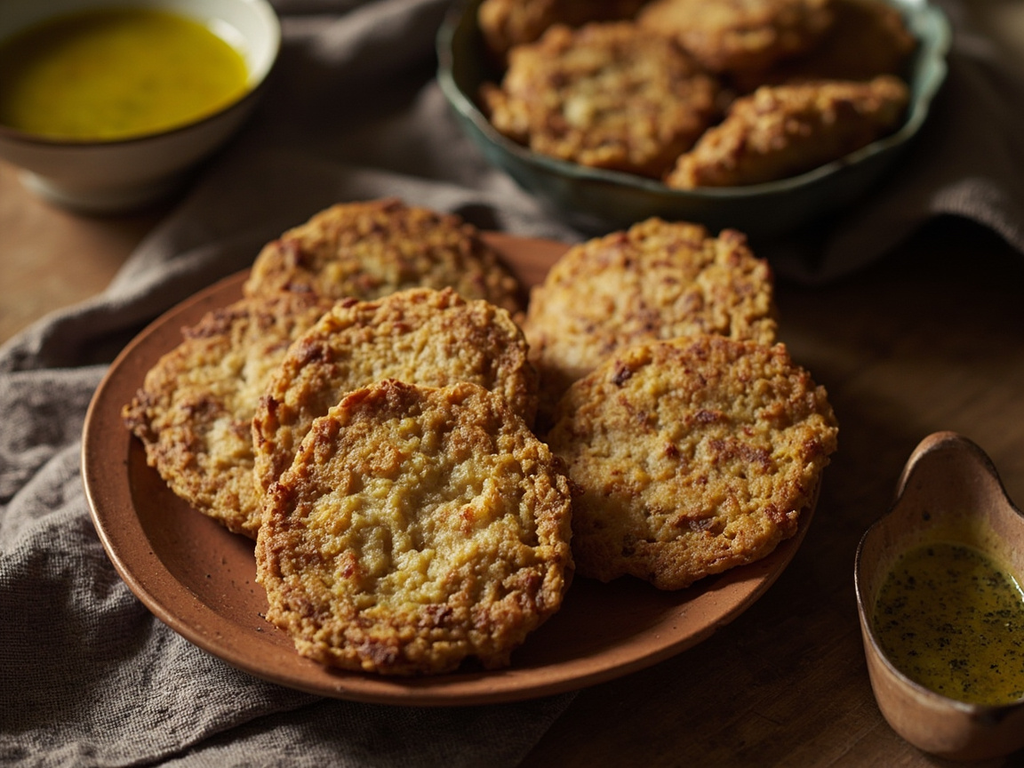
An oval masa cake stuffed with bean purée, browned on the hot griddle. Crispy outside, soft inside, perfumed with epazote. The everyday meal, eaten by hand and sticking to the ribs.
You need no priests nor altars for this dish, child: it comes from the hands of every mother, on the burning stone of the hearth. The maize dough is flattened, the crushed beans hidden in the heart, closed up and cooked until the cake sings on the comal. It is the bread of my people, that which makes bones grow. Eat it hot, scented with the fragrant herb of the fields, and you will know the taste of the ordinary days of Tenochtitlán.
- •Nixtamalized maize masa — the hollow of the hands (cake)
- •Cooked and mashed beans — a good spoonful per cake (filling)
- •Fresh epazote — a few leaves (herbaceous fragrance)
- •Lake salt (tequesquite) — a pinch (seasoning)
Bean Tlacoyos
An oval masa cake stuffed with bean purée, browned on the hot griddle. Crispy outside, soft inside, perfumed with epazote. The everyday meal, eaten by hand and sticking to the ribs.
Why this dish? Far from the temple's splendor, the Mexica people who lived in the shadow of Coatlicue's sanctuaries fed daily on maize and beans cooked on the comal. This simple, filling dish is the food of all the mothers of Tenochtitlán — a humble earthly echo of the Mother Goddess.
You need no priests nor altars for this dish, child: it comes from the hands of every mother, on the burning stone of the hearth. The maize dough is flattened, the crushed beans hidden in the heart, closed up and cooked until the cake sings on the comal. It is the bread of my people, that which makes bones grow. Eat it hot, scented with the fragrant herb of the fields, and you will know the taste of the ordinary days of Tenochtitlán.
Ingredients (period version)
- Nixtamalized maize masa — the hollow of the hands (cake)
- Cooked and mashed beans — a good spoonful per cake (filling)
- Fresh epazote — a few leaves (herbaceous fragrance)
- Lake salt (tequesquite) — a pinch (seasoning)
Ingredients
- Masa harina — 250 g (dough)
- Warm water — 300 ml approx. (hydration)
- Cooked black beans — 200 g (filling)
- Epazote (or substitute a little cilantro) — 1 tbsp chopped (fragrance)
- Salt — 1 tsp (seasoning)
Method
- Mix the masa harina, salt, and warm water until a soft, non-sticky dough forms; let rest 15 minutes.
- Mash the beans into a thick purée with the chopped epazote and a pinch of salt.
- Form dough balls, flatten them, place a spoonful of purée in the center, close up and shape into a flat oval 1 cm thick.
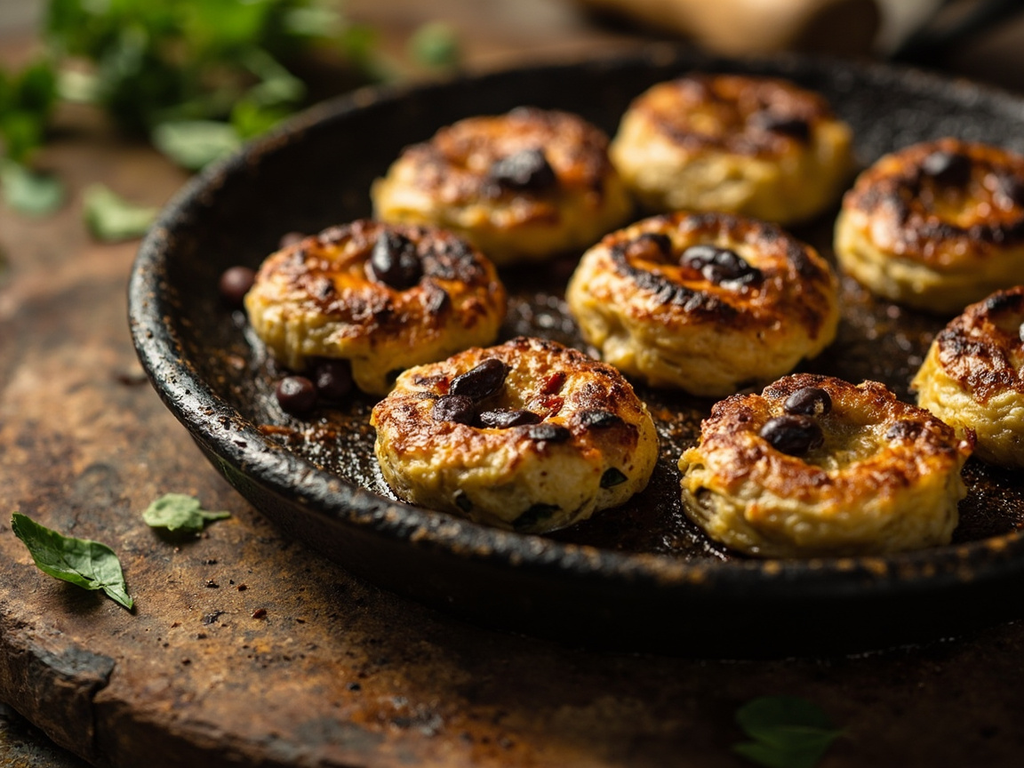
- Cook on a very hot dry griddle or pan for 3 to 4 minutes per side, until golden spots appear.
- Serve immediately, optionally topped with a little nopal or hot sauce.
How it was made : The maize-bean duo is the nutritional pillar of Mesoamerica: together they provide complete proteins. The tlacoyo, cooked on the clay comal, descends directly from pre-Hispanic stuffed griddle cakes. Epazote, a local herb, flavored beans and cakes and was thought to aid digestion.
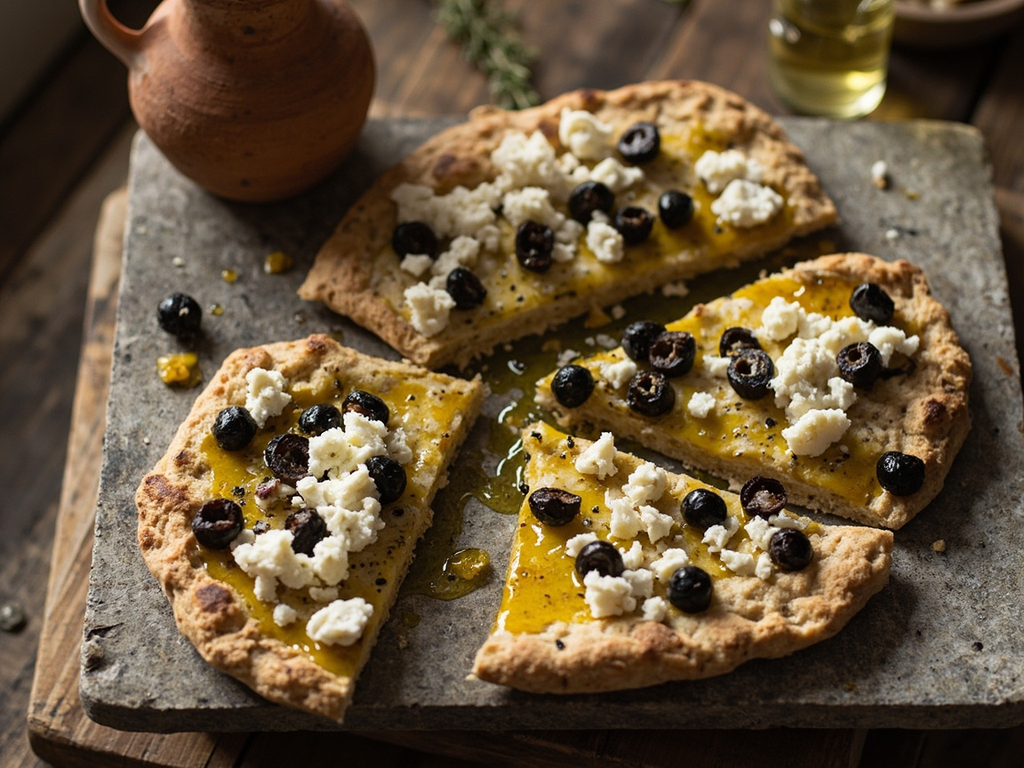
The contemporary twist : Top the tlacoyo with thin strips of grilled nopal and a sprinkle of fresh crumbled cheese: the contemporary street-food version from Mexico City markets.
Sources : Sophie D. Coe, America's First Cuisines, University of Texas Press, 1994
Coatlicue · Charactorium