 flip
flipConfit d'oie en pot de graisse
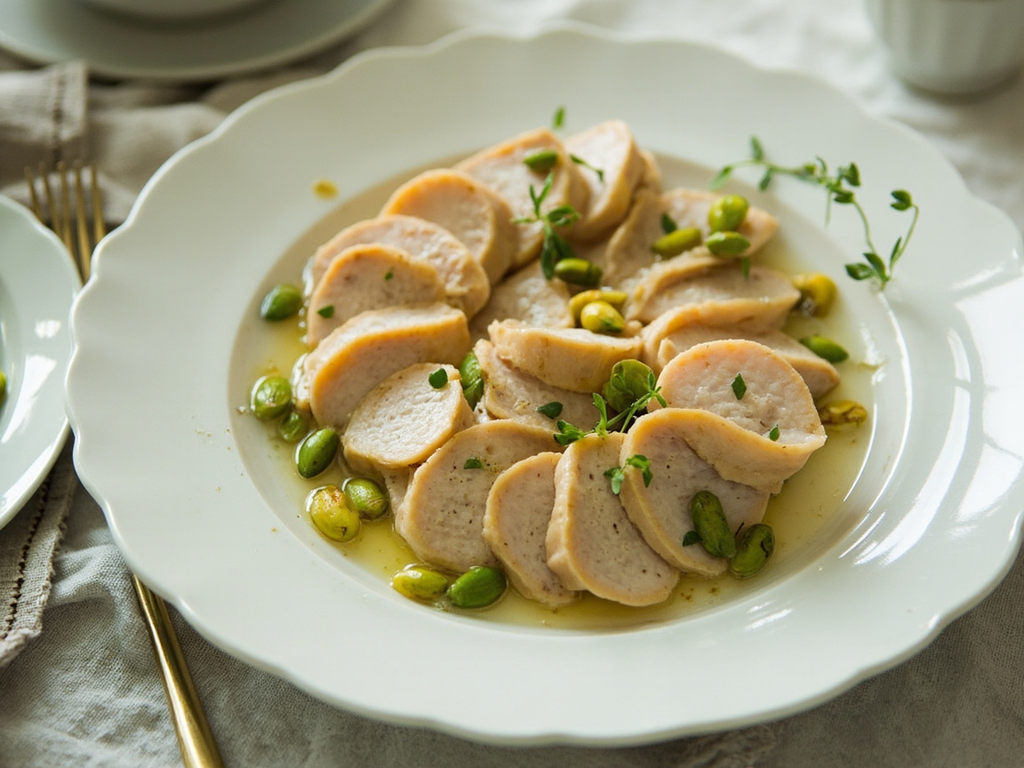
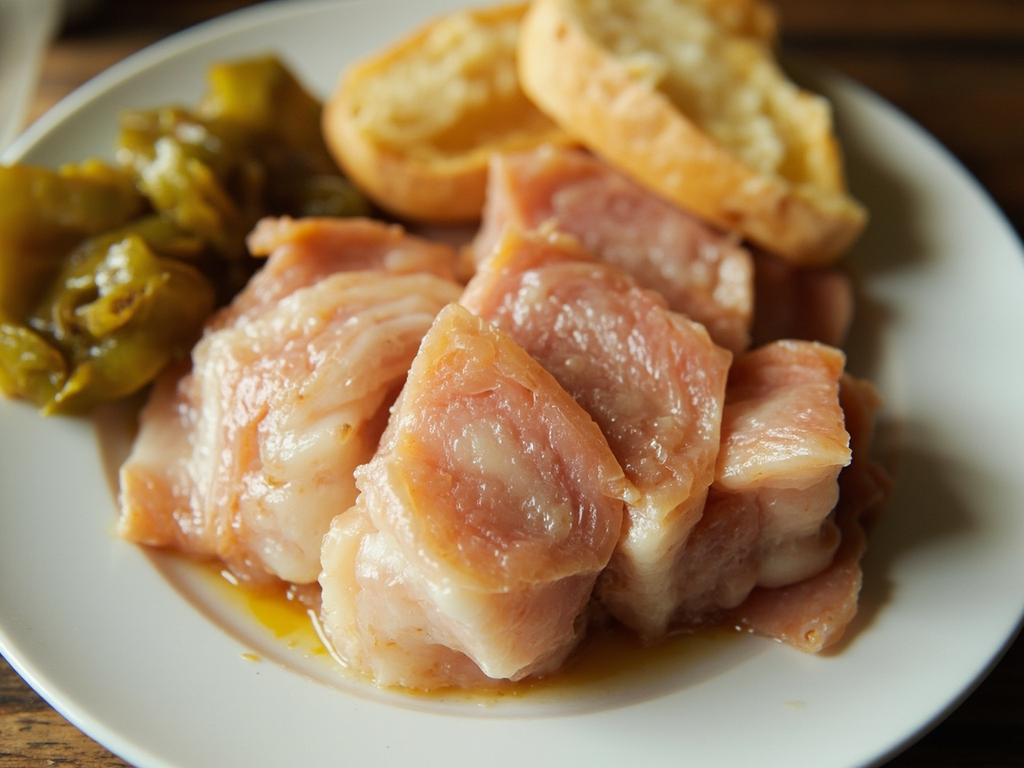
Confit d'oie en pot de graisse
Why this dish? In La Boétie's Périgord, preserving goose in its own fat was the art of the pantry: the meat from autumn feasts fed the household all winter. A terroir technique as prudent as a magistrate husbanding his provisions.
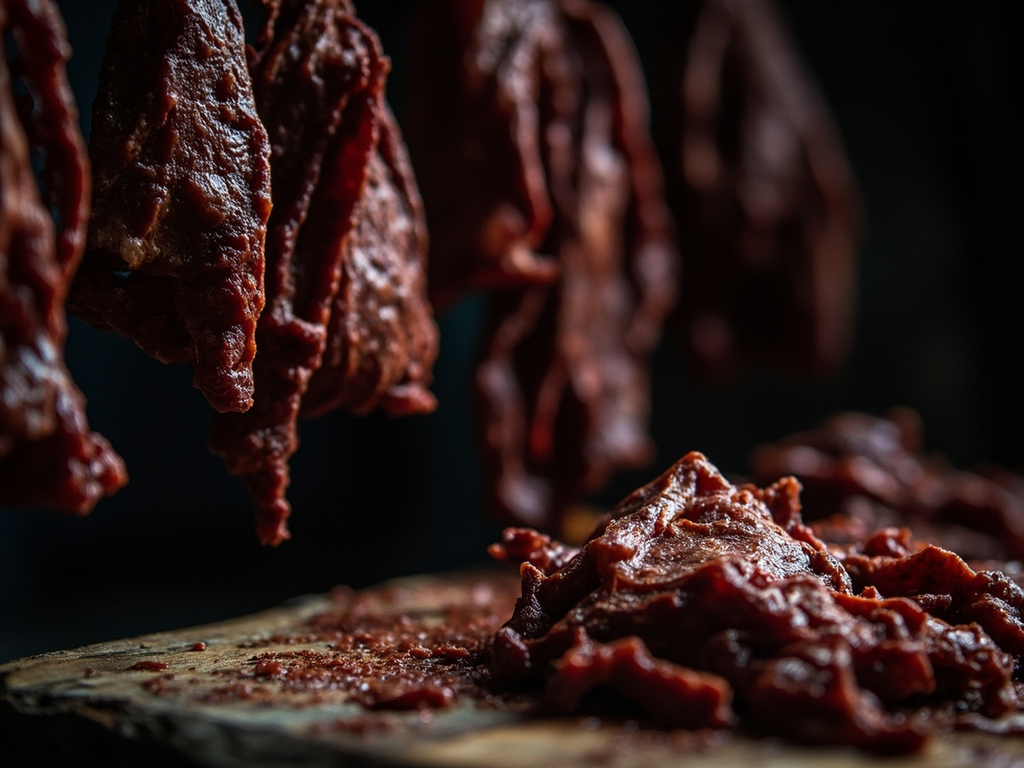
Goose pieces salted then cooked very slowly in fat, and kept submerged in that same fat, airtight. A melting, savory meat ready to last the cold months.
Nothing is wasted in a good Périgord household, and the goose least of all. After salting it a whole day, you cook it very gently in its own fat until the flesh yields under the fork. Then you store it in an earthenware pot, well covered with solidified fat where air cannot reach it. Thus kept, it feeds us all winter long, and is never better than reheated on a frosty evening.
- •Goose (legs and pieces) — the fine pieces (meat to confit)
- •Salt — a good handful (salting and preservation)
- •Goose fat — enough to submerge (cooking and sealing)
- •Garlic and thyme — a few heads and sprigs (aromatics)
- •Pepper, bay leaf — to taste (spices)
Confit d'oie en pot de graisse
Goose pieces salted then cooked very slowly in fat, and kept submerged in that same fat, airtight. A melting, savory meat ready to last the cold months.
Why this dish? In La Boétie's Périgord, preserving goose in its own fat was the art of the pantry: the meat from autumn feasts fed the household all winter. A terroir technique as prudent as a magistrate husbanding his provisions.
Nothing is wasted in a good Périgord household, and the goose least of all. After salting it a whole day, you cook it very gently in its own fat until the flesh yields under the fork. Then you store it in an earthenware pot, well covered with solidified fat where air cannot reach it. Thus kept, it feeds us all winter long, and is never better than reheated on a frosty evening.
Ingredients (period version)
- Goose (legs and pieces) — the fine pieces (meat to confit)
- Salt — a good handful (salting and preservation)
- Goose fat — enough to submerge (cooking and sealing)
- Garlic and thyme — a few heads and sprigs (aromatics)
- Pepper, bay leaf — to taste (spices)
Ingredients
- Goose or duck legs — 4 (meat)
- Coarse salt — 100 g (salting)
- Goose or duck fat — 1 kg (enough to cover) (cooking and preservation)
- Garlic — 4 cloves (aromatic)
- Thyme and bay leaf — a few sprigs (aromatics)
- Black peppercorns — 1 tsp (spice)
Method
- Rub the legs with coarse salt, crushed garlic, crumbled thyme, and pepper. Let rest in the refrigerator for 12 to 24 hours.
- Rinse and thoroughly dry the meat to remove excess salt.
- Melt the fat in a casserole, submerge the pieces completely.
- Cook very gently (fat barely simmering) for 2.5 to 3 hours, until the meat is tender.
- Pack the pieces into a jar or earthenware pot, cover entirely with melted fat, let set, and store in a cool place. Reheat the meat in a pan until skin is crispy before serving.
How it was made : Confiting in fat is an ancient preservation method from southwestern France, born of the need to keep meat before refrigeration. The solidified fat forms an airtight seal that protects the flesh for months. Geese were raised for their fat and meat, at the heart of the Périgord peasant economy.
The contemporary twist : Shredded cold over a salad of young greens, walnut oil, and grilled bread croutons: the Renaissance pantry in bistro style.
Étienne de La Boétie · Charactorium