 flip
flipLakh with curdled milk and baobab (sàddax)
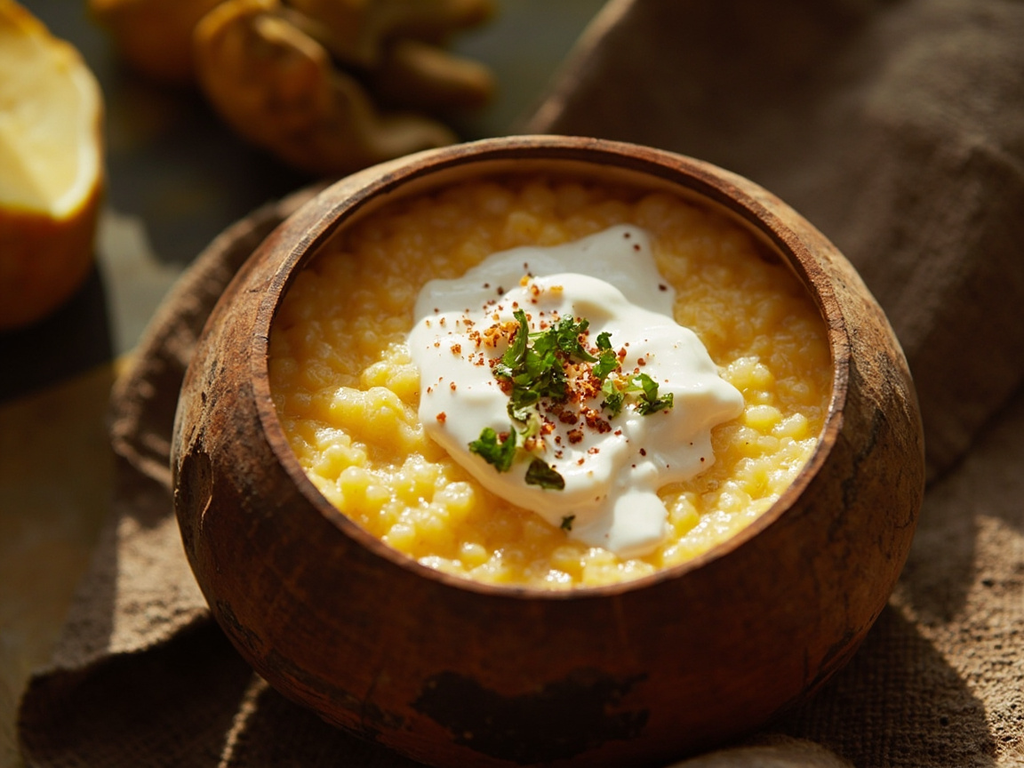
Lakh with curdled milk and baobab (sàddax)
Why this dish? Millet porridge prepared in large quantities for almsgiving (sàddax / sadaqa) to neighbors and the needy — a direct echo of *La Grève des Bàttu*, Aminata Sow Fall's novel where beggars and their bowls hold up a mirror to society. Giving this dish is almsgiving made sweet.
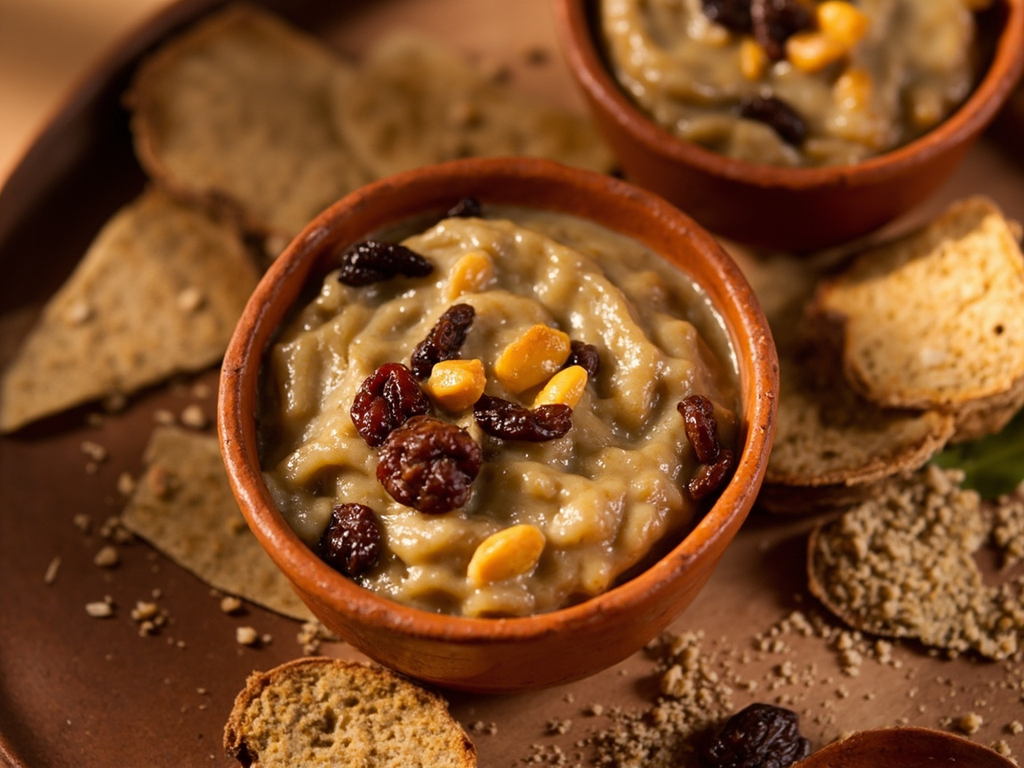
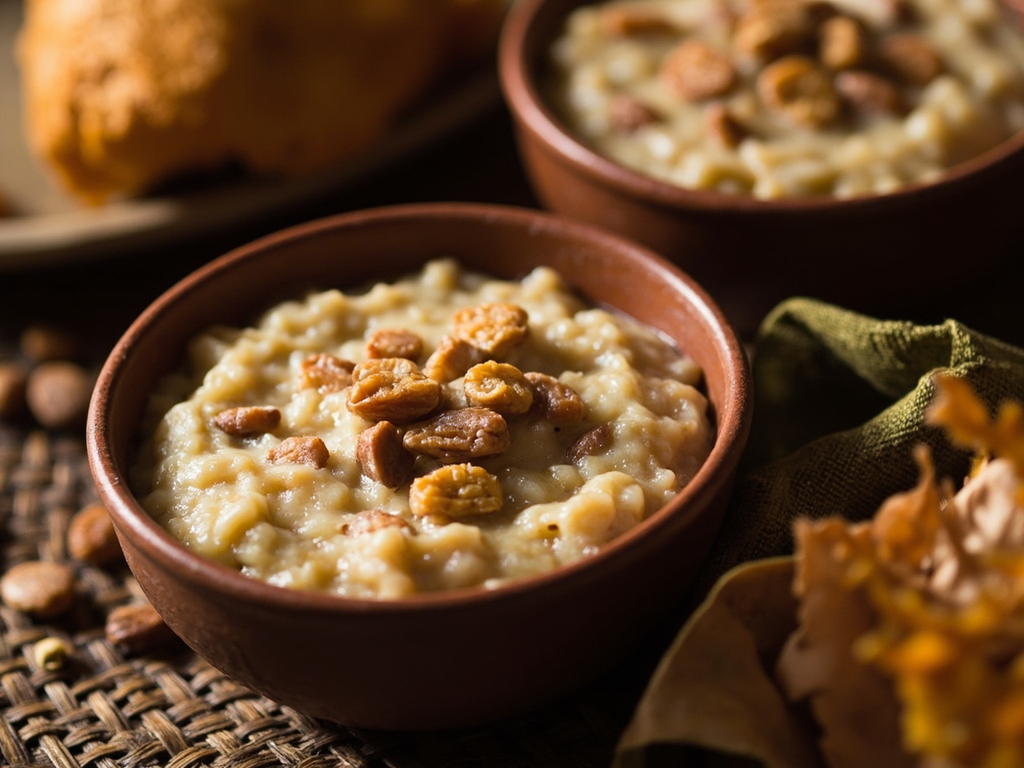
A cooked and cooled millet porridge, topped with slightly sweetened curdled milk and perfumed with the tangy pulp of baobab fruit (monkey bread), sometimes enhanced with orange blossom water. Creamy, fresh, both sweet and lively.
One does not make lakh just for oneself — one always makes too much, so there is some left to give. I would cook the millet until it became tender like a sweet word, then let it cool before drowning it under curdled milk and a cloud of baobab powder, that fruit of the baobab which pinches the tongue with a tangy freshness. On Fridays, I would fill calabashes for the neighbors and for those who hold out the begging bowl. For the hand that gives, my friend, is never the one that is forgotten: a people that stops sharing its lakh has already begun to lose its soul.
- •Millet flour (or millet couscous) — one bowl (base)
- •Curdled milk (sow) — generous (topping)
- •Baobab pulp (monkey bread) — a few spoonfuls (tangy flavor)
- •Sugar — to taste (sweetness)
- •Orange blossom water — a dash (flavor)
Lakh with curdled milk and baobab (sàddax)
A cooked and cooled millet porridge, topped with slightly sweetened curdled milk and perfumed with the tangy pulp of baobab fruit (monkey bread), sometimes enhanced with orange blossom water. Creamy, fresh, both sweet and lively.
Why this dish? Millet porridge prepared in large quantities for almsgiving (sàddax / sadaqa) to neighbors and the needy — a direct echo of *La Grève des Bàttu*, Aminata Sow Fall's novel where beggars and their bowls hold up a mirror to society. Giving this dish is almsgiving made sweet.
One does not make lakh just for oneself — one always makes too much, so there is some left to give. I would cook the millet until it became tender like a sweet word, then let it cool before drowning it under curdled milk and a cloud of baobab powder, that fruit of the baobab which pinches the tongue with a tangy freshness. On Fridays, I would fill calabashes for the neighbors and for those who hold out the begging bowl. For the hand that gives, my friend, is never the one that is forgotten: a people that stops sharing its lakh has already begun to lose its soul.
Ingredients (period version)
- Millet flour (or millet couscous) — one bowl (base)
- Curdled milk (sow) — generous (topping)
- Baobab pulp (monkey bread) — a few spoonfuls (tangy flavor)
- Sugar — to taste (sweetness)
- Orange blossom water — a dash (flavor)
Ingredients
- Millet couscous (thiakry) or millet semolina — 300 g (base)
- Curdled milk / stirred yogurt — 50 cl (topping)
- Baobab powder (monkey bread) — 3 tbsp (tangy flavor)
- Sugar — 4 tbsp (sweetness)
- Orange blossom water — 1 tsp (flavor)
Method
- Steam the millet couscous (or cook the millet into a thick porridge) until tender, then let cool.
- Mix the baobab powder with a little water to obtain a tangy cream.
- Combine the curdled milk with sugar and orange blossom water.
- Stir the baobab cream into the sweetened curdled milk.
- Pour this mixture over the cooled millet; serve fresh, in individual calabashes, and set aside a portion to offer.
How it was made : Lakh and its cousin ngalax are millet porridges ritually prepared in abundance for sàddax — almsgiving. Millet, the mother cereal of the Sahel long before imported rice, was pounded in a mortar; the milk came from the family herd and curdled naturally under the heat in calabashes.
The contemporary twist : Served in a verrine with a thin layer of tangy baobab at the bottom, "Senegalese cheesecake" style, topped with a few crunchy millet pearls.
Aminata Sow Fall · Charactorium