 flip
flipNân-e jow, the Barley Flatbread of Soldier and Commoner
Nân-e jow, the Barley Flatbread of Soldier and Commoner
Why this dish? Cyrus united the mountain Persians with the Medes; his armies lived on barley far more than wheat, which was reserved for the elites. This flatbread nourished the soldiers who took Sardis and Babylon, baked on a hot stone at the bivouac.
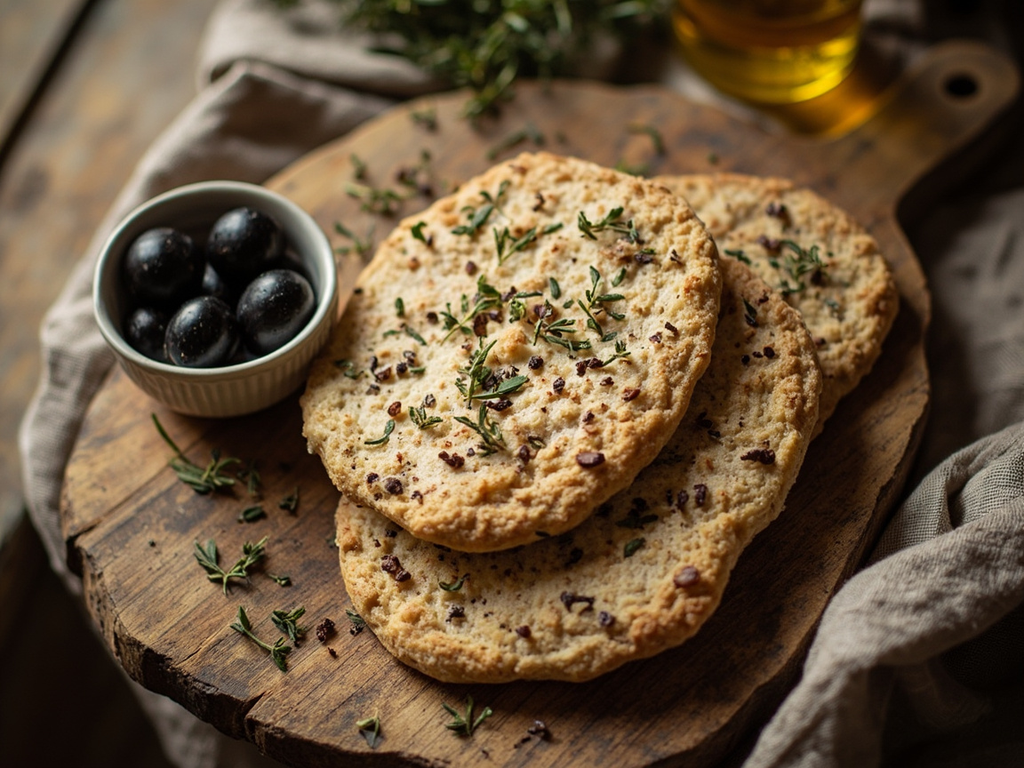
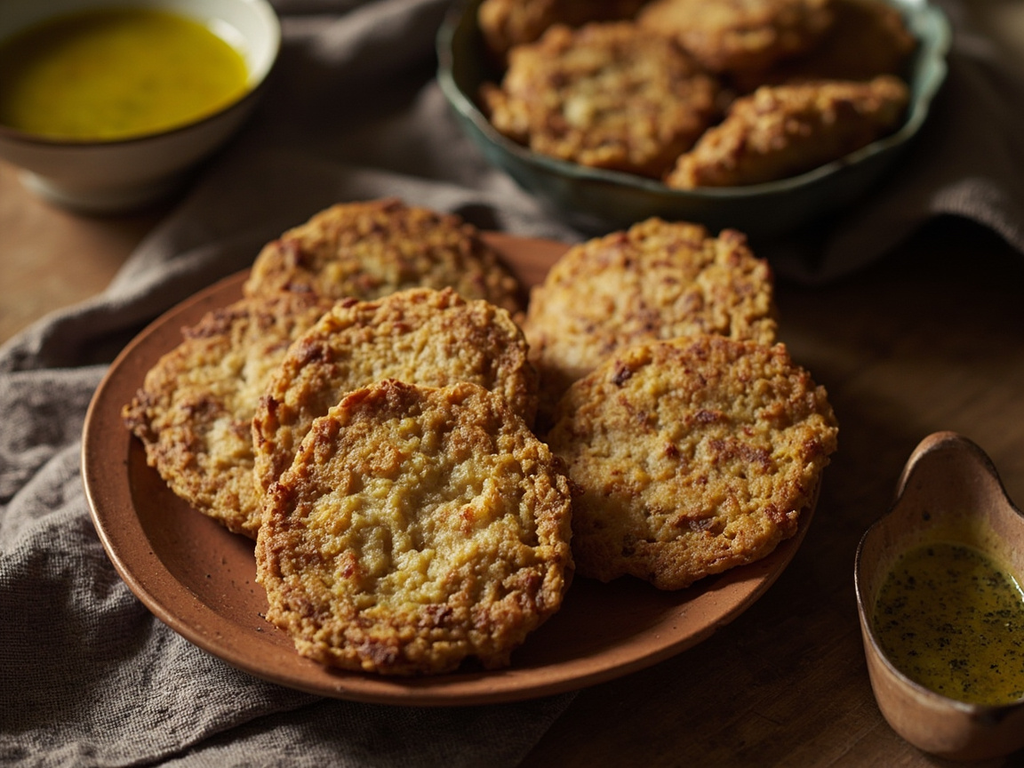
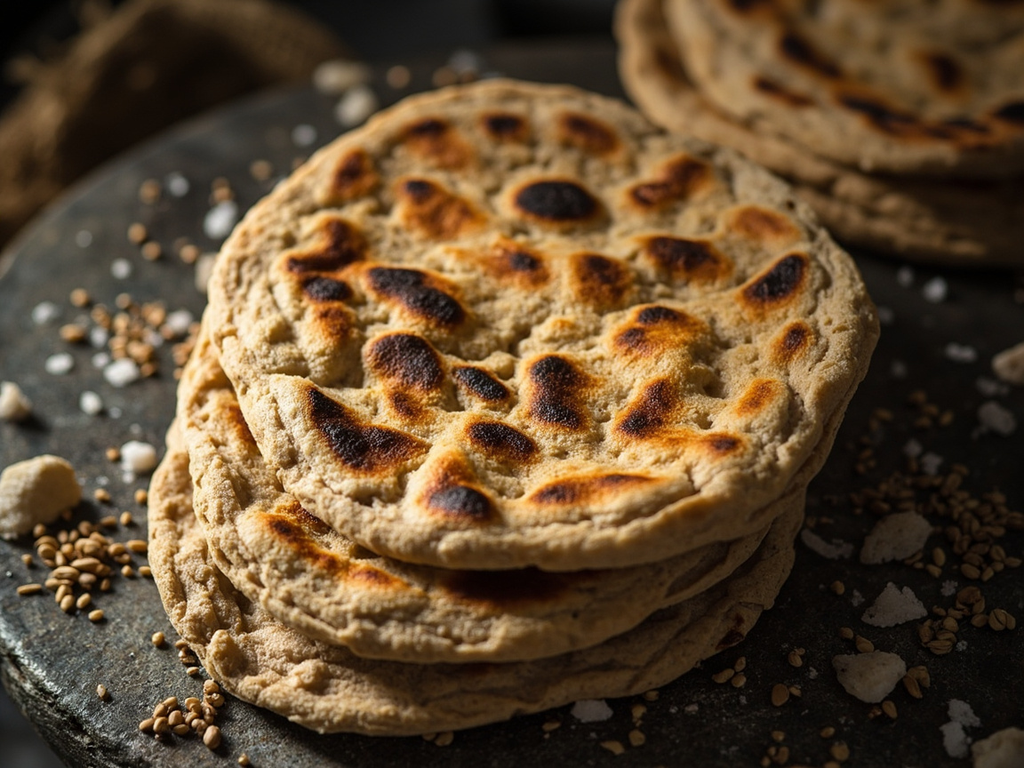
A flat, dense barley flatbread, barely leavened, baked on a hot stone. Rustic, slightly nutty, it is the bread of the camp and the village, the one you break to scoop up the stew.
Approach, traveler, and do not despise this barley flatbread. My horsemen of Anshan conquered the world with their bellies full of this bread, not the soft wheat of pampered satraps. It is kneaded in the morning, thrown onto the stone reddened by the brushwood fire, and you have your bowl and your meal in one gesture. The King who has tasted the hunger of the mountaineer never forgets it.
- •Barley flour ground on a millstone — two handfuls per man (base)
- •Spring water — as needed (binder)
- •Rock salt — a pinch (seasoning)
- •Leftover sourdough from the day before — a little, sometimes omitted (light leavening)
Nân-e jow, the Barley Flatbread of Soldier and Commoner
A flat, dense barley flatbread, barely leavened, baked on a hot stone. Rustic, slightly nutty, it is the bread of the camp and the village, the one you break to scoop up the stew.
Why this dish? Cyrus united the mountain Persians with the Medes; his armies lived on barley far more than wheat, which was reserved for the elites. This flatbread nourished the soldiers who took Sardis and Babylon, baked on a hot stone at the bivouac.
Approach, traveler, and do not despise this barley flatbread. My horsemen of Anshan conquered the world with their bellies full of this bread, not the soft wheat of pampered satraps. It is kneaded in the morning, thrown onto the stone reddened by the brushwood fire, and you have your bowl and your meal in one gesture. The King who has tasted the hunger of the mountaineer never forgets it.
Ingredients (period version)
- Barley flour ground on a millstone — two handfuls per man (base)
- Spring water — as needed (binder)
- Rock salt — a pinch (seasoning)
- Leftover sourdough from the day before — a little, sometimes omitted (light leavening)
Ingredients
- Barley flour — 250 g (base)
- Whole wheat flour — 50 g (for structure) (binder)
- Warm water — 180 ml (binder)
- Salt — 1 tsp (seasoning)
- Active dry yeast — 3 g (light leavening)
Method
- Mix the flours and salt, dissolve the yeast in the warm water.
- Knead for 8 to 10 minutes into a soft, slightly sticky dough; let rest for 1 hour under a cloth.
- Divide into fist-sized balls, flatten by hand into 1 cm thick disks.
- Heat a pizza stone or a dry cast-iron skillet very hot.
- Cook for 3 to 4 minutes per side until brown spots appear and they puff slightly.
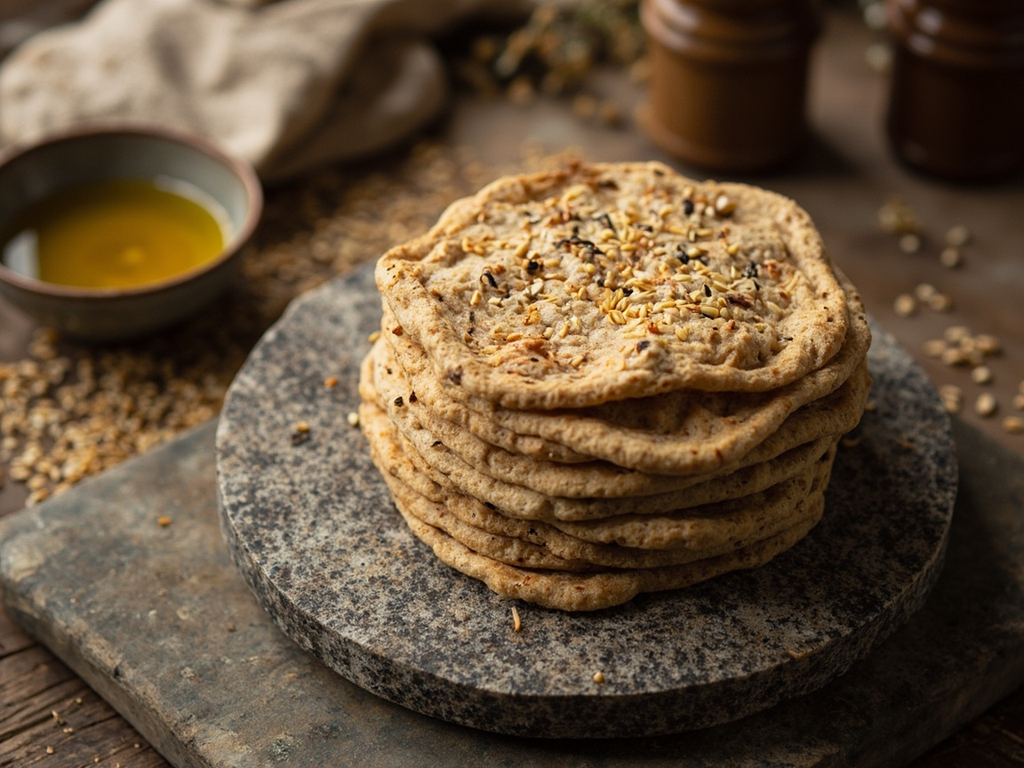
- Stack under a cloth; serve warm to scoop up stews.
How it was made : Barley (jow) was the dominant grain of ancient Iran, more resilient than wheat on the high plateaus. These flatbreads were baked on heated stones or against the walls of a pit oven, without mold or dish — the flatbread IS the plate.
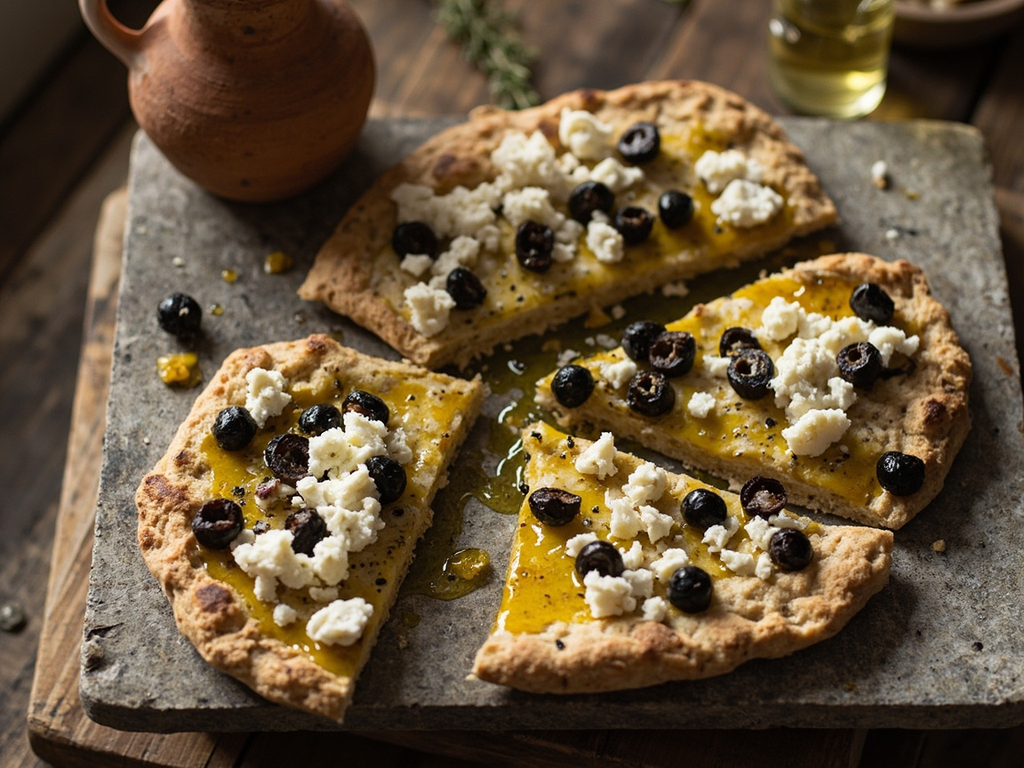
The contemporary twist : Sprinkle with nigella seeds and sumac before baking for a tangy touch and arrange in a fan on a slate board.
Cyrus II · Charactorium