 flip
flipIpocrasso, spiced wine of the credenza
Ipocrasso, spiced wine of the credenza
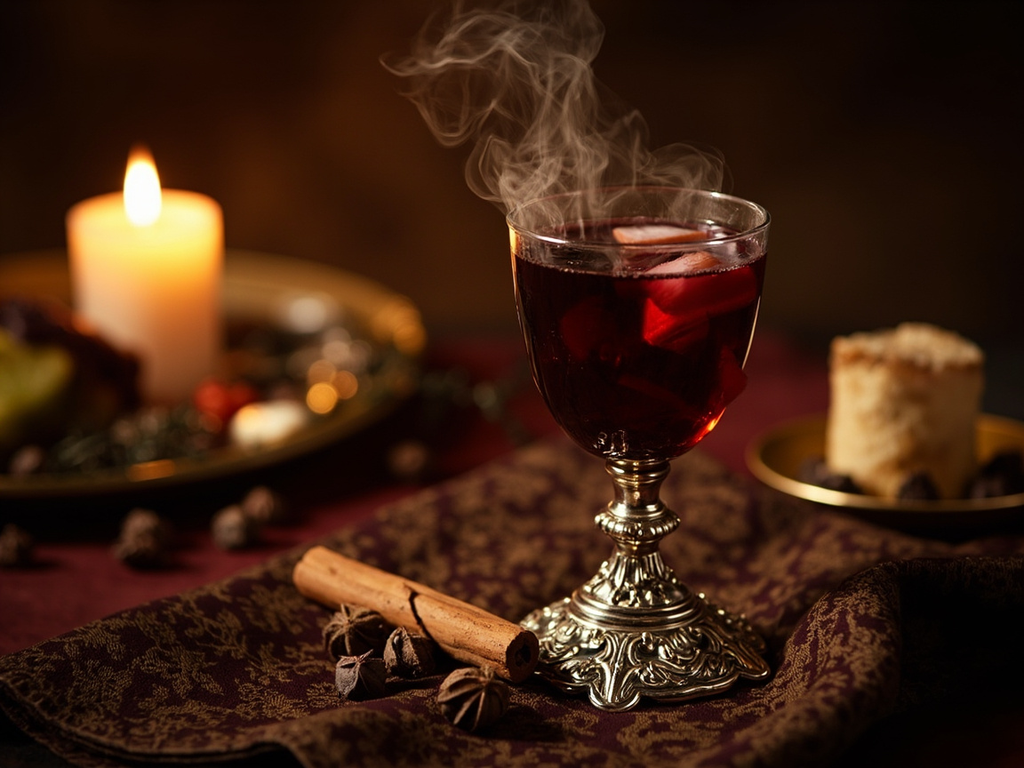
Why this dish? A silk merchant, Francesco frequented the great trade in spices and sugar. At the end of a banquet, from the credenza was presented this clarified, sweetened, spiced wine, served with confections: a luxury that showcased the very goods the merchant city lived on.
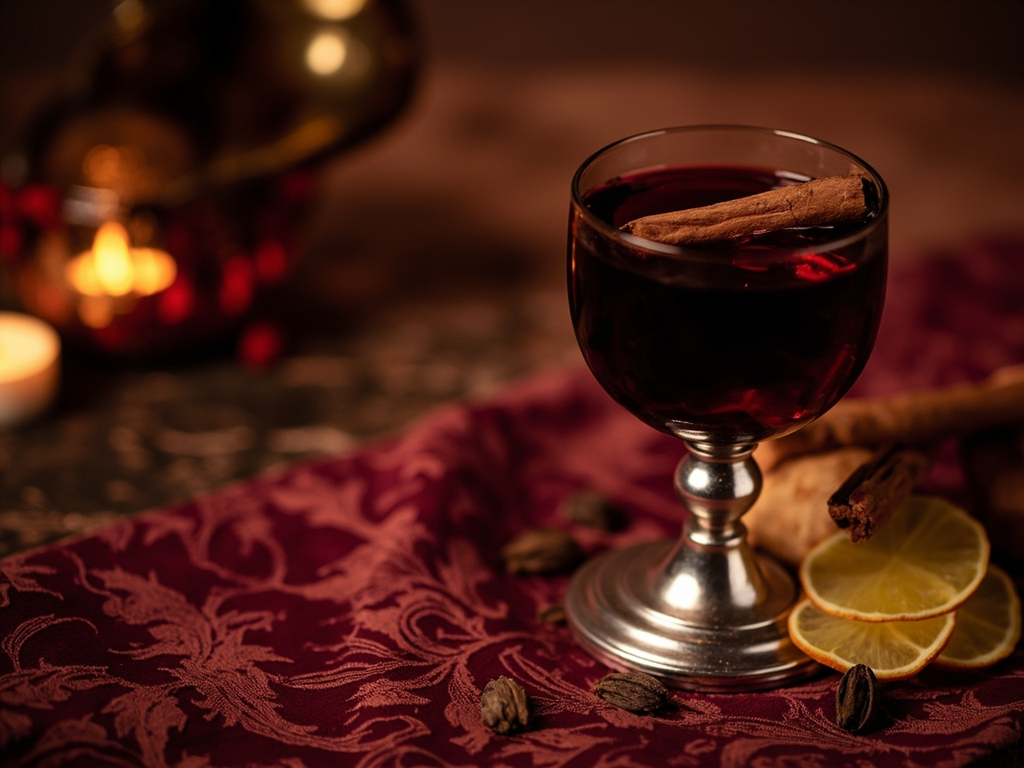
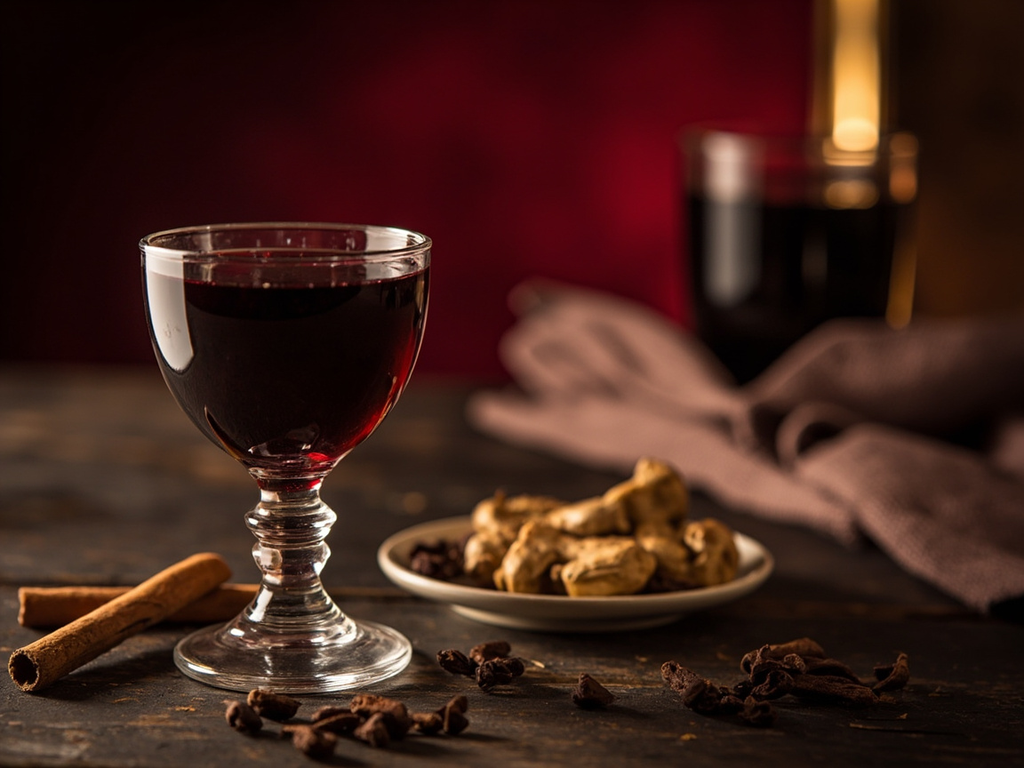
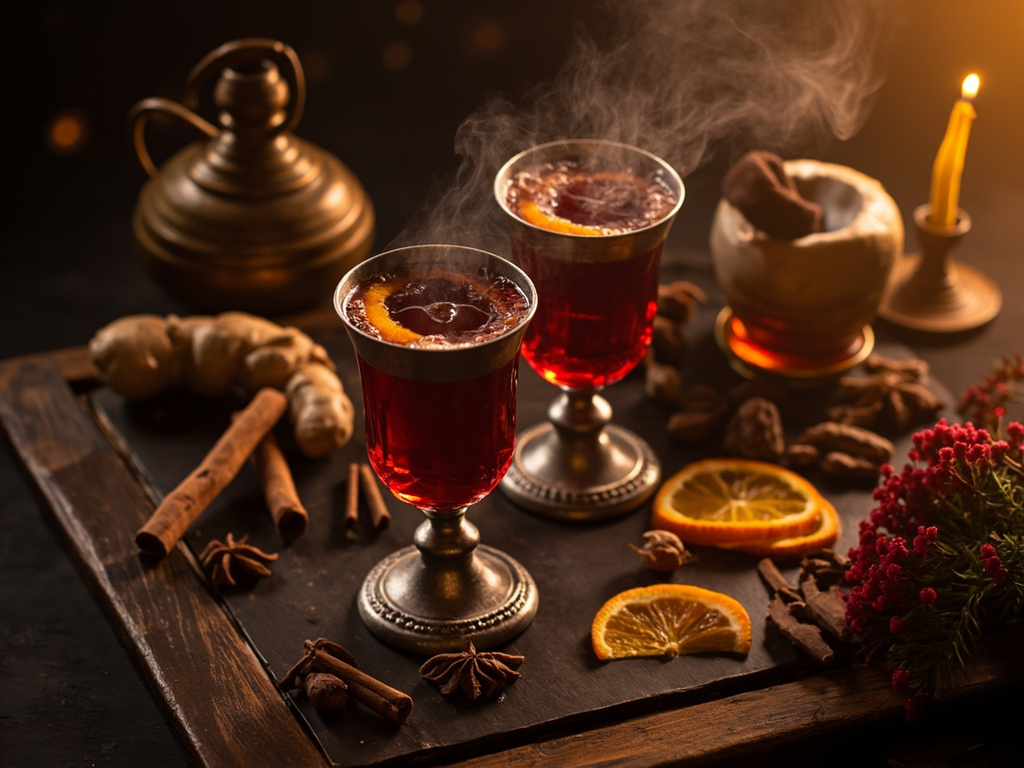
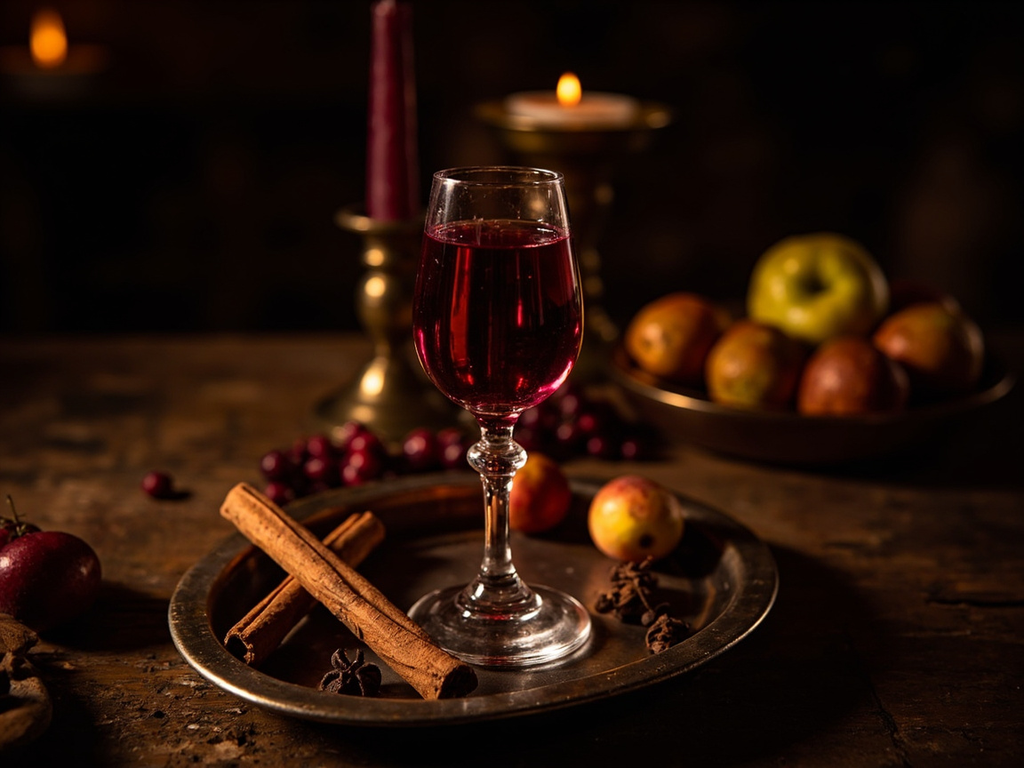
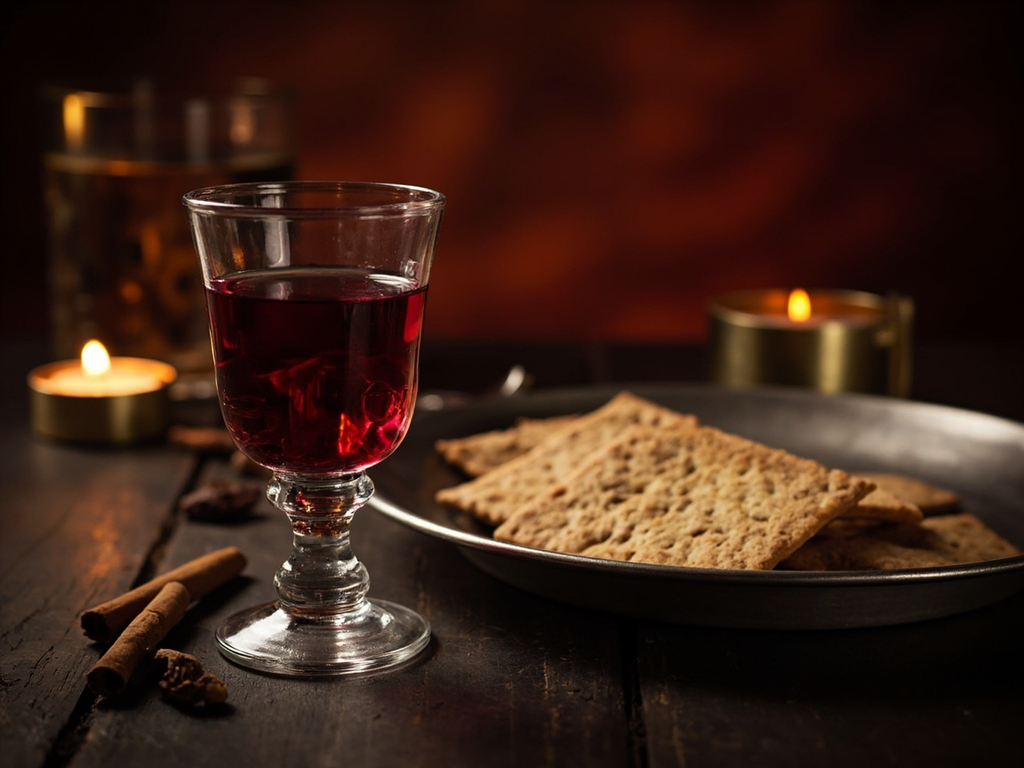
Good Tuscan wine sweetened with sugar and honey, long infused with cinnamon, ginger, cloves, and grains of paradise, then clarified through a wool filter. A dessert wine served warm or chilled, emblem of mercantile refinement.
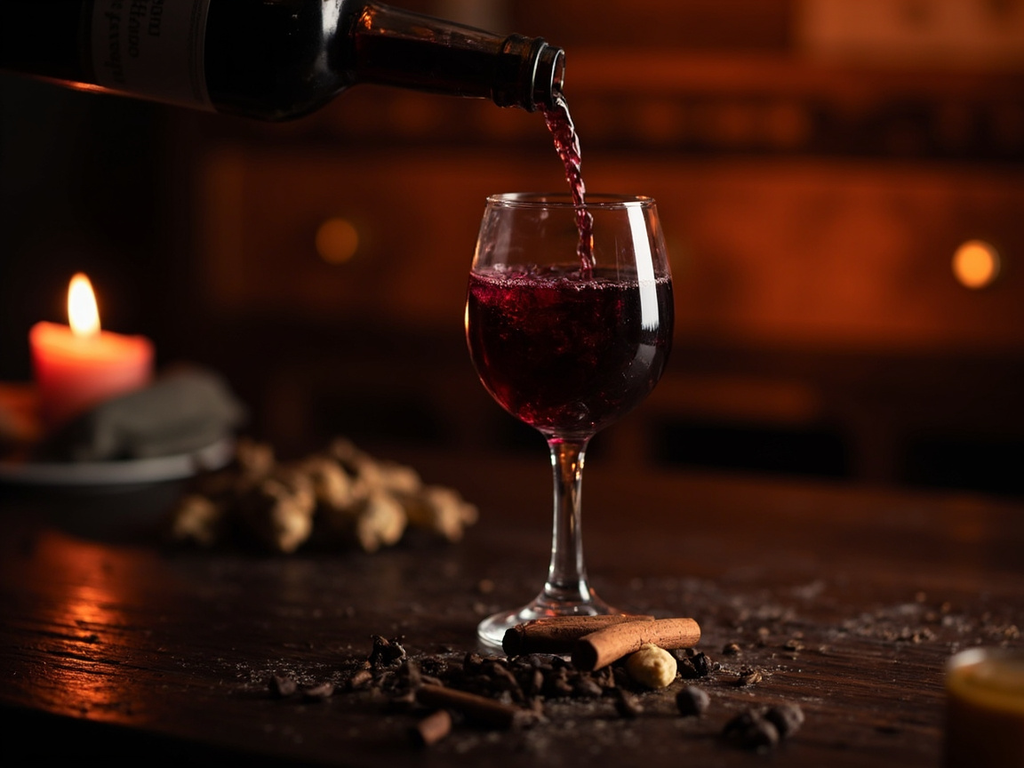
To close a meal with dignity, nothing beats ipocrasso. Take our Tuscan wine, dissolve sugar and a little honey in it, throw in cinnamon, ginger, clove, and grains of paradise, then let the spices converse with the wine overnight. Pass it through the cloth sleeve until it is clear as ruby. Served with confetti, it warms the humor and pleasantly loosens the guests' tongues.
- •Tuscan red wine — a pitcher (base)
- •Cane sugar and honey — to taste (sweetness)
- •Cinnamon — 1 stick (master spice)
- •Ginger — a piece (spice)
- •Cloves — a few (spice)
- •Grains of paradise (melegueta pepper) — a pinch (pungent period spice)
Ipocrasso, spiced wine of the credenza
Good Tuscan wine sweetened with sugar and honey, long infused with cinnamon, ginger, cloves, and grains of paradise, then clarified through a wool filter. A dessert wine served warm or chilled, emblem of mercantile refinement.
Why this dish? A silk merchant, Francesco frequented the great trade in spices and sugar. At the end of a banquet, from the credenza was presented this clarified, sweetened, spiced wine, served with confections: a luxury that showcased the very goods the merchant city lived on.
To close a meal with dignity, nothing beats ipocrasso. Take our Tuscan wine, dissolve sugar and a little honey in it, throw in cinnamon, ginger, clove, and grains of paradise, then let the spices converse with the wine overnight. Pass it through the cloth sleeve until it is clear as ruby. Served with confetti, it warms the humor and pleasantly loosens the guests' tongues.
Ingredients (period version)
- Tuscan red wine — a pitcher (base)
- Cane sugar and honey — to taste (sweetness)
- Cinnamon — 1 stick (master spice)
- Ginger — a piece (spice)
- Cloves — a few (spice)
- Grains of paradise (melegueta pepper) — a pinch (pungent period spice)
Ingredients
- Full-bodied red wine (Chianti or Sangiovese) — 75 cl (base)
- Sugar — 80 g (sweetness)
- Honey — 1 tbsp (sweetness)
- Cinnamon — 1 stick (master spice)
- Fresh ginger — 3 slices (spice)
- Cloves — 4 (spice)
- Grains of paradise or long pepper — 1 pinch (pungent spice)
Method
- Combine the wine, sugar, and honey in a container; stir to dissolve.
- Lightly crush the spices and add to the wine.
- Infuse cold for several hours, ideally overnight (do not boil, to preserve aromas).
- Filter carefully through a fine cloth (the "Hippocratic sleeve") until the wine is clear.
- Serve chilled or slightly warmed, in small cups, with biscuits or candied fruits.
How it was made : Hypocras (ipocrasso) takes its name from the "manica d'Ippocrate," the conical wool filter that clarified it. A luxury drink throughout medieval and Renaissance Europe, it displayed the host's wealth through the abundance of imported sugar and spices. It was served at the pospasto, closing the meal, from the cold buffet of the credenza.
The contemporary twist : Summer version: served very cold over ice in a stemmed glass, with a strip of bitter orange zest — a citrus well known in period Italy.
Sources : Le Ménagier de Paris (14th c.) · Bartolomeo Scappi, Opera (1570)
Francesco del Giocondo · Charactorium