 flip
flipNavigators' Wedang Rempah
Navigators' Wedang Rempah
Why this dish? The Javanese jong fleets of Majapahit sailed the seas of Nusantara. Gajah Mada's sailors and soldiers carried ginger, long pepper, and palm sugar to prepare invigorating hot drinks on board — both a remedy for seasickness and comfort during crossings to Bali, Sumatra, or the Moluccas.
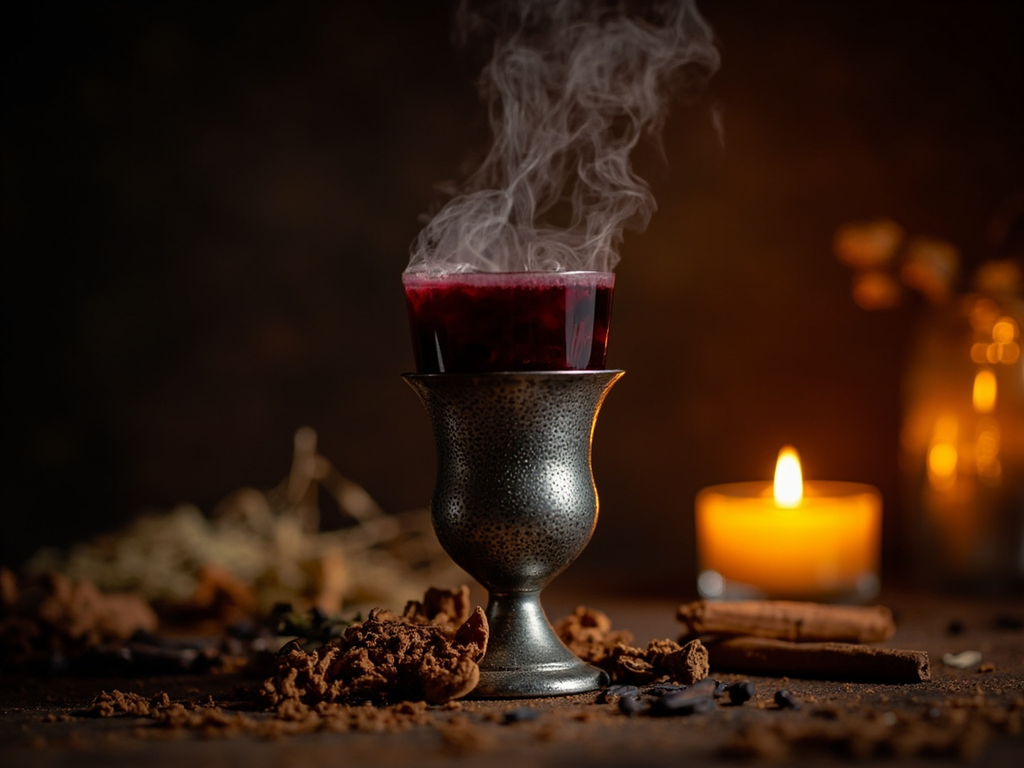
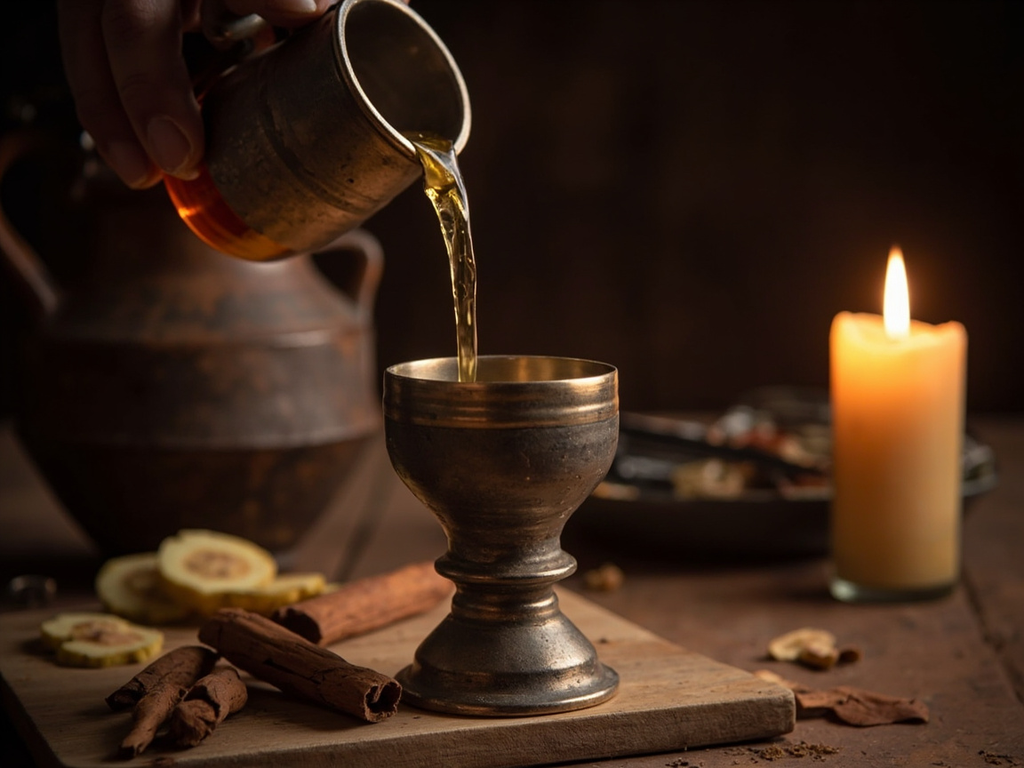
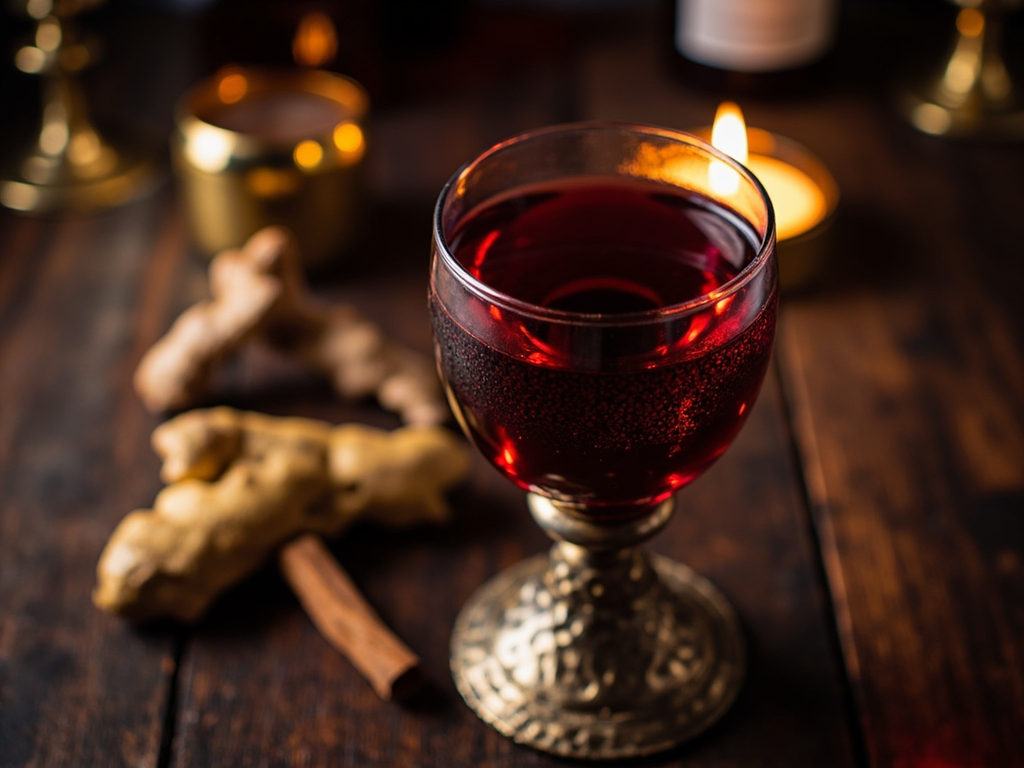
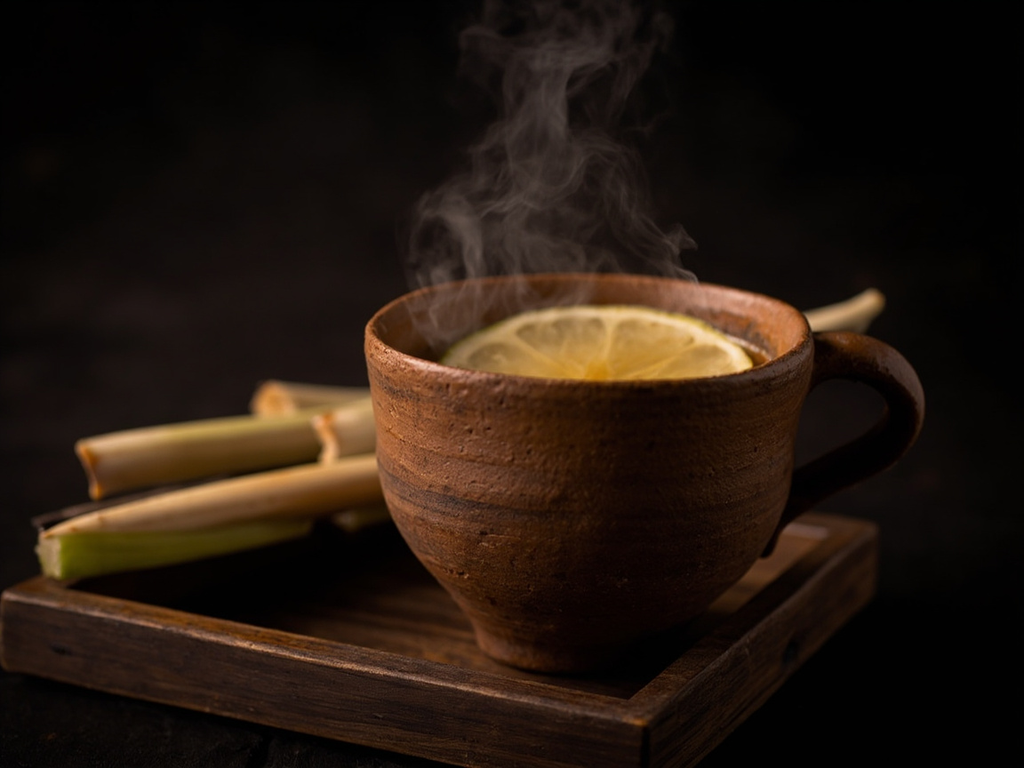
Hot decoction of fresh ginger, long pepper, and palm sugar, perfumed with lemongrass. A warming and digestive drink served in earthenware bowls, enjoyed by sailors and courtiers alike.
On the jongs that carry my warriors to the rebel islands, the cold of the night at sea seizes the bones despite the day's heat. My steward boils the jahe with the long pepper in collected rainwater, sweetens it with gula, and throws in a stalk of sereh. Each man receives his bowl before the night watch. He who has a warm belly keeps a clear mind — and a Bhayangkara with a clear mind is worth ten ordinary soldiers.
- •Fresh ginger (jahe) — a large piece (warming base)
- •Javanese long pepper (cabe jawa) — a few grains (pungent heat)
- •Lemongrass (sereh) — one stalk (citrus freshness)
- •Palm sugar — a piece (sweetness)
- •Water — enough to fill a pot (liquid base)
Navigators' Wedang Rempah
Hot decoction of fresh ginger, long pepper, and palm sugar, perfumed with lemongrass. A warming and digestive drink served in earthenware bowls, enjoyed by sailors and courtiers alike.
Why this dish? The Javanese jong fleets of Majapahit sailed the seas of Nusantara. Gajah Mada's sailors and soldiers carried ginger, long pepper, and palm sugar to prepare invigorating hot drinks on board — both a remedy for seasickness and comfort during crossings to Bali, Sumatra, or the Moluccas.
On the jongs that carry my warriors to the rebel islands, the cold of the night at sea seizes the bones despite the day's heat. My steward boils the jahe with the long pepper in collected rainwater, sweetens it with gula, and throws in a stalk of sereh. Each man receives his bowl before the night watch. He who has a warm belly keeps a clear mind — and a Bhayangkara with a clear mind is worth ten ordinary soldiers.
Ingredients (period version)
- Fresh ginger (jahe) — a large piece (warming base)
- Javanese long pepper (cabe jawa) — a few grains (pungent heat)
- Lemongrass (sereh) — one stalk (citrus freshness)
- Palm sugar — a piece (sweetness)
- Water — enough to fill a pot (liquid base)
Ingredients
- Fresh ginger — 80 g (about 8 cm) (base)
- Long pepper (or black peppercorns) — 1 tsp (heat)
- Lemongrass — 1 stalk, crushed (fragrance)
- Palm sugar (or brown sugar) — 40 g (sweetness)
- Water — 750 ml (base)
Method
- Peel the ginger and lightly crush it with the flat of a knife or a pestle to release the juices.
- Coarsely crush the long pepper (or black pepper) grains. Crush the lemongrass stalk.
- Bring the water to a boil in a pot. Add the crushed ginger, pepper, and lemongrass.
- Reduce heat and let simmer, covered, for 15 minutes.
- Add the grated palm sugar, stir until dissolved.
- Strain into cups or bowls. Serve very hot.
How it was made : Wedang jahe (ginger drink) is a long-established preparation in the archipelago. Long pepper (Piper retrofractum), native to Java, was traded long before black pepper and was among the most valuable spices in Majapahit commerce. Ginger, originally from Southeast Asia, was used both as food and as a remedy in traditional Javanese medicine (jamu).
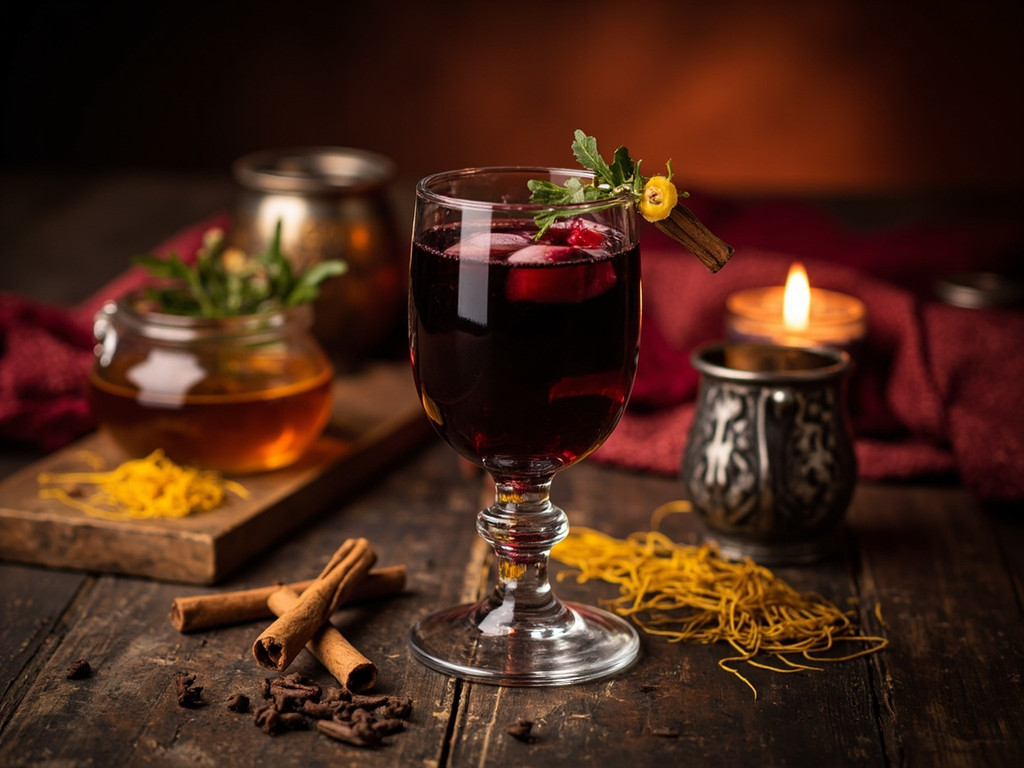
The contemporary twist : Serve in small clear glasses to appreciate the amber color, with a thin slice of ginger as garnish and a lemongrass stalk as a stirrer.
Sources : Anthony Reid, Southeast Asia in the Age of Commerce, 1450–1680, Yale University Press, 1988 (vol. 1, ch. on food and spice trade) · Paul Freedman, Out of the East: Spices and the Medieval Imagination, Yale University Press, 2008
Gajah Mada · Charactorium