 flip
flipPane Carasau, the Bread of Sardinian Shepherds
Pane Carasau, the Bread of Sardinian Shepherds
Why this dish? Garibaldi ended his life on the island of Caprera, off Sardinia, where he died in 1882. Pane carasau, this flat, crispy bread baked twice to keep for months, is the bread of Sardinian shepherds and sailors — perfect for a man torn between land, sea, and long campaigns.
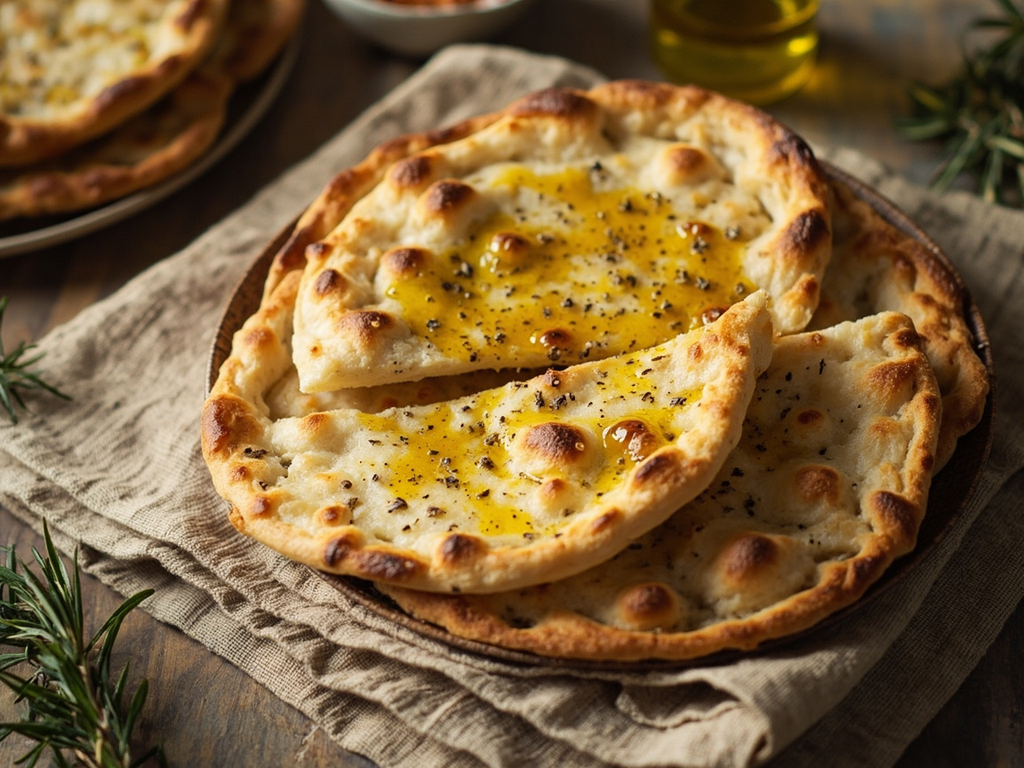
A very thin sheet of bread, baked twice until brittle and golden. Light, salty, it keeps for months without going stale: Sardinia's travel bread.
Here, break off a piece — listen how it sings under your fingers, they call it 'carta da musica', music paper! The shepherds bake it twice so it lasts months in the knapsack, and the sailor takes it without fear of mold. A drizzle of my oil, a pinch of salt, and there is enough to sustain a day's labor. On my island, this is the bread that accompanies every meal: sober and faithful, as befits an old soldier.
- •Durum wheat flour (fine semolina) — several handfuls (base)
- •Water — as needed (dough)
- •Sourdough starter — a little (fermentation)
- •Salt — a pinch (flavor and preservation)
Pane Carasau, the Bread of Sardinian Shepherds
A very thin sheet of bread, baked twice until brittle and golden. Light, salty, it keeps for months without going stale: Sardinia's travel bread.
Why this dish? Garibaldi ended his life on the island of Caprera, off Sardinia, where he died in 1882. Pane carasau, this flat, crispy bread baked twice to keep for months, is the bread of Sardinian shepherds and sailors — perfect for a man torn between land, sea, and long campaigns.
Here, break off a piece — listen how it sings under your fingers, they call it 'carta da musica', music paper! The shepherds bake it twice so it lasts months in the knapsack, and the sailor takes it without fear of mold. A drizzle of my oil, a pinch of salt, and there is enough to sustain a day's labor. On my island, this is the bread that accompanies every meal: sober and faithful, as befits an old soldier.
Ingredients (period version)
- Durum wheat flour (fine semolina) — several handfuls (base)
- Water — as needed (dough)
- Sourdough starter — a little (fermentation)
- Salt — a pinch (flavor and preservation)
Ingredients
- Fine durum wheat semolina — 300 g (base)
- All-purpose flour (T65) — 100 g (flexibility)
- Warm water — 230 ml (dough)
- Active dry yeast — 5 g (leavening)
- Salt — 8 g (flavor)
Method
- Mix semolina, flour, salt, yeast, and warm water; knead into a smooth dough; let rise 1 h.
- Divide into small balls, roll EACH ball as thinly as possible into large disks.
- Bake each disk in a very hot oven (250 °C): it puffs like a balloon in 2-3 min.
- Remove, carefully separate the puffed disk into two sheets (the key step for carasau).
- Return the sheets to the oven for 1-2 min to dry them and make them brittle (the double baking, 'carasare'). Store in a cloth.
How it was made : Pane carasau dates back to ancient Sardinia: its double baking completely dehydrates it, allowing it to keep for months without mold. It was the bread of transhumant shepherds away from the village for long periods, and the bread taken aboard ships.
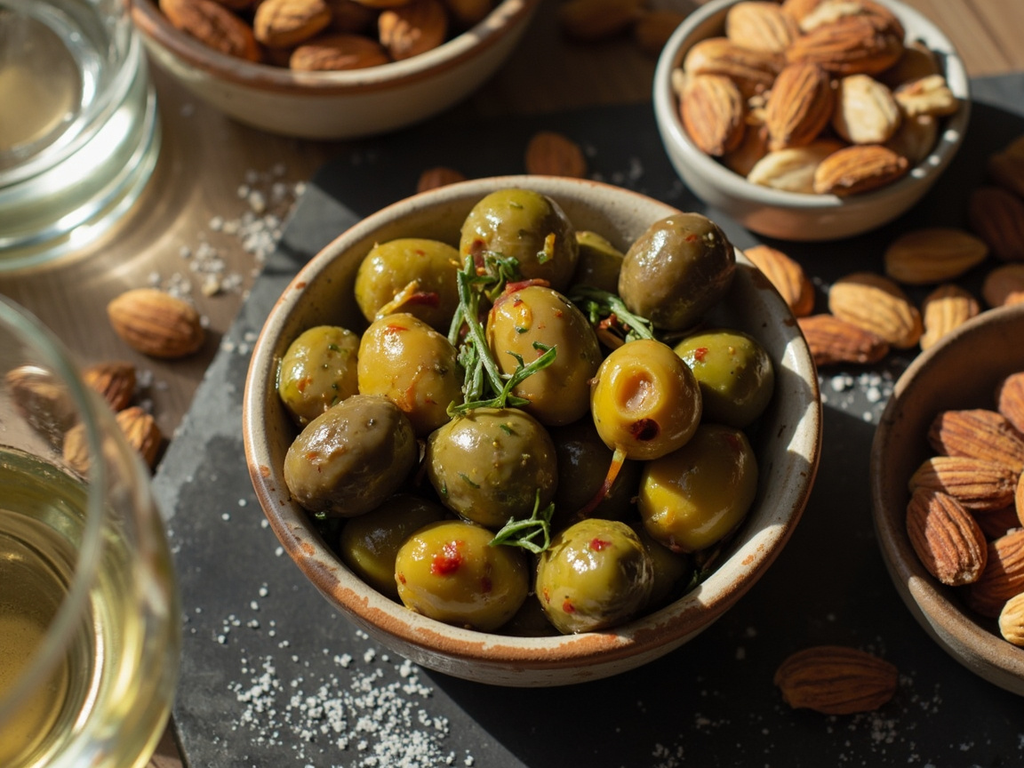
The contemporary twist : Broken into shards and passed in the oven for a minute with olive oil, rosemary, and salt (pane guttiau), it becomes an irresistible modern crispy appetizer.
Giuseppe Garibaldi · Charactorium