 flip
flipHamam Mahchi, Pigeons Stuffed with Freekeh for Reception Evenings
Hamam Mahchi, Pigeons Stuffed with Freekeh for Reception Evenings
Why this dish? Carter entertained colleagues and distinguished visitors at his dig house, relishing the exchange of ideas. The stuffed pigeon, a dish of honor in Egyptian cuisine, is exactly what an attentive host would have prepared to treat an important guest such as Lord Carnarvon.
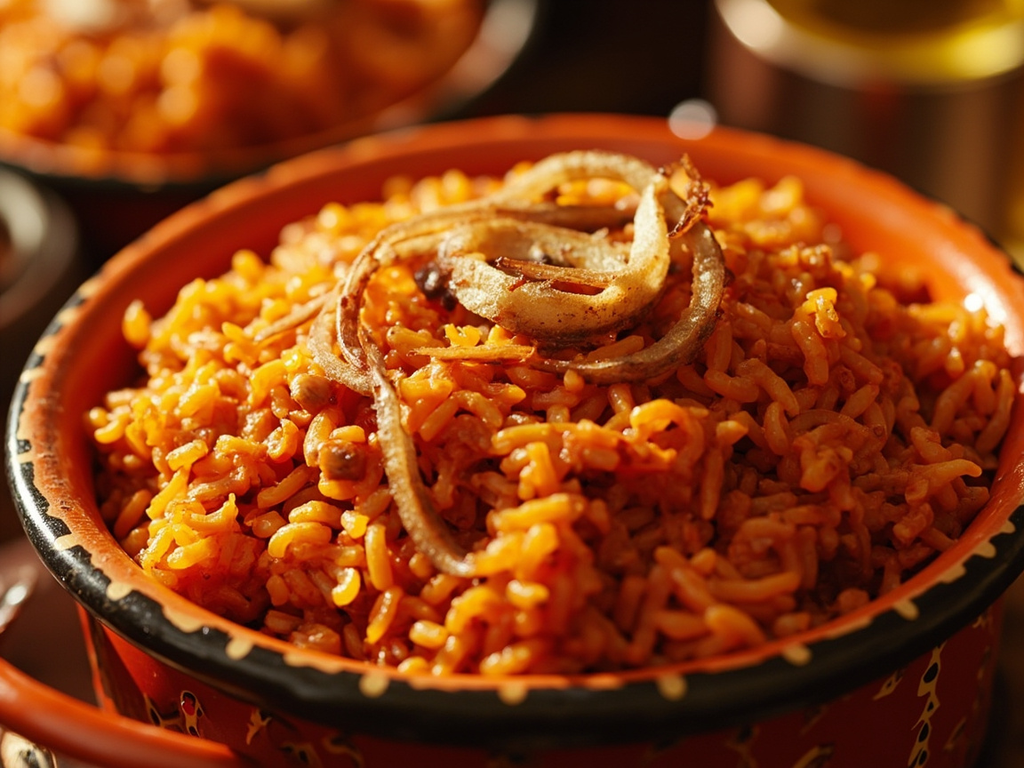
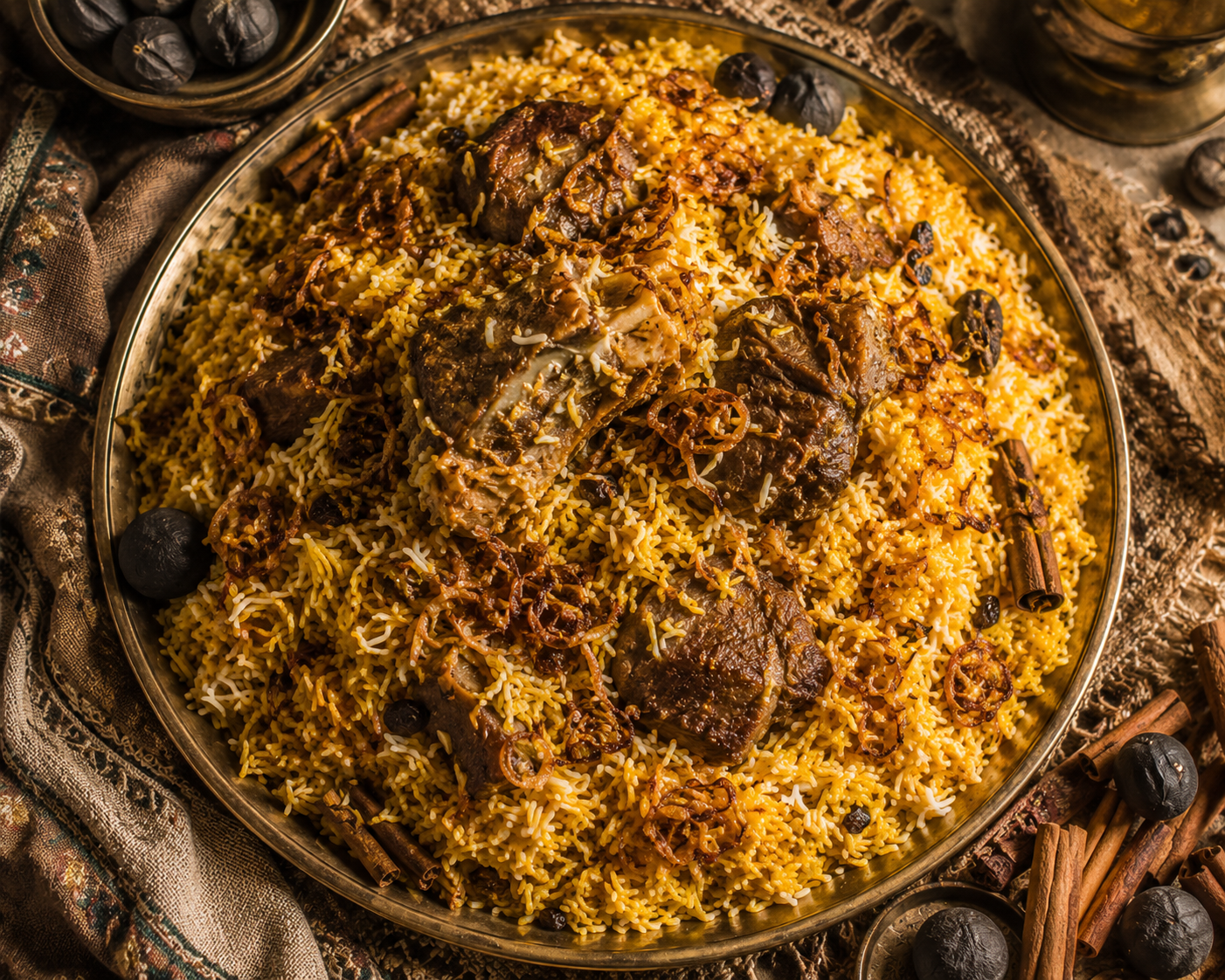
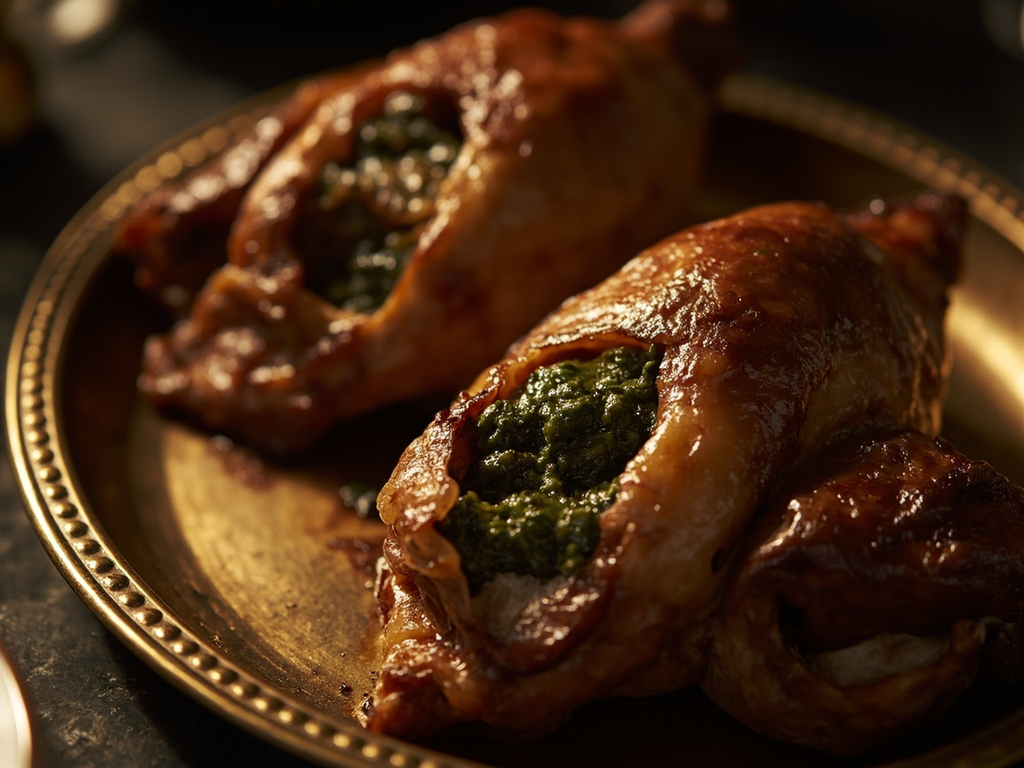
Small golden pigeons, stuffed with smoked green wheat (freekeh) plumped in broth and scented with warm spices, then roasted until the skin crackles. A prestigious, fragrant, melting dish you pull apart with your fingers.
When Lord Carnarvon or some scholar from Cairo honored my table, I had these pigeons prepared — the hamam, glory of the kitchens here. My cook would stuff them with a smoked green wheat, freekeh, which he perfumed with cinnamon and those spices with which the merchants of Luxor crowd their stalls. They were roasted until the skin sang under the tooth. Believe me, after a day spent nose-deep in the dust of tombs, seeing this steaming dish arrive under the veranda was worth all the honors of London.
- •Pigeons — one per guest (centerpiece)
- •Freekeh (smoked green wheat) — a good measure (stuffing)
- •Onion — one, sliced (stuffing aromatic)
- •Clarified butter (samna) — as needed (cooking and richness)
- •Cinnamon, cardamom, pepper — a pinch of each (warm spices)
- •Chicken broth — enough (to plump the grain)
- •Salt — to taste (seasoning)
Hamam Mahchi, Pigeons Stuffed with Freekeh for Reception Evenings
Small golden pigeons, stuffed with smoked green wheat (freekeh) plumped in broth and scented with warm spices, then roasted until the skin crackles. A prestigious, fragrant, melting dish you pull apart with your fingers.
Why this dish? Carter entertained colleagues and distinguished visitors at his dig house, relishing the exchange of ideas. The stuffed pigeon, a dish of honor in Egyptian cuisine, is exactly what an attentive host would have prepared to treat an important guest such as Lord Carnarvon.
When Lord Carnarvon or some scholar from Cairo honored my table, I had these pigeons prepared — the hamam, glory of the kitchens here. My cook would stuff them with a smoked green wheat, freekeh, which he perfumed with cinnamon and those spices with which the merchants of Luxor crowd their stalls. They were roasted until the skin sang under the tooth. Believe me, after a day spent nose-deep in the dust of tombs, seeing this steaming dish arrive under the veranda was worth all the honors of London.
Ingredients (period version)
- Pigeons — one per guest (centerpiece)
- Freekeh (smoked green wheat) — a good measure (stuffing)
- Onion — one, sliced (stuffing aromatic)
- Clarified butter (samna) — as needed (cooking and richness)
- Cinnamon, cardamom, pepper — a pinch of each (warm spices)
- Chicken broth — enough (to plump the grain)
- Salt — to taste (seasoning)
Ingredients
- Pigeons (or small quail, 2 per person) — 4 (centerpiece)
- Freekeh — 200 g (stuffing)
- Onion — 1, sliced (aromatic)
- Clarified butter or butter — 60 g (richness)
- Cinnamon — 1/2 tsp (spice)
- Ground cardamom — 1/4 tsp (spice)
- Chicken broth — 500 ml (cooking freekeh)
- Salt and pepper — to taste (seasoning)
Method
- Rinse the freekeh. Sweat the onion in butter, add freekeh, spices, and a little broth; cook covered until the grain is tender but still firm. Season with salt.
- Stuff each pigeon with warm freekeh (do not pack tightly), close the cavity.
- Brown the pigeons on all sides in clarified butter.
- Place them in a dish, drizzle with melted butter, and roast at 190°C for about 35–45 minutes, basting occasionally, until the skin is crispy.
- Serve the remaining freekeh around the pigeons and let each guest pull apart their pigeon by hand.
How it was made : Squab has been raised in Egypt since antiquity in high mud-brick towers, the dovecotes that still stand in Nile villages. A prestige dish reserved for special occasions, it was traditionally stuffed with freekeh or rice (depending on region and period) and cooked in the village oven or in an earthenware dish buried in embers.
The contemporary twist : Present each pigeon on a small bed of freekeh, with a gold leaf placed on the breast — a nod to the gold mask of Tutankhamun that Carter was the first to behold.
Sources : Claudia Roden, A Book of Middle Eastern Food, 1968 · T. G. H. James, Howard Carter: The Path to Tutankhamun, 1992
Howard Carter · Charactorium