 flip
flipFennel, Lemon Balm, and Anise Infusion for the Stomach
Fennel, Lemon Balm, and Anise Infusion for the Stomach
Why this dish? Calvin suffered all his life from stomach ailments and difficult digestion, to the point of eating only one meal a day. Carminative herbal infusions (fennel, anise, lemon balm) were part of the Renaissance domestic pharmacopoeia to soothe these troubles: here is the comforting drink that a man with a fragile stomach would have had after his frugal dinner.
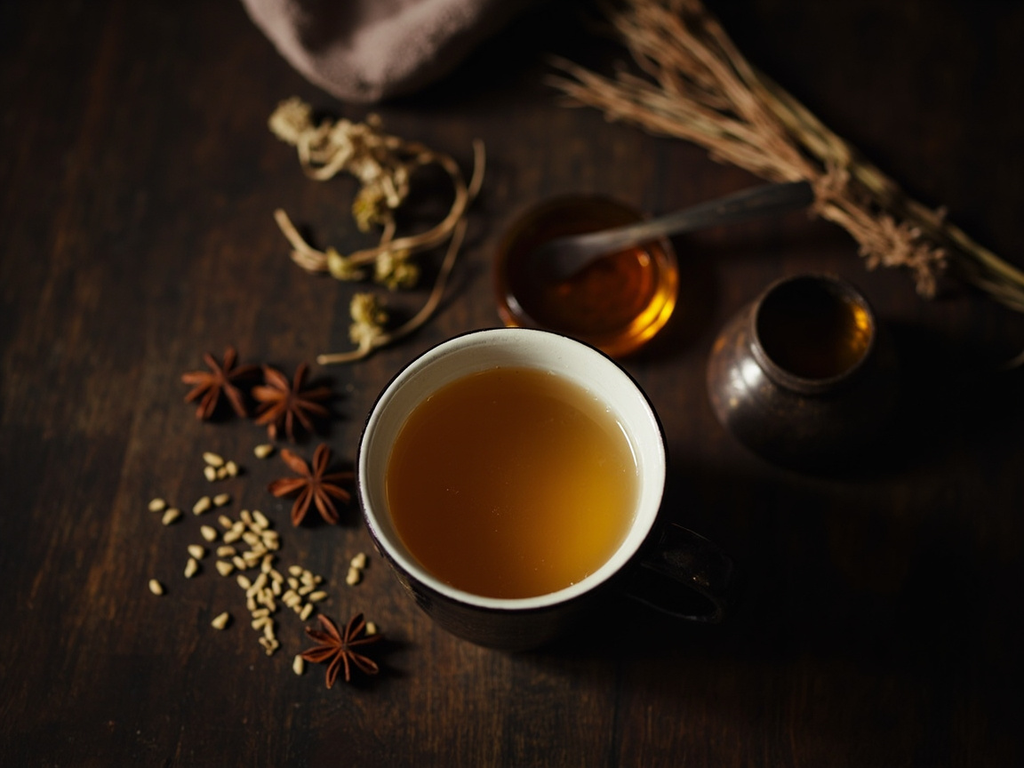
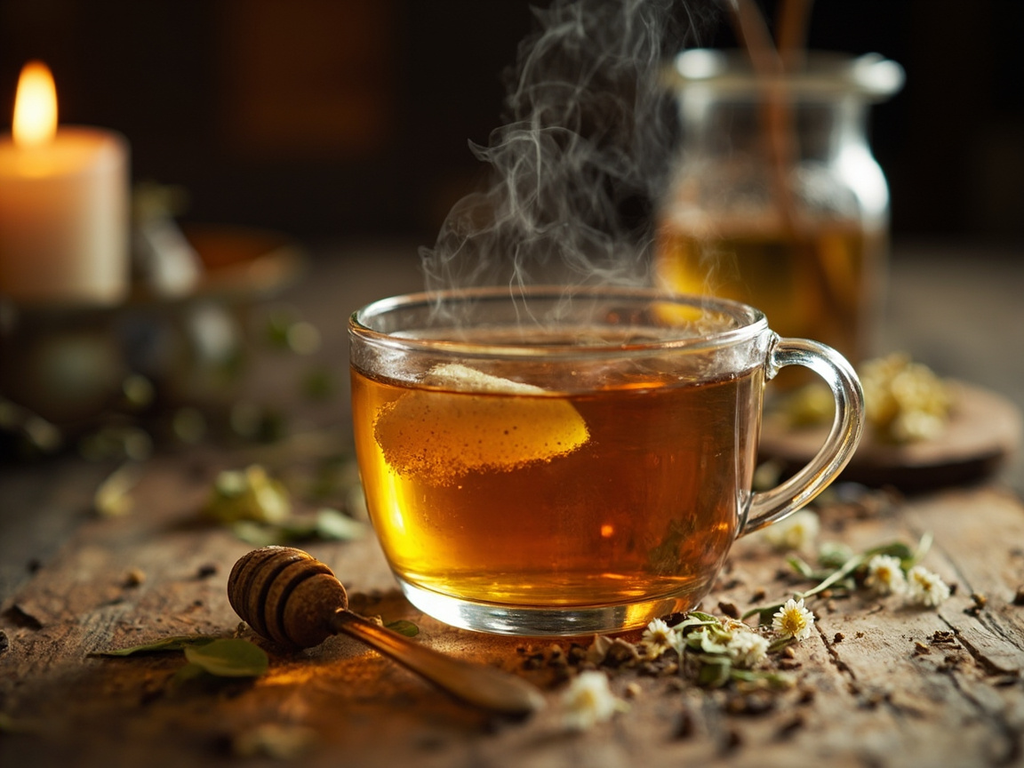
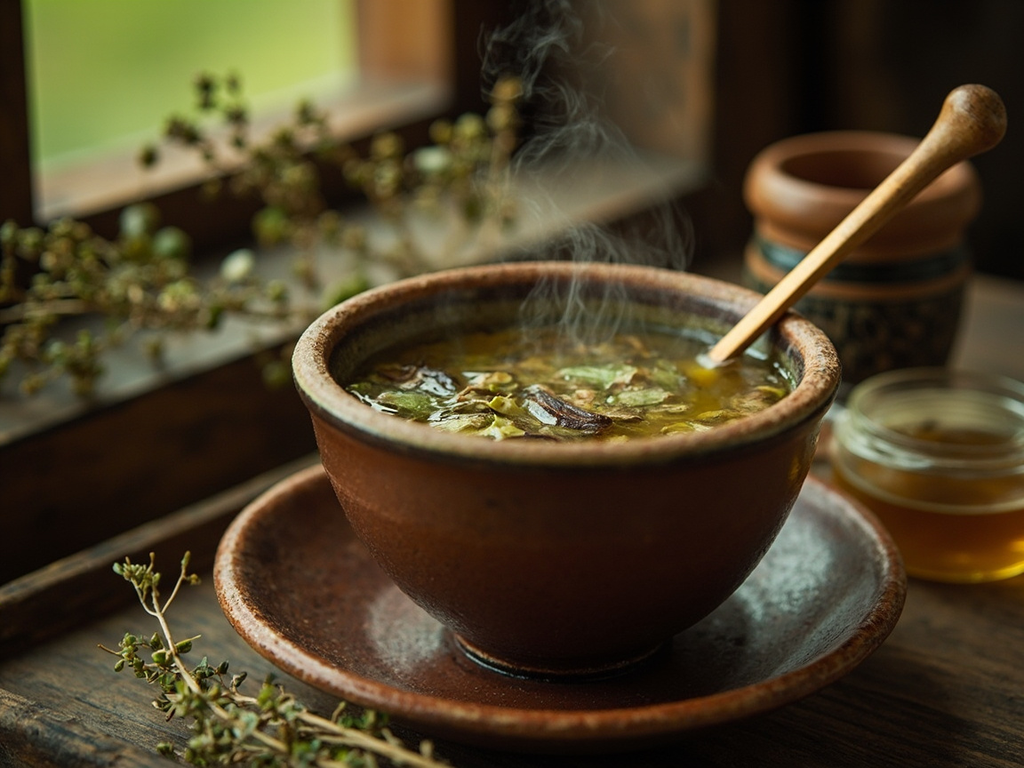
A warm, soothing infusion of fennel and anise seeds and lemon balm leaves, barely sweetened with a touch of honey, sipped slowly to relieve a knotted stomach.
My body has long been a burden to me, and my stomach more rebellious still than the spirits I had to correct. So, come evening, I infuse in boiling water the seed of fennel, that of anise, and lemon balm gathered from the garden, which calm the winds and soften the torments of the belly. I add barely a little honey, for illness is no reason to abandon oneself to sweetness. Drink it hot and in small sips: God gives us the herbs of the earth to support our weaknesses, not for our pleasure.
- •Fennel seeds — a pinch (carminative)
- •Green anise seeds — a pinch (digestive)
- •Lemon balm leaves — a few (soothing)
- •Honey — a touch (sweetener)
- •Spring water — a cup (base)
Fennel, Lemon Balm, and Anise Infusion for the Stomach
A warm, soothing infusion of fennel and anise seeds and lemon balm leaves, barely sweetened with a touch of honey, sipped slowly to relieve a knotted stomach.
Why this dish? Calvin suffered all his life from stomach ailments and difficult digestion, to the point of eating only one meal a day. Carminative herbal infusions (fennel, anise, lemon balm) were part of the Renaissance domestic pharmacopoeia to soothe these troubles: here is the comforting drink that a man with a fragile stomach would have had after his frugal dinner.
My body has long been a burden to me, and my stomach more rebellious still than the spirits I had to correct. So, come evening, I infuse in boiling water the seed of fennel, that of anise, and lemon balm gathered from the garden, which calm the winds and soften the torments of the belly. I add barely a little honey, for illness is no reason to abandon oneself to sweetness. Drink it hot and in small sips: God gives us the herbs of the earth to support our weaknesses, not for our pleasure.
Ingredients (period version)
- Fennel seeds — a pinch (carminative)
- Green anise seeds — a pinch (digestive)
- Lemon balm leaves — a few (soothing)
- Honey — a touch (sweetener)
- Spring water — a cup (base)
Ingredients
- Fennel seeds — 1 tsp (carminative)
- Green anise seeds — 1/2 tsp (digestive)
- Fresh lemon balm (or 1 tsp dried) — 5-6 leaves (soothing)
- Honey — 1 tsp (optional) (sweetener)
- Water — 250 ml (base)
Method
- Lightly crush the fennel and anise seeds in a mortar to release their aromas.
- Bring the water to a simmer and pour it over the seeds and lemon balm in a cup or teapot.
- Cover and steep for 7 to 10 minutes.
- Strain, add a touch of honey if desired, and drink hot, slowly, after the meal.
How it was made : Herbal waters and infusions were as much a part of cuisine as medicine in the 16th century. Fennel and anise were reputed to "chase the winds" and aid digestion; they were found in every physic garden, alongside lemon balm, called "heart herb."
The contemporary twist : Chilled and served in a tall glass with a fresh lemon balm leaf, this same infusion becomes a refreshing, sugar-free summer drink.
Jean Calvin · Charactorium