 flip
flipChampagne quince preserve
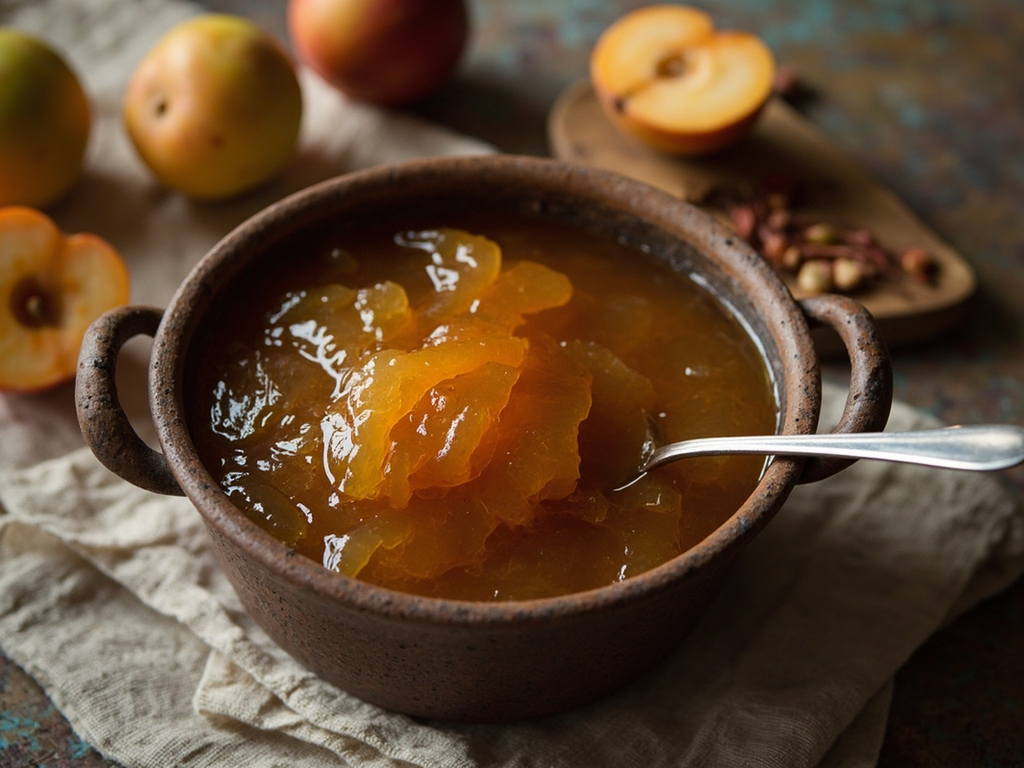
Champagne quince preserve
Why this dish? A native of Château-Thierry in Champagne, La Fontaine appreciated fruits. Quince preserve, a sweet preserve typical of his region's orchards, extended the fruit season well beyond autumn—a pantry treasure of the 17th century.
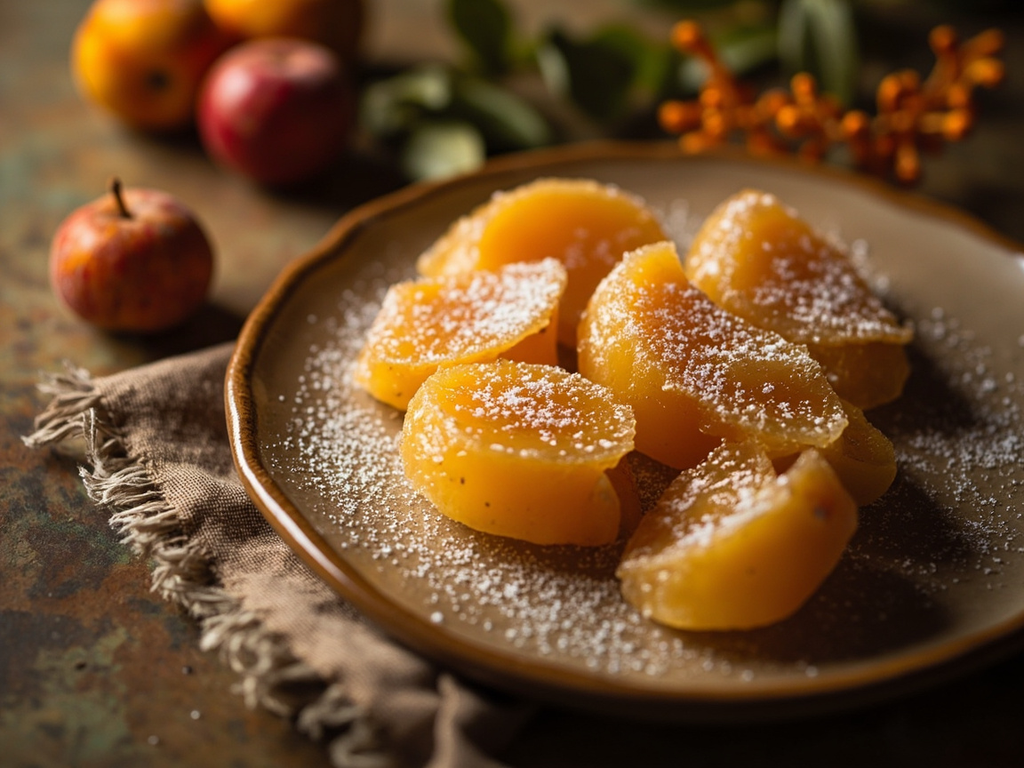
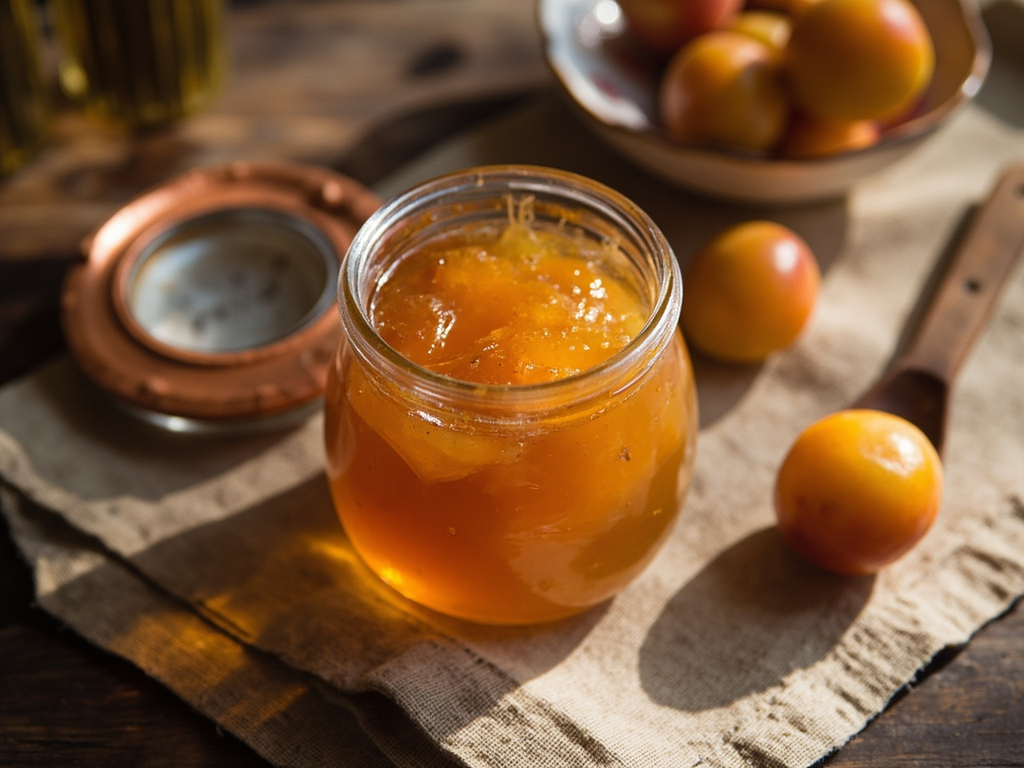
A fragrant quince paste, slow to cook, transforming an astringent fruit into translucent amber sweetness: the science of preserves, a highly prized domestic art in the Grand Siècle for preserving fruits.
The quince, you see, is like certain people: all rough at first, and wonderfully sweetened with time and sugar. In my country of Champagne, they made preserves that were kept all winter in stoneware pots. You must cook it over a low fire, without haste, until it takes on that beautiful amber color. Patience and length of time, dear reader—is that not the moral of many things, and even of a preserve?
- •Ripe quinces — a basket (fruit)
- •Sugar — equal weight to fruit (preservation)
- •Water — a little (cooking)
- •Lemon juice or verjuice — a dash (acidity)
Champagne quince preserve
A fragrant quince paste, slow to cook, transforming an astringent fruit into translucent amber sweetness: the science of preserves, a highly prized domestic art in the Grand Siècle for preserving fruits.
Why this dish? A native of Château-Thierry in Champagne, La Fontaine appreciated fruits. Quince preserve, a sweet preserve typical of his region's orchards, extended the fruit season well beyond autumn—a pantry treasure of the 17th century.
The quince, you see, is like certain people: all rough at first, and wonderfully sweetened with time and sugar. In my country of Champagne, they made preserves that were kept all winter in stoneware pots. You must cook it over a low fire, without haste, until it takes on that beautiful amber color. Patience and length of time, dear reader—is that not the moral of many things, and even of a preserve?
Ingredients (period version)
- Ripe quinces — a basket (fruit)
- Sugar — equal weight to fruit (preservation)
- Water — a little (cooking)
- Lemon juice or verjuice — a dash (acidity)
Ingredients
- Quinces — 1 kg (peeled) (fruit)
- Granulated sugar — 800 g (preservation)
- Water — 30 cl (cooking)
- Lemon juice — 1 (acidity)
Method
- Peel and quarter the quinces, remove the core (save seeds and peels in a cheesecloth bag for their pectin).
- Cook the fruit, water, and bag until the flesh is tender.
- Add sugar and lemon juice, then cook over low heat, stirring, until thickened and amber colored.
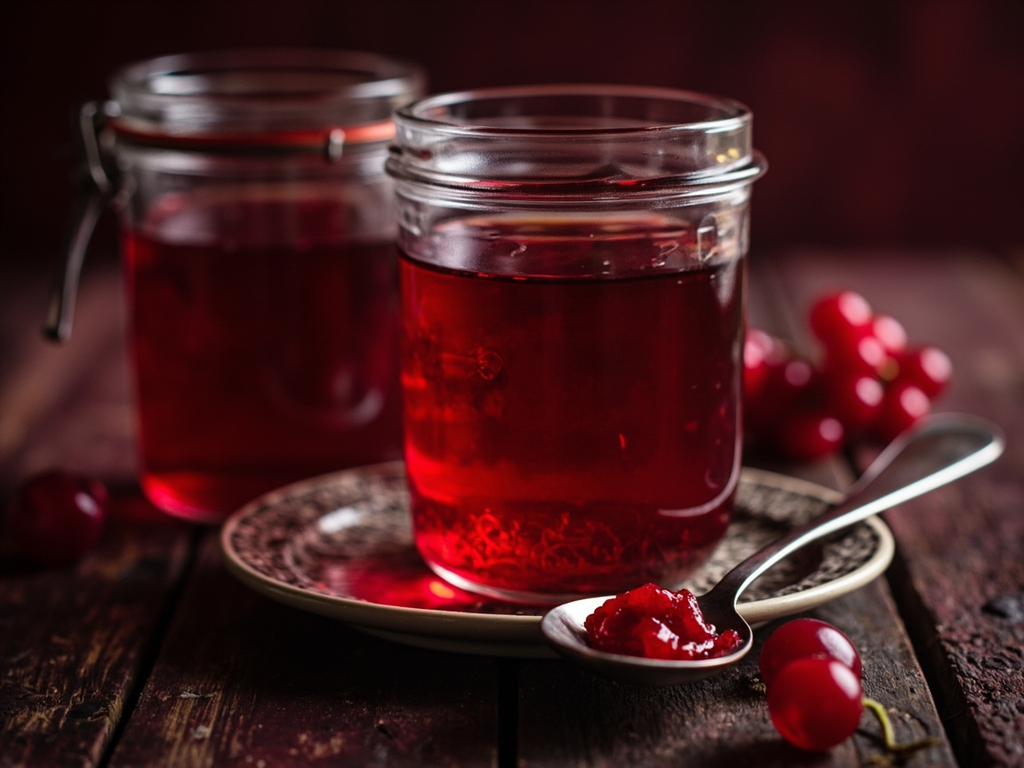
- Remove the bag, pour into scalded jars, and seal immediately for preservation.
How it was made : Making preserves, jellies, and fruit pastes was a major domestic art in the 17th century, detailed in *Le Confiturier françois*. Sugar, still costly, was used to preserve fruits for winter. Quince, rich in pectin, yielded firm pastes (cotignac) renowned especially in Orléans.
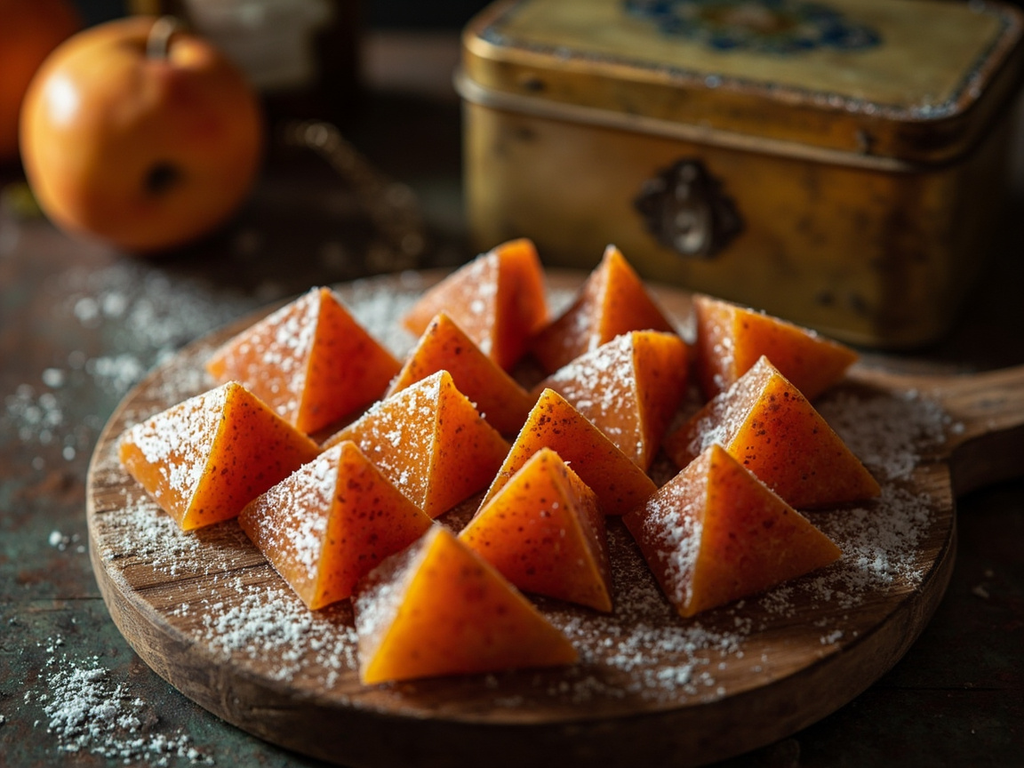
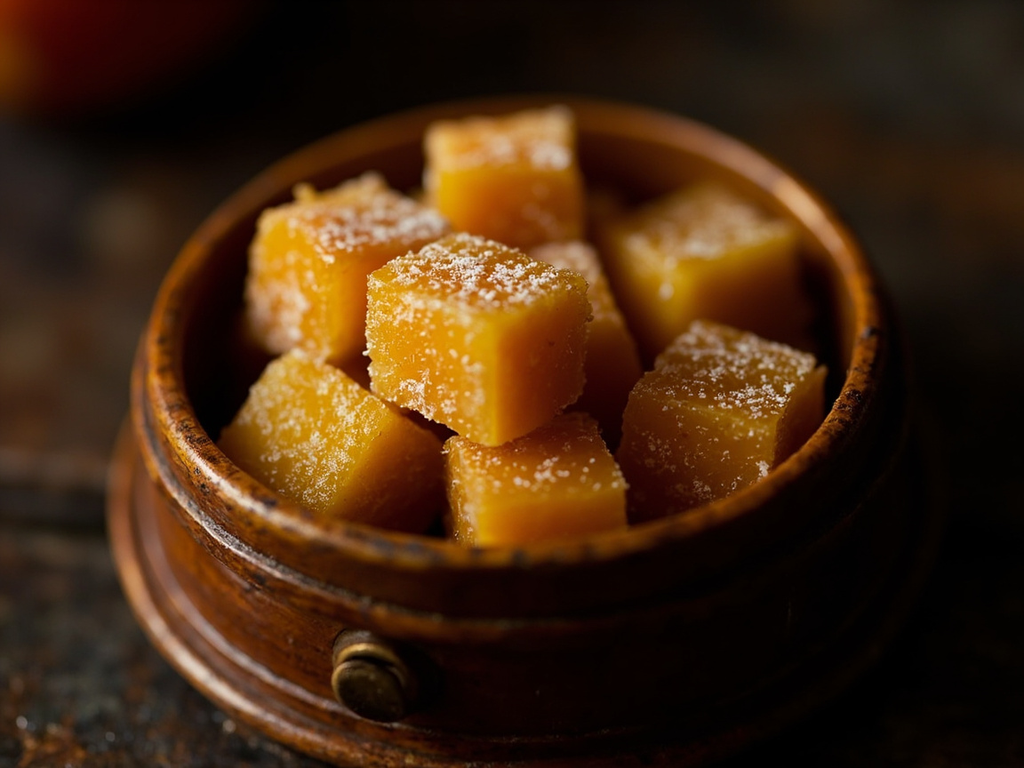
The contemporary twist : Pour the quince paste into patterned molds to make "fabulist's fruit pastes," rolled in sugar.
Jean de La Fontaine · Charactorium