 flip
flipMirabelle Plum Jam from Lorraine
Mirabelle Plum Jam from Lorraine
Why this dish? Émilie spent her last months at the court of Lunéville in Lorraine, where she died in 1749. The mirabelle, a small golden plum emblematic of the region, was preserved in winter as jam — a domestic skill that every great household mastered to garnish 'the fruit' at the end of the meal.
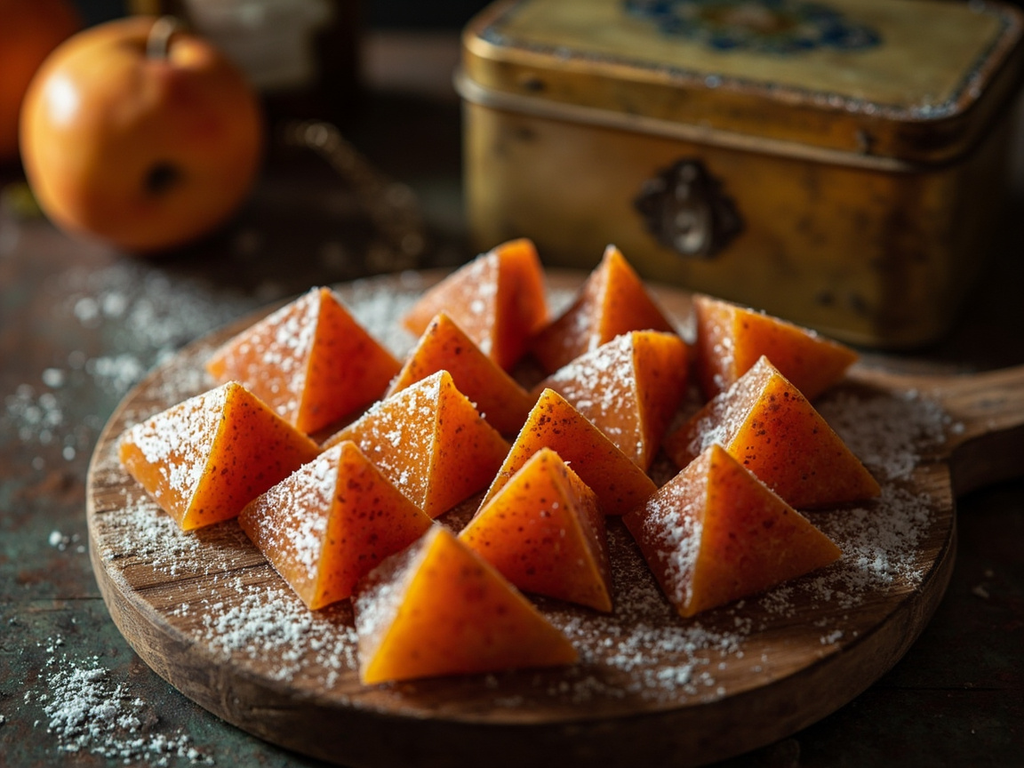
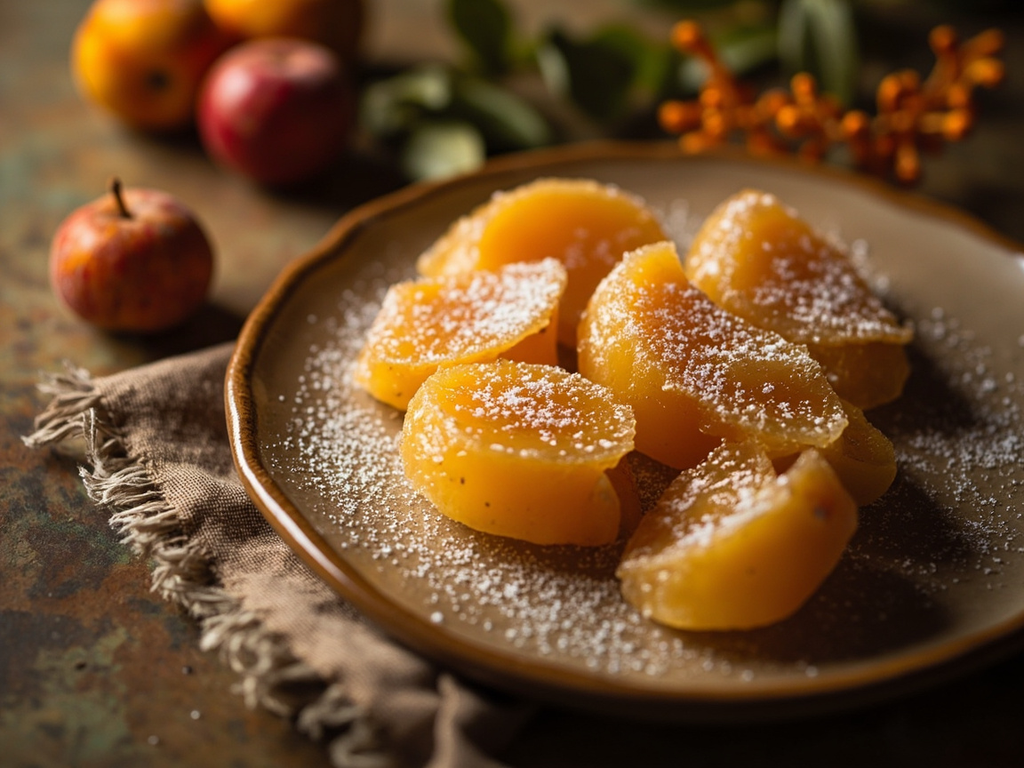
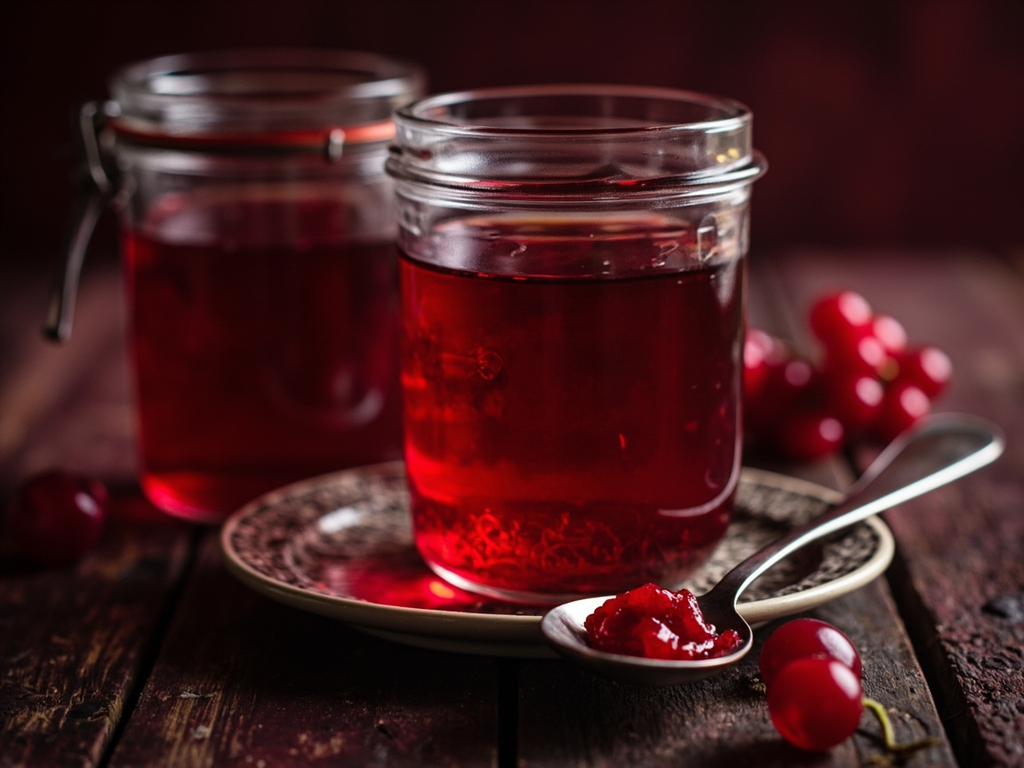
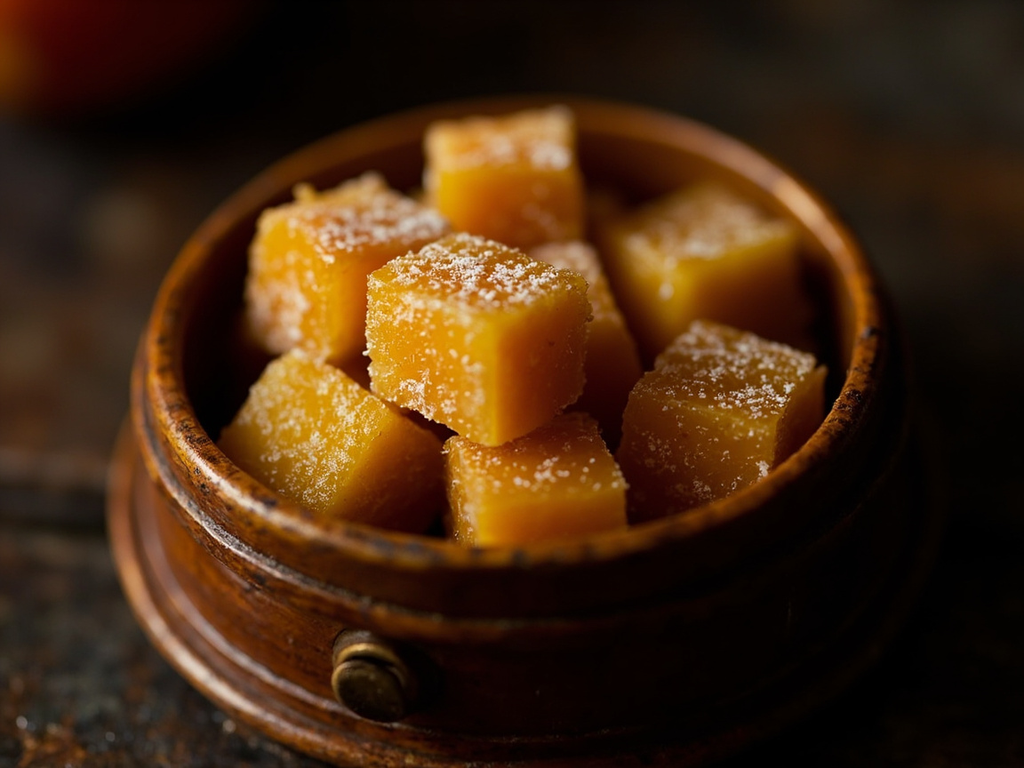
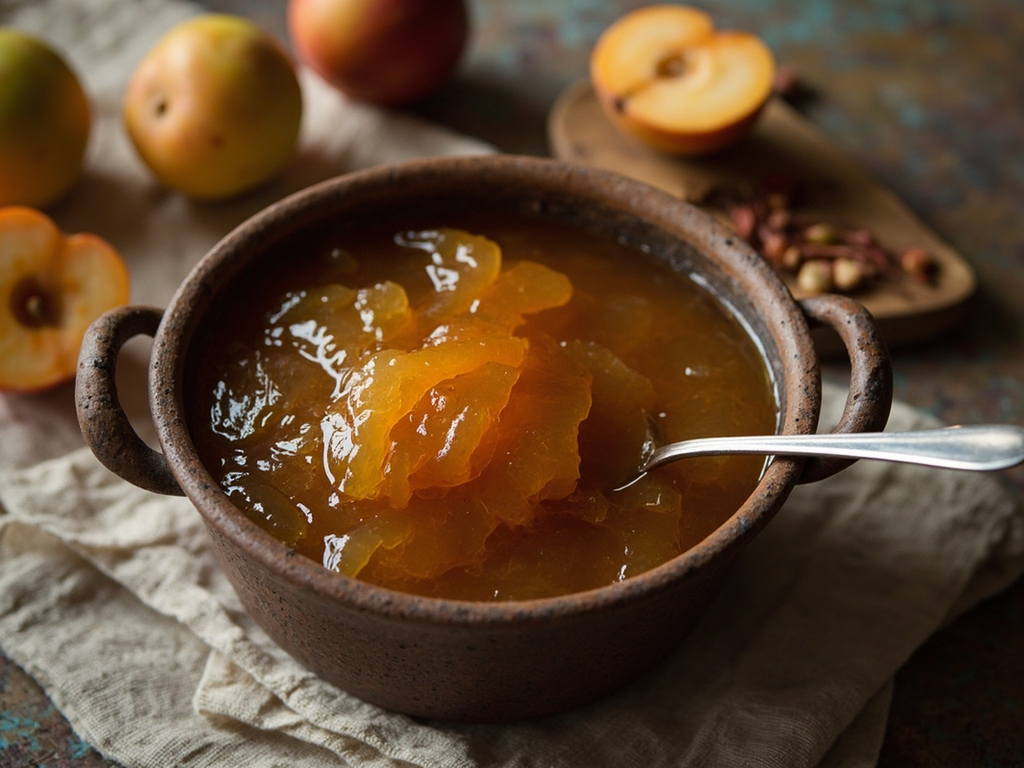
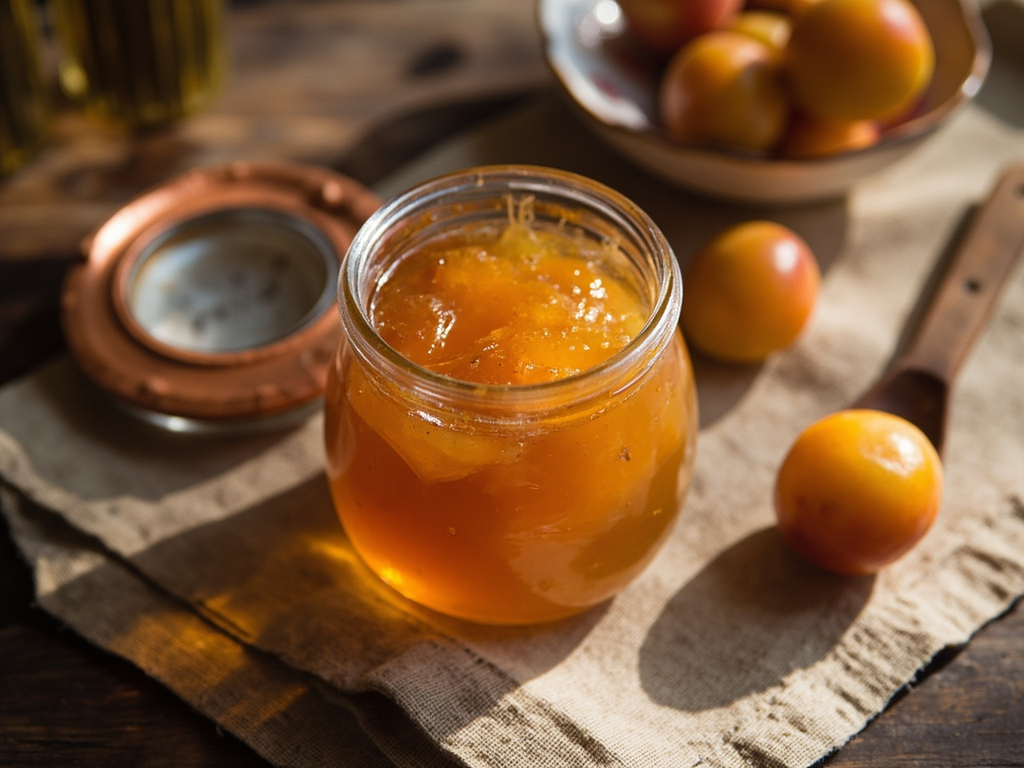
Small golden plums from Lorraine slowly candied in their sugar until they become an amber, fragrant marmalade. A preserve that extends summer into the heart of winter.
When I stayed at Lunéville, they brought me these little golden plums that Lorraine produces like nowhere else. When the season yields more than can be eaten fresh, they are candied: sugar, patience, and a fire watched like a delicate experiment — neither too brisk nor too slow. Well sealed in a pot, this jam reminds you in January of the sun that ripened it. This, I believe, is another way to conquer time.
- •Ripe mirabelle plums, pitted — a full basket (fruit)
- •Sugar — almost as much as the fruit (preservation and sweetness)
Mirabelle Plum Jam from Lorraine
Small golden plums from Lorraine slowly candied in their sugar until they become an amber, fragrant marmalade. A preserve that extends summer into the heart of winter.
Why this dish? Émilie spent her last months at the court of Lunéville in Lorraine, where she died in 1749. The mirabelle, a small golden plum emblematic of the region, was preserved in winter as jam — a domestic skill that every great household mastered to garnish 'the fruit' at the end of the meal.
When I stayed at Lunéville, they brought me these little golden plums that Lorraine produces like nowhere else. When the season yields more than can be eaten fresh, they are candied: sugar, patience, and a fire watched like a delicate experiment — neither too brisk nor too slow. Well sealed in a pot, this jam reminds you in January of the sun that ripened it. This, I believe, is another way to conquer time.
Ingredients (period version)
- Ripe mirabelle plums, pitted — a full basket (fruit)
- Sugar — almost as much as the fruit (preservation and sweetness)
Ingredients
- Pitted mirabelle plums — 1 kg (fruit)
- Granulated sugar — 750 g (preservation)
- Juice of half a lemon — 1/2 lemon (balance and setting)
Method
- Cut the mirabelles in half and pit them.
- Mix with the sugar in a basin or large pot and let macerate for 2–3 hours (the fruit releases its juice).
- Bring to a gentle boil, add the lemon juice, then cook for 30–40 minutes, stirring and skimming.
- Check the set: place a drop on a cold plate; it should thicken slightly.
- Pour hot into sterilized jars, seal immediately, and turn the jars upside down until cool.
How it was made : Before modern sterilization, sugar was the great preserving agent: by saturating the fruit, it prevented microorganisms from developing. 'Confitures' (in the broad sense: candied fruits, pastes, jellies) garnished the last service of aristocratic meals and testified to the opulence of a household, sugar remaining a costly product.
The contemporary twist : A split vanilla pod or a few cardamom pods slipped in at the end of cooking modernize this pot of gold — vanilla remaining a New World luxury reserved for today's version.
Sources : Menon, La Cuisinière bourgeoise, 1746 · Nicolas Appert (postérieur), L'Art de conserver, 1810
Émilie du Châtelet · Charactorium