 flip
flipMilk Panade
Milk Panade
Why this dish? Rousseau, who ate simply and cherished dairy more than any meat, gladly took these soups of bread and milk, a humble dish he opposed to the excesses of the rich table.
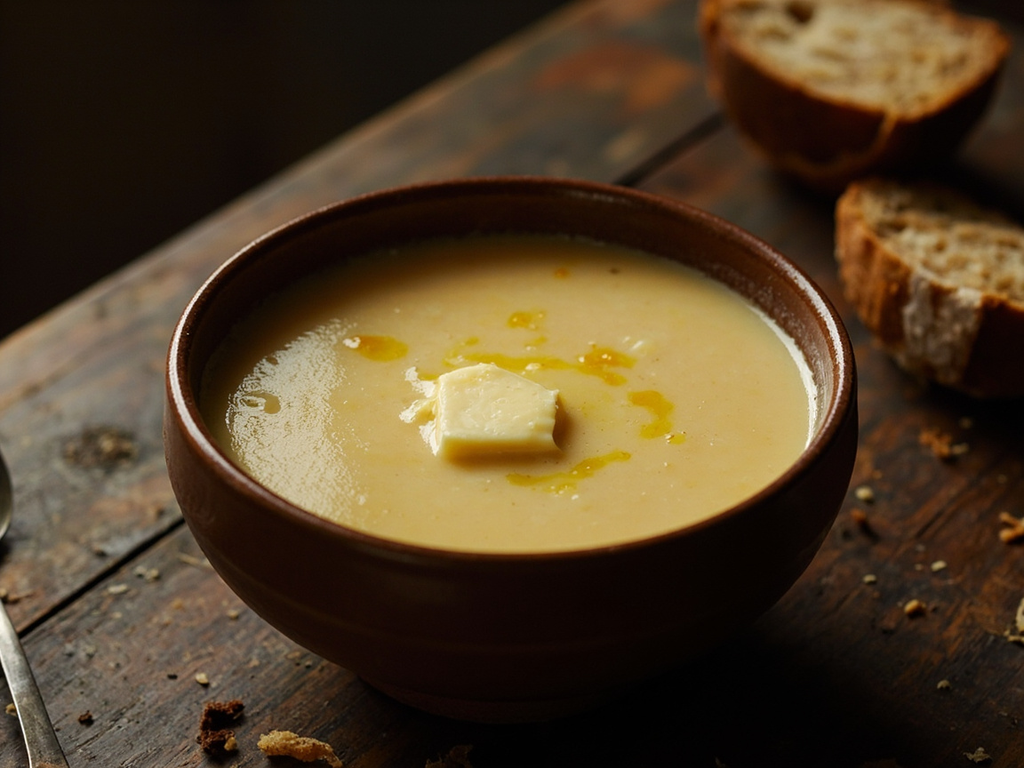
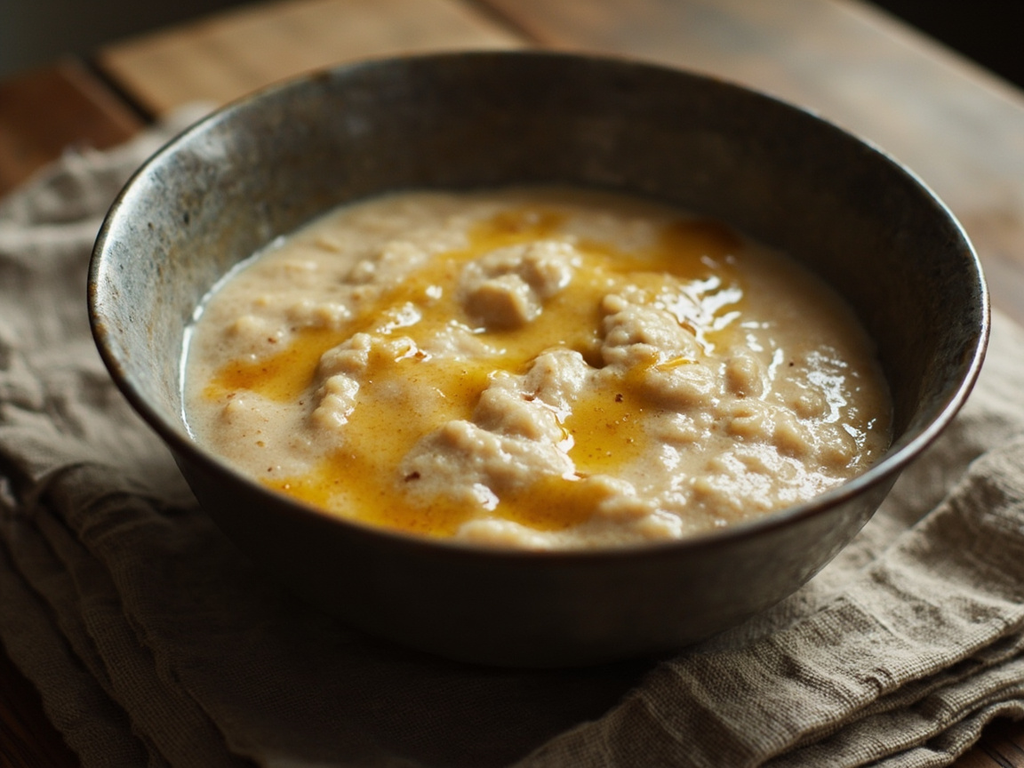
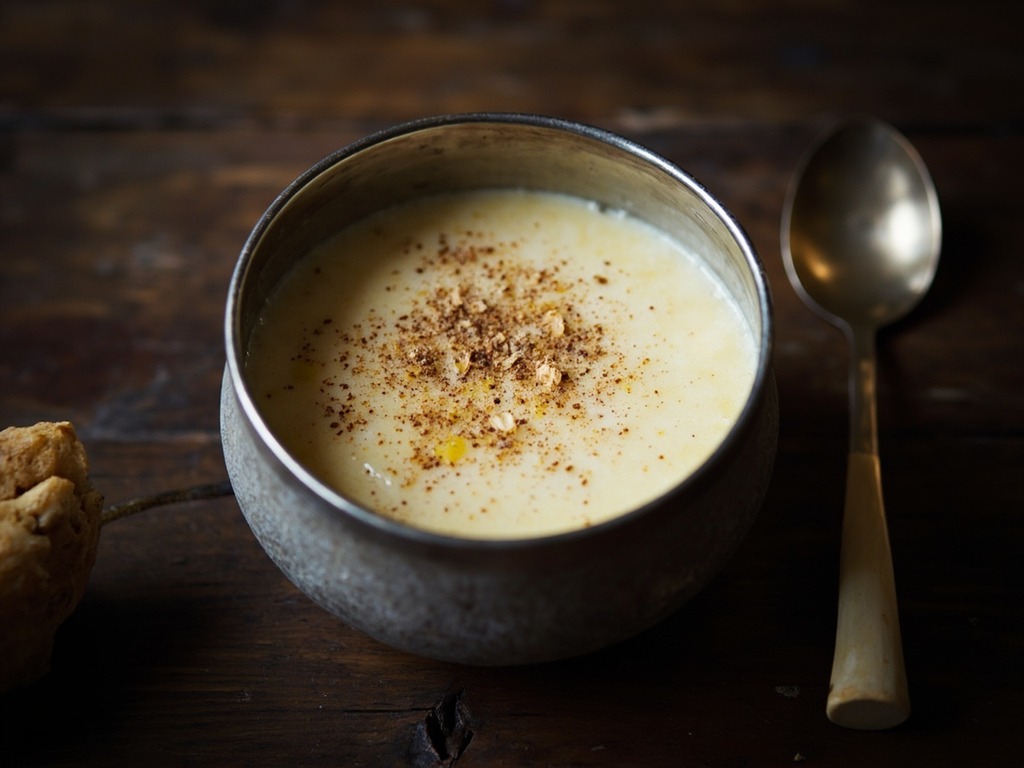
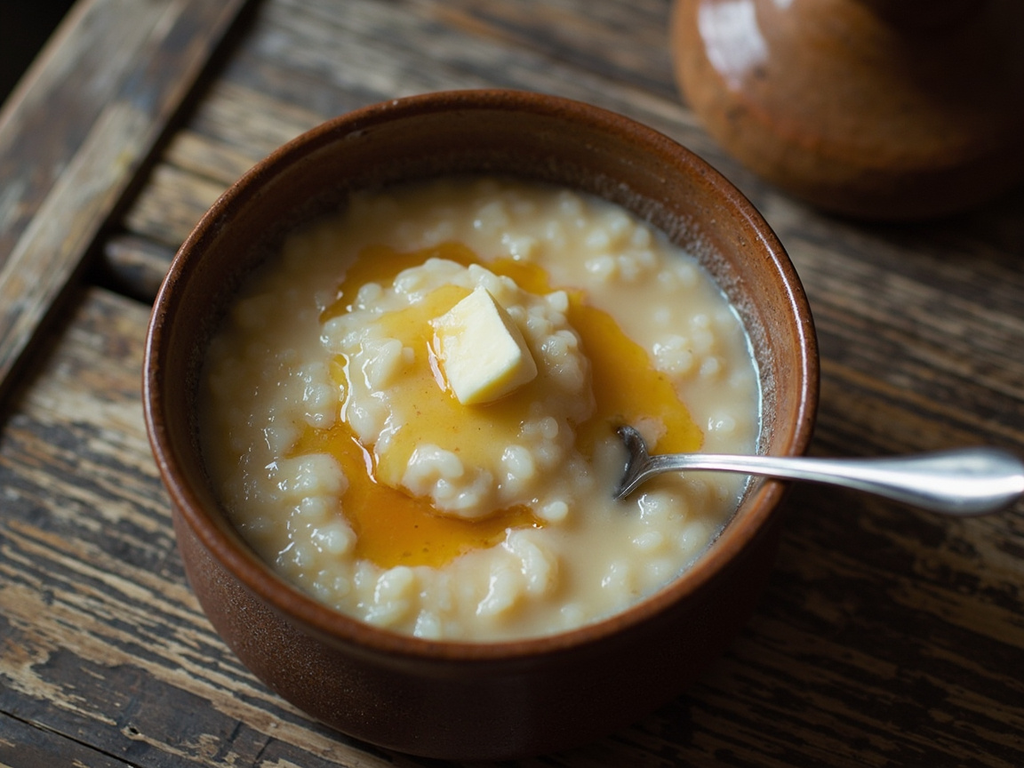
A comforting porridge of stale bread melted in warm milk, barely enriched with butter and a hint of honey. The humblest of breakfasts, requiring only a crust of bread and a bowl of milk.
Let me have my bowl of milk and my crust of bread: I find more contentment in them than the great do in their elaborate stews. See how simple the thing is: I broke the stale bread into the milk the farmer's wife had just drawn, let it all soften over the embers, and a little fresh butter sufficed to make it exquisite. Believe me, a palate that nature has not spoiled prefers this innocent food to all the sauces of the financiers. I ate this at Les Charmettes with an appetite that the rich would have envied.
- •Stale brown bread — a few slices (base)
- •Whole milk from the fields — a good bowlful (nourishing liquid)
- •Fresh butter — a knob (richness)
- •Honey — a drizzle (sweetness)
- •Salt — a pinch (seasoning)
Milk Panade
A comforting porridge of stale bread melted in warm milk, barely enriched with butter and a hint of honey. The humblest of breakfasts, requiring only a crust of bread and a bowl of milk.
Why this dish? Rousseau, who ate simply and cherished dairy more than any meat, gladly took these soups of bread and milk, a humble dish he opposed to the excesses of the rich table.
Let me have my bowl of milk and my crust of bread: I find more contentment in them than the great do in their elaborate stews. See how simple the thing is: I broke the stale bread into the milk the farmer's wife had just drawn, let it all soften over the embers, and a little fresh butter sufficed to make it exquisite. Believe me, a palate that nature has not spoiled prefers this innocent food to all the sauces of the financiers. I ate this at Les Charmettes with an appetite that the rich would have envied.
Ingredients (period version)
- Stale brown bread — a few slices (base)
- Whole milk from the fields — a good bowlful (nourishing liquid)
- Fresh butter — a knob (richness)
- Honey — a drizzle (sweetness)
- Salt — a pinch (seasoning)
Ingredients
- Stale country bread — 150 g (base)
- Whole milk — 500 ml (nourishing liquid)
- Butter — 20 g (richness)
- Honey — 1 teaspoon (sweetness)
- Salt — 1 pinch (seasoning)
Method
- Crumble the stale bread into a saucepan.
- Pour the milk over it and let soak for 5 minutes.
- Heat gently, stirring, until you get a smooth, steaming porridge.
- Off the heat, stir in the butter, a pinch of salt, and a drizzle of honey.
- Serve immediately in a bowl, piping hot.
How it was made : Panade — bread boiled in milk or water — was the basic breakfast of the Alpine countryside and the urban poor in the 18th century. The poorest made it with water, while those who could afford it used milk and butter. It was a way to use stale bread without wasting anything.
The contemporary twist : A grating of lemon zest and a few toasted flaked almonds transform this humble panade into an Enlightenment-era porridge.
Sources : Jean-Jacques Rousseau, Les Confessions (1782-1789)
Jean-Jacques Rousseau · Charactorium