 flip
flipScottish shortbread from the biscuit tin
Scottish shortbread from the biscuit tin
Why this dish? Jocelyn Bell studied physics at the University of Glasgow before Cambridge: shortbread is Scotland's emblematic biscuit. Buttery, short, it keeps for weeks in a tin — the ideal stash to nibble during analysis nights.
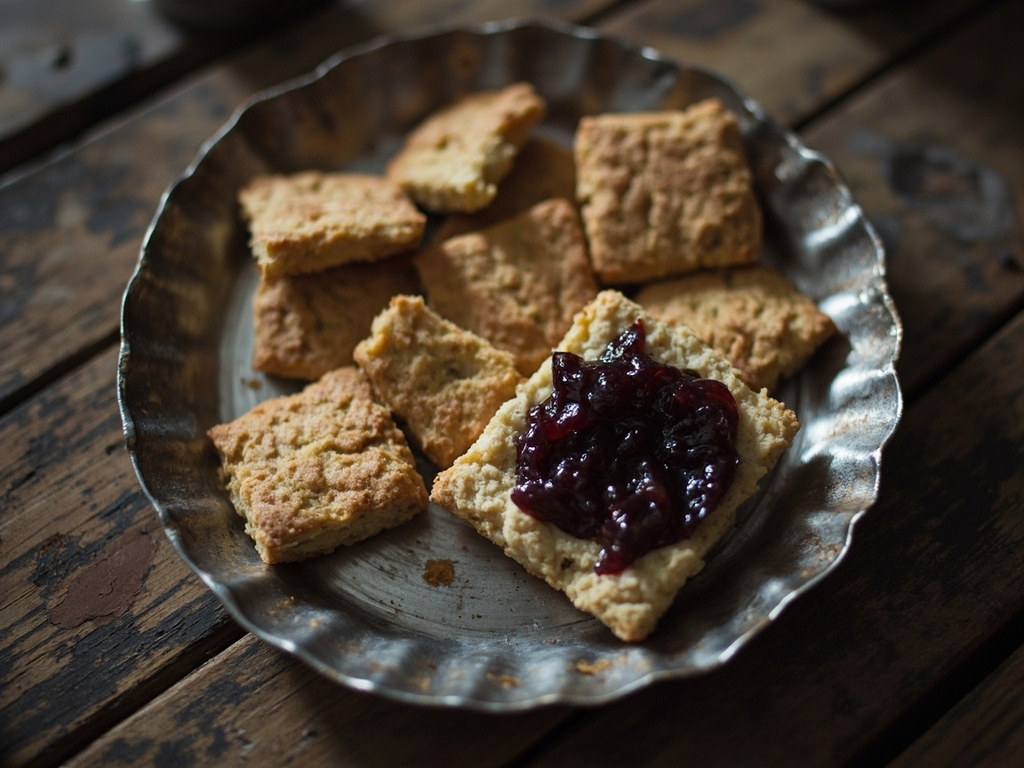
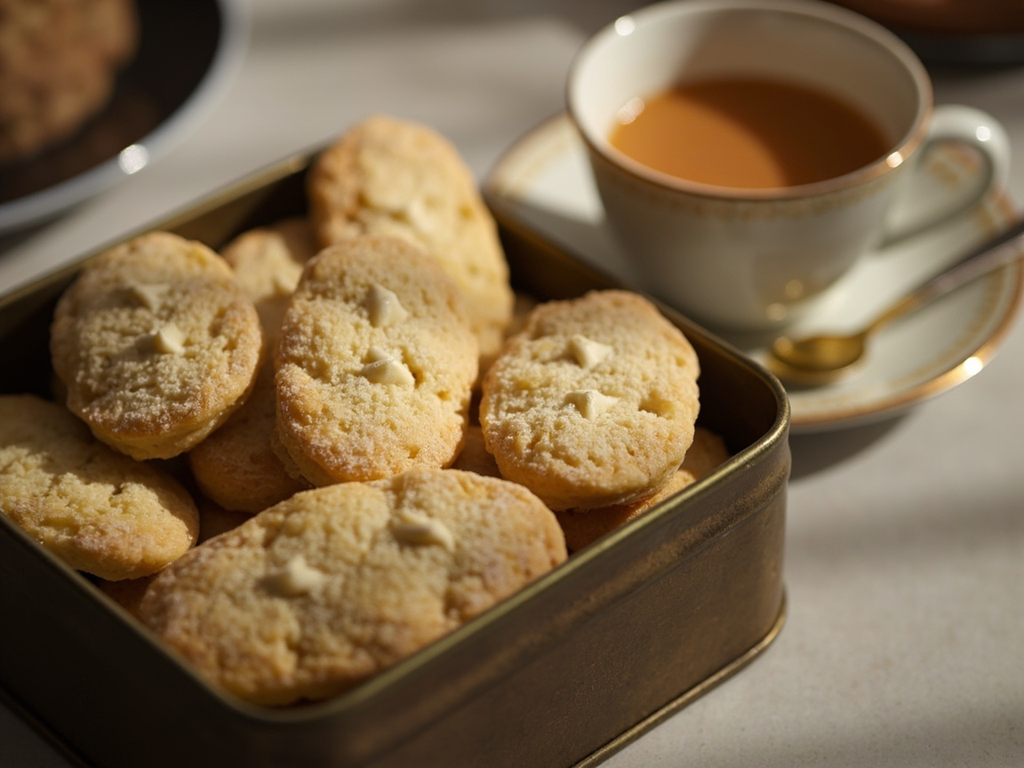
A Scottish shortbread biscuit with three ingredients: butter, sugar, flour. Melting and crumbly, pale golden, it keeps for a long time in a metal tin and perfectly accompanies tea.
In Glasgow, you always keep a tin of shortbread in case someone drops by. The rule is simple: one part sugar, two parts butter, three parts flour — and above all, cold hands, otherwise the butter melts and the biscuit becomes hard. You prick the top with a fork, not just for decoration, but so it bakes flat. Golden, never brown: an overbaked shortbread is a crime, my grandmother would say.
- •Butter (churned) — two parts (richness, crumbliness)
- •Sugar — one part (sweetness, crunch)
- •Wheat flour — three parts (short structure)
- •Pinch of salt — a pinch (balance)
Scottish shortbread from the biscuit tin
A Scottish shortbread biscuit with three ingredients: butter, sugar, flour. Melting and crumbly, pale golden, it keeps for a long time in a metal tin and perfectly accompanies tea.
Why this dish? Jocelyn Bell studied physics at the University of Glasgow before Cambridge: shortbread is Scotland's emblematic biscuit. Buttery, short, it keeps for weeks in a tin — the ideal stash to nibble during analysis nights.
In Glasgow, you always keep a tin of shortbread in case someone drops by. The rule is simple: one part sugar, two parts butter, three parts flour — and above all, cold hands, otherwise the butter melts and the biscuit becomes hard. You prick the top with a fork, not just for decoration, but so it bakes flat. Golden, never brown: an overbaked shortbread is a crime, my grandmother would say.
Ingredients (period version)
- Butter (churned) — two parts (richness, crumbliness)
- Sugar — one part (sweetness, crunch)
- Wheat flour — three parts (short structure)
- Pinch of salt — a pinch (balance)
Ingredients
- Unsalted butter, at room temperature — 200 g (richness)
- Caster sugar — 100 g (sweetness)
- Plain flour (plus 50 g fine semolina for crunch, optional) — 300 g (structure)
- Salt — 1 pinch (balance)
- Sugar for dusting — 1 tbsp (finish)
Method
- Preheat oven to 160°C. Cream the softened butter with the sugar until pale.
- Fold in the flour (and semolina) and salt, then bring together without overworking.
- Press the dough into a rectangular mould, 1 cm thick, smooth the top and prick evenly with a fork.
- Bake 35–40 minutes: the shortbread should stay pale, barely golden at the edges.
- Dust with sugar as soon as it comes out of the oven, mark into fingers while warm, then cool completely before cutting. Store in an airtight tin.
How it was made : Shortbread descends from medieval Scottish 'biscuit bread', originally a sweetened, dried bread dough. Butter gradually replaced yeast, and the treat, long reserved for celebrations (Christmas, Hogmanay) due to the cost of butter, became the national biscuit. Its low moisture content ensures long keeping.
The contemporary twist : Cut the biscuits into regular little 'dots' and arrange them in a line — a nod to the regular pulses of a pulsar on graph paper.
Sources : F. Marian McNeill, The Scots Kitchen (1929) · Catherine Brown, Scottish Cookery
Jocelyn Bell Burnell · Charactorium