The Age of Enlightenment
Philosophers, scientists and reformers of the 18th century who laid the foundations of modern thought, reason and individual rights.
72 characters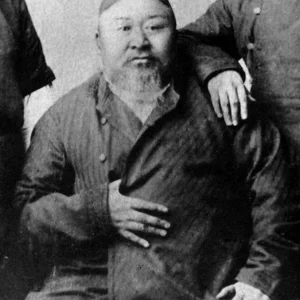
72 characters
Abbé Prévost
1697 — 1763
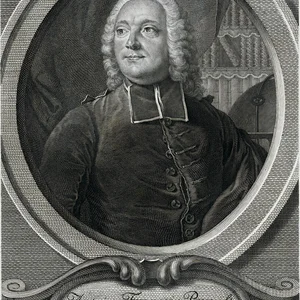
An 18th-century French novelist, historian, and clergyman, Abbé Prévost is best known for his novel "Manon Lescaut" (1731), which is part of the French baccalauréat curriculum. His work embodies the tensions between religious morality and human passion that defined the era.
Alessandro Volta
1745 — 1827
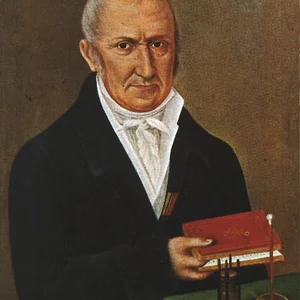
Italian physicist (1745–1827), Alessandro Volta invented the electric battery in 1800, the first source of direct current in history. His work on electricity revolutionized experimental physics and paved the way for electrochemistry.
Alexander Pope
1688 — 1744
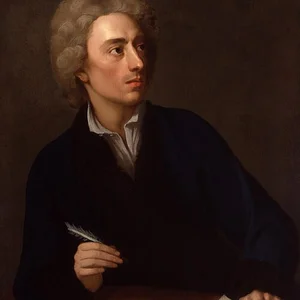
Alexander Pope was a British poet and essayist of the 18th century, a major figure of English Neoclassicism. A master of the rhymed heroic couplet, he is celebrated for his satirical and philosophical poems as well as for his translations of Homer's *Iliad* and *Odyssey*.
Angelica Kauffmann
1741 — 1807
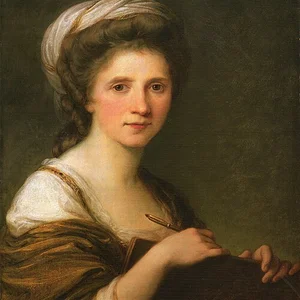
Swiss painter, a major figure of European Neoclassicism. A celebrated portraitist and history painter, she was one of only two women among the founding members of the Royal Academy of Arts in London in 1768.
Anne Thérèse de Marguenat de Courcelles, marquise de Lambert
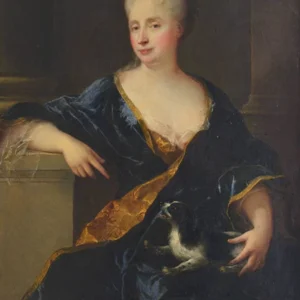
A Parisian writer and salon hostess (1647–1733), she presided over one of the most influential literary salons of the Regency period, frequented by Fontenelle, Montesquieu, and Marivaux. A pioneer in thinking about women's education, she championed their access to intellectual life.
Antoine de Lavoisier
1743 — 1794
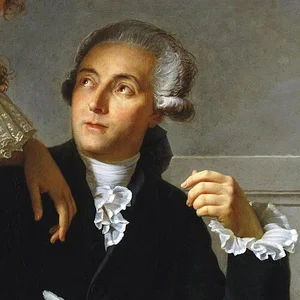
An 18th-century French chemist, Lavoisier is the founder of modern chemistry. He established the law of conservation of mass and identified oxygen, revolutionizing the understanding of chemical phenomena.
Antoine François de Fourcroy
1755 — 1809
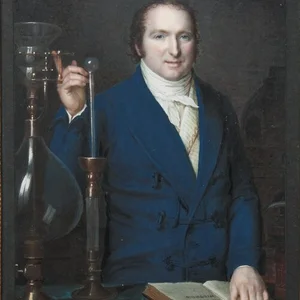
French chemist and statesman, a collaborator of Lavoisier in the reform of chemical nomenclature. A member of the National Convention, he played a major role in reorganizing scientific education during the Revolution.
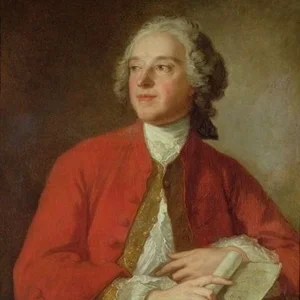
Beaumarchais
1732 — 1799
French writer, musician, and businessman (1732-1799), Beaumarchais is the author of The Barber of Seville and The Marriage of Figaro, two plays that revolutionized 18th-century comedy through their social criticism and complex plotting.
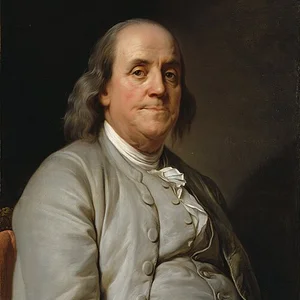
Benjamin Franklin
1706 — 1790
An 18th-century American statesman, scientist, and writer, Benjamin Franklin is one of the Founding Fathers of the United States. The inventor of the lightning rod, he contributed to drafting the Declaration of Independence and negotiated the Franco-American alliance.
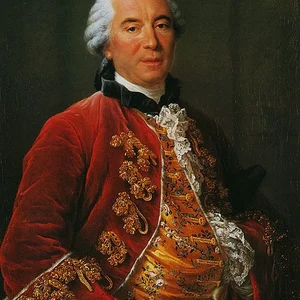
Buffon
1707 — 1788
French naturalist and mathematician of the 18th century, Buffon is one of the founders of modern natural history. As director of the Jardin du Roi in Paris, he proposed a groundbreaking theory on the age of the Earth and the evolution of species.
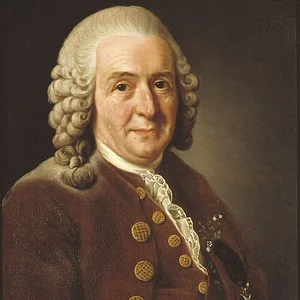
Carl von Linnaeus
1707 — 1778
An 18th-century Swedish naturalist, Carl von Linnaeus revolutionized the classification of living organisms. He created a binomial nomenclature system that made it possible to name and organize all known species in a rational and universal way.
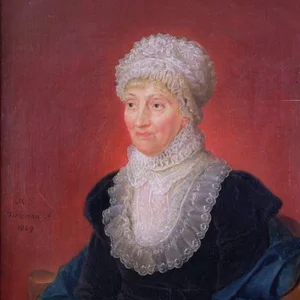
Caroline Herschel
1750 — 1848
A pioneering astronomer from Hanover, Caroline Herschel discovered eight comets and helped map the sky alongside her brother William. She was the first woman to receive the Gold Medal of the Royal Astronomical Society, in 1828.
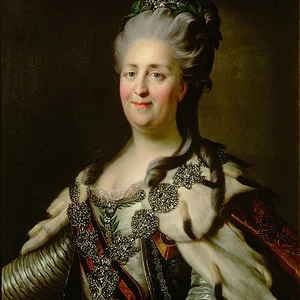
Catherine II of Russia
1729 — 1796
Catherine II, known as Catherine the Great, was Empress of Russia from 1762 to 1796. Of German origin, she overthrew her husband Peter III and modernized the Russian Empire by drawing on the ideas of Enlightenment philosophers, while strengthening autocratic power.
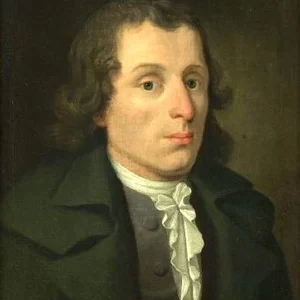
Christian Gottlob Neefe
1748 — 1798
German composer and organist (1748–1798), he is best known for being Ludwig van Beethoven's first teacher in Bonn. A versatile musician, he composed operas, lieder, and chamber music in the spirit of the Enlightenment.
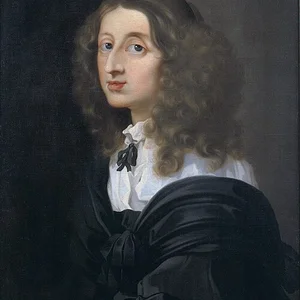
Christina of Sweden
1626 — 1689
Queen of Sweden from 1632 to 1654, Christina voluntarily abdicated her throne to convert to Catholicism and settle in Rome. An exceptional woman, she invited Descartes to her court and ruled with authority in the Europe of the Thirty Years' War.
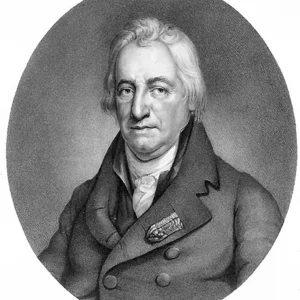
Claude Louis Berthollet
1748 — 1822
French chemist (1748–1822), collaborator of Lavoisier and founder of modern chemistry. He discovered the bleaching properties of chlorine and formulated the laws of chemical affinity, challenging the notion of complete chemical reactions.
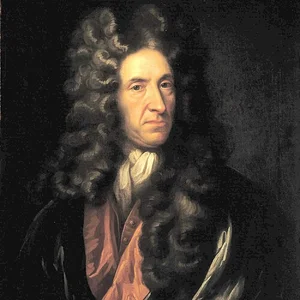
Daniel Defoe
1660 — 1731
Daniel Defoe was an English writer and journalist, considered one of the founders of the modern novel in the English language. He is famous for *Robinson Crusoe* (1719), a tale of adventure and survival on a desert island.
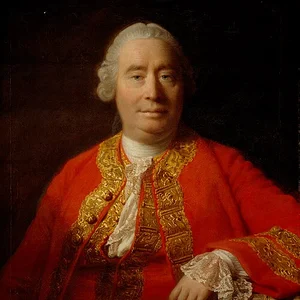
David Hume
1711 — 1776
Scottish Enlightenment philosopher (1711-1776), David Hume is one of the foremost thinkers of modern empiricism. He grounded his philosophy in observation and sensory experience, challenging rational certainties and developing a sceptical approach to knowledge.
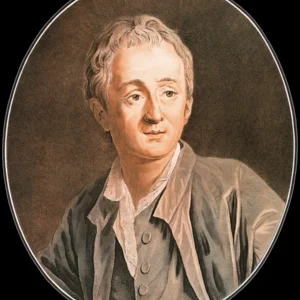
Denis Diderot
1713 — 1784
French philosopher, writer, and encyclopedist (1713–1784), a leading figure of the Enlightenment. Co-editor of the Encyclopédie with d'Alembert, he embodies the critical spirit and pursuit of rational knowledge that defined the 18th century. Author of philosophical novels such as Jacques the Fatalist, he helped transform European intellectual thought.
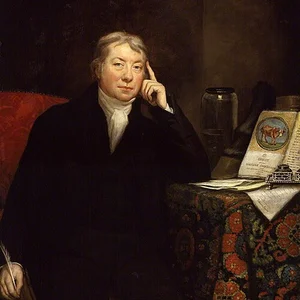
Edward Jenner
1749 — 1823
English physician and scientist (1749-1823), pioneer of vaccination. In 1796, he developed the first vaccine in history by inoculating cowpox to protect against human smallpox.
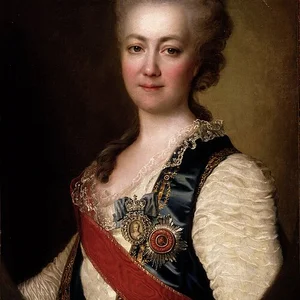
Ekaterina Vorontsova-Dashkova
1743 — 1810
A learned Russian aristocrat and close associate of Catherine II, she played a part in the coup d'état of 1762. The first woman to head the Russian Academy of Sciences, she founded the Russian Academy devoted to the language.
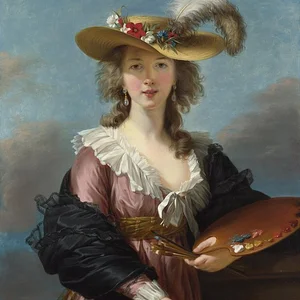
Élisabeth Vigée Le Brun
1755 — 1842
Élisabeth Vigée Le Brun (1755–1842) was one of the greatest portrait painters of the 18th century. Official painter to Marie Antoinette, she completed more than 660 portraits before fleeing the French Revolution. The first woman admitted to the Royal Academy of Painting, she embodied female excellence in an artistic world dominated by men.
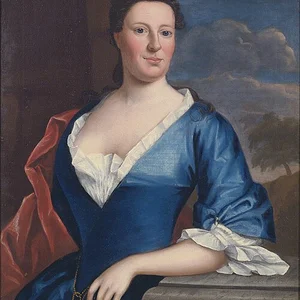
Elizabeth Francis
1708 — 1800
Elizabeth Francis (1708-1800) was a figure of 18th-century British society who lived through most of the Age of Enlightenment. Her exceptional longevity (92 years) made her a witness to major transformations: the American Revolution, the French Revolution, and the early stirrings of the Industrial Revolution.
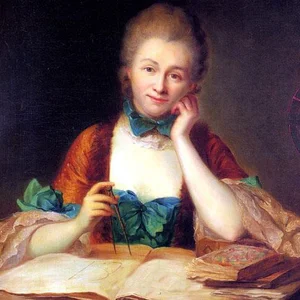
Émilie du Châtelet
1706 — 1749
Émilie du Châtelet (1706-1749) was a French physicist and mathematician of the Enlightenment. She translated and annotated Newton's Principia Mathematica, a work that remained the standard French reference until the 19th century. Voltaire's companion, she demonstrated that kinetic energy is proportional to the square of velocity.
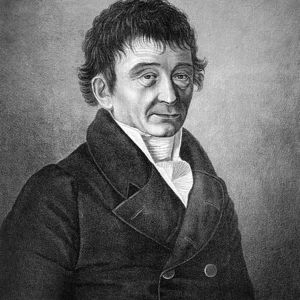
Ernst Chladni
1756 — 1827
German physicist and musician, considered the father of modern acoustics. He revealed the vibration modes of plates through the figures that bear his name.
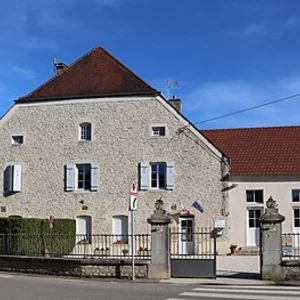
Fontenelle
1657 — 1757
A French writer and scholar of the 17th–18th century, Fontenelle popularized science for the general public. Known for his Conversations on the Plurality of Worlds and his role as perpetual secretary of the Académie des sciences, he embodies the spirit of the Enlightenment.
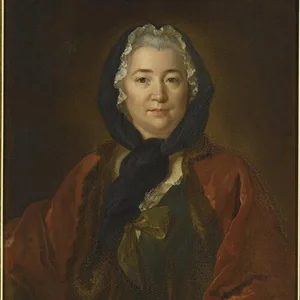
Françoise de Graffigny
1695 — 1758
French writer (1695-1758), pioneer of the epistolary novel in the 18th century. She is best known for her Letters from a Peruvian Woman, a major work of Enlightenment literature that critiques French society through the discerning gaze of an exotic heroine.
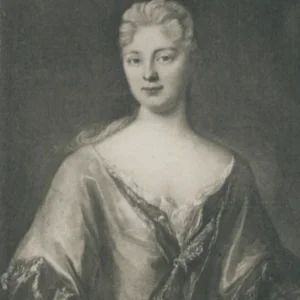
Françoise-Louise de Warens
1699 — 1762
A Savoyard baroness, Françoise-Louise de Warens (1699-1762) is famous for taking in and protecting the young Jean-Jacques Rousseau. She gave him a home at Les Charmettes, near Chambéry, and played a decisive role in his intellectual and emotional education.
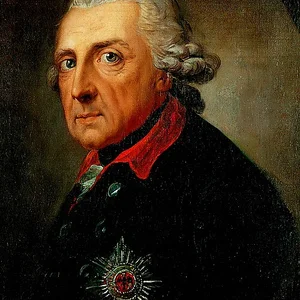
Frederick II the Great
1712 — 1786
Frederick II, known as Frederick the Great, was King of Prussia from 1740 to 1786. An enlightened ruler and a leading military strategist, he turned Prussia into a major European power while corresponding with Enlightenment philosophers, including Voltaire.
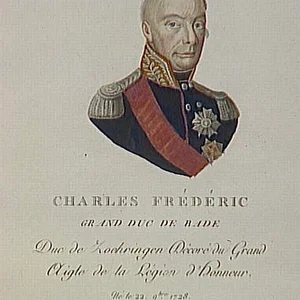
Frederick the Great
King of Prussia from 1740 to 1786, Frederick II was both a formidable war leader and a reforming sovereign. A figure of enlightened despotism, he corresponded with Voltaire and made Prussia a major European power.
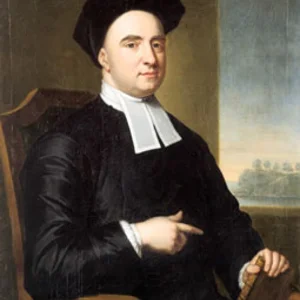
George Berkeley
1685 — 1753
Irish Anglican philosopher and bishop, a major figure of British empiricism. He defended immaterialism, the doctrine that sensible things exist only insofar as they are perceived.
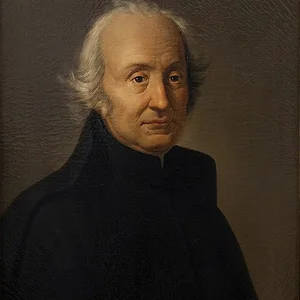
Giuseppe Piazzi
1746 — 1826
Giuseppe Piazzi was an Italian astronomer and mathematician, a priest of the Theatine order. He is famous for discovering Ceres in 1801, the first asteroid (now classified as a dwarf planet) in the belt located between Mars and Jupiter.
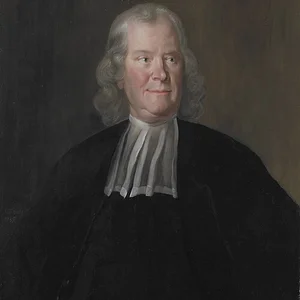
Herman Boerhaave
1668 — 1738
Dutch physician, botanist and chemist, professor at the University of Leiden. Considered the founder of modern clinical teaching and one of the greatest physicians of his era, he trained students who came from all over Europe.
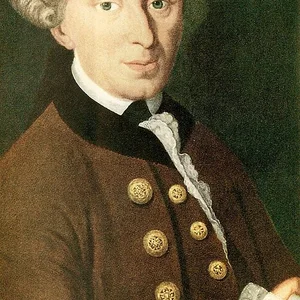
Immanuel Kant
1724 — 1804
German Enlightenment philosopher (1724–1804), Kant revolutionized metaphysics by proposing a radical critique of human reason. Author of the Critique of Pure Reason, he founded transcendental idealism and developed a universal moral theory based on the categorical imperative.
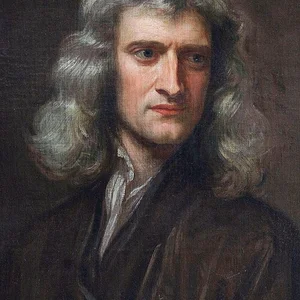
Isaac Newton
1643 — 1727
English mathematician, physicist and astronomer (1643–1727), Isaac Newton is one of the greatest scientists in history. He revolutionized science by formulating the laws of motion and universal gravitation, and by developing calculus.
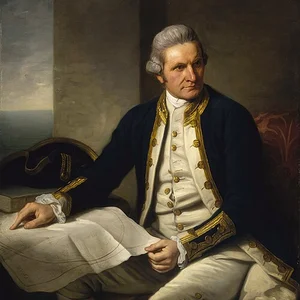
James Cook
1728 — 1779
British navigator, cartographer and explorer (1728–1779), James Cook led three major expeditions into the Pacific Ocean and greatly advanced the world's geographical knowledge. He explored and mapped New Zealand, Australia, and numerous Pacific archipelagos, becoming one of the defining figures of modern exploration.
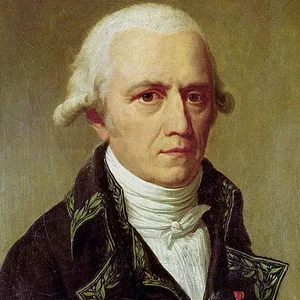
Jean-Baptiste Lamarck
1744 — 1829
French naturalist and zoologist (1744–1829), Lamarck developed a theory of evolution based on the adaptation of organisms to their environment and the inheritance of acquired characteristics. A professor at the Paris Museum of Natural History, he laid the foundations of transformism, a precursory vision of evolution predating Darwin.
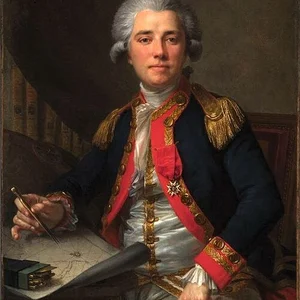
Jean-François de La Pérouse
1741 — 1788
A French naval officer and explorer of the 18th century, La Pérouse led a major expedition across the Pacific Ocean (1785–1788). The voyage produced important cartographic surveys and scientific studies, but the expedition mysteriously disappeared in 1788.
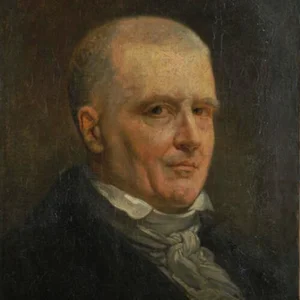
Jean-Honoré Fragonard
1732 — 1806
French painter and engraver of the 18th century, a major figure of the Rococo style. Renowned for his amorous scenes full of virtuosity and lightness, he embodies the refined art of the waning Ancien Régime.
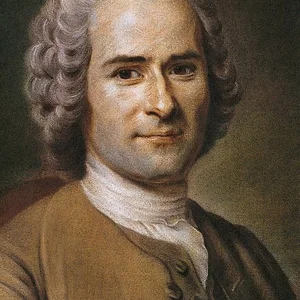
Jean-Jacques Rousseau
1712 — 1778
Genevan philosopher, writer, and musician (1712–1778), a central figure of the Enlightenment. Author of The Social Contract and Confessions, he profoundly influenced political and educational thought by championing popular sovereignty and natural education.

Johann Siegesbeck
Eighteenth-century German physician and botanist, director of the Saint Petersburg botanical garden. He is best known for his fierce opposition to Carl von Linné's sexual system of plant classification.
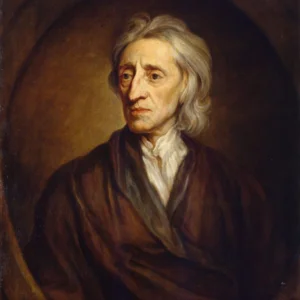
John Locke
1632 — 1704
A 17th-century English philosopher, John Locke is the founder of modern empiricism and a major thinker of political liberalism. He developed the theory of natural rights (life, liberty, property) and justified the right to revolt against tyrannical power, profoundly influencing democratic revolutions.
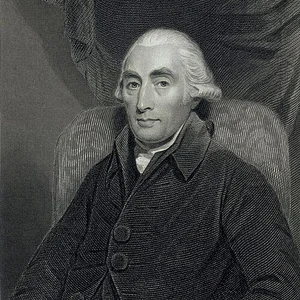
Joseph Black
1728 — 1799
Joseph Black (1728-1799) was a Scottish chemist and physicist, a major figure of the Enlightenment. He discovered “fixed air” (carbon dioxide) and formulated the concepts of latent heat and specific heat, laying the foundations of thermodynamics.
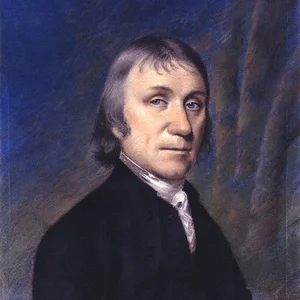
Joseph Priestley
1733 — 1804
Eighteenth-century English chemist, theologian and philosopher, famous for isolating oxygen in 1774. A dissenting minister, he was also a liberal thinker forced into exile in the United States.
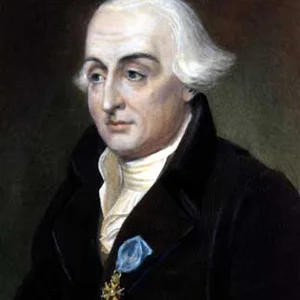
Joseph-Louis Lagrange
1736 — 1813
Franco-Sardinian mathematician and astronomer (1736–1813), considered one of the greatest mathematicians of the 18th century. He revolutionized mechanics with his analytical formulation and founded the calculus of variations.
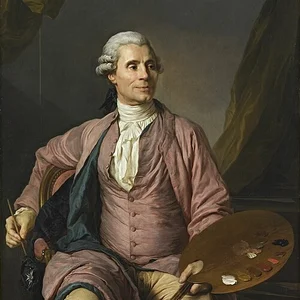
Joseph-Marie Vien
1716 — 1809
French painter (1716–1809), forerunner of Neoclassicism and master of Jacques-Louis David. Director of the French Academy in Rome, then First Painter to the King and senator under Napoleon.
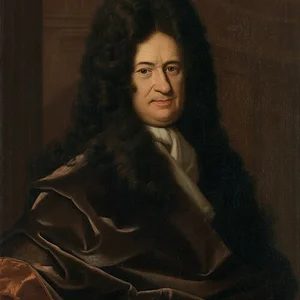
Leibniz
1646 — 1716
A German philosopher and mathematician of the 17th century, Leibniz contributed to the scientific revolution by developing infinitesimal calculus and proposing an original philosophy grounded in monadology. He shaped modern thought through his theory of pre-established harmony and his metaphysical optimism.
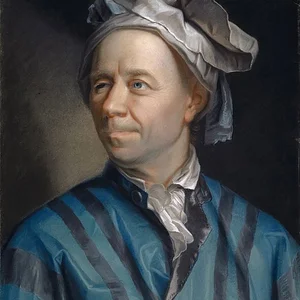
Leonhard Euler
1707 — 1783
Swiss mathematician, physicist, and engineer (1707–1783), Euler is one of the greatest scientists of the 18th century. Prolific and innovative, he contributed to nearly every field of mathematics and physics, despite the blindness that affected him from 1738 onward.
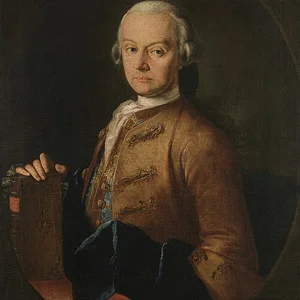
Leopold Mozart
1719 — 1787
German composer, violinist, and pedagogue (1719-1787), father and first teacher of Wolfgang Amadeus Mozart. Author of a celebrated treatise on the violin, he devoted much of his life to promoting his son's genius across Europe.
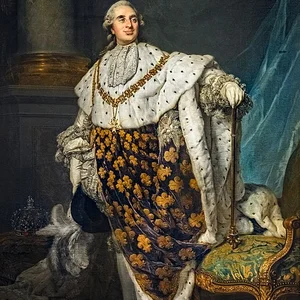
Louis XVI
1754 — 1793
King of France and Navarre from 1774 to 1791, then King of the French from 1791 to 1792. His reign was marked by the French Revolution, attempted reforms, and the abolition of the Ancien Régime. Arrested during the Flight to Varennes in 1791, he was tried and executed by guillotine on January 21, 1793.
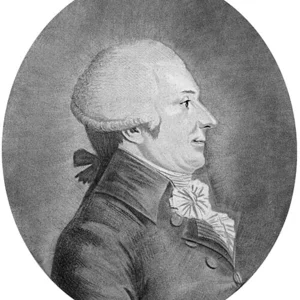
Louis-Bernard Guyton de Morveau
1737 — 1816
A French chemist, jurist and statesman, Guyton de Morveau was one of the architects of the reform of chemical nomenclature alongside Lavoisier in 1787. As a member of the National Convention, he also took part in the Revolution and contributed to the founding of the École Polytechnique.
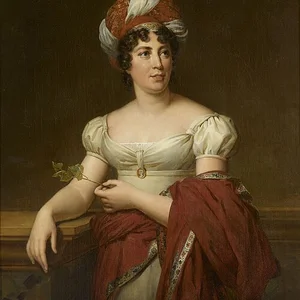
Madame de Staël
1766 — 1817
Germaine de Staël, daughter of minister Necker, was one of the great intellectual voices of her era. A novelist, essayist, and salon hostess, she stood up to Napoleon, who exiled her, and helped introduce German Romanticism to France with her work *De l'Allemagne*.
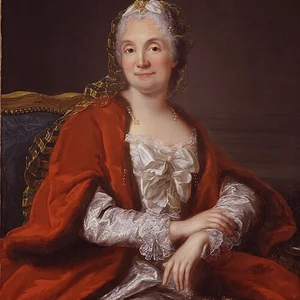
Madame Geoffrin
1699 — 1777
A Parisian salon hostess of the 18th century, she presided over one of the most influential salons of the Enlightenment, welcoming d'Alembert, Diderot, Fontenelle, and Montesquieu. A generous patron of the arts and a remarkable letter-writer, she played a central role in spreading Enlightenment ideas across Europe.
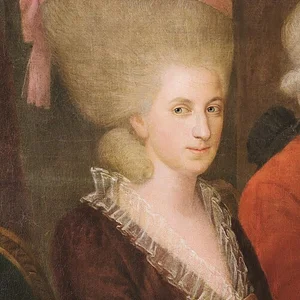
Maria Anna Mozart (Nannerl)
Austrian prodigy pianist and composer of the 18th century, elder sister of Wolfgang Amadeus Mozart. Considered as talented as her brother in childhood, she toured the European courts before her career was cut short in adulthood due to her status as a woman.
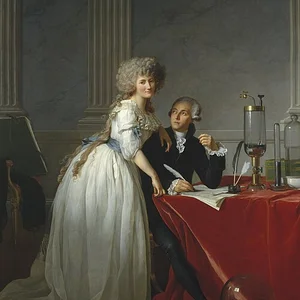
Marie-Anne Paulze
French chemist and illustrator (1758–1836), essential collaborator of Antoine Lavoisier. She translated English scientific treatises and created the engravings for the landmark "Elementary Treatise on Chemistry" (1789), contributing to the chemical revolution.
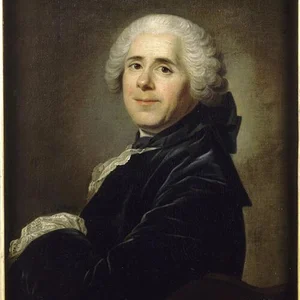
Marivaux
1688 — 1763
An 18th-century French writer, playwright, and journalist, Marivaux is the author of brilliant comedies that explore the games of love and chance. He is known for his elegant style and psychological subtlety in the portrayal of feelings.
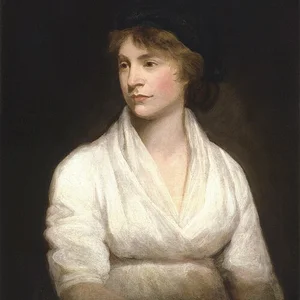
Mary Wollstonecraft
1759 — 1797
Mary Wollstonecraft was an 18th-century British philosopher and writer, a pioneer of feminism. Her landmark work, *A Vindication of the Rights of Woman* (1792), demands equal education and civil rights for women. She embodies Enlightenment thinking applied to the condition of women.
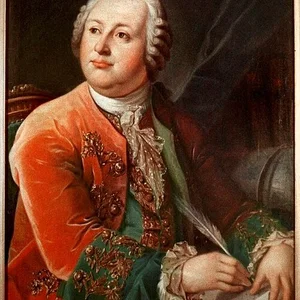
Mikhail Lomonosov
1711 — 1765
An 18th-century Russian scholar — chemist, physicist, and astronomer. A pioneer of Russian science, he formulated a principle of conservation of matter and helped found Moscow University.
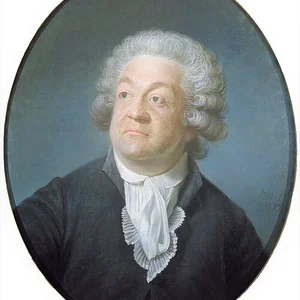
Mirabeau
1749 — 1791
Orator and French statesman, Mirabeau is one of the towering figures of the early French Revolution. Elected to the Estates-General in 1789 by the Third Estate, he embodied the bridge between the nobility and the people, championing a constitutional monarchy. His death in 1791 earned him a state funeral and a place in the Panthéon.
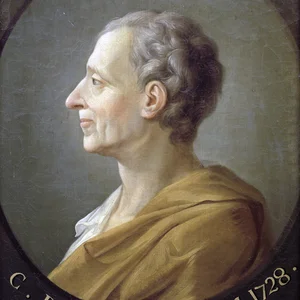
Montesquieu
1689 — 1755
An 18th-century French philosopher and writer, Montesquieu is the author of the landmark work 'The Spirit of the Laws' (1748). He theorized the separation of powers, a foundational concept of modern political thought, and contributed to the emergence of Enlightenment philosophy.
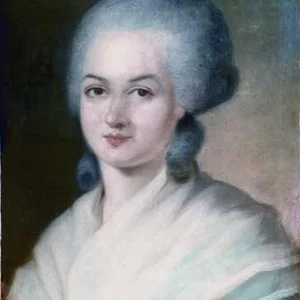
Olympe de Gouges
1748 — 1793
French author, politician and pamphleteer (1748–1793), Olympe de Gouges campaigned for women's rights and the abolition of slavery during the French Revolution. She wrote the Declaration of the Rights of Woman and of the Female Citizen in 1791, a founding document of feminism.
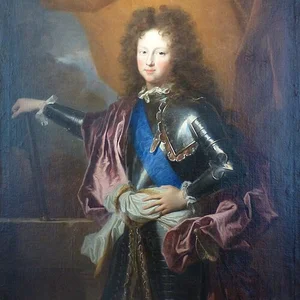
Philippe II d'Orléans
Regent of France from 1715 to 1723 during the minority of Louis XV, Philippe II d'Orléans governed the kingdom following the death of Louis XIV. A curious and libertine spirit, he was also a musician, painter, and patron of the arts, embodying the transition between the Grand Siècle and the Enlightenment.
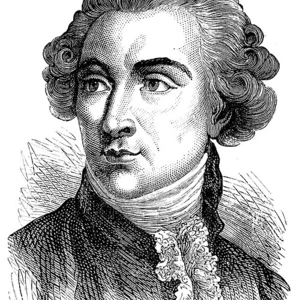
Pierre Choderlos de Laclos
1741 — 1803
Pierre Choderlos de Laclos was an eighteenth-century French writer and artillery officer. He is the author of the famous epistolary novel *Les Liaisons dangereuses* (1782), a cruel portrayal of the libertine intrigues of the aristocracy.
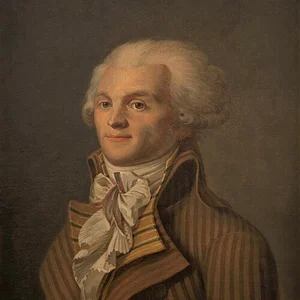
Robespierre
1758 — 1794
French lawyer and politician (1758–1794), Robespierre was a central figure of the French Revolution. Leader of the Montagnards, he dominated the Committee of Public Safety and became the embodiment of the Reign of Terror before being executed in 1794.
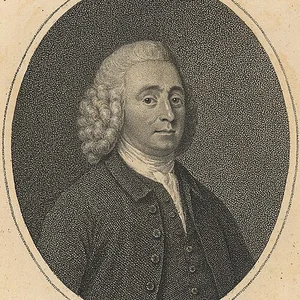
Thomas Dimsdale
1712 — 1800
Eighteenth-century British physician, a pioneer of variolation (inoculation against smallpox). He gained European fame by inoculating Empress Catherine II of Russia and her son in 1768.
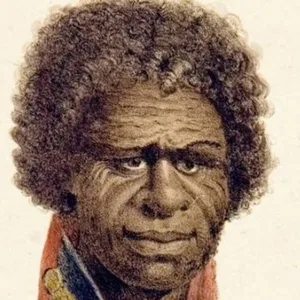
Tupaia
1725 — 1770
Tupaia was a Polynesian navigator, priest, and artist from Ra'iatea. A master of traditional navigation, he joined James Cook's expedition in 1769 and drew up a remarkable chart of more than 130 Pacific islands, a unique testament to Polynesian geographic knowledge.
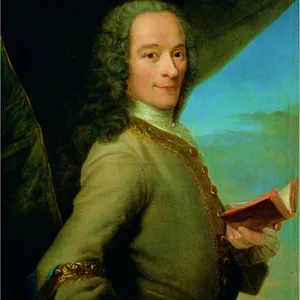
Voltaire
1694 — 1778
An 18th-century French writer and philosopher, Voltaire is a major figure of the Enlightenment. Through his works, most notably Candide, he championed tolerance, freedom of expression, and criticism of religious intolerance.

Wang Zhenyi
1768 — 1797
Wang Zhenyi was a Chinese astronomer, mathematician, and poet of the Qing dynasty. Despite the conventions of her time that kept women away from learning, she popularized astronomy and championed intellectual equality between men and women.
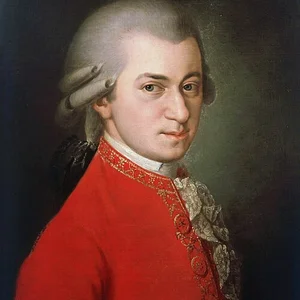
Wolfgang Amadeus Mozart
1756 — 1791
An Austrian composer of the 18th century, Wolfgang Amadeus Mozart (1756–1791) is considered one of the greatest composers in the history of music. A child prodigy, he composed more than 600 works spanning every musical genre and stands as the ultimate embodiment of the Classical style.
Abai Kunanbaev
1845 — 1904
Abai Kunanbaev is the founding father of written Kazakh literature. A poet, philosopher, and composer, he raised the Kazakh language to the status of a literary language and translated Pushkin, Lermontov, and Goethe. His major work, the Book of Words, remains the definitive philosophical text of Kazakh culture.
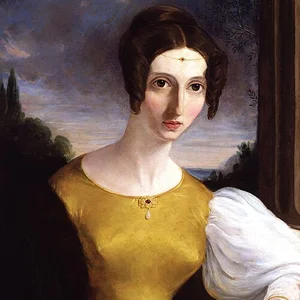
Harriet Taylor Mill
1807 — 1858
Harriet Taylor Mill (1807-1858) was a British philosopher and feminist, a major figure in 19th-century liberal thought. A collaborator and wife of John Stuart Mill, she profoundly influenced his works, particularly on individual liberty and the emancipation of women.
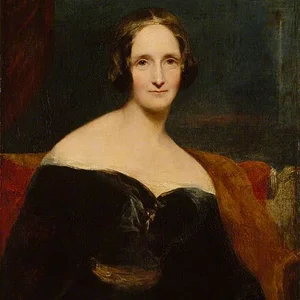
Mary Shelley
1797 — 1851
Peerage person ID=695563