 flip
flipMr. Locke's Tea
Mr. Locke's Tea
Why this dish? Locke appreciated tea, then a new and fashionable drink in 17th-century England, and frequented the circles where these exotic beverages were adopted. Tea embodied both scientific curiosity, learned sociability and the medical moderation he advocated.
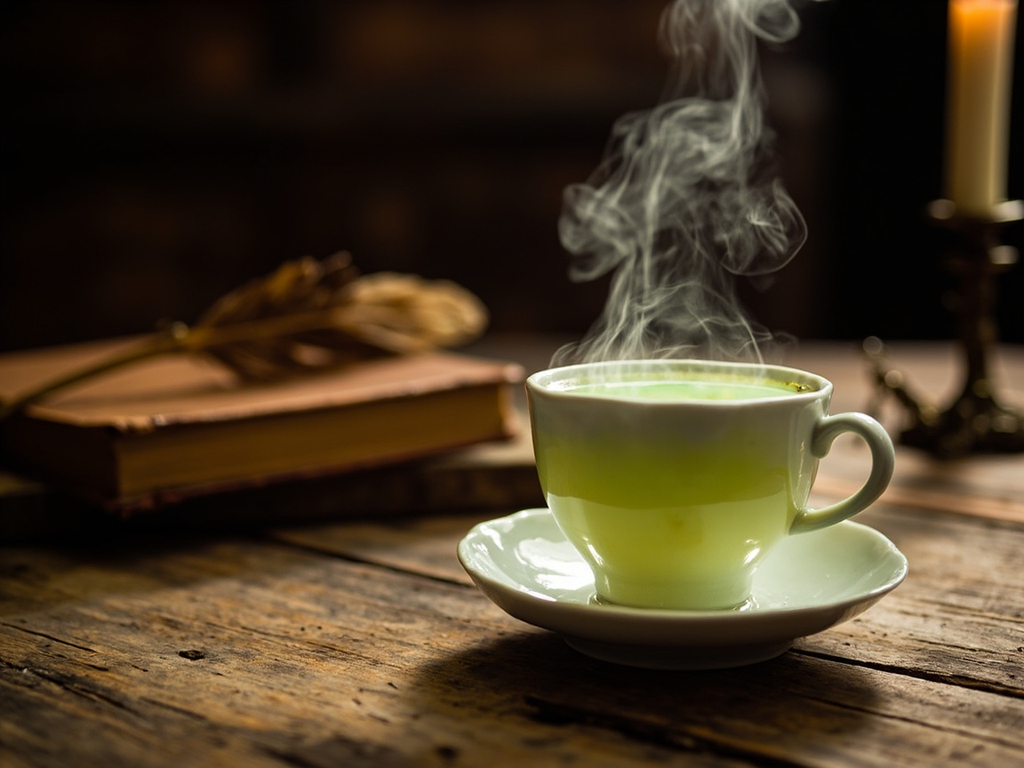
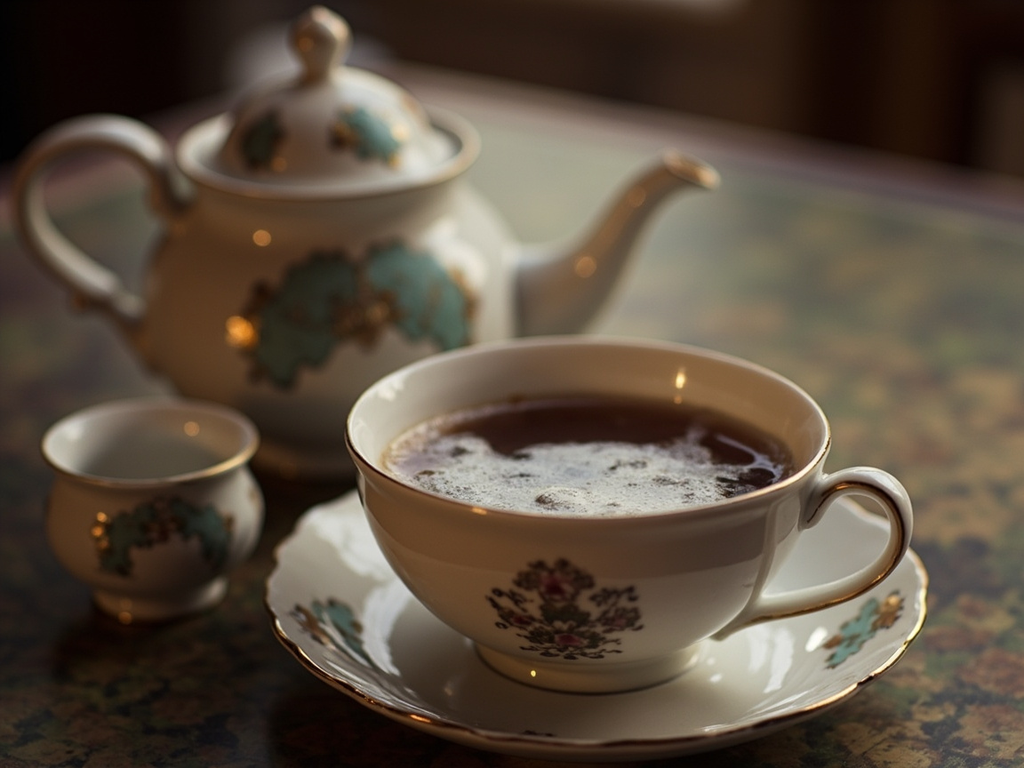
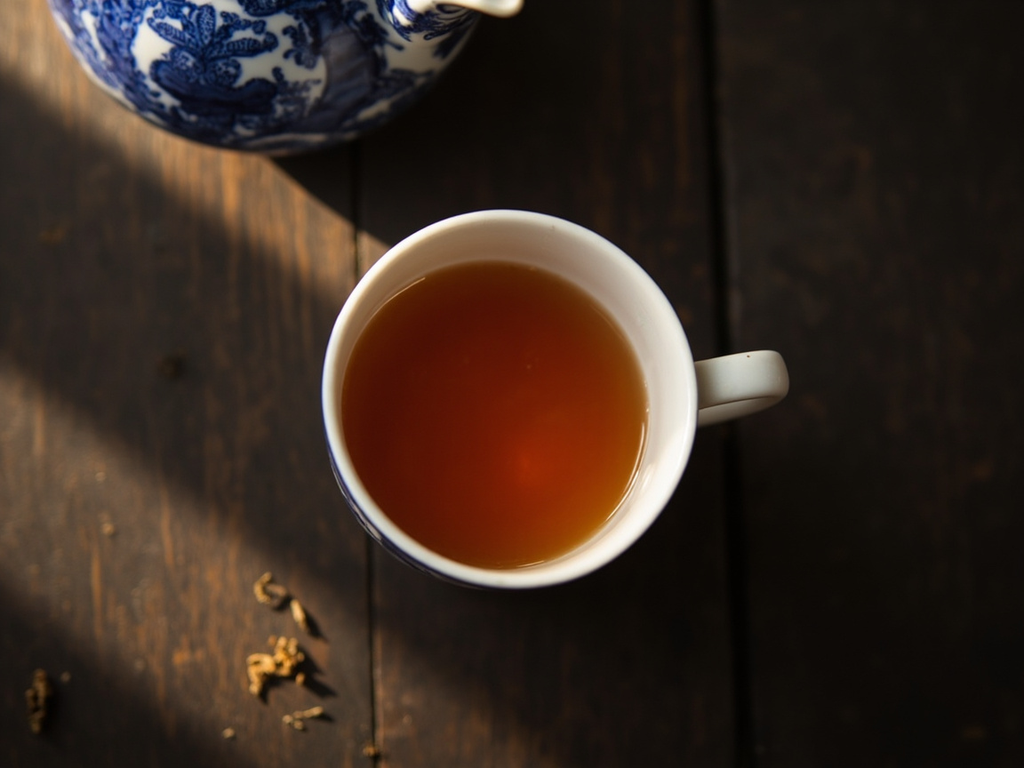
A clear, amber infusion of Chinese tea leaves, drunk hot, without milk, in small imported porcelain cups. The new, refined drink of curious minds.
I am called eccentric for prizing this leaf from China, but I find more profit in it than in wine, which troubles the brain and heats the blood. One pours boiling water over a few leaves, lets it steep for the time of a short meditation, then drinks it clear, in those small porcelain cups that Dutch merchants bring at great expense. The brew is bitter, I grant you, but it awakens the mind without intoxicating it—and is that not all a reasonable man should ask of his drink?
- •Chinese tea leaves (green or black) — a pinch per cup (infusion)
- •Boiling spring water — one cup per person (extraction)
- •Sugar candy (optional, fashionable) — one piece (optional sweetness)
Mr. Locke's Tea
A clear, amber infusion of Chinese tea leaves, drunk hot, without milk, in small imported porcelain cups. The new, refined drink of curious minds.
Why this dish? Locke appreciated tea, then a new and fashionable drink in 17th-century England, and frequented the circles where these exotic beverages were adopted. Tea embodied both scientific curiosity, learned sociability and the medical moderation he advocated.
I am called eccentric for prizing this leaf from China, but I find more profit in it than in wine, which troubles the brain and heats the blood. One pours boiling water over a few leaves, lets it steep for the time of a short meditation, then drinks it clear, in those small porcelain cups that Dutch merchants bring at great expense. The brew is bitter, I grant you, but it awakens the mind without intoxicating it—and is that not all a reasonable man should ask of his drink?
Ingredients (period version)
- Chinese tea leaves (green or black) — a pinch per cup (infusion)
- Boiling spring water — one cup per person (extraction)
- Sugar candy (optional, fashionable) — one piece (optional sweetness)
Ingredients
- Loose-leaf tea (Chinese green or light black) — 1 tsp per cup (infusion)
- Water at 80-90°C — 200 ml per cup (extraction)
- Sugar — to taste (optional) (sweetness)
Method
- Heat water just before boiling (around 85°C for green tea, hotter for black).
- Rinse the teapot or cups with hot water to warm them, then discard.
- Add the tea, pour the hot water and steep for 2 to 3 minutes.
- Serve clear in small cups, sweeten separately if desired—no milk, in the 17th-century fashion.
How it was made : Tea arrived in England around the mid-17th century, first via the United Provinces, and was sold very dearly in London coffee-houses. It was drunk clear, in small handleless Chinese porcelain cups, sometimes sweetened with sugar candy but rarely with milk at that date. It was a drink of the curious, merchants and scholars, associated with novelty and science.
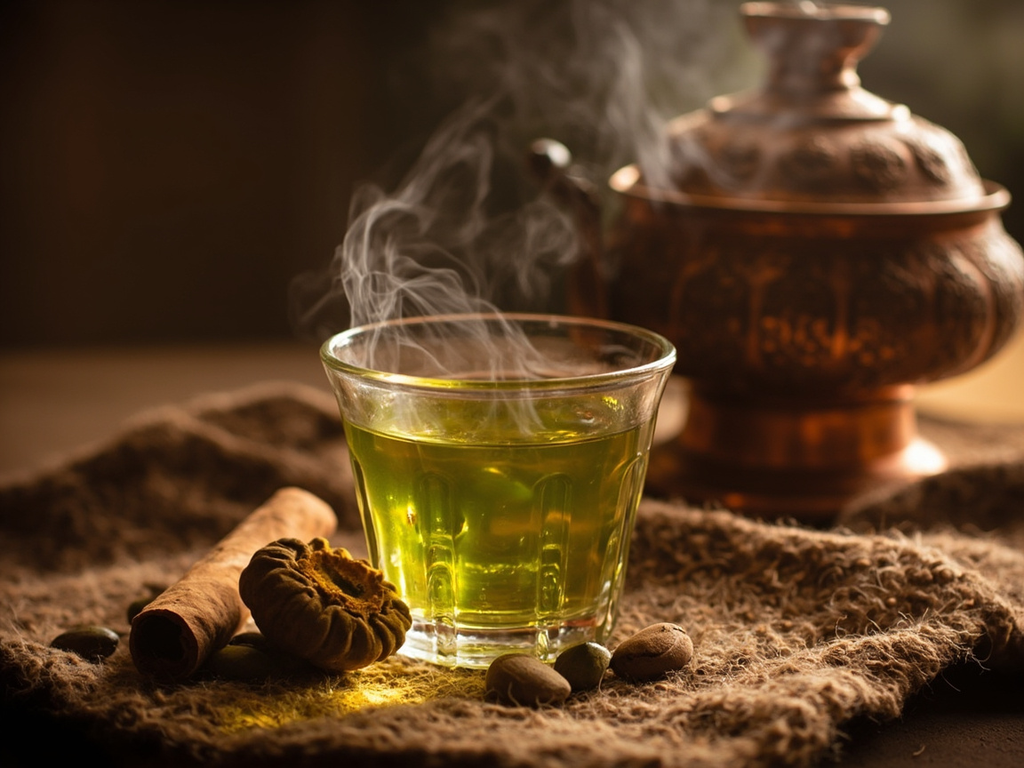
The contemporary twist : Present it in a transparent teapot to watch the amber colour develop: the 'tabula rasa' of water gradually absorbing the experience of the leaves, a nod to the master's empiricism.
John Locke · Charactorium