 flip
flipConditum — Honeyed Wine with Eastern Spices
Conditum — Honeyed Wine with Eastern Spices
Why this dish? Justinian's official banquets served renowned Greek wines. Before the meal, *conditum* was enjoyed—wine heated with honey and spices brought by the Silk Road and the Indian Ocean, the same trade routes the emperor sought to control, even introducing sericulture to Constantinople.
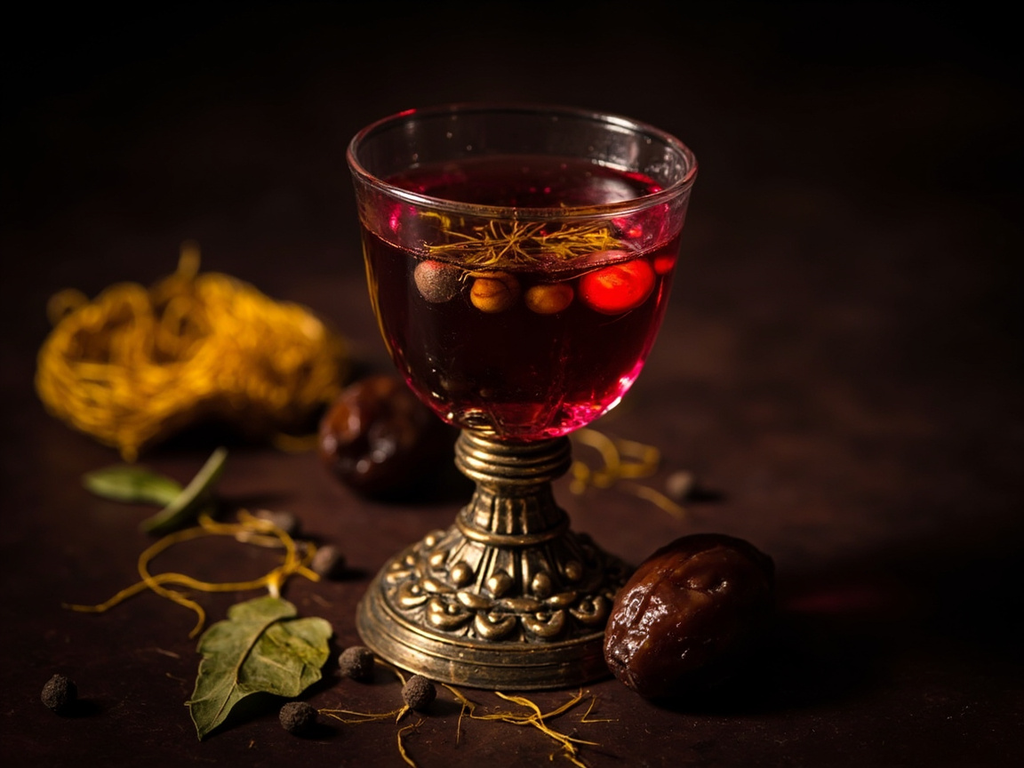
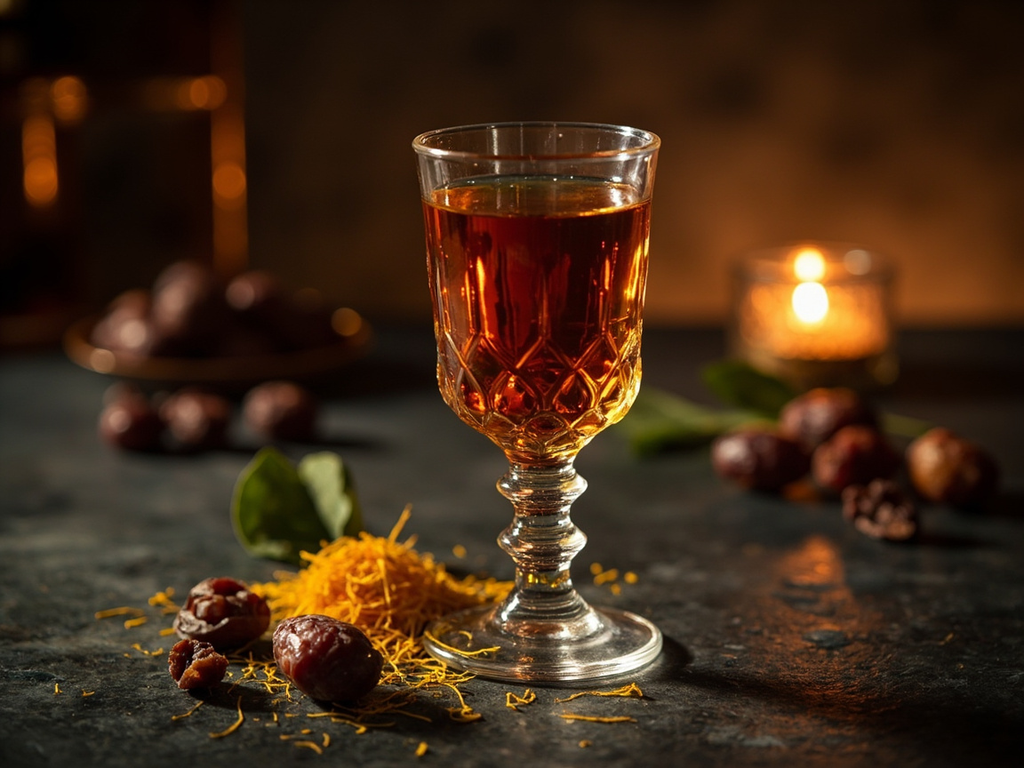
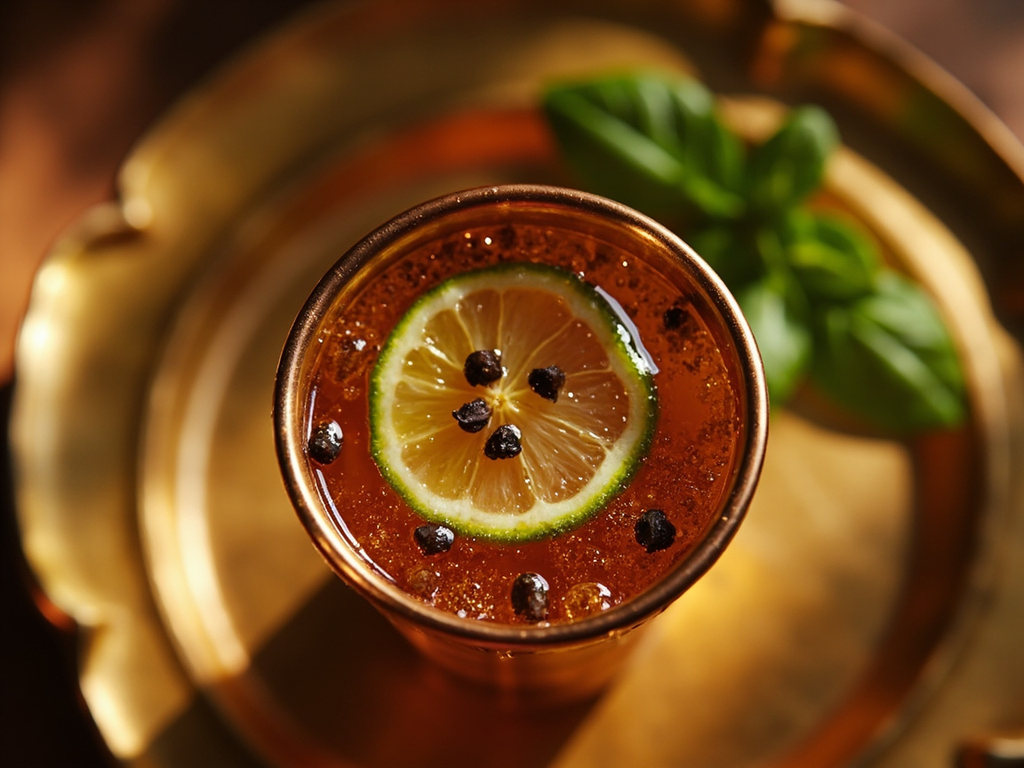
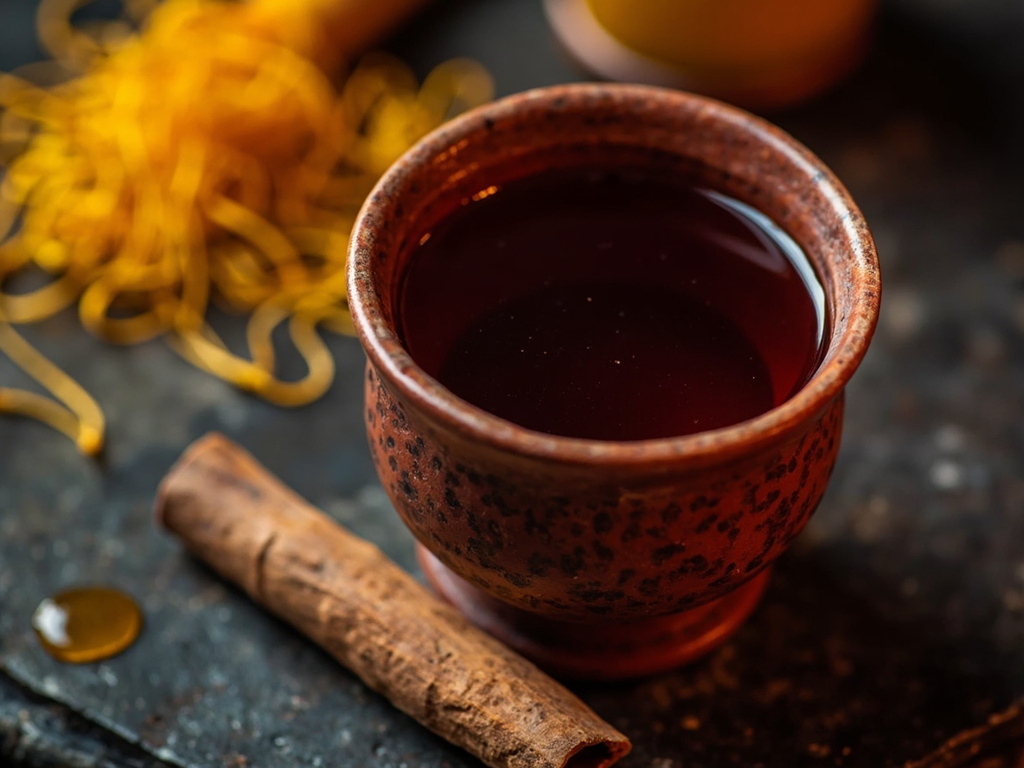
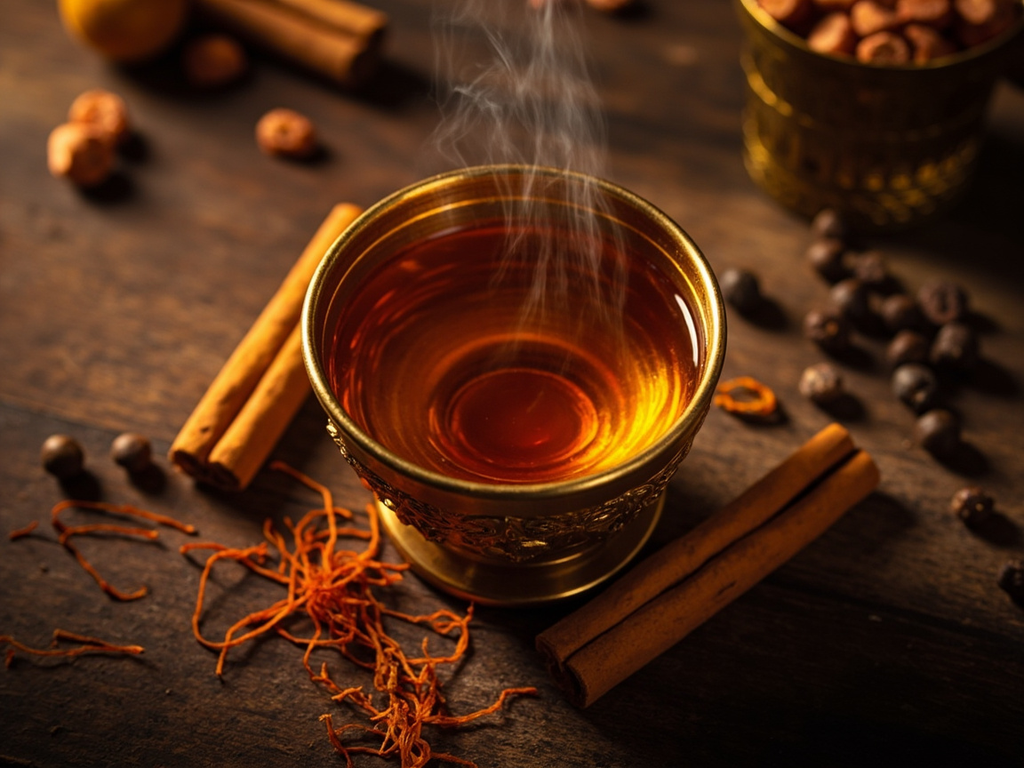
Sweet wine long infused with honey, pepper, cinnamon, and saffron, then strained. A warm, fragrant, golden drink that opened the feasts of the Byzantine court.
Before the dishes are served, taste this wine: it has been married to honey and the spices my merchants bring from India and beyond. The pepper bites gently, the cinnamon perfumes it, and the saffron gives it that golden color befitting our City. Know that I have worked to keep these routes open—I have even brought the secret of silkworms here. Drink slowly: a single cup warms the body and loosens tongues around my table.
- •Sweet Greek wine — a sextarius (base)
- •Honey — in proportion (sweetness)
- •Pepper — a few grains (warm spice)
- •Cinnamon (cassia) and nard — a little (fragrance)
- •Saffron — a few pistils (color and aroma)
- •Dates — a handful (sweet roundness)
Conditum — Honeyed Wine with Eastern Spices
Sweet wine long infused with honey, pepper, cinnamon, and saffron, then strained. A warm, fragrant, golden drink that opened the feasts of the Byzantine court.
Why this dish? Justinian's official banquets served renowned Greek wines. Before the meal, *conditum* was enjoyed—wine heated with honey and spices brought by the Silk Road and the Indian Ocean, the same trade routes the emperor sought to control, even introducing sericulture to Constantinople.
Before the dishes are served, taste this wine: it has been married to honey and the spices my merchants bring from India and beyond. The pepper bites gently, the cinnamon perfumes it, and the saffron gives it that golden color befitting our City. Know that I have worked to keep these routes open—I have even brought the secret of silkworms here. Drink slowly: a single cup warms the body and loosens tongues around my table.
Ingredients (period version)
- Sweet Greek wine — a sextarius (base)
- Honey — in proportion (sweetness)
- Pepper — a few grains (warm spice)
- Cinnamon (cassia) and nard — a little (fragrance)
- Saffron — a few pistils (color and aroma)
- Dates — a handful (sweet roundness)
Ingredients
- Sweet red or white wine — 750 ml (base)
- Honey — 100 g (sweetness)
- Black peppercorns — 8 (warm spice)
- Cinnamon stick — 1 (fragrance)
- Saffron — a pinch of pistils (color and aroma)
- Pitted dates — 4 (sweet roundness)
Method
- Pour a quarter of the wine into a saucepan with the honey and heat gently, stirring to dissolve.
- Add the crushed peppercorns, cinnamon, saffron, and dates; let simmer (do not boil) for 10 minutes.
- Pour in the remaining wine, keep warm for 5 more minutes to infuse.
- Strain through a fine cloth to remove spices.
- Serve warm in small cups.
How it was made : *Conditum* (or *conditum paradoxon* from Apicius) is a spiced wine prepared in advance and extended with wine at serving. Pepper, cinnamon, and saffron arrived via the trade routes Byzantium strove to control; honey replaced sugar, unknown at this table.
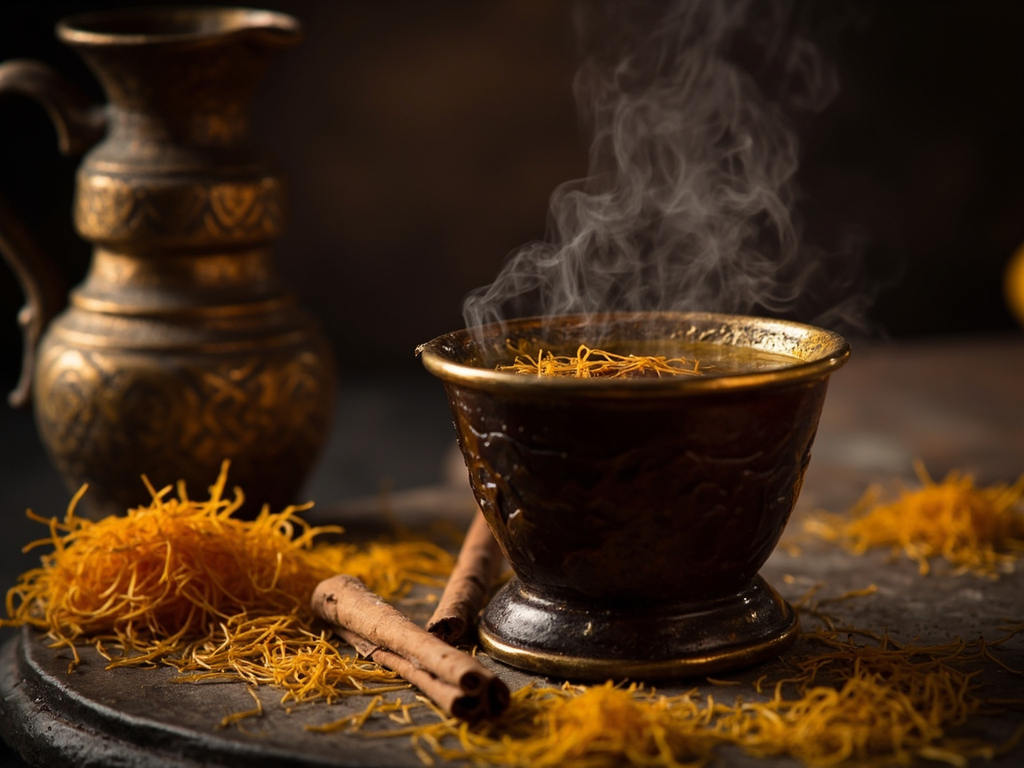
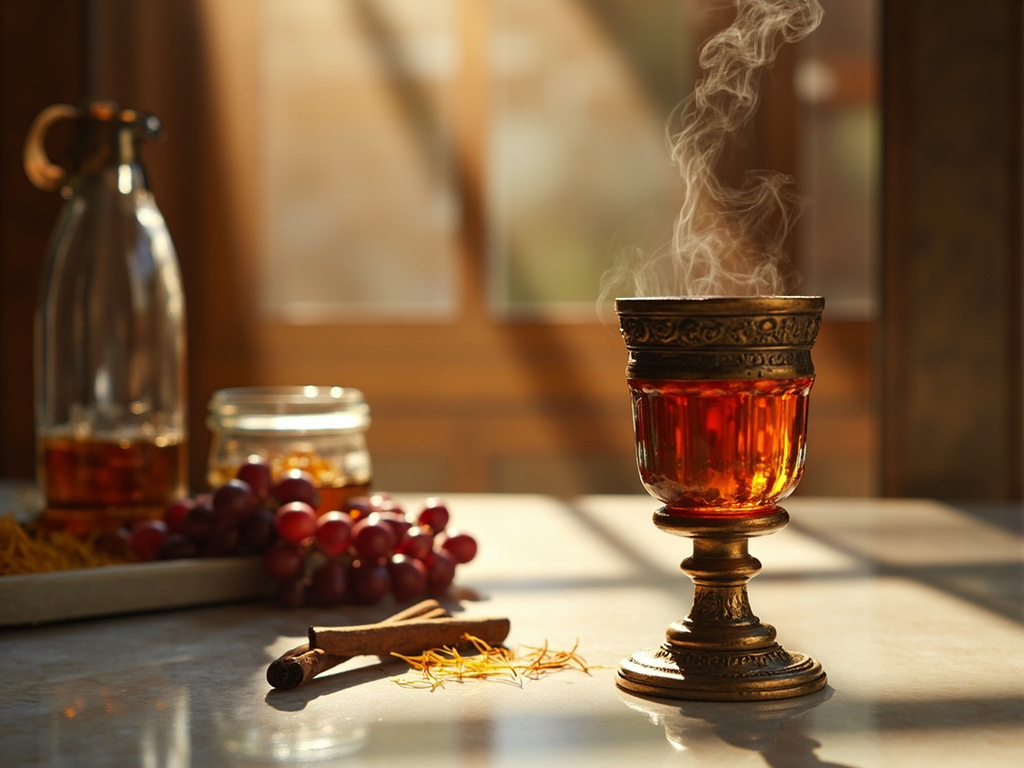
The contemporary twist : Served steaming in small gilded glasses with a cinnamon stick: the Byzantine ancestor of festive mulled wine.
Sources : Apicius, *De re coquinaria*, Book I (*conditum paradoxum*) · Andrew Dalby, *Flavours of Byzantium* (Prospect Books, 2003)
Justinian · Charactorium