 flip
flipKımız
Kımız
Why this dish? Kımız (koumiss) is inseparable from the figure of Dede Korkut. In the Oghuz epics, it is the drink poured for heroes and sages before any assembly. Dede Korkut, as tutelary sage and shaman, would have presided over the libations of kımız that seal alliances, bless marriages, and honor the dead.
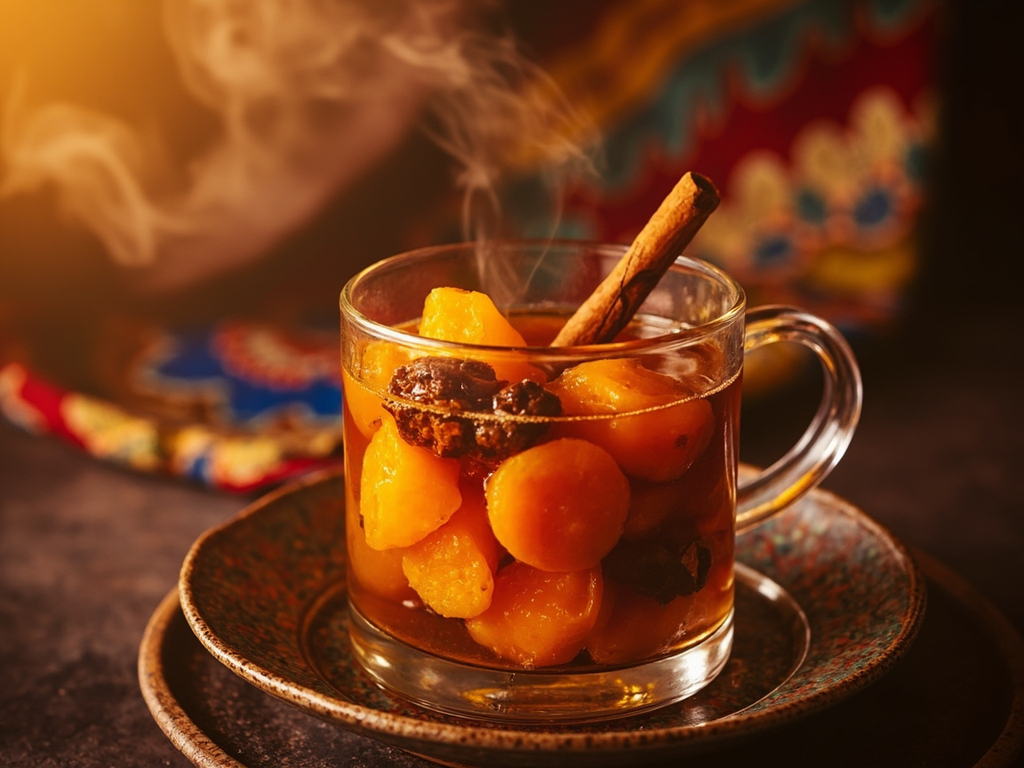
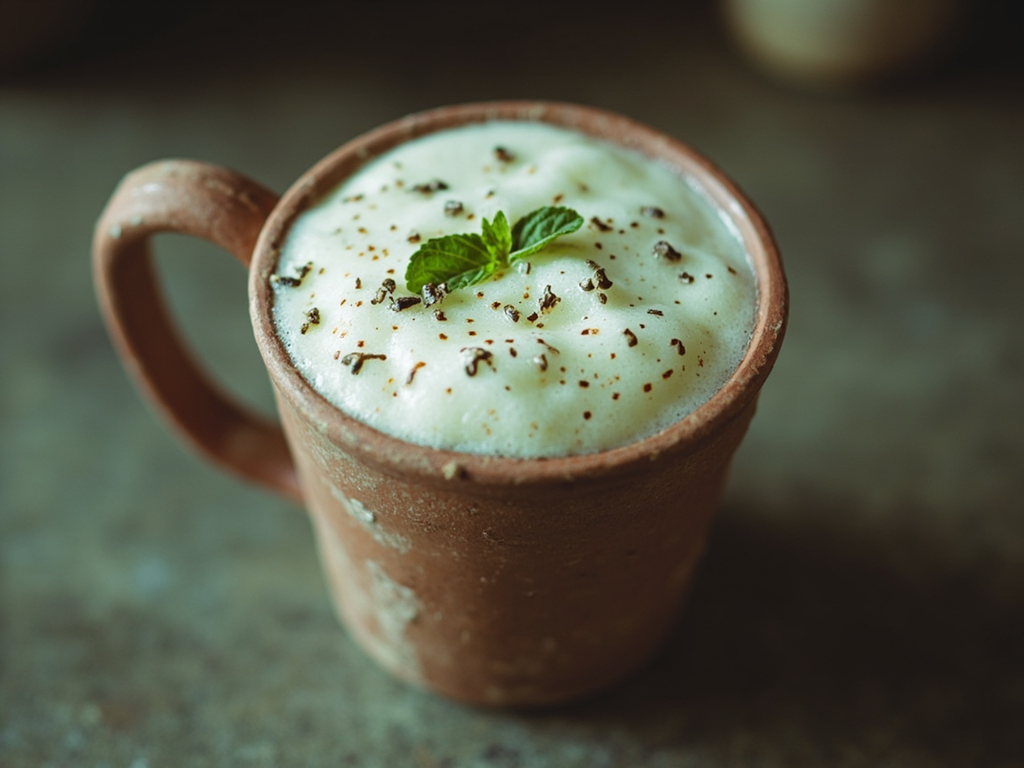
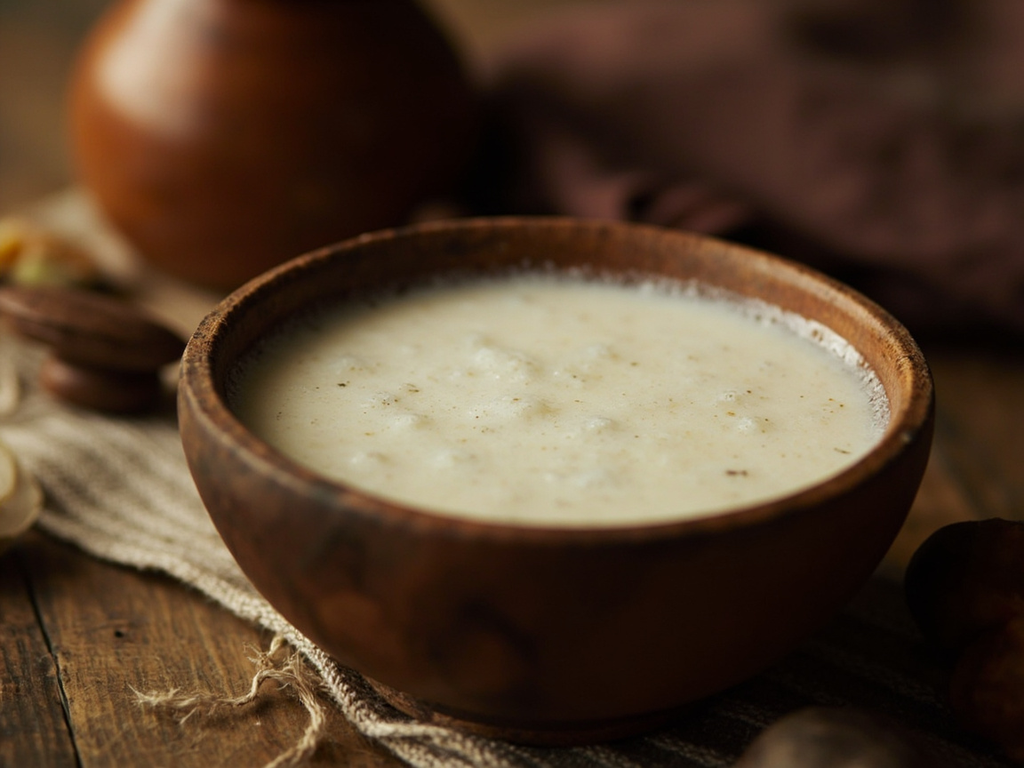
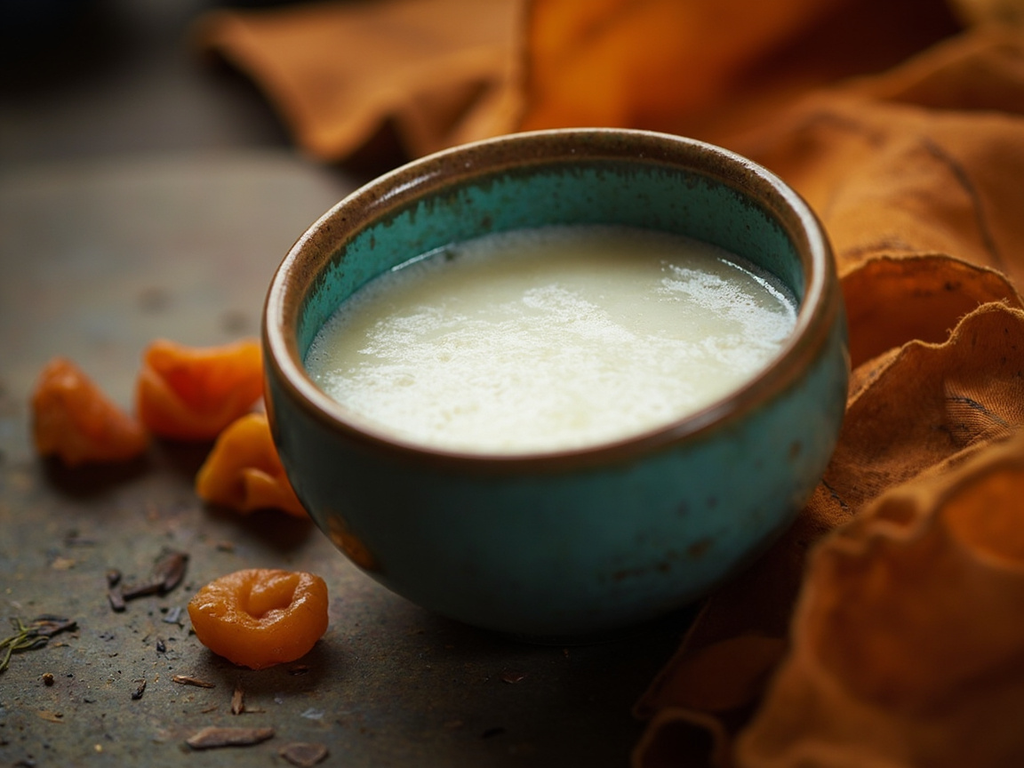
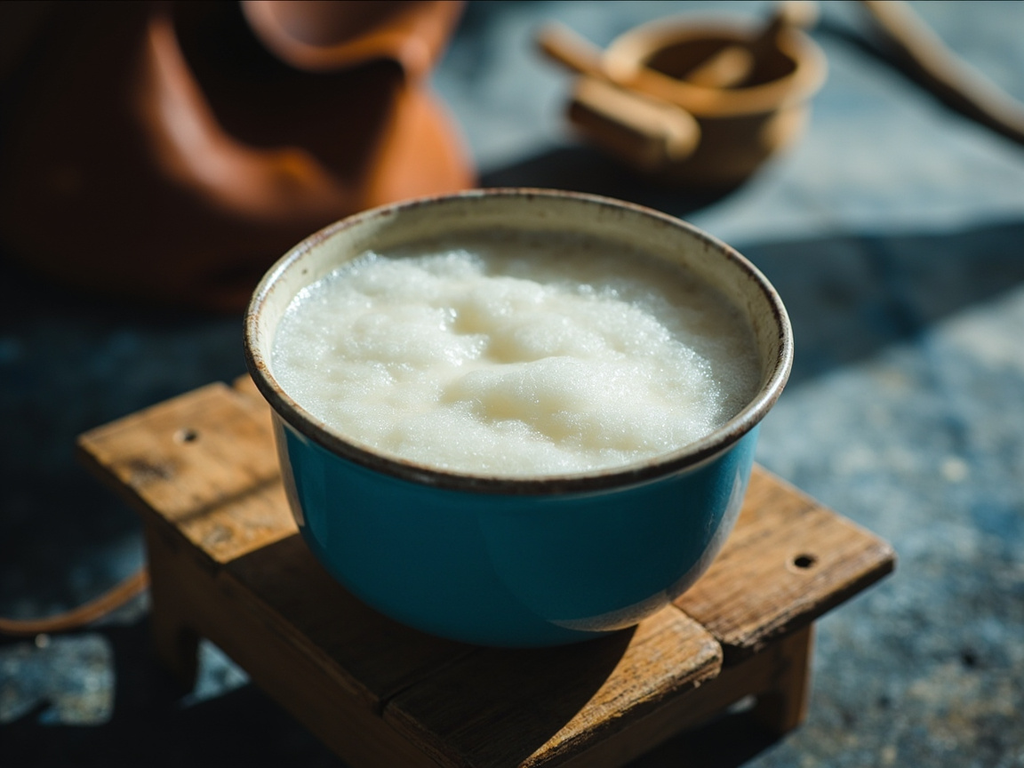
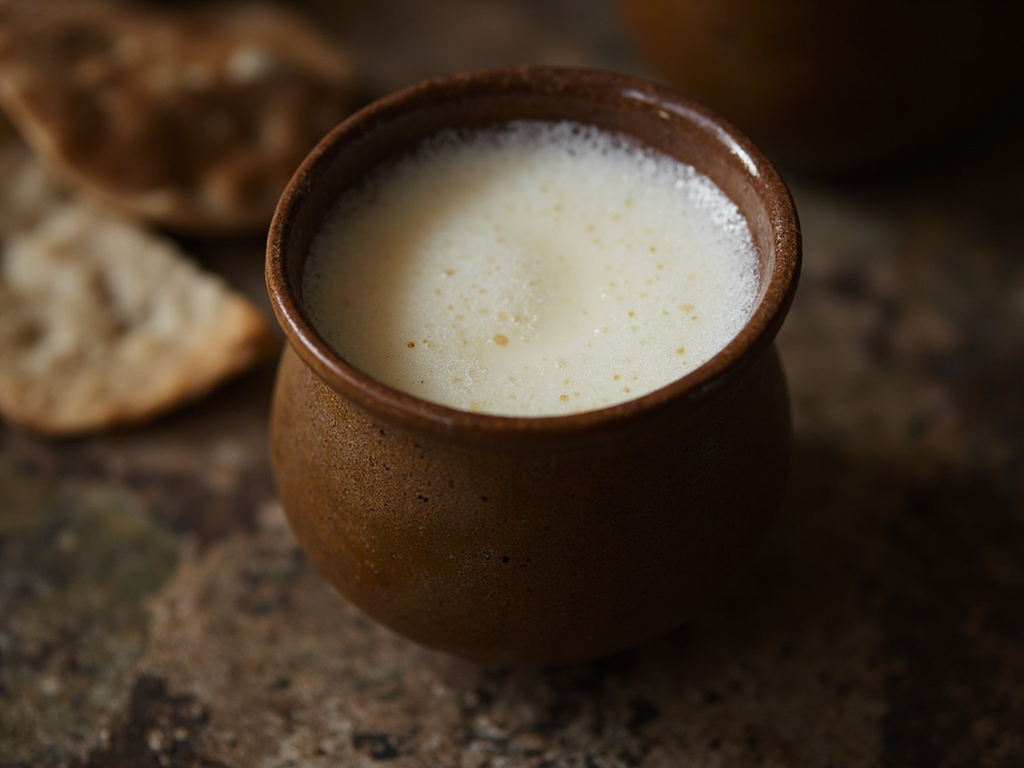
Fermented mare's milk, slightly sparkling and tart, with a very low alcohol content. Sacred drink of the nomadic Turks, it is at once food, medicine, and offering. Its lively taste, between liquid yogurt and young cider, surprises then conquers.
O you who come under my yurt, know this: kımız is the white blood of the steppe. Our mares give it, our women beat it in leather bags from morning to evening, and the steppe itself ferments it with its warmth. I drank it on the banks of the Seyhun when I was young, I still drink it now that my beard touches my belt. Before I take my kopuz and sing the exploits of Bamsi Beyrek, I pour a cup of kımız on the earth for our ancestors. He who refuses kımız refuses the friendship of the Oghuz — and that I have never seen.
- •Fresh mare's milk — a full leather bag (base for fermentation)
- •Old kımız starter (leftover from the day before) — a ladleful (fermentation starter)
Kımız
Fermented mare's milk, slightly sparkling and tart, with a very low alcohol content. Sacred drink of the nomadic Turks, it is at once food, medicine, and offering. Its lively taste, between liquid yogurt and young cider, surprises then conquers.
Why this dish? Kımız (koumiss) is inseparable from the figure of Dede Korkut. In the Oghuz epics, it is the drink poured for heroes and sages before any assembly. Dede Korkut, as tutelary sage and shaman, would have presided over the libations of kımız that seal alliances, bless marriages, and honor the dead.
O you who come under my yurt, know this: kımız is the white blood of the steppe. Our mares give it, our women beat it in leather bags from morning to evening, and the steppe itself ferments it with its warmth. I drank it on the banks of the Seyhun when I was young, I still drink it now that my beard touches my belt. Before I take my kopuz and sing the exploits of Bamsi Beyrek, I pour a cup of kımız on the earth for our ancestors. He who refuses kımız refuses the friendship of the Oghuz — and that I have never seen.
Ingredients (period version)
- Fresh mare's milk — a full leather bag (base for fermentation)
- Old kımız starter (leftover from the day before) — a ladleful (fermentation starter)
Ingredients
- Fresh mare's milk (from specialty health store) or whole cow's milk — 1 liter (base)
- Milk kefir (grains or drink) — 100 ml (substitute starter)
- Liquid honey (optional, if using cow's milk) — 1 tbsp (adjust sweetness)
Method
- If using mare's milk: warm to about 30°C. If using cow's milk: bring to a boil then let cool to 30°C (this changes protein structure for a closer result).
- Pour the milk kefir into the warm milk. Whisk vigorously for 2 minutes to incorporate air.
- Transfer to a glass jar (or wide-mouth bottle). Cover with a cloth, do not seal tightly — fermentation produces gas.
- Let ferment at room temperature (20-25°C) for 24 to 48 hours, whisking vigorously 3-4 times daily (nomads beat the bag by hitting it — agitation creates the texture).
- Taste: kımız is ready when it is slightly fizzy, tart, with a fine foam. Refrigerate and consume within 2-3 days.
- Serve chilled in wooden bowls or cups, plain.
How it was made : Kımız is documented since antiquity (Herodotus mentions the Scythians preparing it) and remains central in Turkish and Mongolian culture. Nomads prepared it in leather bags (saba/tulum) hung at the yurt entrance; every passerby had to beat it upon entering, maintaining fermentation. Alcohol content remains low (1-3%). Ibn Fadlan, Arab ambassador to the Oghuz in 921, describes their consumption of fermented drinks.
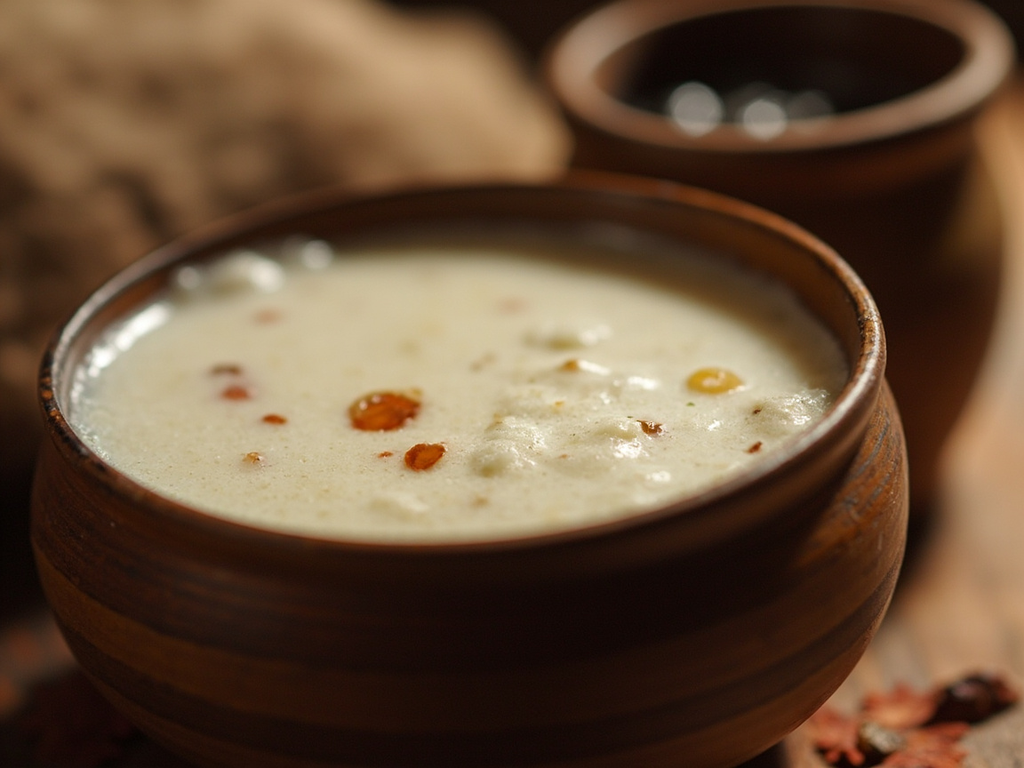
The contemporary twist : Serve in a handcrafted Central Asian ceramic bowl with a drizzle of lavender honey — a contemporary tea-house kımız.
Sources : Ibn Fadlan, Risâla (travel account to the Volga Bulgars, 921-922) · Herodotus, Histories, IV, 2 (on Scythians and mare's milk) · Le Livre de Dede Korkut, trans. Louis Bazin & Altan Gokalp, Gallimard, 1998
Dede Korkut · Charactorium