Tuba — Fresh Palm Wine
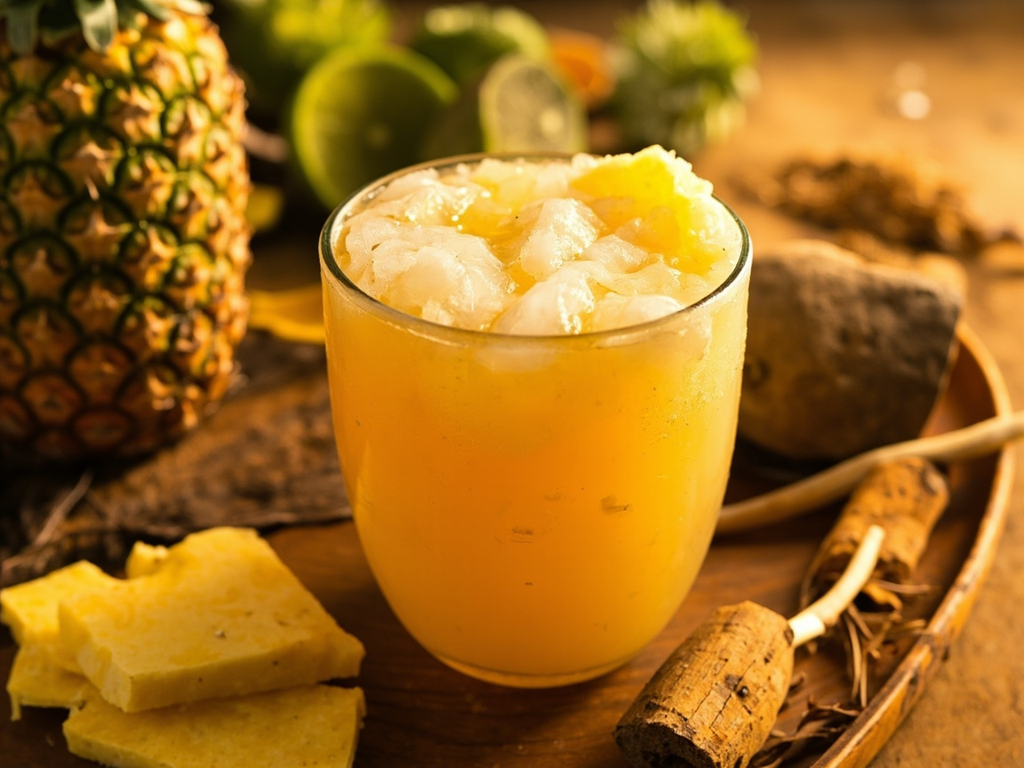
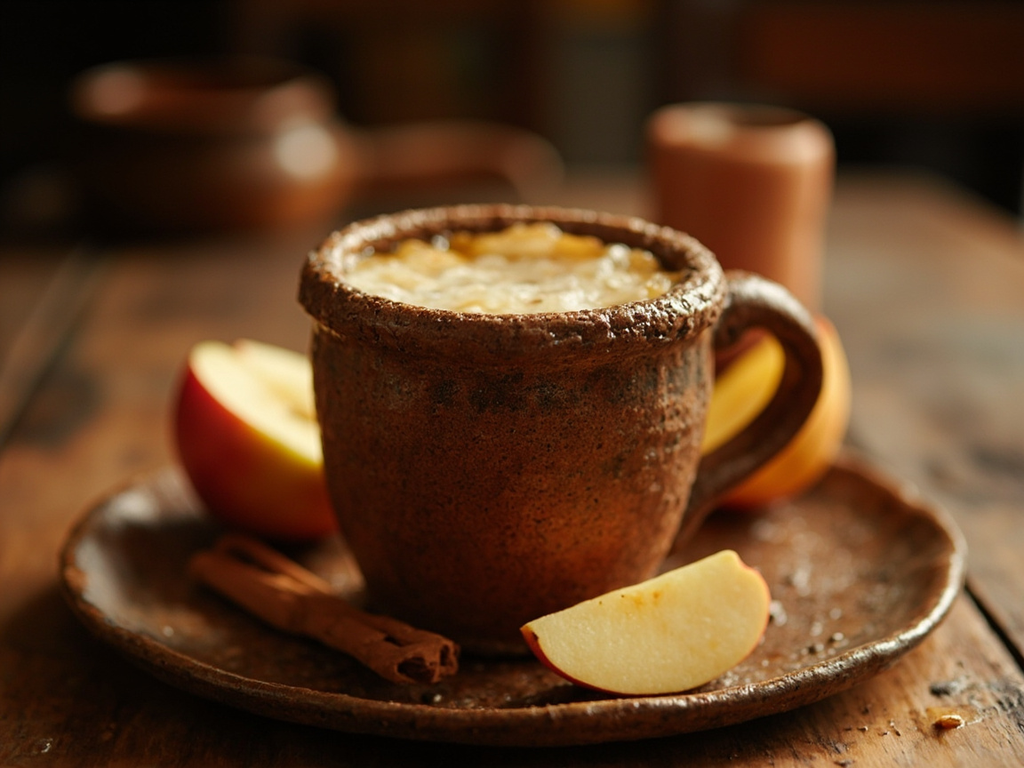
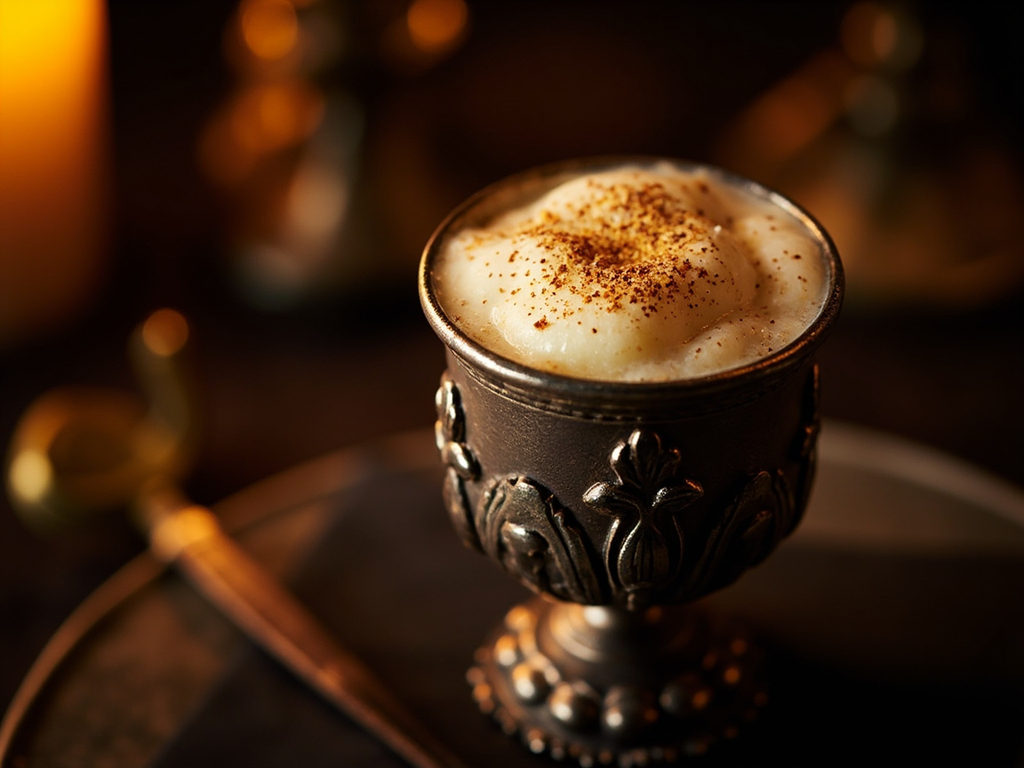
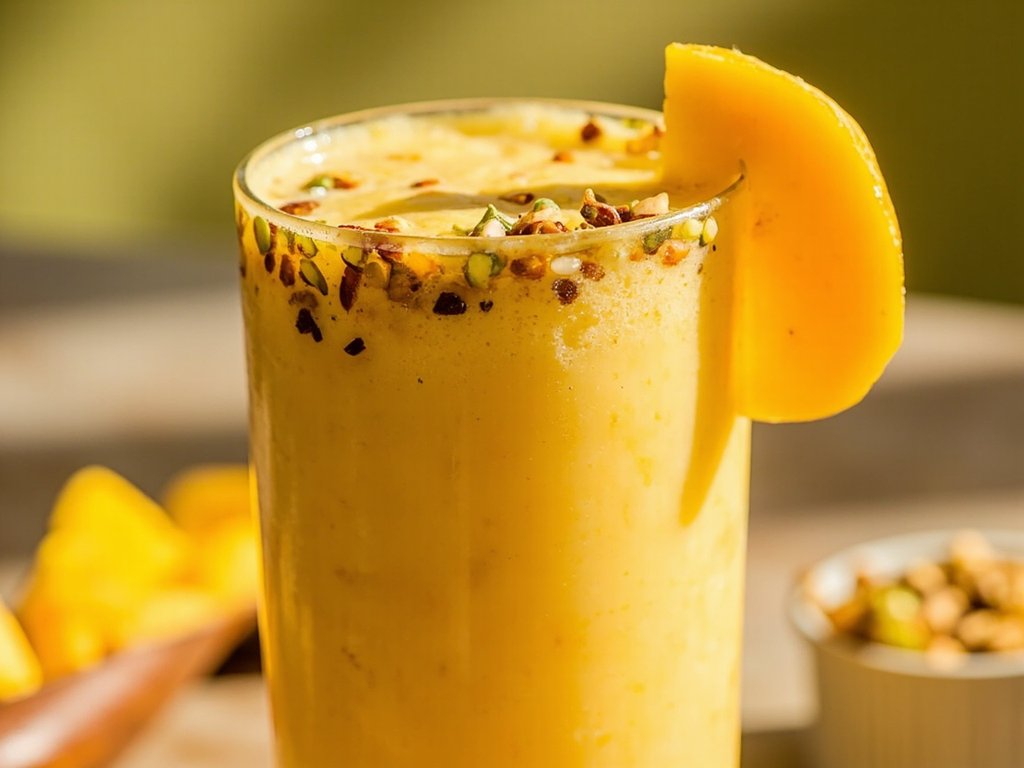
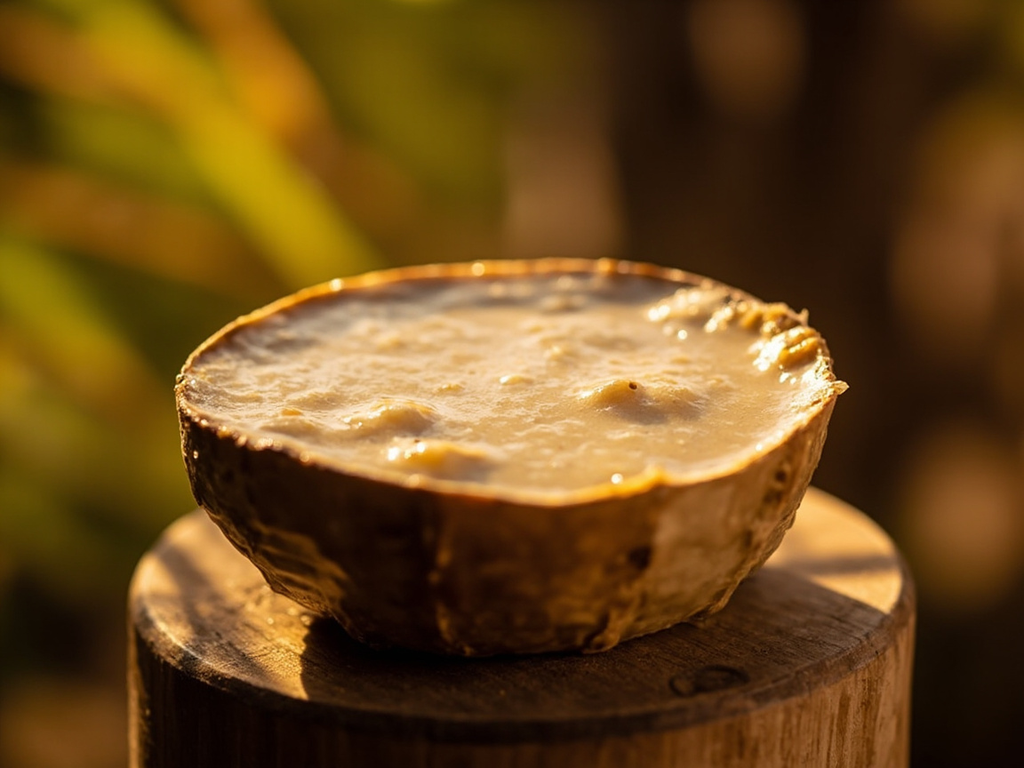
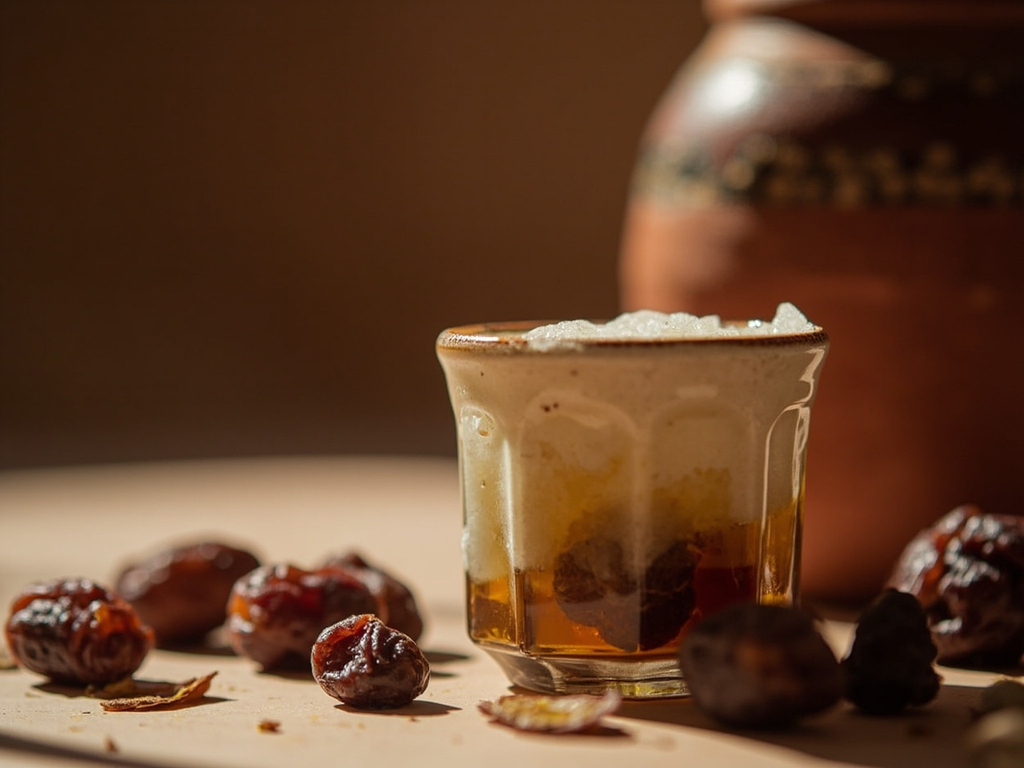
Fresh sap from the coconut tree, harvested by cutting the inflorescence and collected in a bamboo tube. Drunk fresh, it is sweet and slightly effervescent; after a few hours, natural fermentation turns it into a light, cloudy, tart wine.
Fresh sap from the coconut tree, harvested by cutting the inflorescence and collected in a bamboo tube. Drunk fresh, it is sweet and slightly effervescent; after a few hours, natural fermentation turns it into a light, cloudy, tart wine.
*Tuba* is the blood of the *niyog*. Every morning, my *mananguete* climb barefoot to the coconut flowers and cut the stalk — the sap flows into the bamboo all night. Fresh, it is sweet as the water of the green nut. But wait until evening, and it will go to your head like courage before battle. When my allies from Mandaue came to swear allegiance against the strangers, it was *tuba* we drank together, poured from the same jar.
- •Fresh coconut sap (toddy) — Harvest from one or several trees (Single base)
- •Tungog bark (natural colorant, optional) — One piece (Traditional pink color)
Tuba — Fresh Palm Wine
Fresh sap from the coconut tree, harvested by cutting the inflorescence and collected in a bamboo tube. Drunk fresh, it is sweet and slightly effervescent; after a few hours, natural fermentation turns it into a light, cloudy, tart wine.
Why this dish? Pigafetta abundantly documents the consumption of palm wine in Cebu and neighboring islands in 1521. *Tuba* accompanied every feast and war council among Visayan *datus*. Lapu-Lapu is said to have offered it to his warriors to seal their commitment before the Battle of Mactan.
*Tuba* is the blood of the *niyog*. Every morning, my *mananguete* climb barefoot to the coconut flowers and cut the stalk — the sap flows into the bamboo all night. Fresh, it is sweet as the water of the green nut. But wait until evening, and it will go to your head like courage before battle. When my allies from Mandaue came to swear allegiance against the strangers, it was *tuba* we drank together, poured from the same jar.
Ingredients (period version)
- Fresh coconut sap (toddy) — Harvest from one or several trees (Single base)
- Tungog bark (natural colorant, optional) — One piece (Traditional pink color)
Ingredients
- Fresh coconut water (unpasteurized if possible) — 1 liter (Base — substitute for coconut sap)
- Coconut sugar — 30 g (Simulates the natural sugar of sap (adjust to taste))
- Baker's yeast or water kefir — ¼ tsp yeast or 2 tbsp kefir grains (Fermentation)
- Lime juice — 1 tbsp (Acidity, reminiscent of fermented tuba)
Method
- If you have access to fresh coconut sap (toddy) from an Asian store or online, it can be drunk as is, slightly effervescent. Otherwise, follow the reconstitution method below.
- Lightly warm the coconut water (30°C, no higher). Dissolve the coconut sugar in it.
- Add the yeast (or kefir grains). Pour into a glass bottle, close loosely to let gas escape.
- Let ferment at room temperature for 12 to 24 hours. Taste: after 12 h, the drink is sweet and slightly fizzy (fresh *tuba*); after 24 h, it is more tart and alcoholic (fermented *tuba*).
- Strain if necessary, add a splash of lime juice. Serve chilled in glasses or, for ambiance, in bamboo sections.
How it was made : Pigafetta describes Philippine palm wine in detail in 1521: 'Their wine is made from the coconut tree [...] It is white and sweet, but if left a while it becomes strong like grape wine.' He notes that the natives harvested it by cutting the inflorescences and drank it from jars at banquets. The addition of *tungog* bark to color *tuba* pink is a specific Visayan tradition.
The contemporary twist : Serve the reconstituted *tuba* in small bamboo tubes cut in half, with an ice cube and a calamansi slice — perfect for a tropical aperitif that tells a story.
Sources : Antonio Pigafetta, Primo Viaggio Intorno al Globo (1525) — detailed description of palm wine in the Philippines · William Henry Scott, Barangay: Sixteenth-Century Philippine Culture and Society (1994) — production and trade of tuba · Doreen Fernandez, Tikim: Essays on Philippine Food and Culture (1994)
Lapu-Lapu · Charactorium